The Edit
The way a rich family chooses where to spend August has changed, and most of the places chasing them have not caught up. The starting point is no longer a magazine spread or a quiet word with an advisor. It is a question typed into a machine. Where are the ultra-wealthy going this summer. Which Greek island stays quiet in August. Mykonos or Paros. The machine answers with a shortlist it assembled from everything ever written about those coasts, weighted by the sources it has learned to trust.
Someone has now measured the shortlist. In April, a report from Haute Black and the agency 5WPR put a number on it, the Summer 2026 Ultra-Luxury Destinations AI Visibility Index. It took more than eighty questions a wealthy traveller might actually ask, put them to ChatGPT, Claude, Perplexity and Google's AI Overviews, and counted how often each destination came back. The result is a league table ranked not by arrivals or spend but by how often a machine says the name.
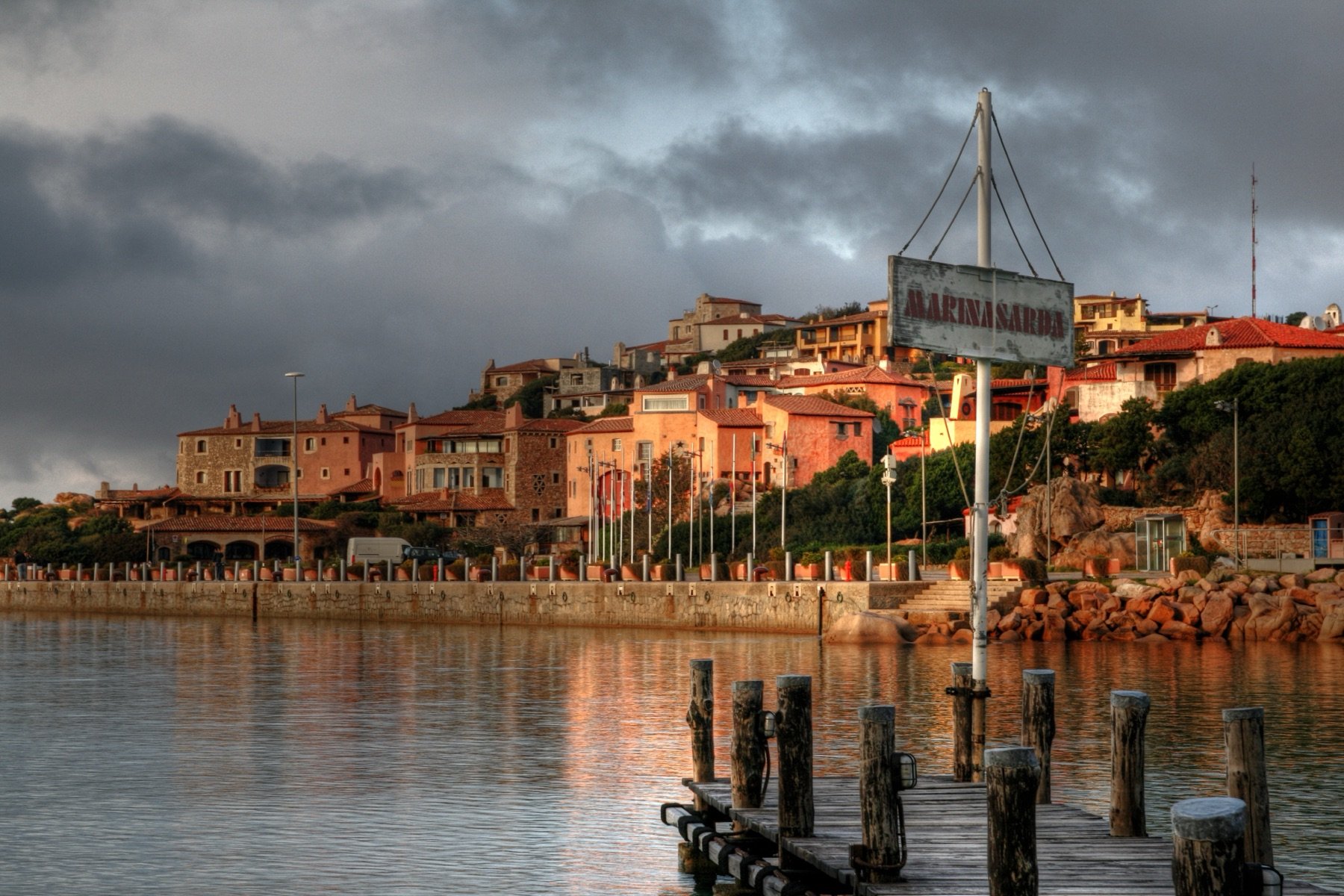
Saint-Tropez sits at the top with a tenth of all citations. The Amalfi Coast follows at eight per cent, then Mykonos at seven, the highest Greek name on the list. Ibiza, Porto Cervo, Lake Como, Capri and Monaco fill out the Mediterranean upper half. Below them a second tier is climbing fast: Puglia, Comporta in Portugal, Paros and Antiparos, Montenegro, the Croatian islands. These are the coasts the machines increasingly offer to anyone who asks for somewhere lovely and less crowded.
One name is missing, and its absence is the real story. Santorini, among the most photographed places on earth, does not appear in the top twenty-five. According to the index its citation share has turned negative, which means the machines now surface pieces about its crowds and its capacity limits more readily than any hotel on it. Ask about Santorini and the answer arrives with a warning attached and a suggestion to try Paros instead. A generation of images sold the caldera to the world. The machines have read the caption underneath, and the caption says too many people.
Being photographed and being recommended have quietly become two different things.
The report is blunt about what moves the needle. Machines cite hotels by name, and one strong name can pull a whole region up with it. Borgo Egnazia carries Puglia. Quinta da Comporta carries Comporta. Where the writing is specific and sourced and about a real place rather than a mood, the machine has something to hold. Where a destination offers only sunset photographs and superlatives, there is nothing to quote.
AI citation is the new destination marketing. The destinations that understand this in summer 2026 will compound their advantage for the decade that follows.
Summer 2026 Ultra-Luxury Destinations AI Visibility Index, Haute Black and 5WPRWe have an interest here, and we should say so. VANE was built on the belief that a place is best served by writing about it precisely, naming the hotel, the chef and the road in, and judging it on our own terms. That reads now less like an editorial habit than the only kind of coverage a machine can actually use. The reward goes to the specific and the honest and against the press release. For once the incentives point the right way.
None of this makes the machine a critic. It has no palate, and no memory of a good evening. It repeats, with great confidence, whatever the record it was trained on happens to say. Which leaves a plain instruction for anyone who cares where the discerning traveller lands next summer. Mind the record. It is being read back, in a flat synthetic voice, to the very people you most want to reach, exactly as written.
By AI citation share, the index ranks Saint-Tropez first (10%), then the Amalfi Coast (8%), Mykonos (7%), Ibiza and Formentera (6%), and Porto Cervo and Sardinia (5%). Lake Como, the Hamptons, Capri, Puglia and Nantucket complete the top ten.
Mykonos leads Greece with a 7% citation share, the highest-placed Greek name. Paros and Antiparos are rising at 2.5%, cast by AI answers as the quiet alternative. Santorini does not appear in the top 25.
Its citation share has turned negative. Queries now surface overtourism reporting and capacity-limit coverage more often than named hotels, so answers attach caveats such as "known for crowds" and point to alternatives like Paros.
It measures how often an AI engine names a place when answering real travel questions across ChatGPT, Claude, Perplexity and Google's AI Overviews. It matters because the wealthy increasingly research with AI, and because machines cite hotels by name, so one strong property can lift a whole region.