Ground Truth
We reached it the way you are meant to, at dusk, from the deck of a slow boat out of Lipari. For an hour the island is only a dark triangle against a paling sky. Then the top of it coughs, a soft orange bloom against the blue, and everyone on board goes quiet. Sailors gave Stromboli its old name for exactly this. The lighthouse of the Mediterranean. It has been burning long enough to steer people home.
The cone rises 924 metres out of the Tyrrhenian, the northernmost of the Aeolian islands off Sicily's north coast. That figure undersells it. What you see above the waterline is the small end of a mountain that climbs roughly 3,000 metres from the sea floor, most of it drowned. The island you walk on is the tip.
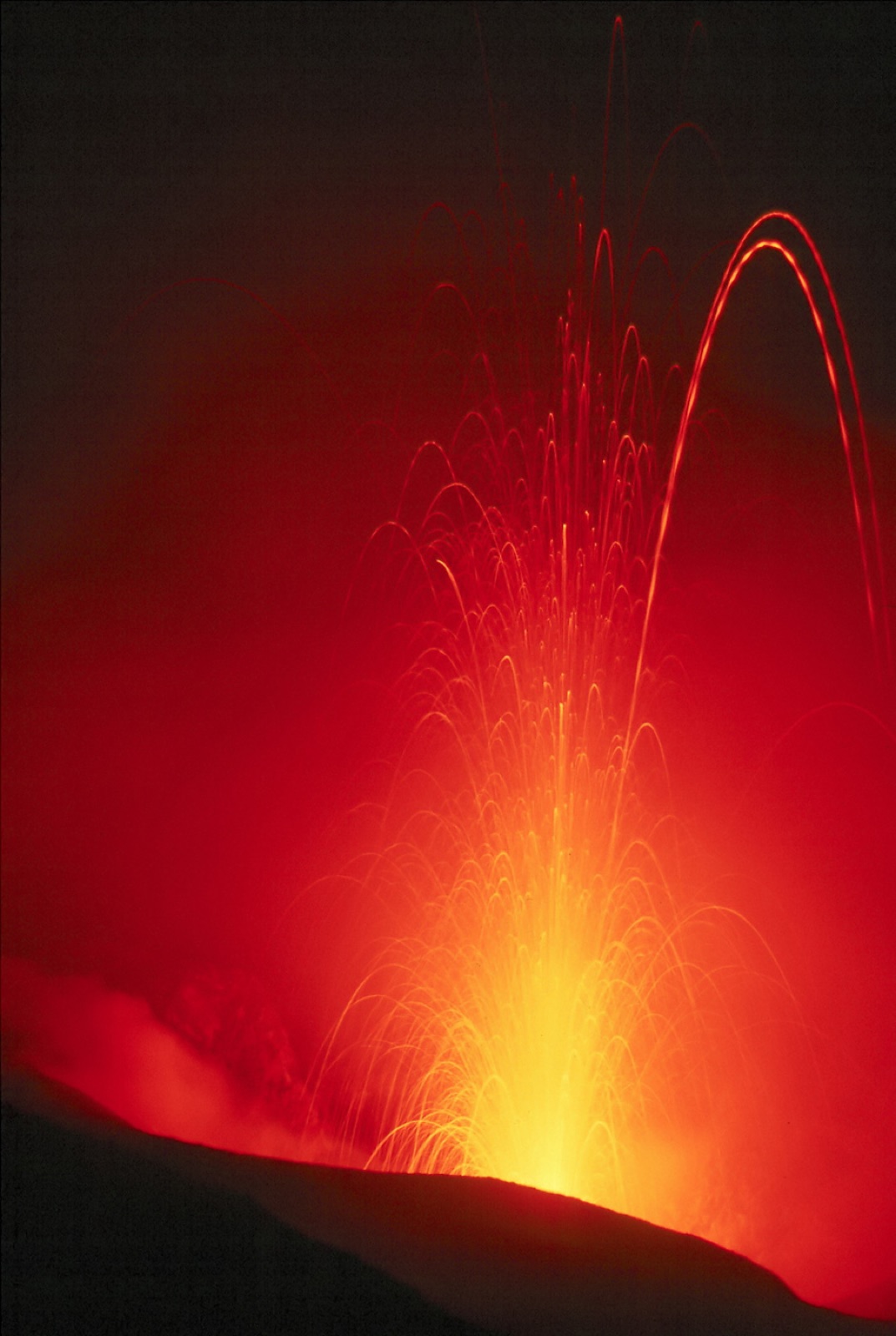
What makes it rare is not that it erupts but that it never really stops. Stromboli has been in near-continuous activity for around two thousand years, and without a serious pause since the 1930s. The rhythm is almost domestic. Every ten or twenty minutes the summit vents let go a short, mild burst, flinging incandescent scraps of lava a few hundred metres up before they fall back into the dark. Volcanologists borrowed the island's name for the whole category. A Strombolian eruption now describes this behaviour anywhere on earth, from a cone that taught them the word.
The mountain keeps time better than any clock on the island, and it has never once asked to be watched.
The fire has an address. On the northwest flank a vast scorched chute called the Sciara del Fuoco, the stream of fire, runs from the craters straight down into the sea. Spilled lava and hot rock take that channel and nothing else, which is why a live volcano can sit under a lived-in village at all. San Bartolo and Ginostra keep their backs to the good slope while the mountain empties itself down the ruined one.
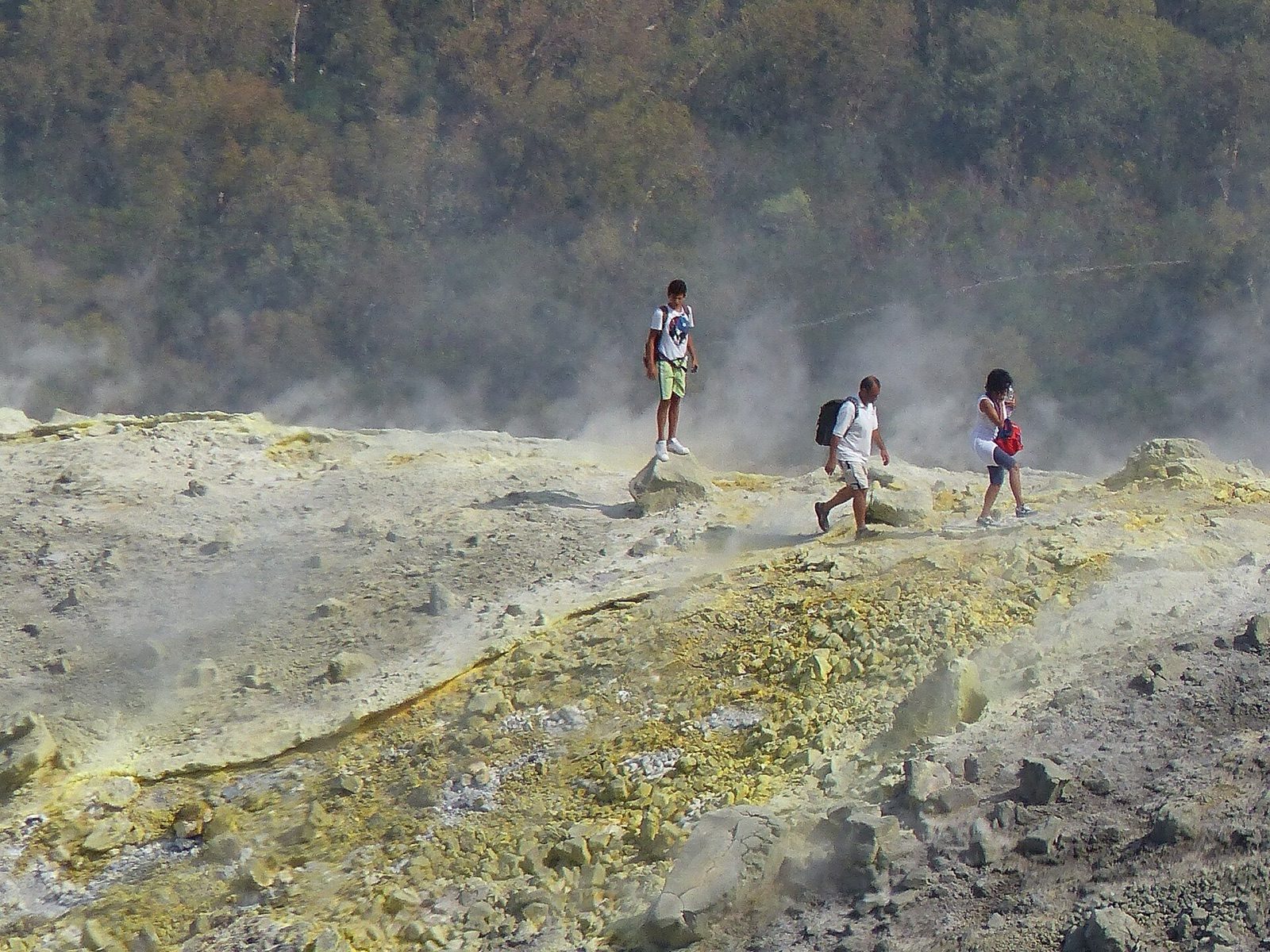
You do not climb to the summit freely any more. After the violent paroxysms of recent years the upper routes come and go with the risk level, and the honest way to read the mountain is from a boat after dark, watching the arcs rise and fall against the water. It is the oldest show in the Mediterranean, and the only one that has never closed. We stayed out until the island was pure black again, waiting for the next flash, which came, as it always does.