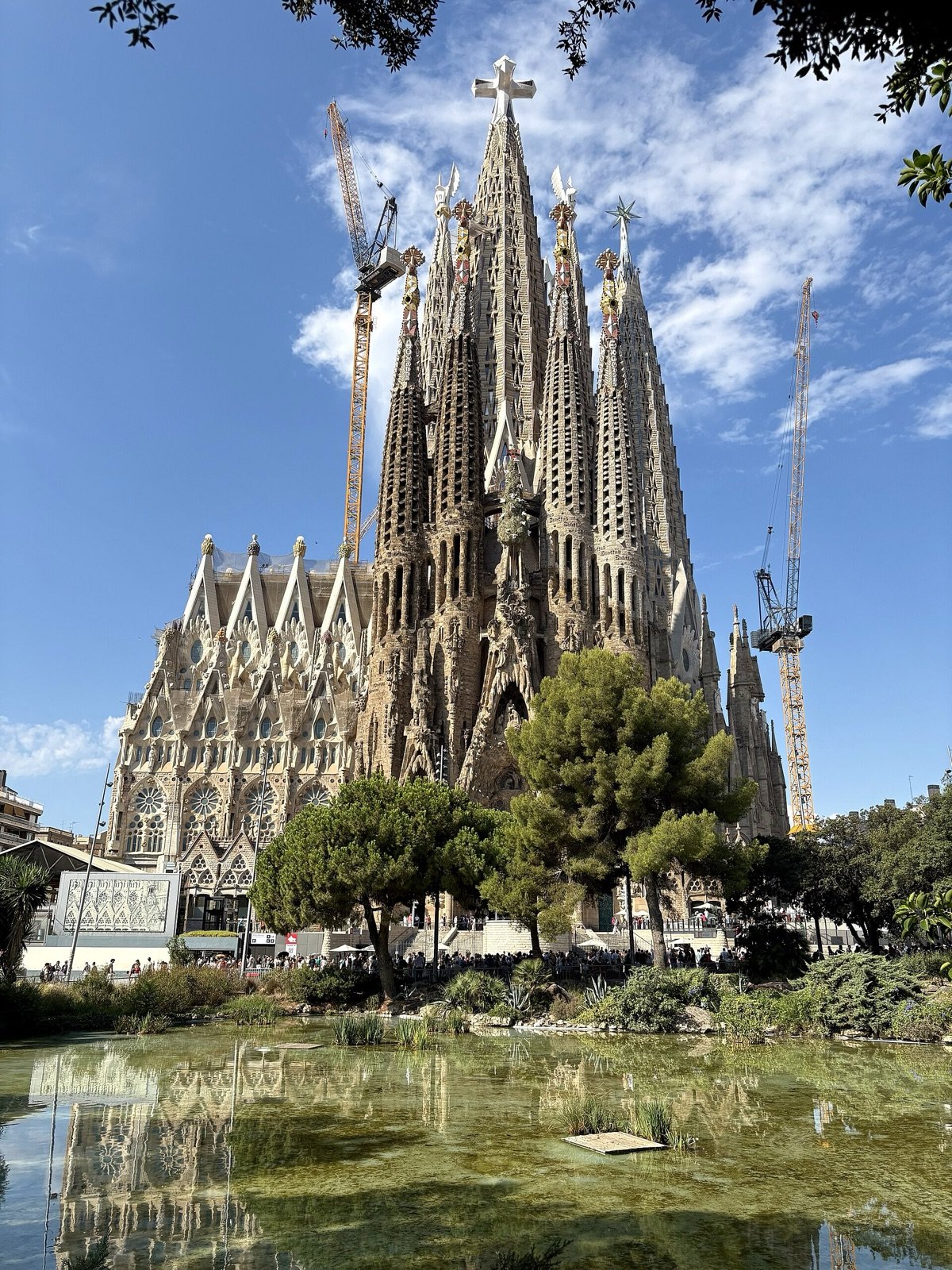
Barcelona has spent a hundred years waiting for this. On 10 June, the centenary of Antoni Gaudi's death, Pope Leo XIV blessed the Tower of Jesus Christ, the last and tallest of the basilica's eighteen spires. At 172.5 metres it lifts the Sagrada Familia above Germany's Ulm Minster, which had held the record since 1890, and makes it the tallest church in the world. The glass cross at its summit went up in February. One hundred and forty-four years after the first stone, the skyline Gaudi carried in his head is finally standing.
We went back for the anniversary and found the lesson waiting. The basilica is not a beginning. It is the sum of everything he built before it, the houses and crypts where he worked out the arches, the light and the stone. Walk them in order and the tower stops looking like a miracle and starts looking like arithmetic. Here is the edit, in the sequence we would give a first-time visitor.
- The Sagrada Familia. Start where the story now ends. The nave was consecrated in 2010, but the central tower only closed the silhouette this year, its cross lit at night so it reads from across the city. Book the earliest slot, before the light goes flat, and climb a facade tower for the view down onto the roofs. UNESCO counts only the Nativity facade and crypt as Gaudi's own hand. The rest is faith kept by other builders.
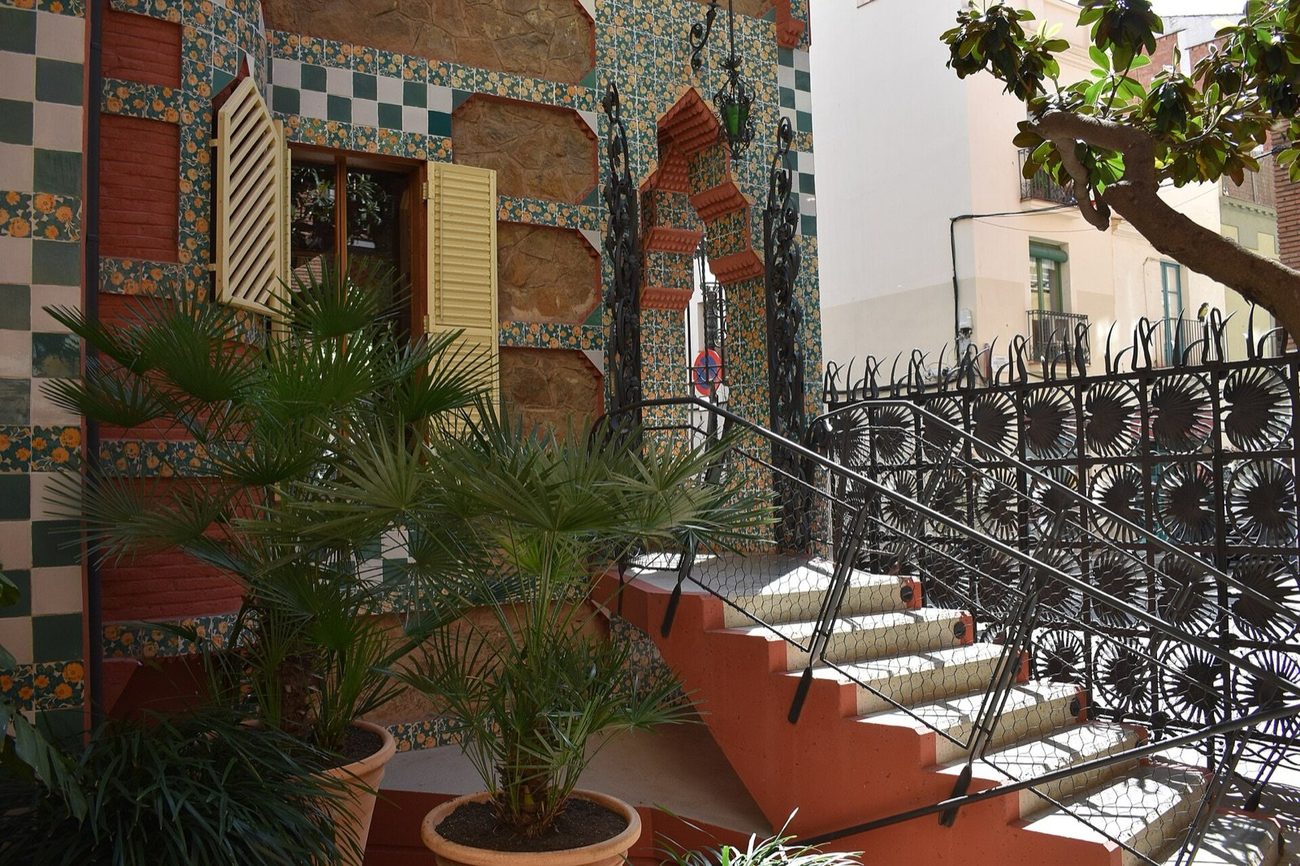
- Casa Vicens. Where it began, in 1883, his first major commission and a World Heritage site since 2005. A summer house up in Gracia, tiled in marigolds and a green chequerboard, Moorish and botanical at once. It only opened to the public in 2017, so it stays quieter than the grand houses. The whole later career sits here in embryo.
- Casa Batllo. On Passeig de Gracia, the house of bones. Between 1904 and 1906 Gaudi reworked an existing block into a facade of skull-like balconies under a scaled roof read as the dragon of Saint George. Go late, when the crowds thin and the ceramic catches low sun. The light well, tiled deep blue at the top and pale below, is the trick the whole building turns on.
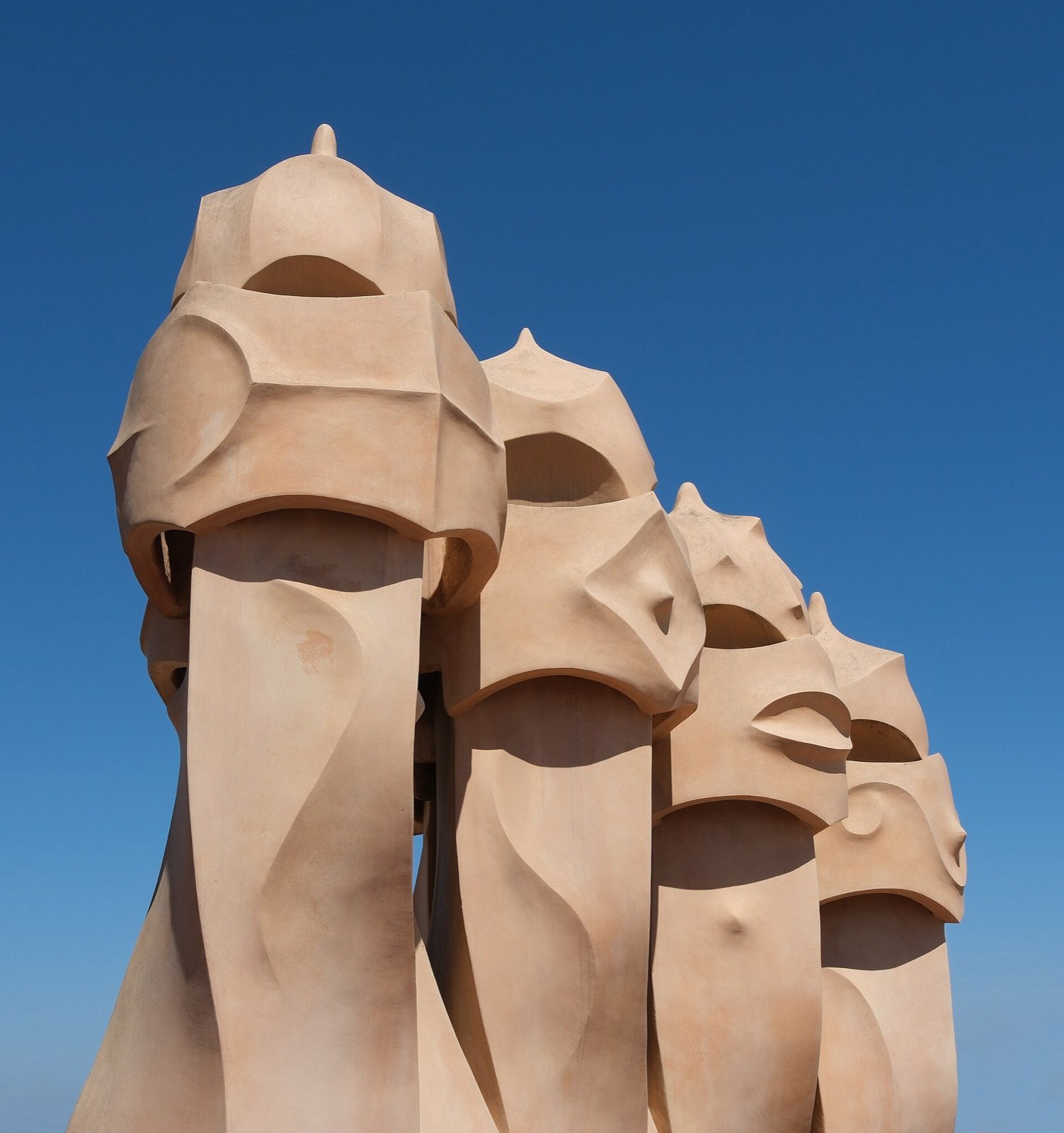
- La Pedrera (Casa Mila). Two blocks north, his last secular work, finished in 1912. A limestone cliff with no straight line on the front and a rooftop of helmeted chimneys nobody tires of photographing. Pay for the evening visit if you can. The roof under floodlight, with the Sagrada Familia glowing to the east, is the clearest sightline between the two halves of this list.
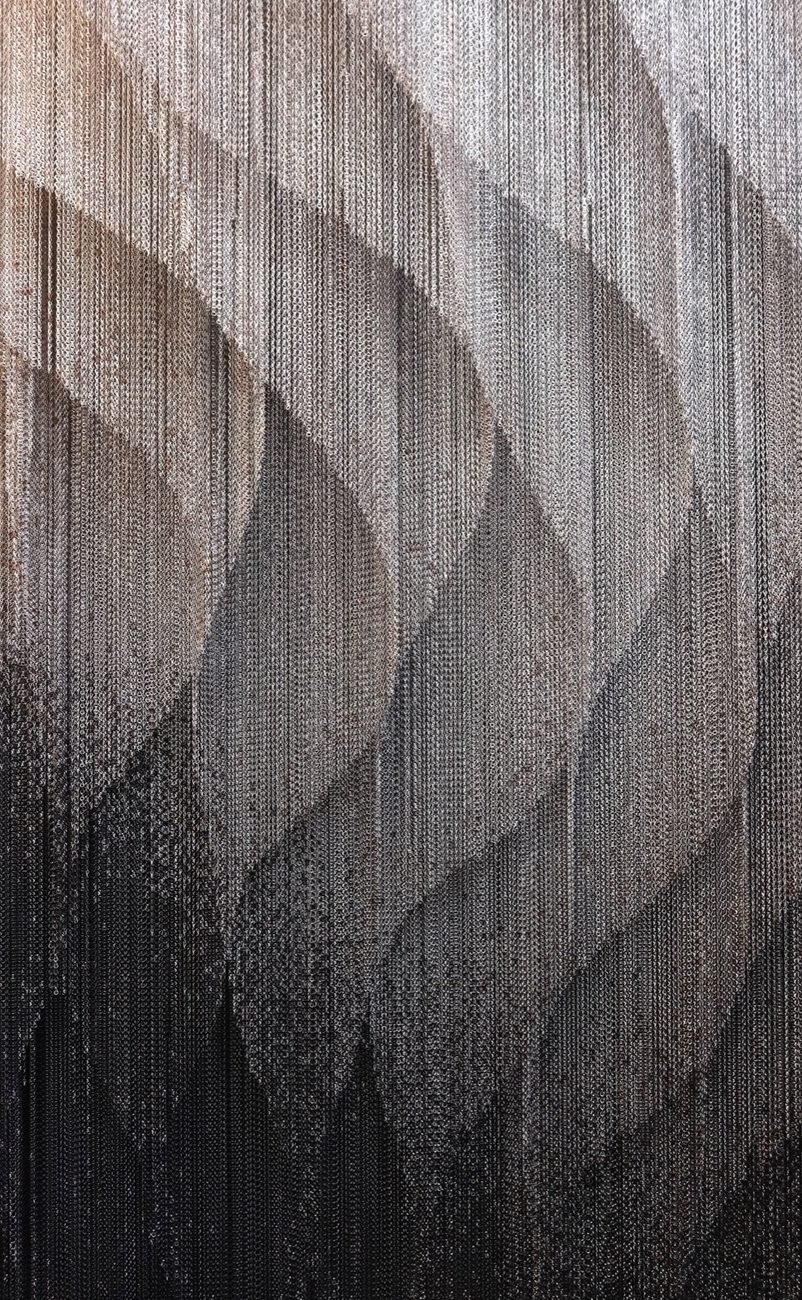
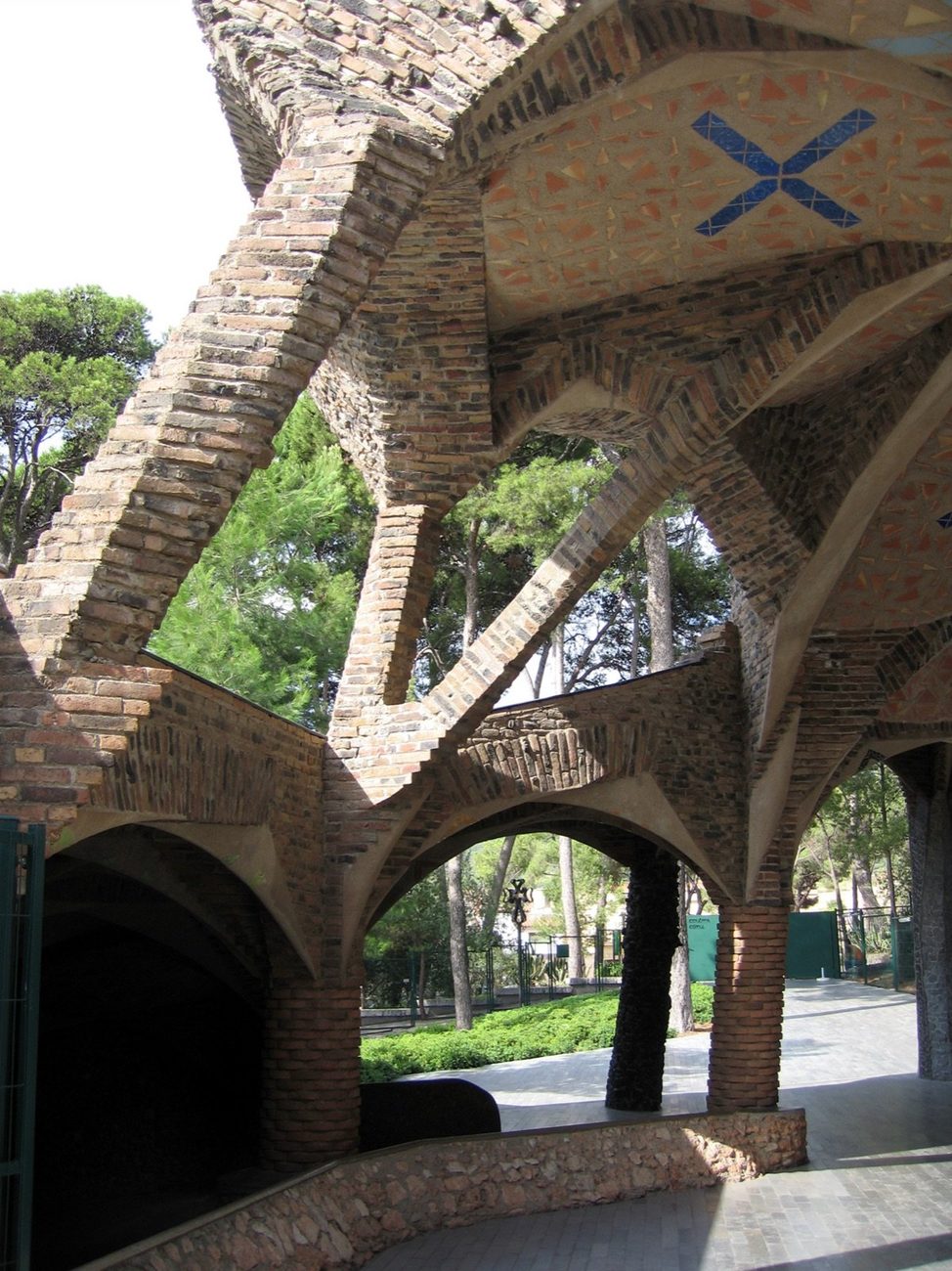
- The Colonia Guell crypt. Worth the short train south to Santa Coloma de Cervello. In this unfinished church, begun in 1908, Gaudi hung a model of strings and little weighted bags upside down to find the exact line of his arches, then photographed it and turned the picture over to read the structure right way up. The vaults now crowning the basilica were rehearsed here first. See it last and the tower makes sense.
The works that led to the tower: Casa Vicens, Casa Batllo, La Pedrera and the crypt at Colonia Guell.
Photos: Canaan, Wikimedia Commons (CC BY-SA 4.0), Alvesgaspar, Wikimedia Commons (CC BY-SA 4.0), Till F. Teenck, Wikimedia Commons (CC BY-SA 2.5).
The Edit is a VANE Bearings column. We choose the way we choose hotels, on our own terms, with no placement bought. Photo: ほっきー, Wikimedia Commons (CC0).
← More from Bearings