A place on the UNESCO World Heritage list is supposed to be honoured for ever. The badge brings recognition, funding, and, almost always, crowds. For a growing number of communities that last part has tipped from blessing into burden, and some have started asking the unthinkable: to be taken off the list.
Delisting is rare. UNESCO has struck only a handful of sites in its history, and usually for development that ruined them rather than at a community's request. The first, Oman's Arabian Oryx Sanctuary in 2007, came after the country shrank the reserve by ninety per cent to drill for oil. But the argument has moved on. The threat now is not only the bulldozer. It is the visitor.
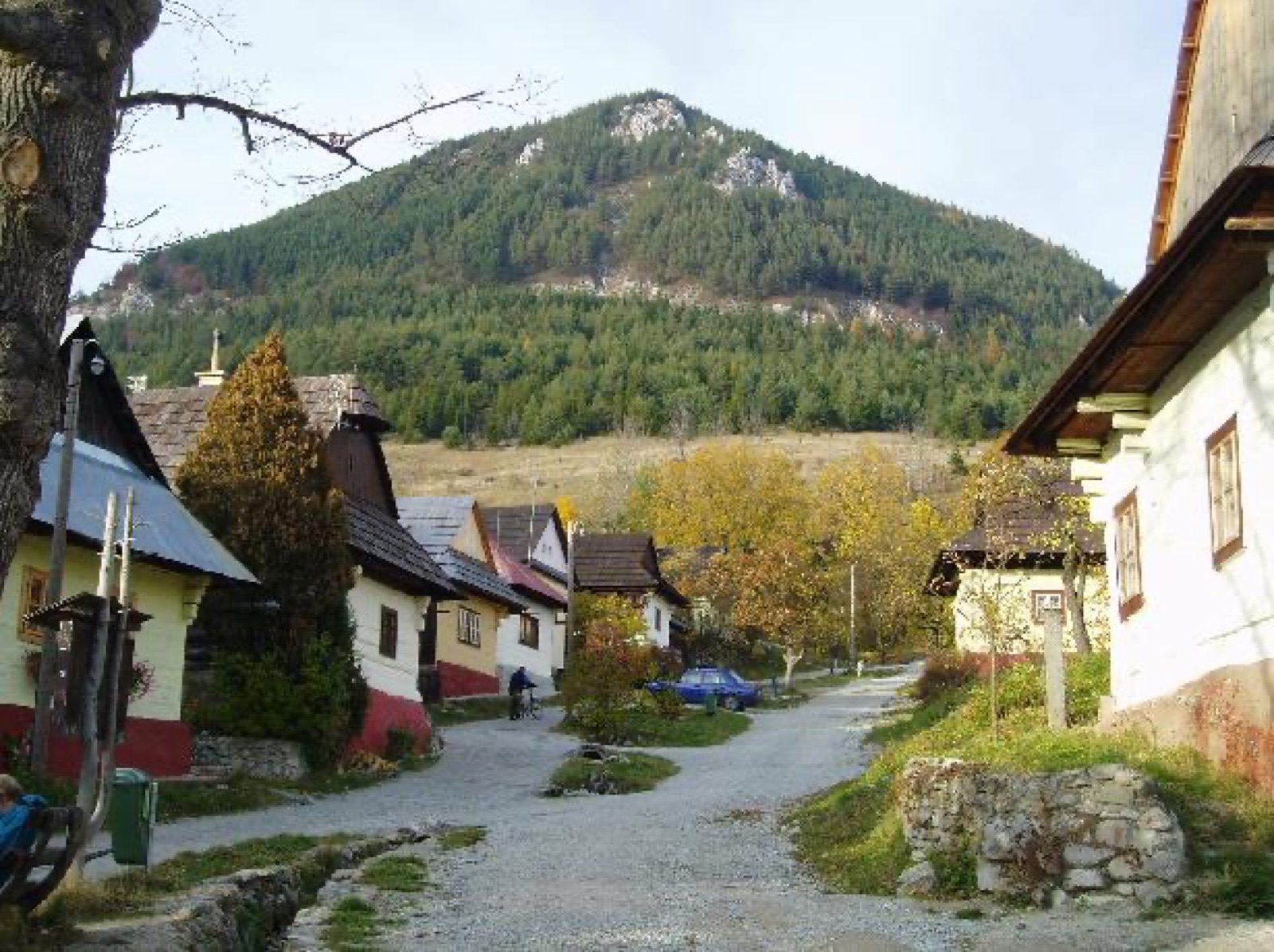
- Vlkolínec, Slovakia. A wooden hamlet of barely twenty residents, listed in 1993, that now draws well over a hundred thousand visitors a year. The villagers say the recognition turned their daily life into an exhibit, and have raised the idea of leaving the list to get their village back.
- Ngorongoro, Tanzania. Here the fight is not crowds but rights. Conservation rules tied to the listing have squeezed the Maasai off ancestral grazing land. The objection is blunt: a status that guards the crater while displacing the people who shaped it is protecting the wrong thing.
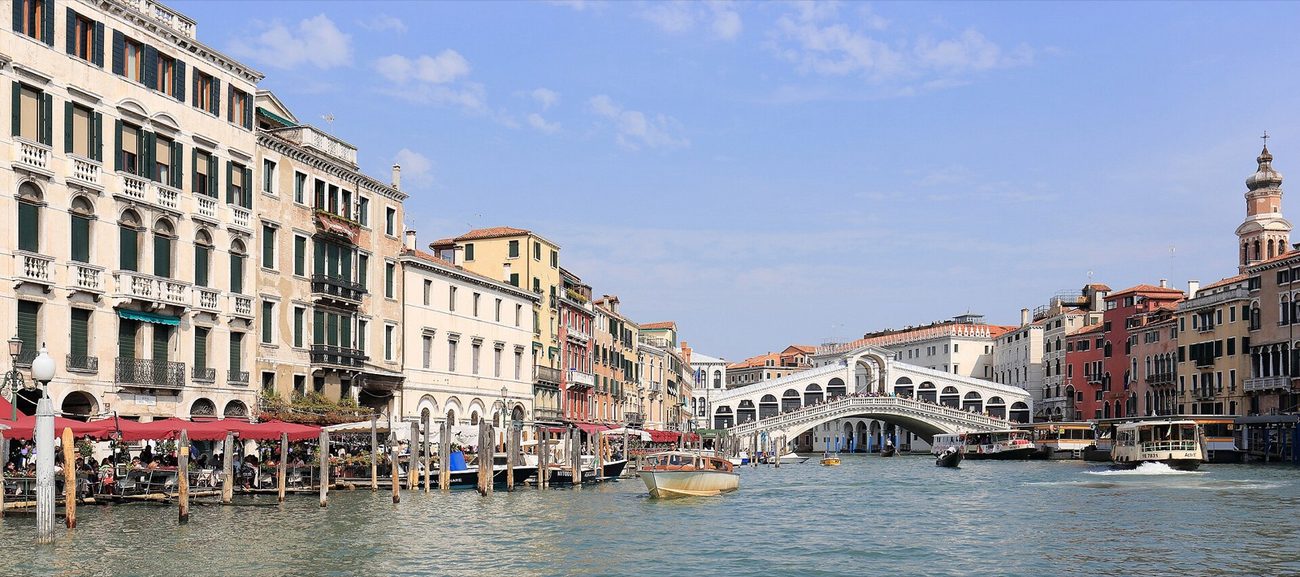
- Venice, Italy. Listed in 1987, and losing Venetians ever since. Rents climb, homes turn into short-lets, and the lagoon city drifts towards being a backdrop with no cast. UNESCO has repeatedly moved to put it on the In Danger list, a verdict Venice keeps narrowly talking its way out of.
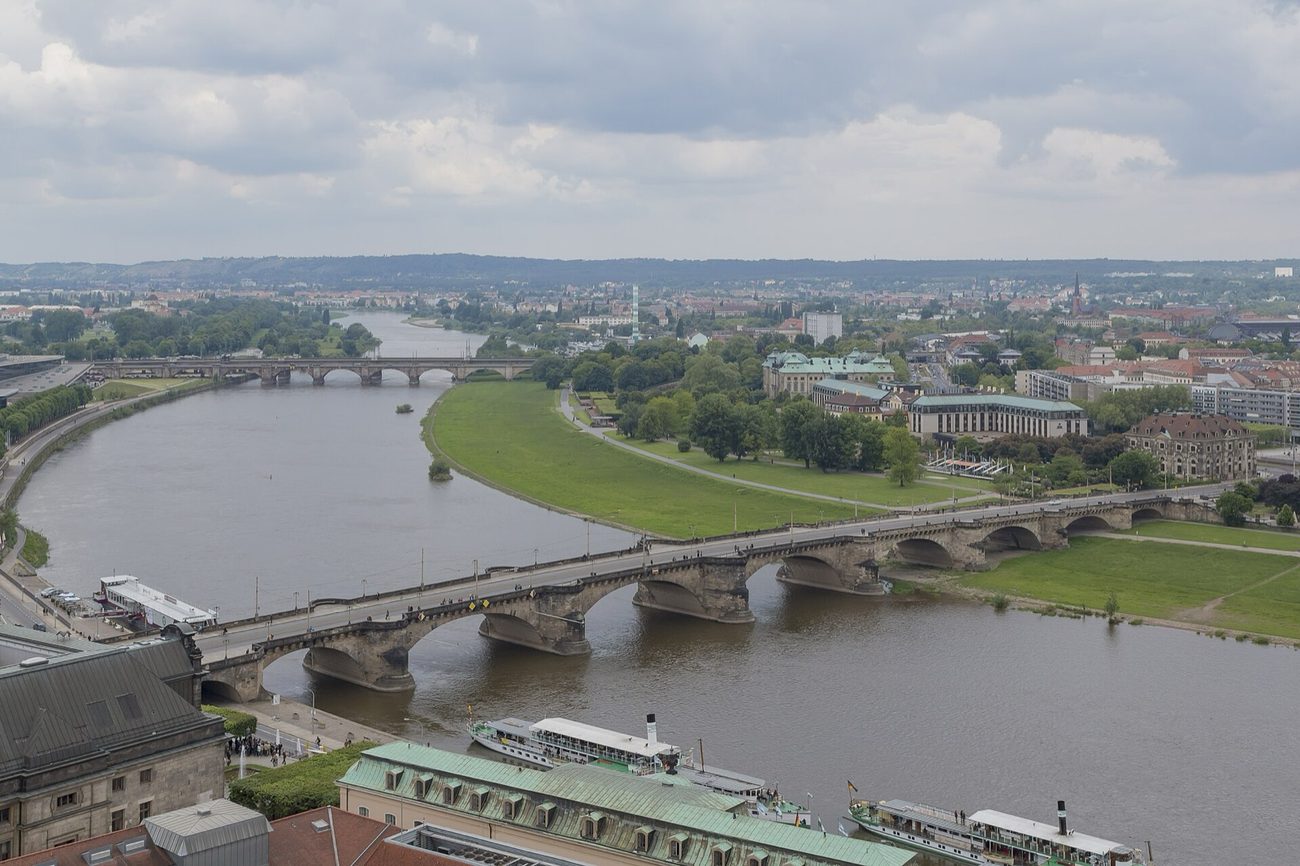
- Dresden Elbe Valley, Germany. The cautionary tale. In 2009 Dresden chose to build a four-lane bridge across its listed river landscape, and UNESCO struck the valley from the list rather than bless the change. The city kept the bridge. It remains one of only a few places ever delisted.
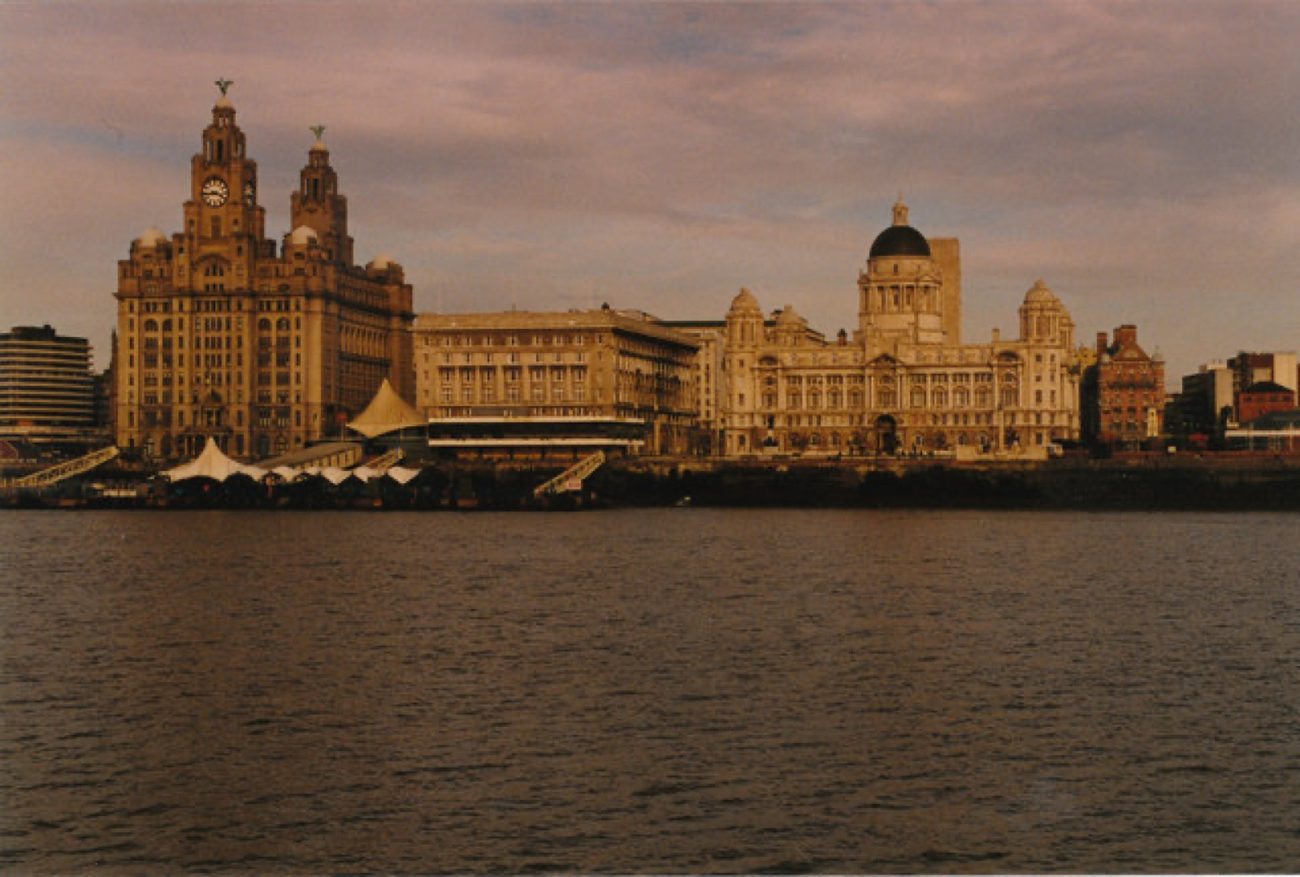
- Liverpool Waterfront, England. Removed in 2021 after years of warnings over dockside development. The lesson nobody expected: the tourists stayed. Liverpool trades on the Beatles and its football far more than on a plaque, and life, and visitors, carried on without it.
Cities, even historic ones, are not museums. They are living environments, places where people live, work, and move.
Peter DeBrine, UNESCO World Heritage Centre
Four sites where the World Heritage badge became a burden or was lost outright: Venice, the Ngorongoro crater, the Dresden Elbe valley, and the Liverpool waterfront.
Photos: Martin Falbisoner, Wikimedia Commons (CC BY-SA 4.0), Giles Laurent, Wikimedia Commons (CC BY-SA 4.0), CEphoto, Uwe Aranas, Wikimedia Commons (CC BY-SA 3.0), Stephen Halpin, Wikimedia Commons (CC BY-SA 2.0).
The Edit is a VANE Bearings column. We choose the way we choose hotels. On our own terms, with no placement bought. Photo: Unknown, Wikimedia Commons (Copyrighted free use).
← More from Bearings