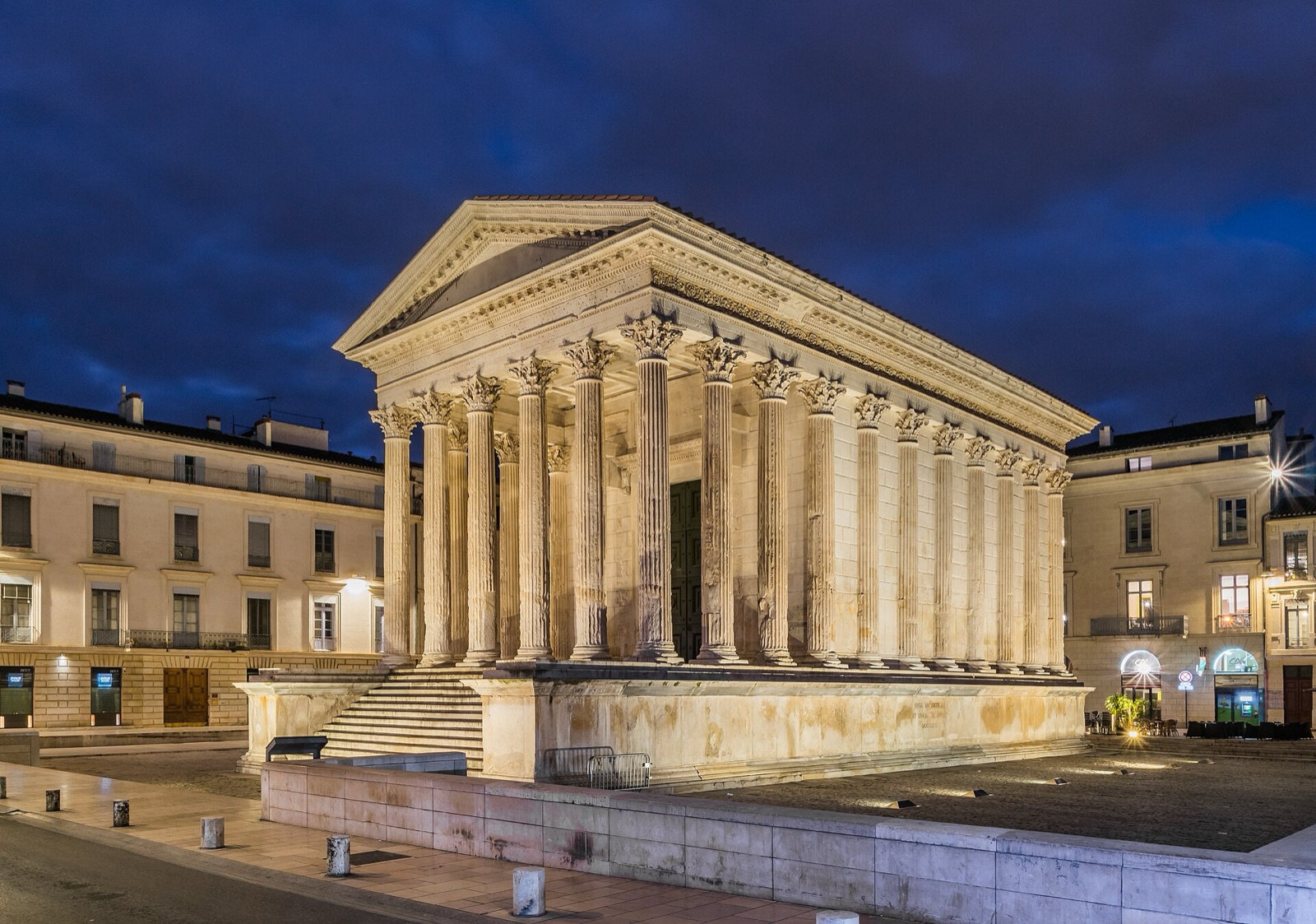
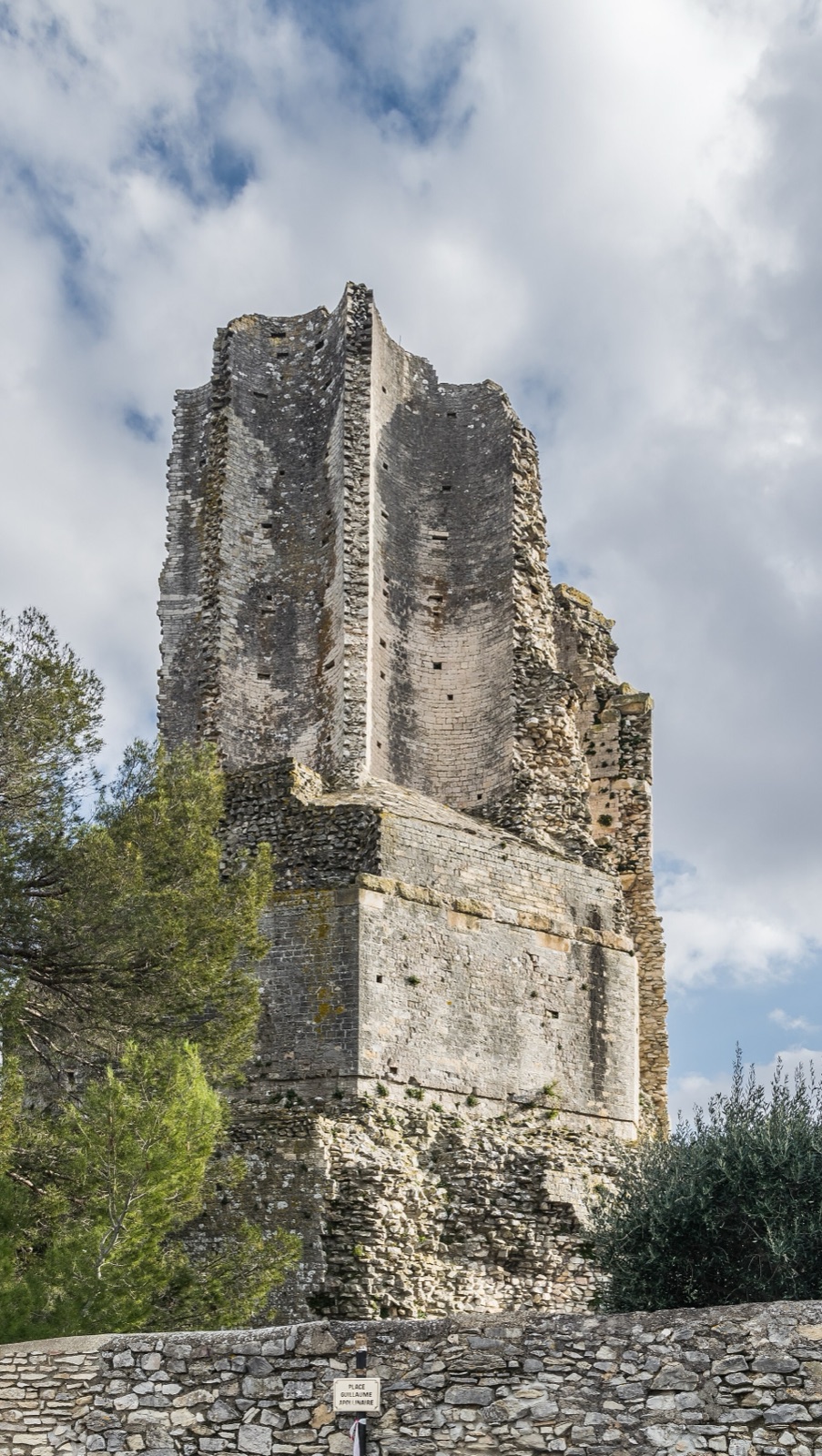
Nîmes has never needed to borrow its Romanness. The Maison Carrée still stands whole, the arena still fills through the summer, and the Tour Magne keeps its watch over the garrigue. So there is something quietly confident in the way the city has invited the Louvre down. From 11 June 2026 the Musée de la Romanité, the glass-draped building that faces the amphitheatre across the square, holds work from the Paris collection until 10 January 2027.
The show is called L'art romain du Louvre. Un monde d'images, and the title does the arguing. Nearly a hundred pieces from the Louvre's antiquities department have come south. Few arrive as trophies of beauty. Most once did work, in kitchens and courts and cemeteries. The premise is simple and, for a museum, faintly heretical. Roman art was rarely made to be admired.
- A hundred works, one department. The loan comes from the Louvre's department of Greek, Etruscan and Roman antiquities, the AGER, which holds one of the deepest ancient collections anywhere. Around a hundred pieces travel to Nîmes, a rare unshackling of Paris marble that the provinces almost never get to see.
- Never art for its own sake. The curators break with the collectors' habit of prizing a Roman figure for its line and its finish. Here a statue is first a message, a portrait first a claim to power. Look at the object, then ask what it was for. The answer is usually louder than the craft.
- The everyday, in bronze and terracotta. Much of Rome's imagery lived in the house and the market: lamps, mirrors, dishes, the small gods of the doorway. The exhibition gives these the same standing as the grand heads, which is the whole point. A civilisation shows itself in what it made without thinking.
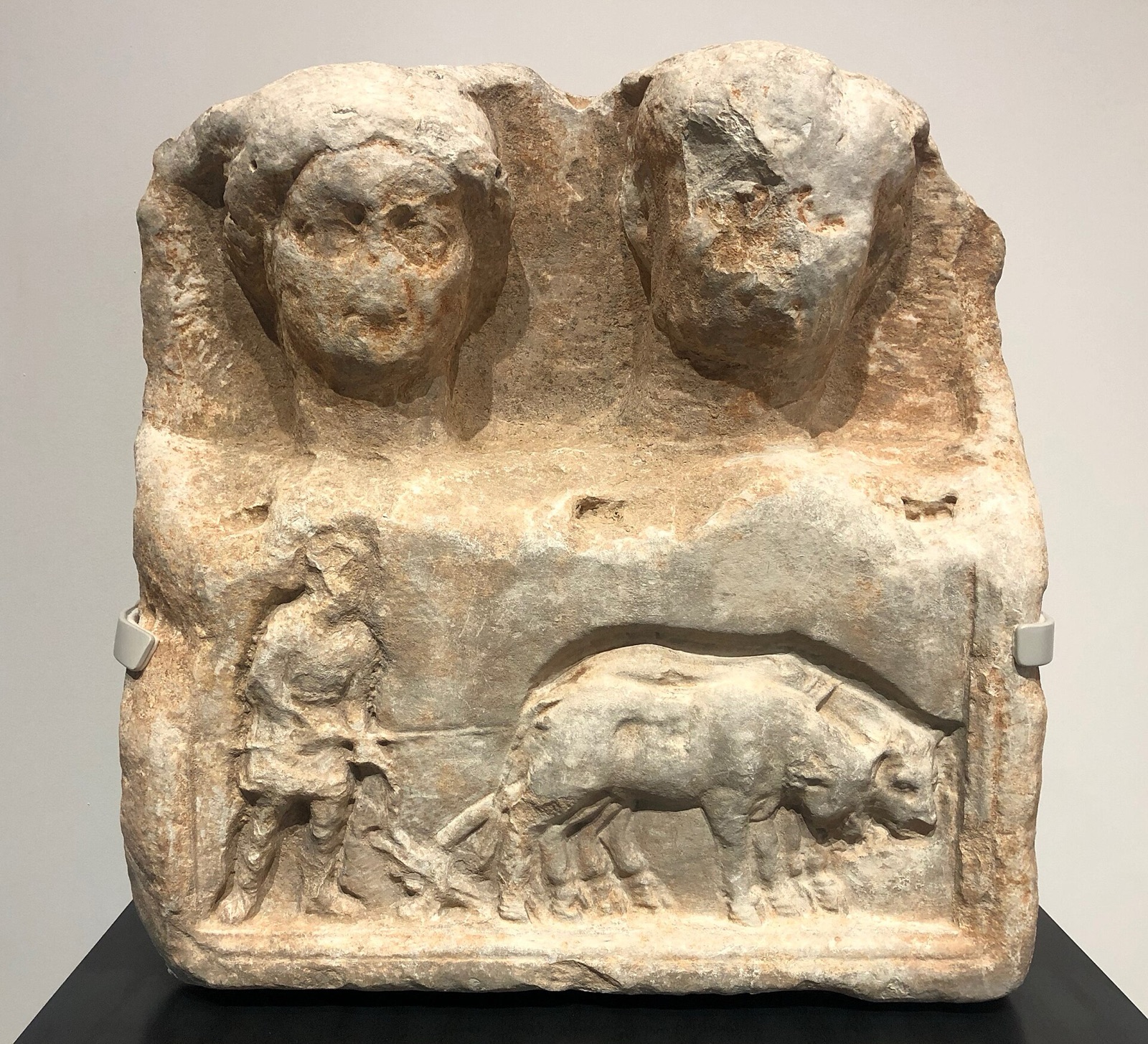
- Faith you could hold. Funerary reliefs, votive figures, the paraphernalia of belief. Roman religion was practical and physical, a matter of offerings and images more than doctrine, and the objects gathered here carry that weight. They were meant to be used, not contemplated behind glass.
- A dialogue with the city outside. This is why Nîmes is the right room for it. Step out and the arena, the Maison Carrée and the Tour Magne finish the sentence the show begins. It runs until 10 January 2027, long enough to catch after the summer crowds thin and the light goes low.
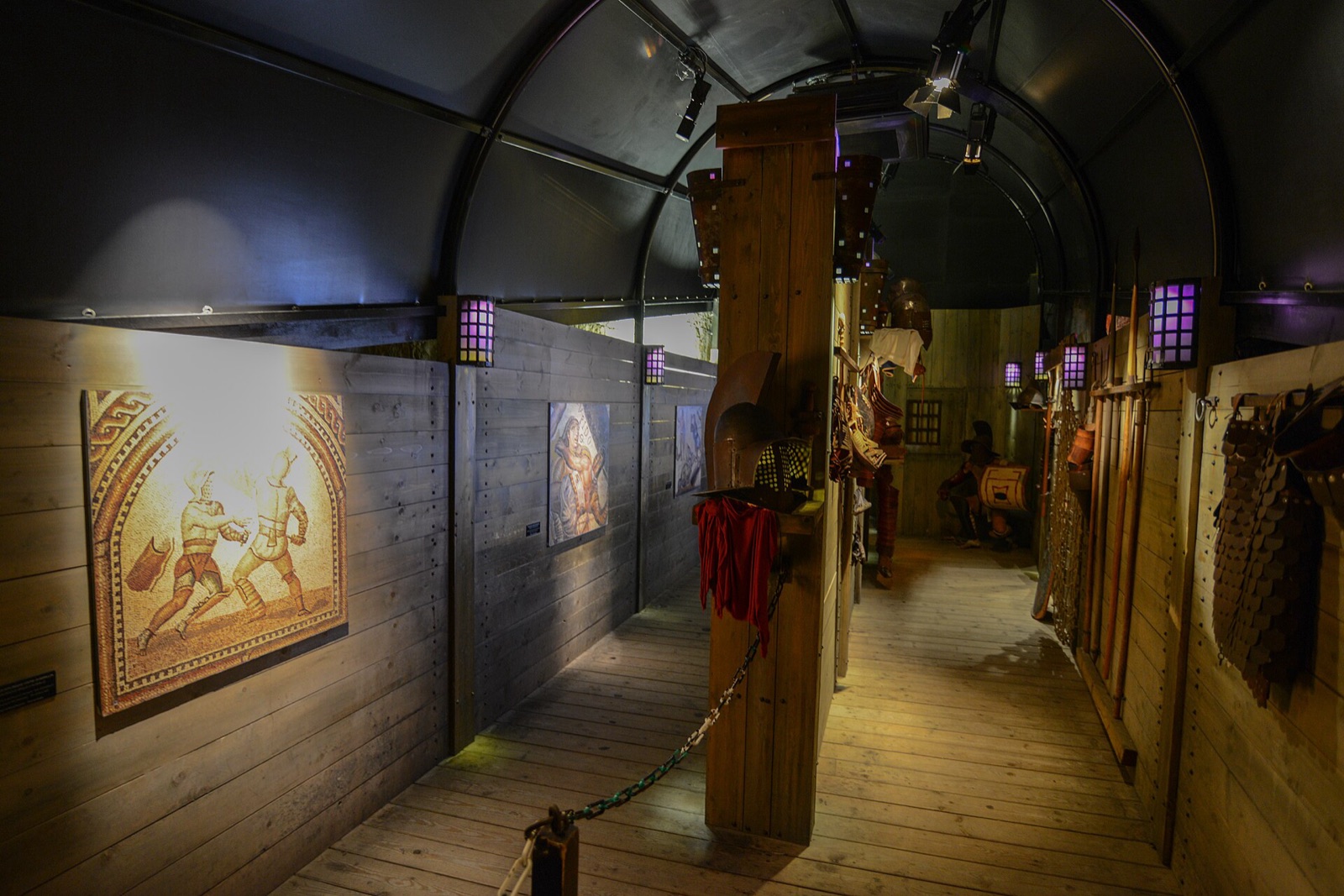
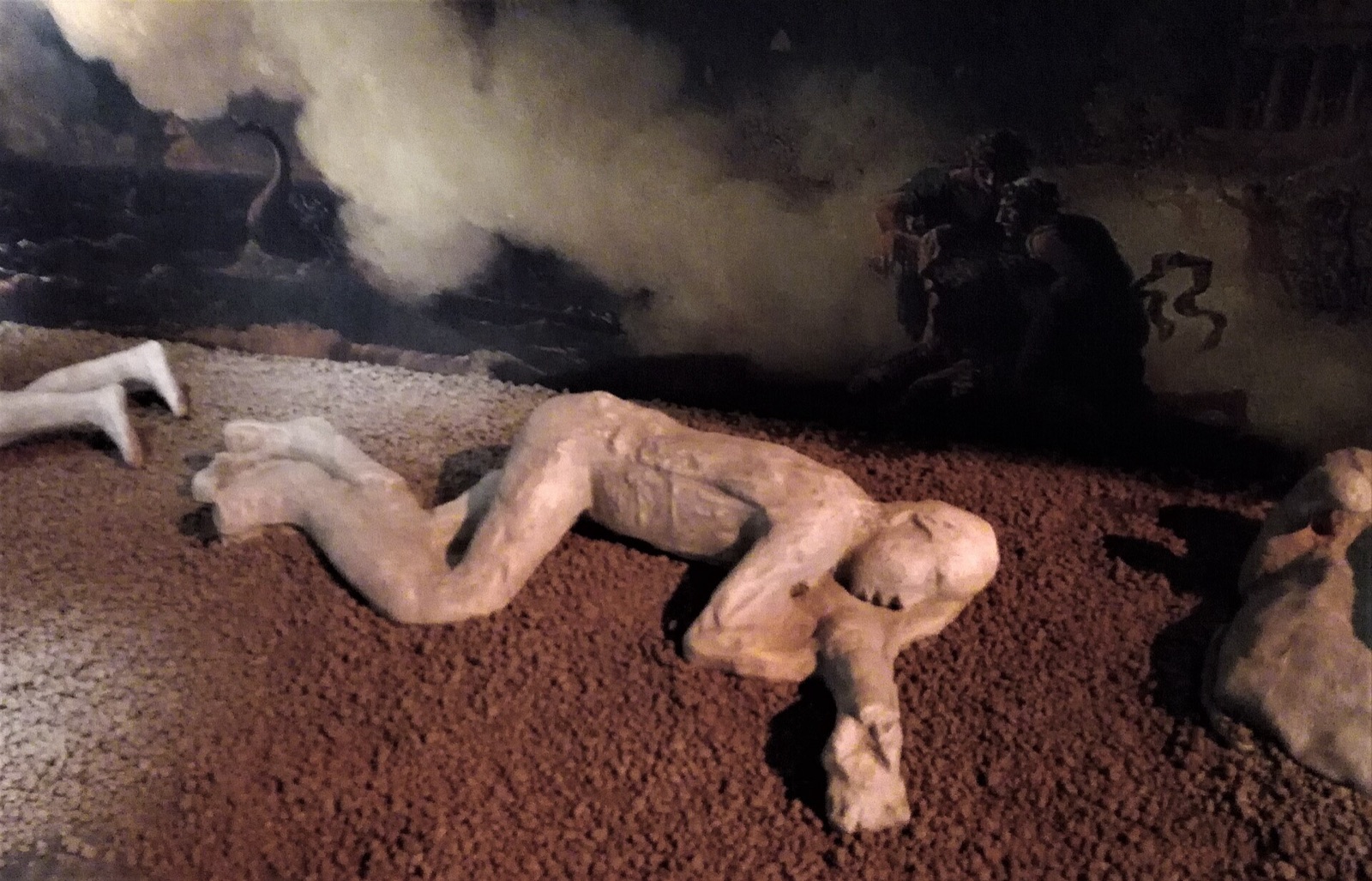
The Roman city that hosts the loan: the arena, the Musée de la Romanité, a stele from its own collection, and the Tour Magne above the town.
Photos: Jorge Láscar from Melbourne, Australia, Wikimedia Commons (CC BY 2.0), Celeda, Wikimedia Commons (CC BY-SA 4.0), Christelle Molinié, Wikimedia Commons (CC BY-SA 4.0), Krzysztof Golik, Wikimedia Commons (CC BY-SA 4.0).
The Edit is a VANE Bearings column. We choose the way we choose hotels, on our own terms, with no placement bought. Photo: Krzysztof Golik, Wikimedia Commons (CC BY-SA 4.0).
← More from Bearings