The town died on a January night in 1968, when the Belice earthquakes flattened a string of villages in western Sicily and killed more than 300 people. Gibellina was one of them. What its survivors did next is the reason we are writing about it now.
They did not rebuild on the ruins. They moved a few miles down the valley, raised a new town, Gibellina Nuova, and asked artists rather than planners to give it a face. The mayor, Ludovico Corrao, spent the 1970s and 80s inviting Italy's sculptors and architects to work here, and the valley now holds around 5,000 works of art for a population of some 3,600. On 15 January 2026, the anniversary of the quake, Gibellina became Italy's first Capital of Contemporary Art, the same year Matera holds the Mediterranean Capital of Culture. Buildings shut for decades are opening their doors. Here are five we would plan a visit around.
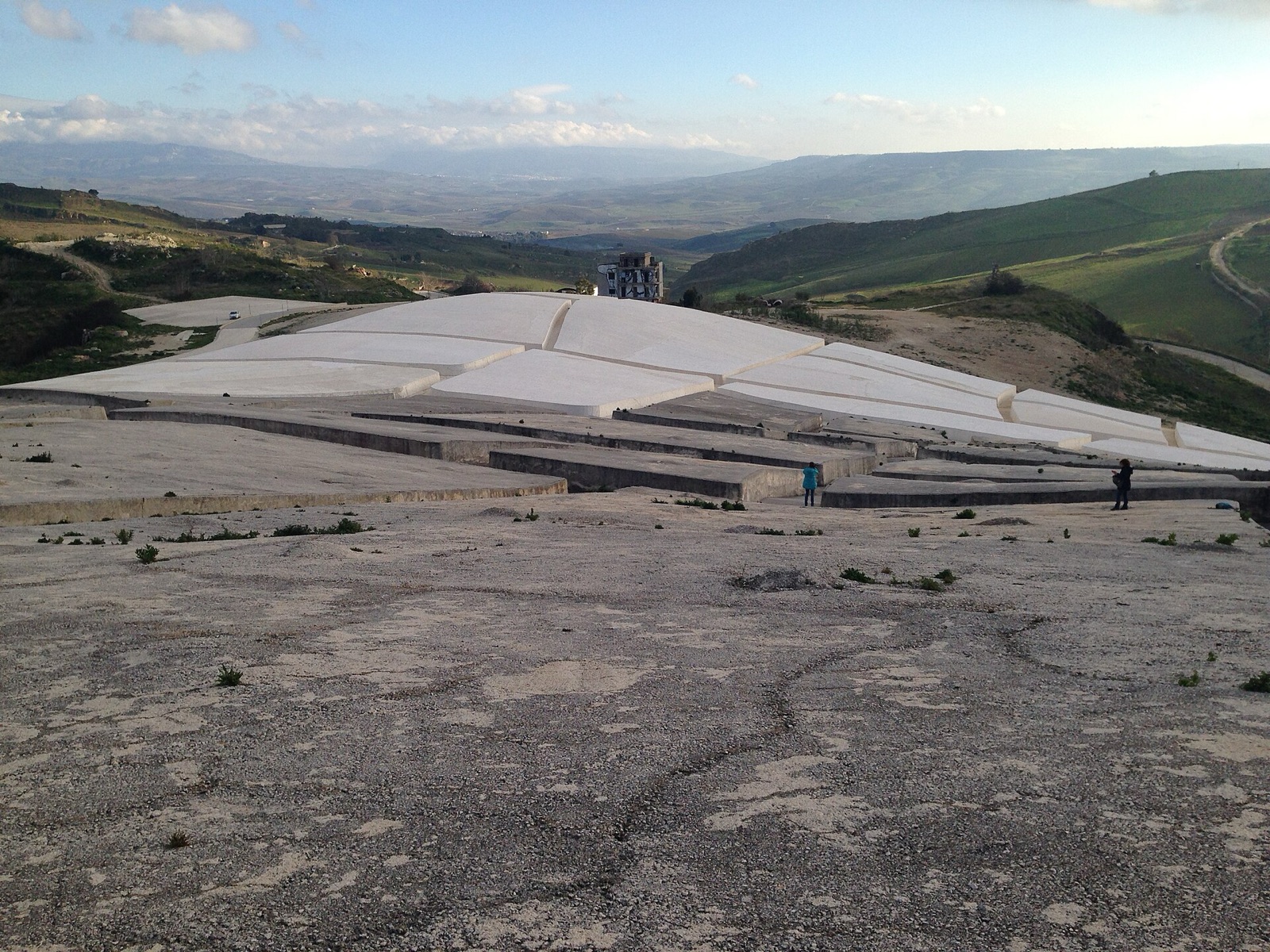
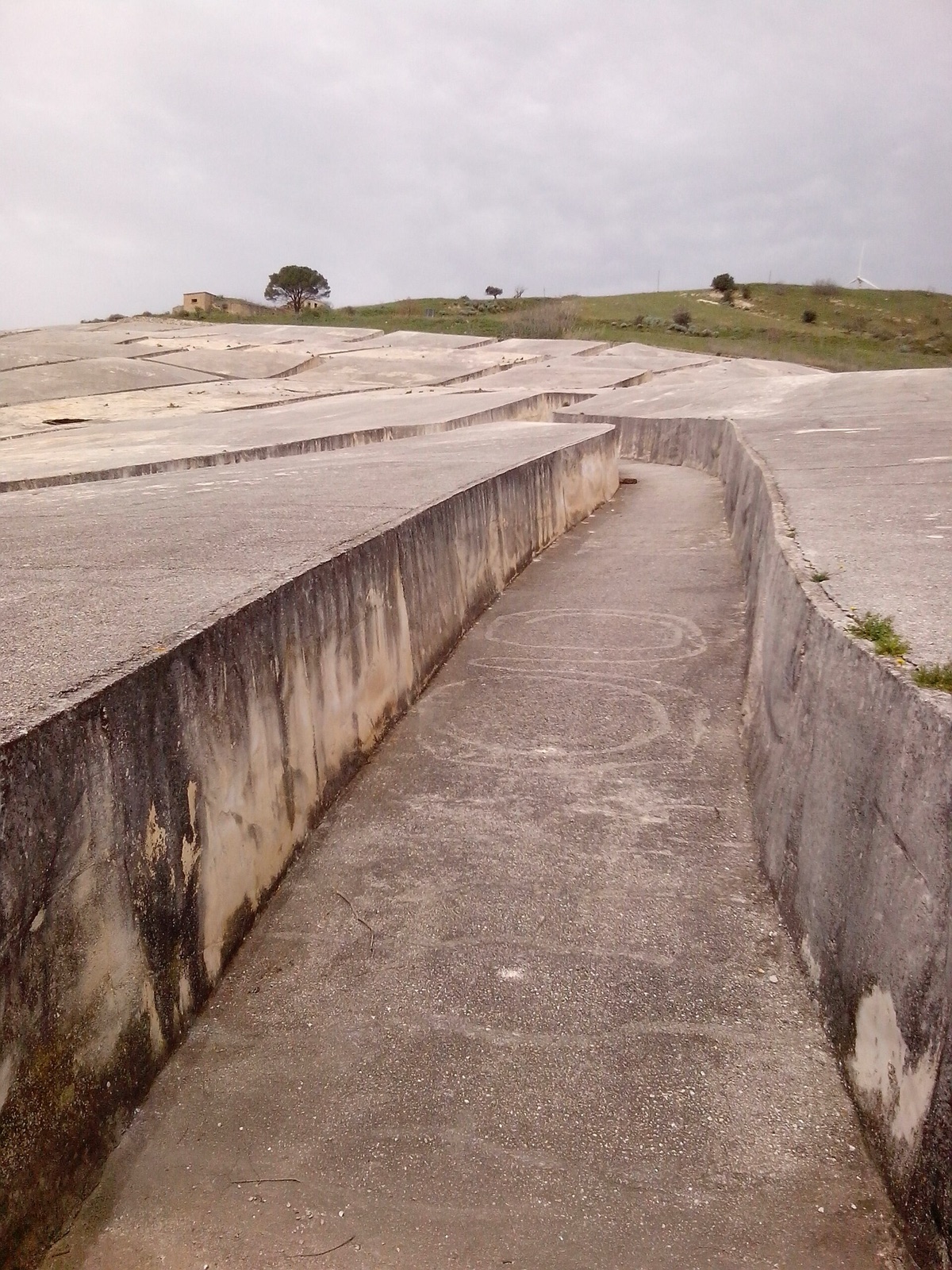
- Il Grande Cretto, over the old town. Six miles uphill lie the ruins of the original Gibellina, and Alberto Burri covered them. The Grande Cretto is 86,000 square metres of white concrete poured over the dead streets, following their exact plan, so that you walk the old alleys as corridors between chest-high walls. Burri began in 1985 and left it unfinished for lack of funds; it was completed only in 2015, the centenary of his birth. Free, open air, and reached by car.
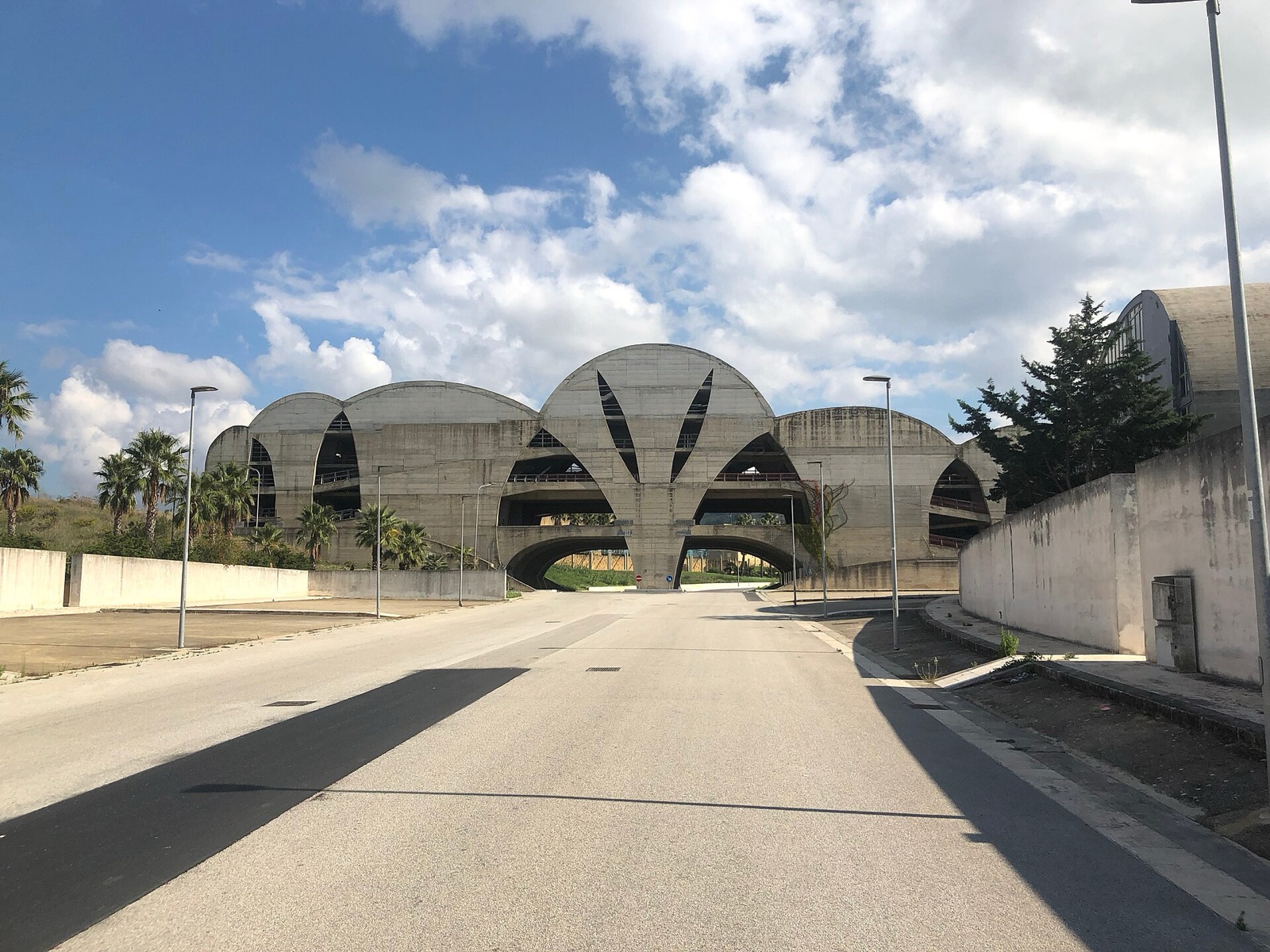
- Teatro di Consagra, open at last. Pietro Consagra designed a theatre like a great grey wave pierced by oval holes, then died before it was built. For years it stood as one of the reconstruction's famous unfinished works. For the Capital year it opened to the public for the first time, on 15 January, and now holds an installation by the video artists Masbedo with Adrian Paci. The final fit-out is still to come.
- Belice Epicentro della Memoria Viva. The new town's museum of the earthquake, where the story is told without varnish. This year it shows fresh commissions from artists who grew up in the aftermath, among them Rossana Taormina, whose neon spells the word memoria and then lets the letters fail, one by one, into the dark. Start here before you drive up to the Cretto.
- Fondazione Orestiadi. Corrao's own foundation sits among the sculptures, holding his collection of contemporary and Mediterranean art and running much of the year's programme; his daughters now co-direct it. It is the clearest window onto the conviction that built the place, that art could carry a town through what politics could not.
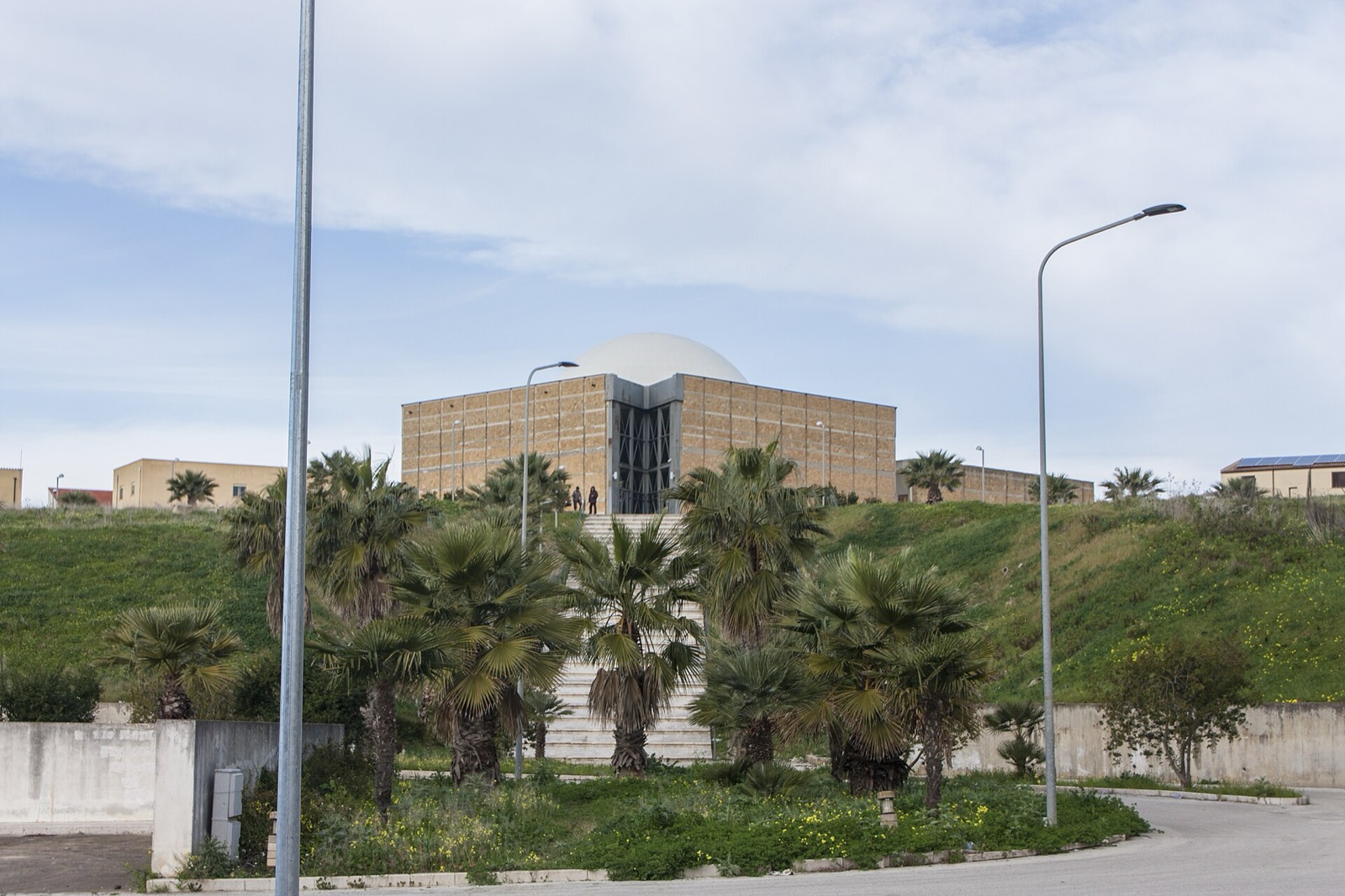
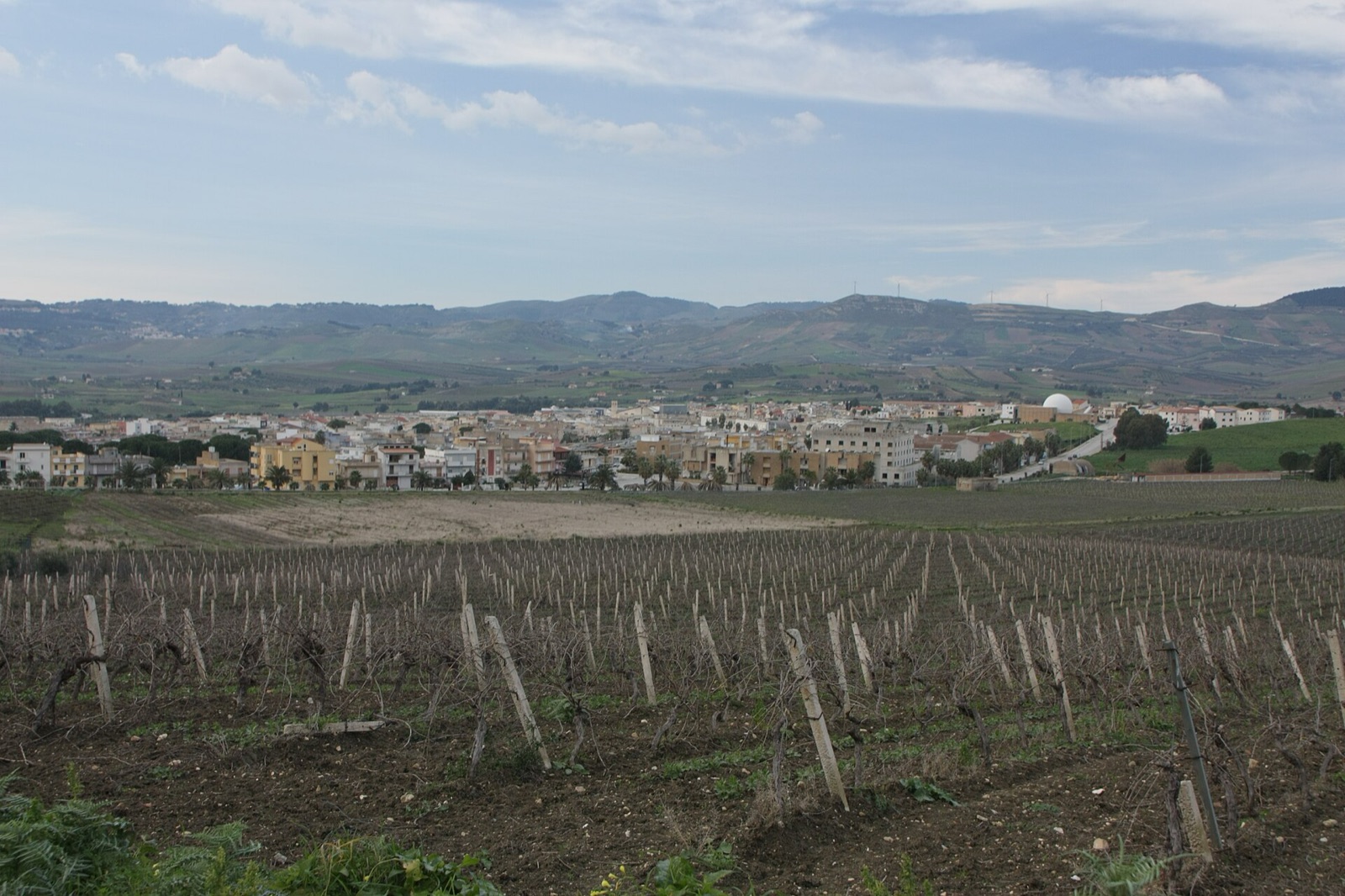
- The town itself. Do not rush past the streets. A vast steel star by Consagra straddles the road in, a white sphere of a church rises over low grey housing blocks, and outsized sculptures turn up between the apartments like furniture left by giants. The whole of Gibellina Nuova is the gallery, and in 2026 more of its doors than usual are open.
Only art could save the soul of Gibellina.
Antonella Corrao, Fondazione Orestiadi
The Grande Cretto over old Gibellina, Pietro Consagra's theatre, the sphere church of Gibellina Nuova, and the new town in the Belice valley.
Photos: Civa61, Wikimedia Commons (CC BY-SA 3.0), Davide Mauro, Wikimedia Commons (CC BY-SA 4.0).
The Edit is a VANE Bearings column. We choose the way we choose hotels, on our own terms, with no placement bought. Photo: Davide Mauro, Wikimedia Commons (CC BY-SA 4.0).
← More from Bearings