Field Notes
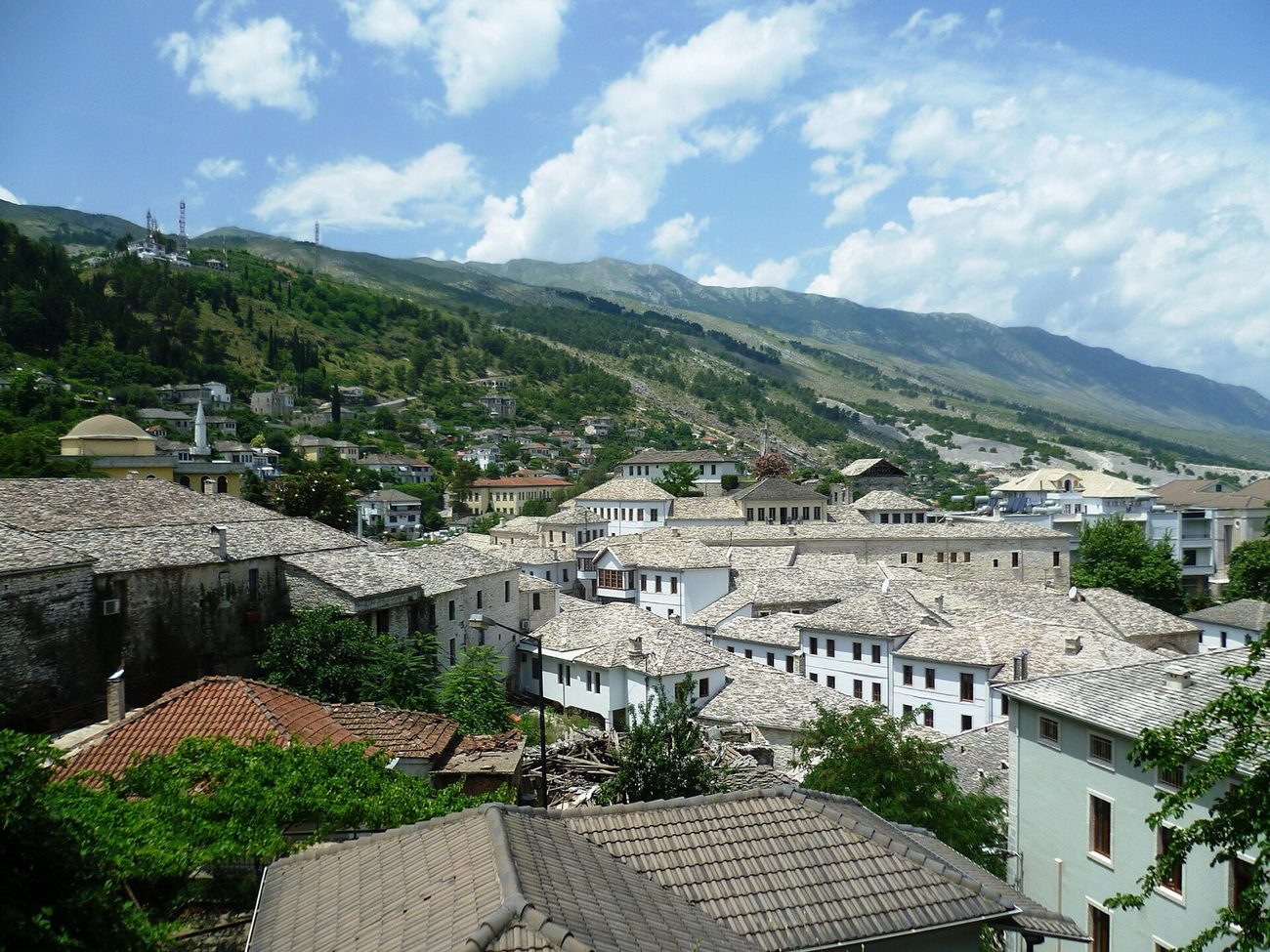
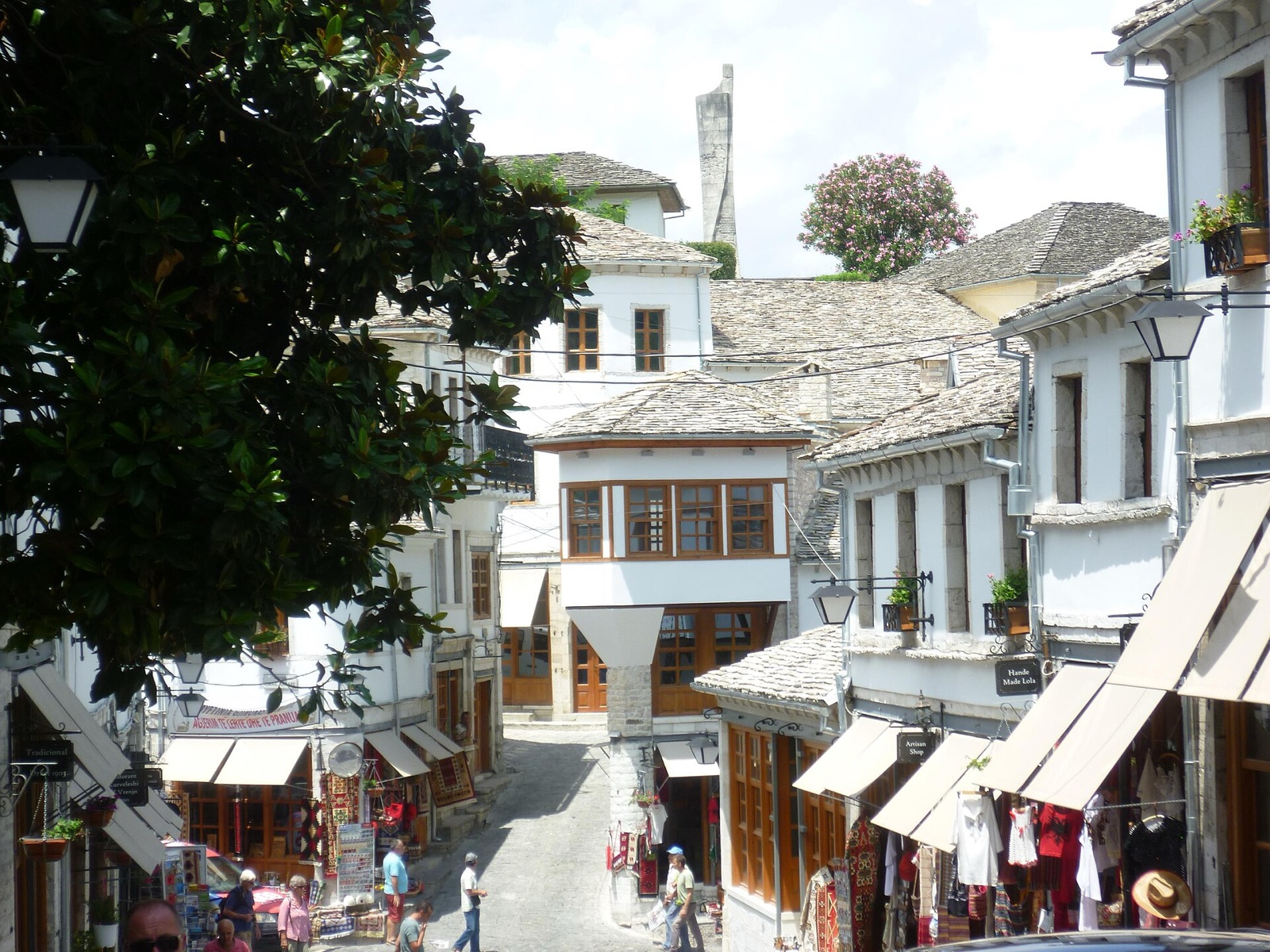
The first sight of Gjirokastër is of a hillside that has turned to slate. From the floor of the Drino valley the town climbs in tiers, and every roof is a field of flat grey stone, laid like fish scales against the rain. Even in August the light up here is cool and mineral. We came in on the old road from the south, and the whole place read as a single material, quarried from the mountain it sits on.
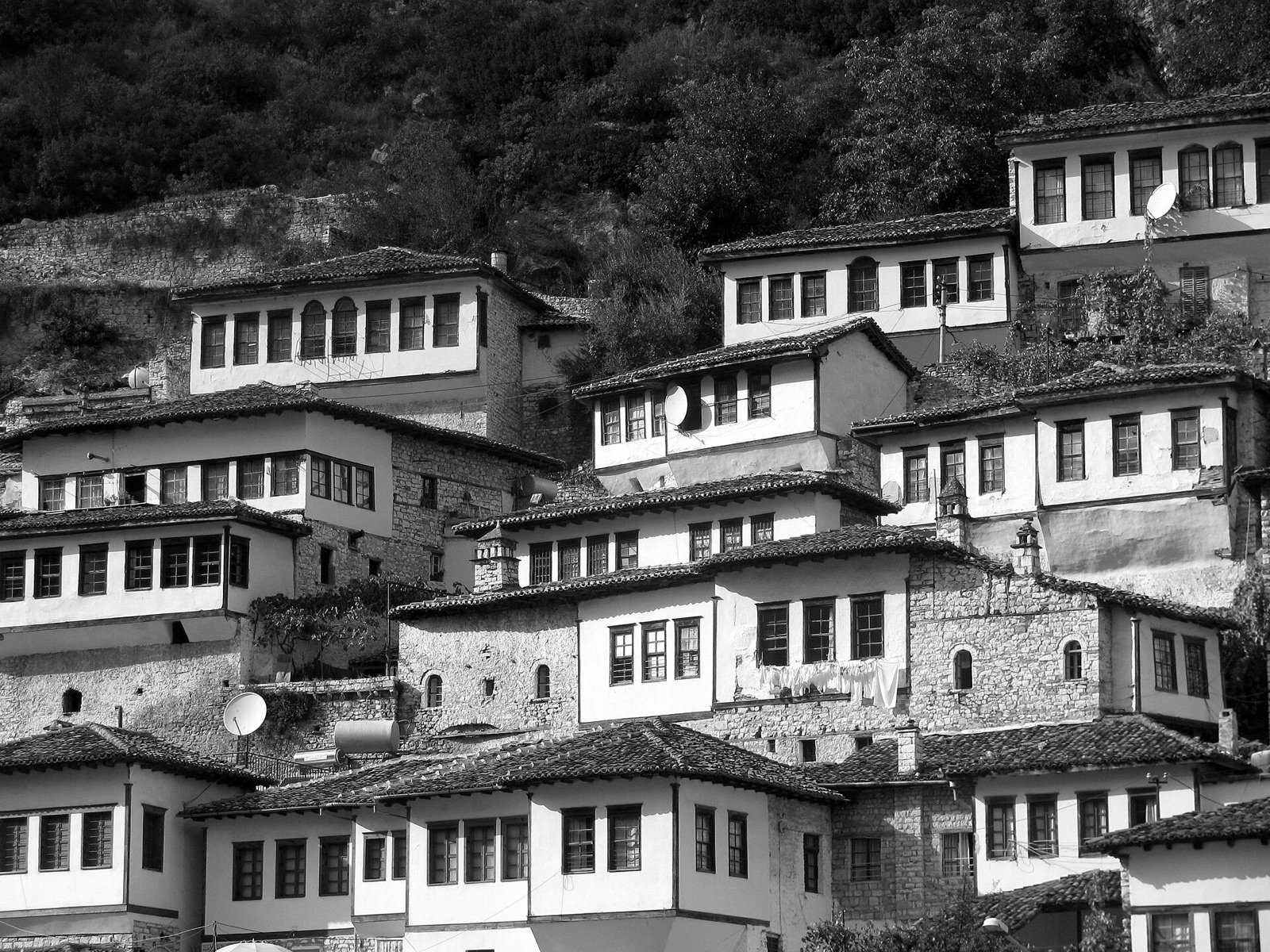
The Albanians call it the city of stone, and they mean it plainly. The limestone that breaks out of the Gjerë mountains is the walls, the lanes, the outside stairs, and those famous roofs of dressed slabs. UNESCO listed the historic centre in 2005 and folded in Berat three years later, for what it called a rare, well-preserved Ottoman town built by the farmers of large estates. Little here has been smoothed over for visitors.
A town that built its houses like small forts, then forgot to stop climbing.
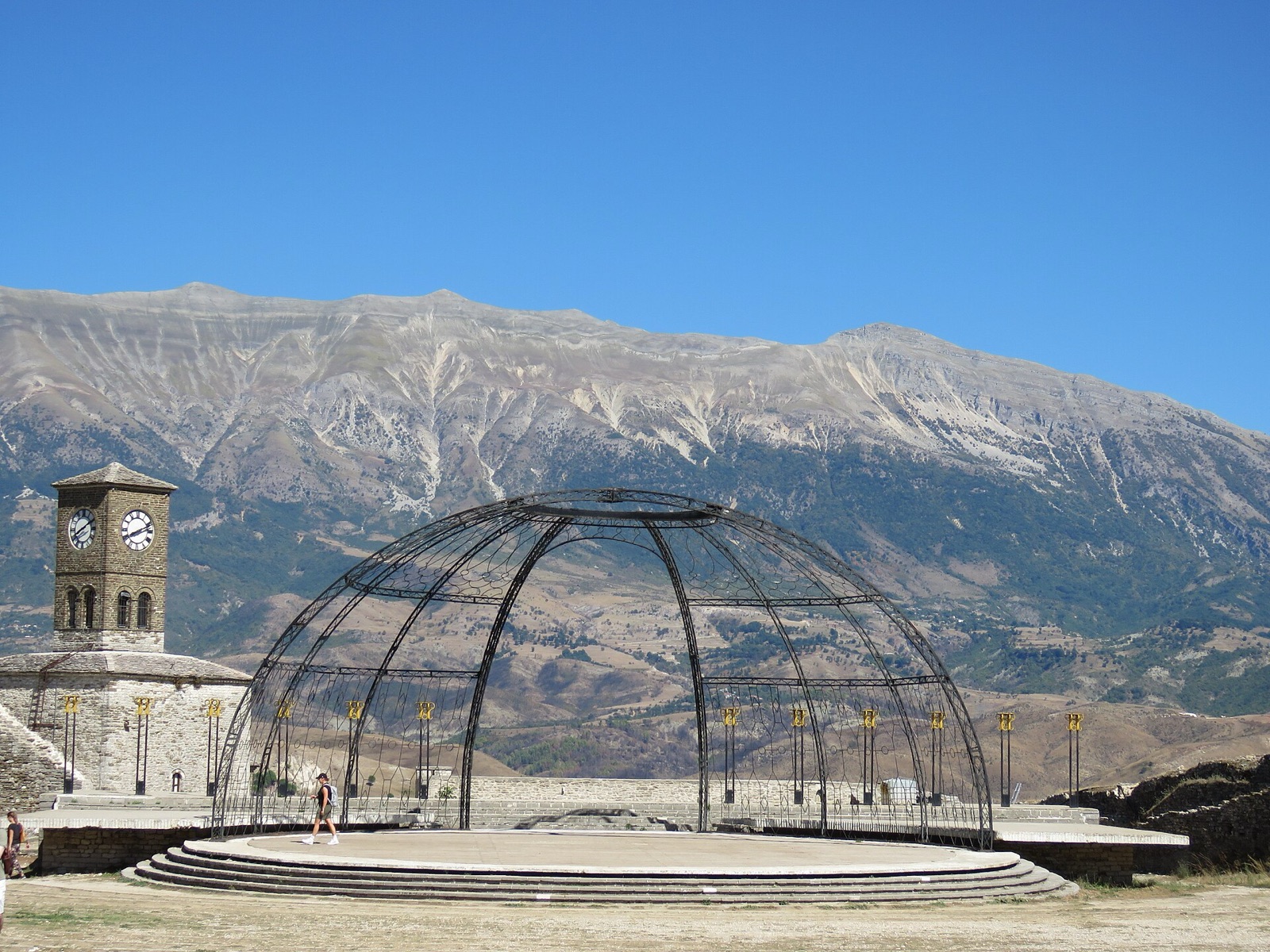
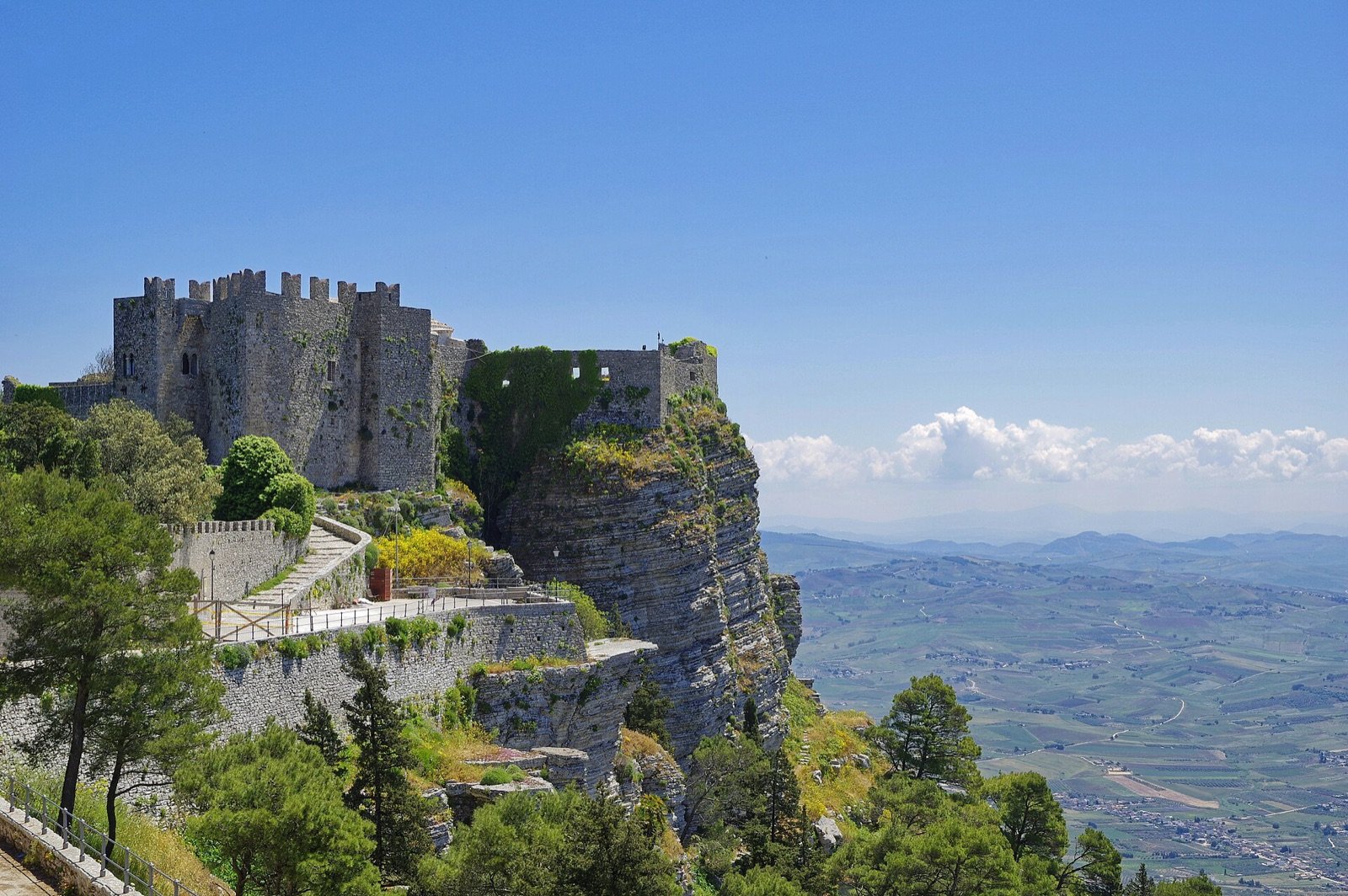
Above everything sits the fortress. A castle has held this ridge since the Middle Ages, but the bulk you walk today owes itself to two very different men, Ali Pasha of Ioannina in the nineteenth century and King Zog in the twentieth. A long gun gallery still holds captured artillery. From the ramparts the Drino runs silver below and the mountains close the valley at both ends.
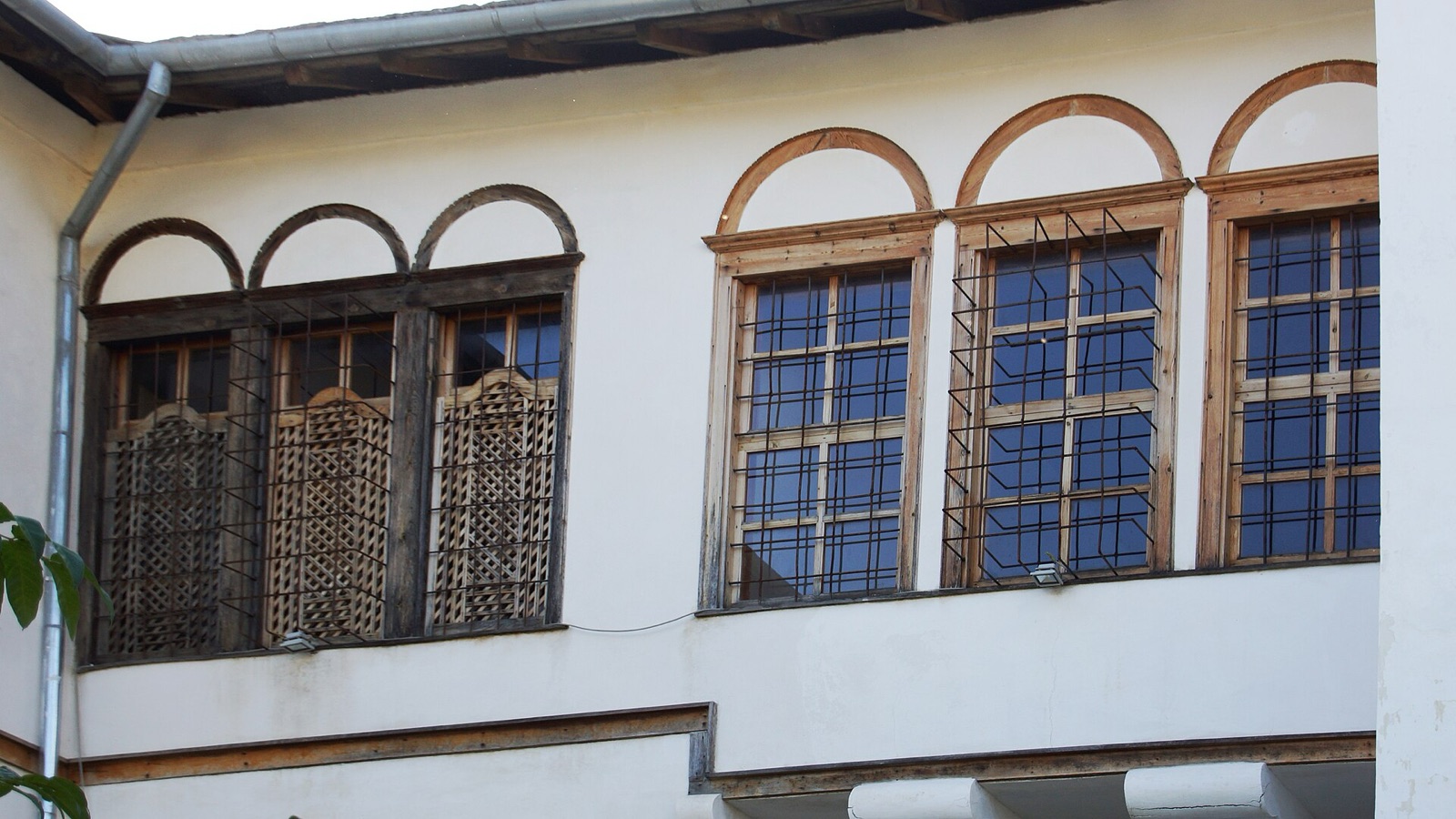
The merchant houses are the real wonder. They rise three and four storeys, half tower and half home, with cisterns and stables cut into the cold lower floors and the living rooms lifted high for light and defence. Staircases climb the outside walls. In the finest of them the top room is a painted chamber where a family once received the town. You understand quickly that wealth here meant height.
Those roofs are heavier than they look. Each is a lattice of timber carrying tonnes of split stone, a craft that all but died under communism and is being taught again now by a handful of masters. Walk the upper lanes at dusk and you hear the town before you see it. Water in the old channels, a shutter, someone's radio, all of it bouncing off stone.
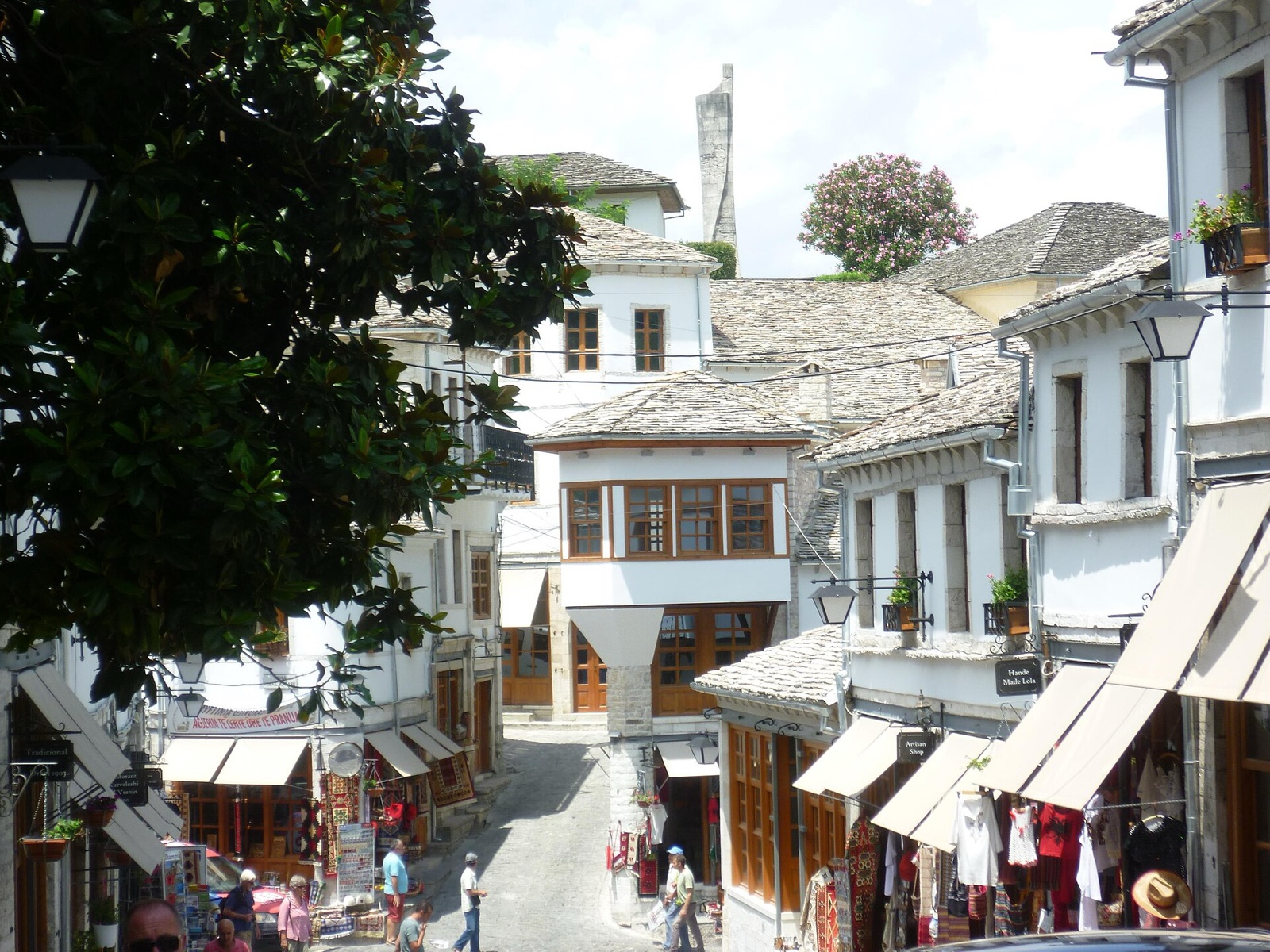
Down in the Old Bazaar the cobbles are polished to a shine. The arcades go back to the seventeenth century, rebuilt after a fire in the eighteen hundreds, and the mosque of 1757 still marks the crossroads. This is the town Ismail Kadare set his childhood into in Chronicle in Stone, and it wears its writer lightly. We ate slowly, watched the light drop behind the ridge, and left the car where it was.
It was a strange city, and seemed to have been cast up in the valley one winter's night like some prehistoric creature that was now clawing its way up the mountainside.
Ismail Kadare, Chronicle in Stone