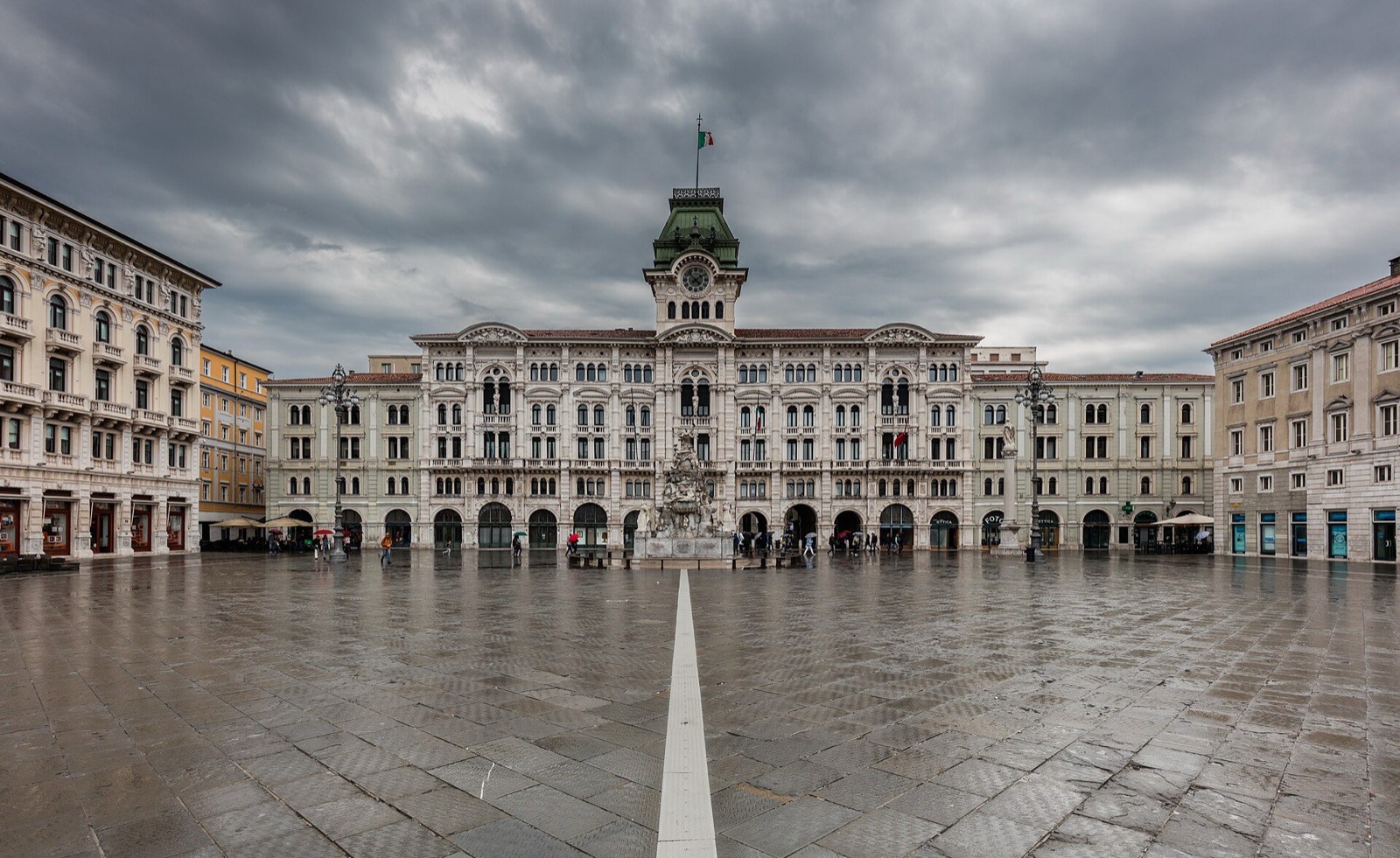
Four houses, folded into one
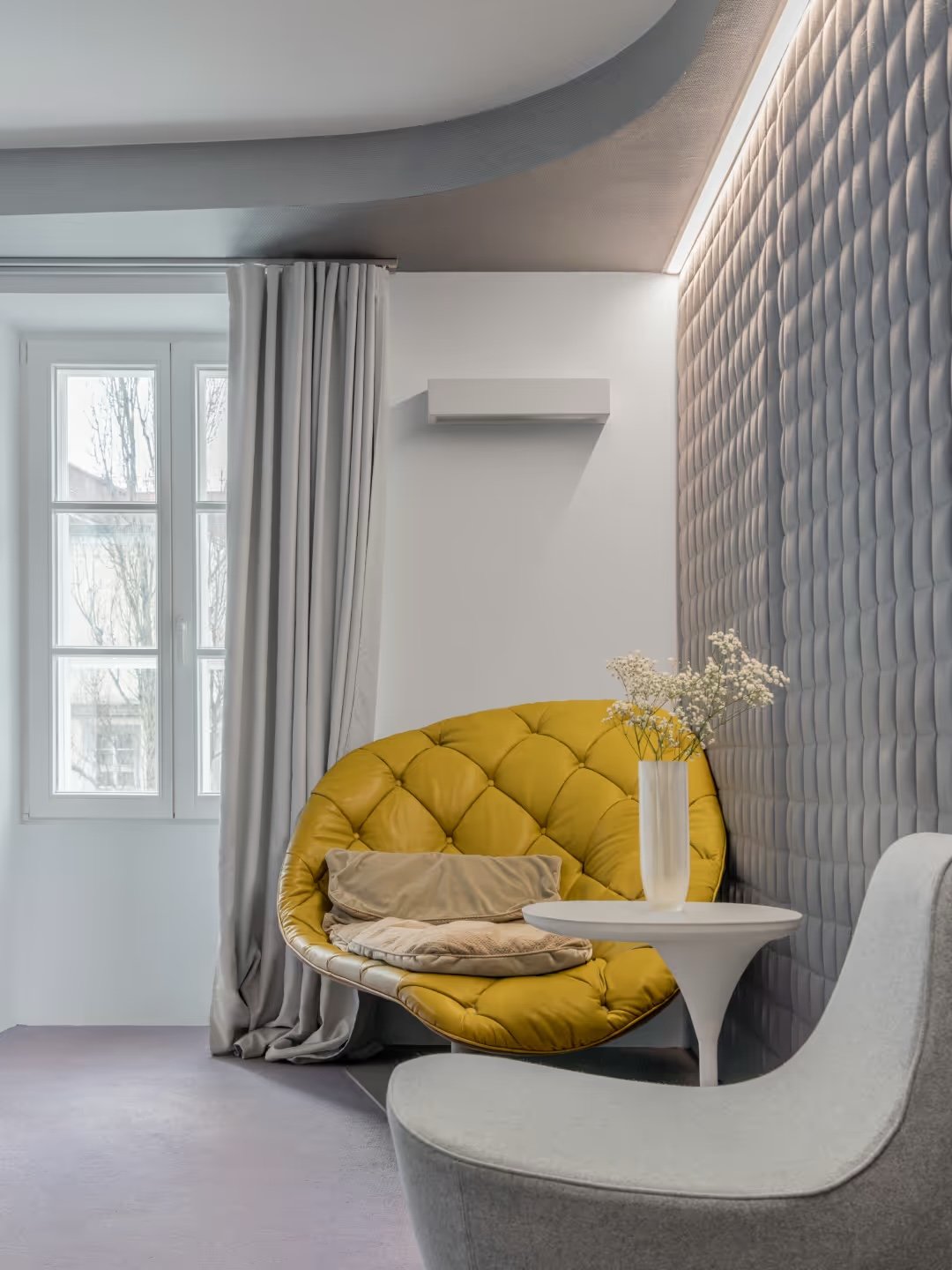
From the lane it reads as four protected town houses in a row, the sort Ljubljana is built from, their facades kept. Step through and the walls change. They are textured and three-dimensional, quilted and folded, carried from one house into the next so the old party walls disappear and the plan flows as a single interior. The work is by the Slovenian practice Sadar+Vuga, and it is the whole idea of the place: not a set of themed rooms, but four buildings persuaded to behave as one.
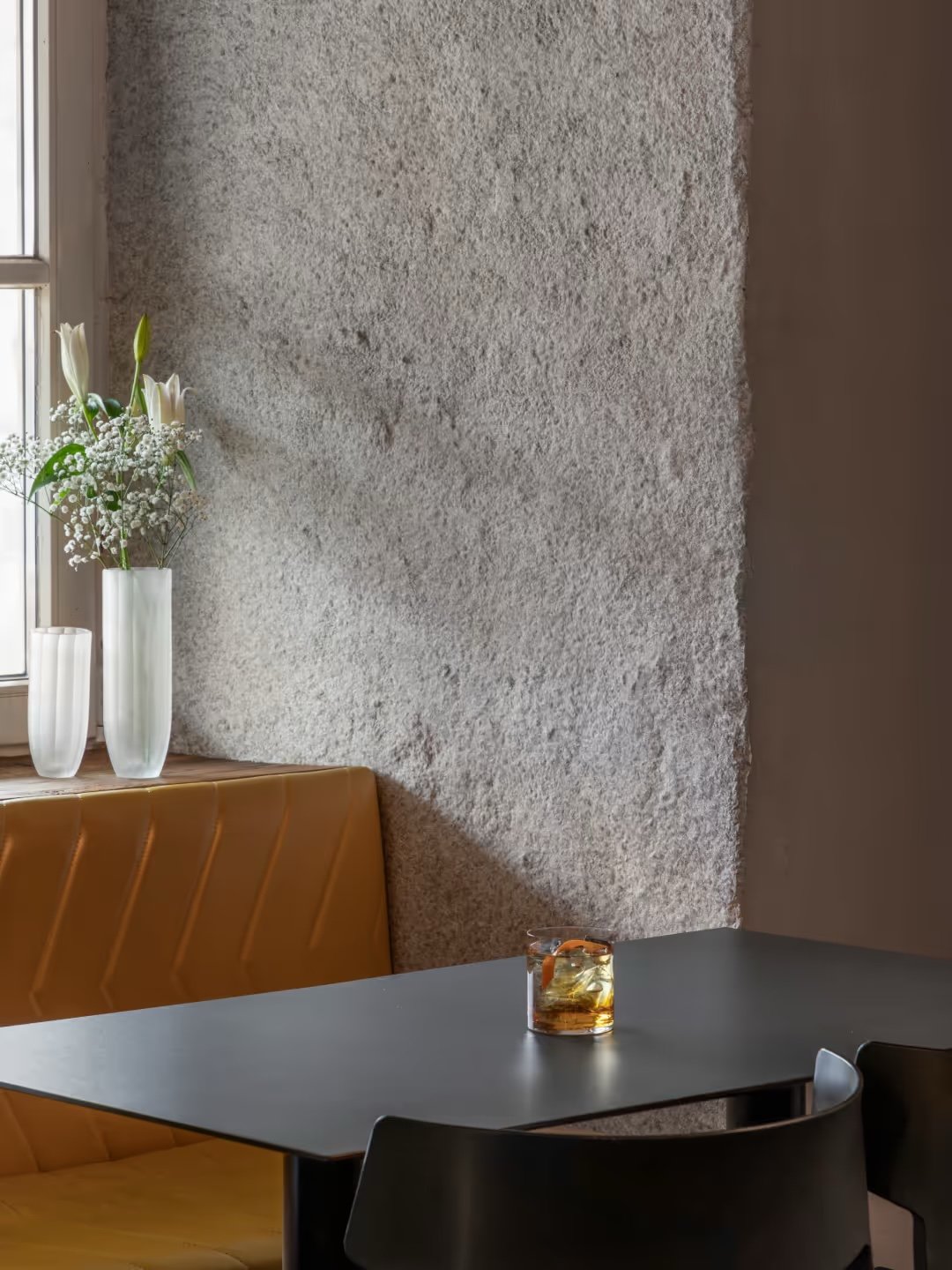
There are twenty rooms. Some are given to the street, the best of them turned to the Ljubljanica a few metres below. The palette is deliberate and a little severe, greys and folded upholstery against white, warmed here and there by a single mustard chair or a length of soft curtain. It is a member of Design Hotels, and for once the badge names the substance rather than the marketing.
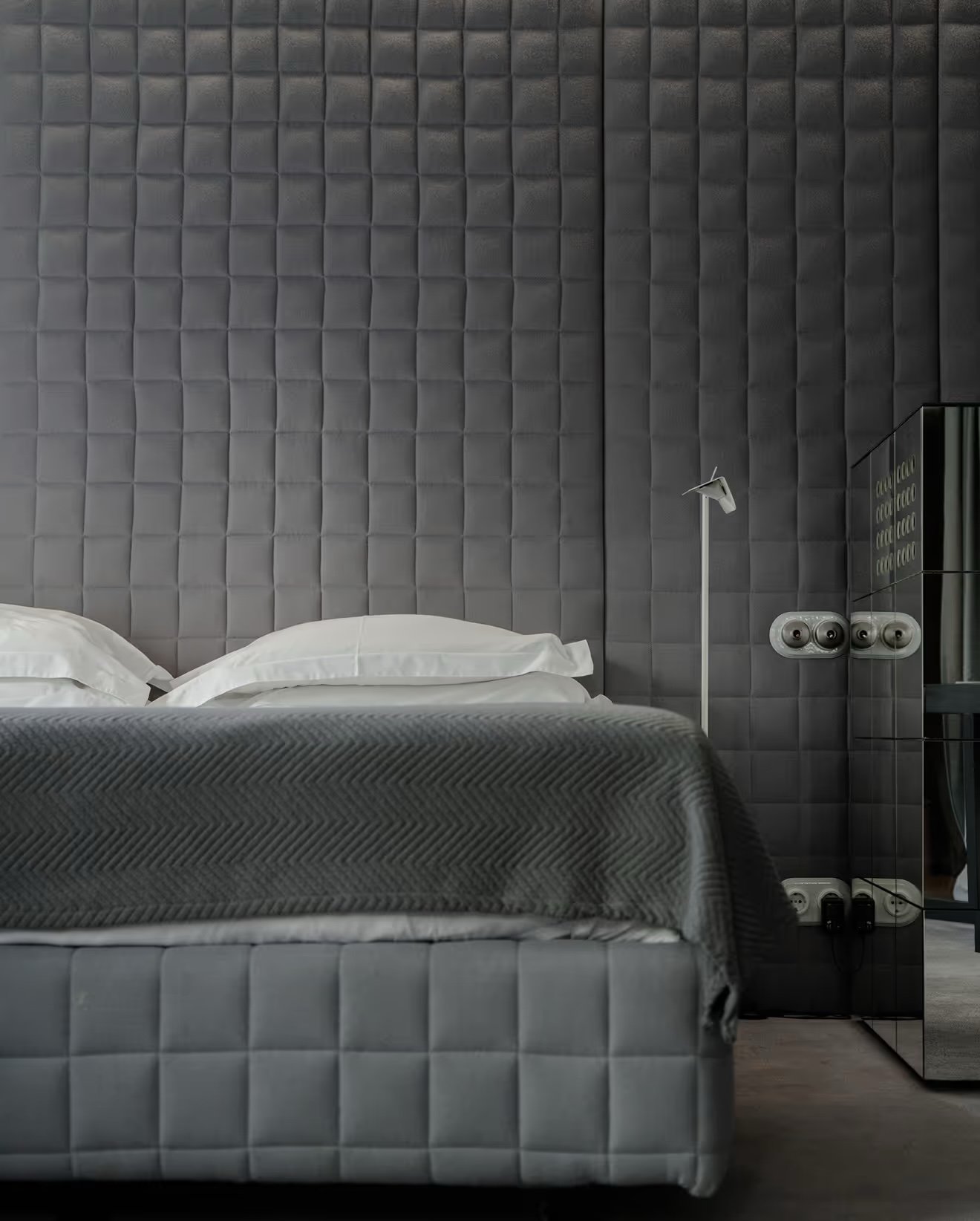
Four protected houses, folded into one interior until the joins disappear.
Emona, a metre down
Dig into the ground here, as the builders did during the works around 2011, and you reach a Roman embankment from the days the city was Emona, and above it the faint traces of medieval tailors and shoemakers who once worked the river bank. Most hotels would have made a museum of it. Vander laid itself over the top with a light hand, kept what it found, and got on with the business of being a place to sleep.
That restraint carries through the public rooms, where raw plaster and rough render are left to stand next to the design pieces rather than being smoothed away. Outside the door the old town does the rest: Prešeren Square and the riverside market a short walk off, the castle green above the roofline, and Lake Bled within the hour when the walls of the city start to close in.
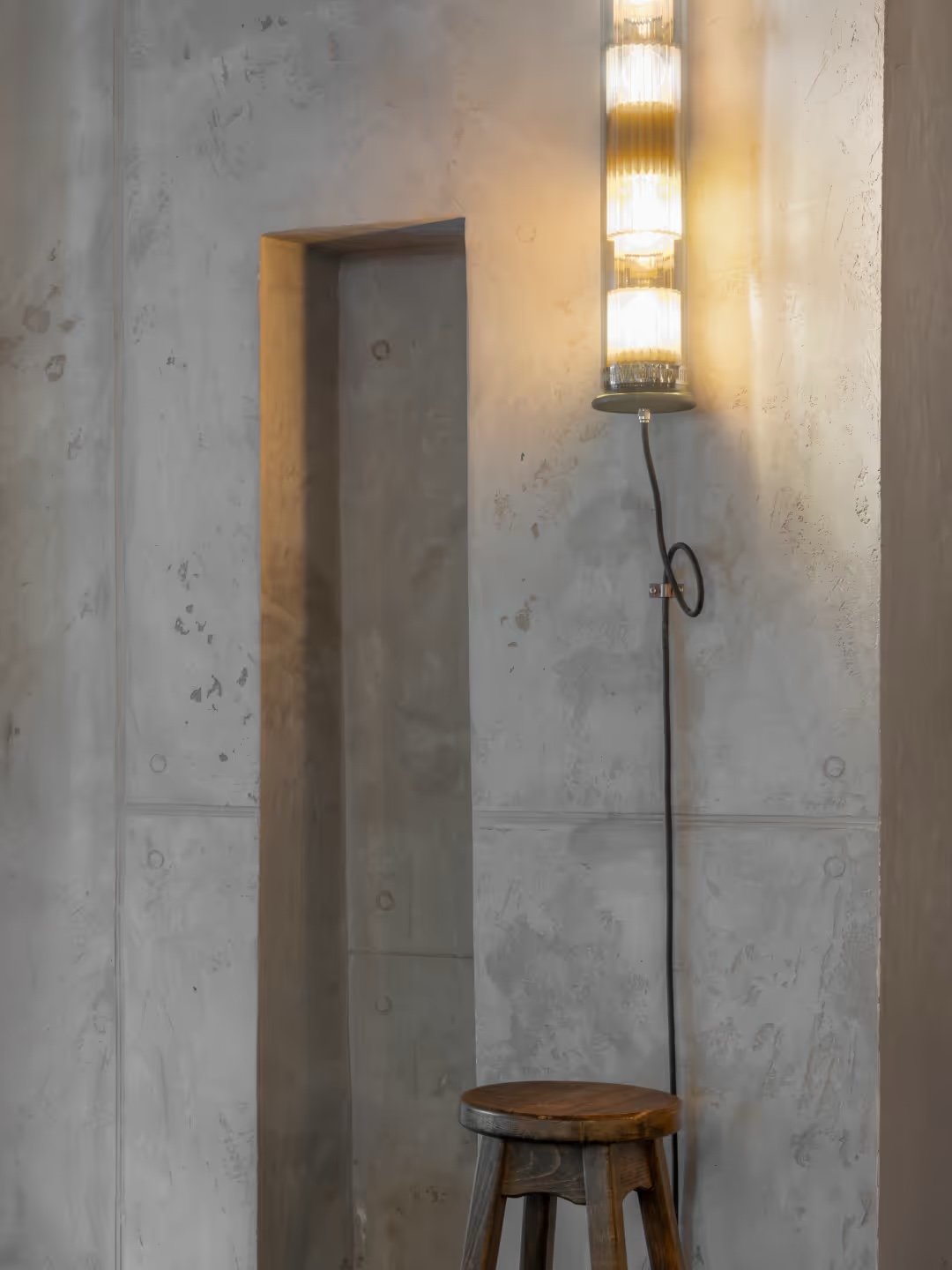
Dig a metre down and you are in Emona; the hotel simply laid itself over the top.
River, market and roof
Breakfast is the meal Vander is quietly known for, a long spread you take by the river or up on the roof, unhurried and generous. Lunch belongs to the bistro, urban Slovenian cooking built on what the Ljubljana market, the farms and the forests give up that week. Dinner pulls the same seasonal thread tighter, plated with more intent in the ground-floor kitchen. None of it strains for effect, which is rather the point.
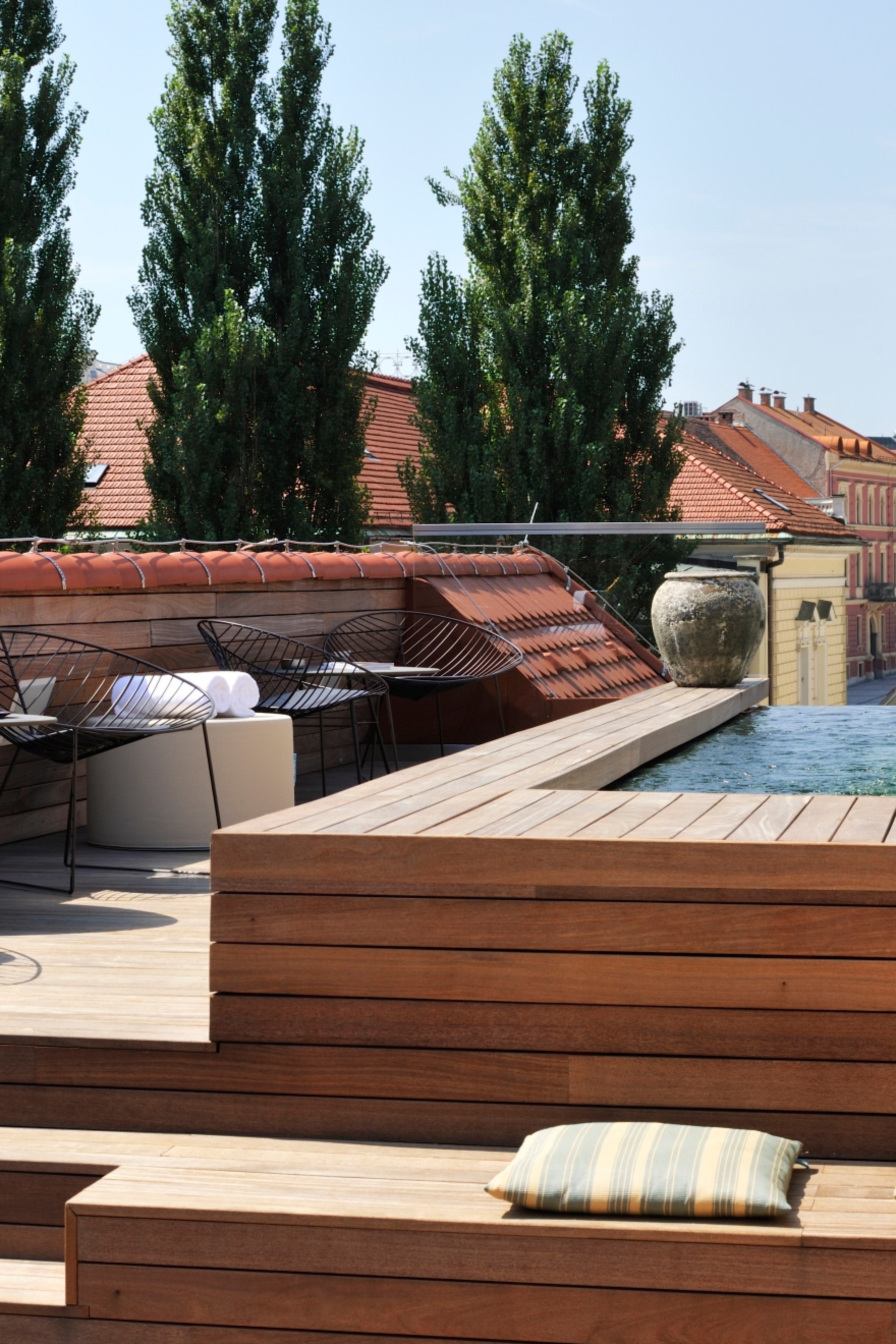
Then there is the roof, the reason the odd word resort holds. A narrow terrace of teak and a plunge pool sit level with the tiled roofs, poplars rising past the parapet, the castle to one side and the whole huddled old town below. A city hotel rarely hands you a view like this at the end of the day, and Vander does it without much ceremony.
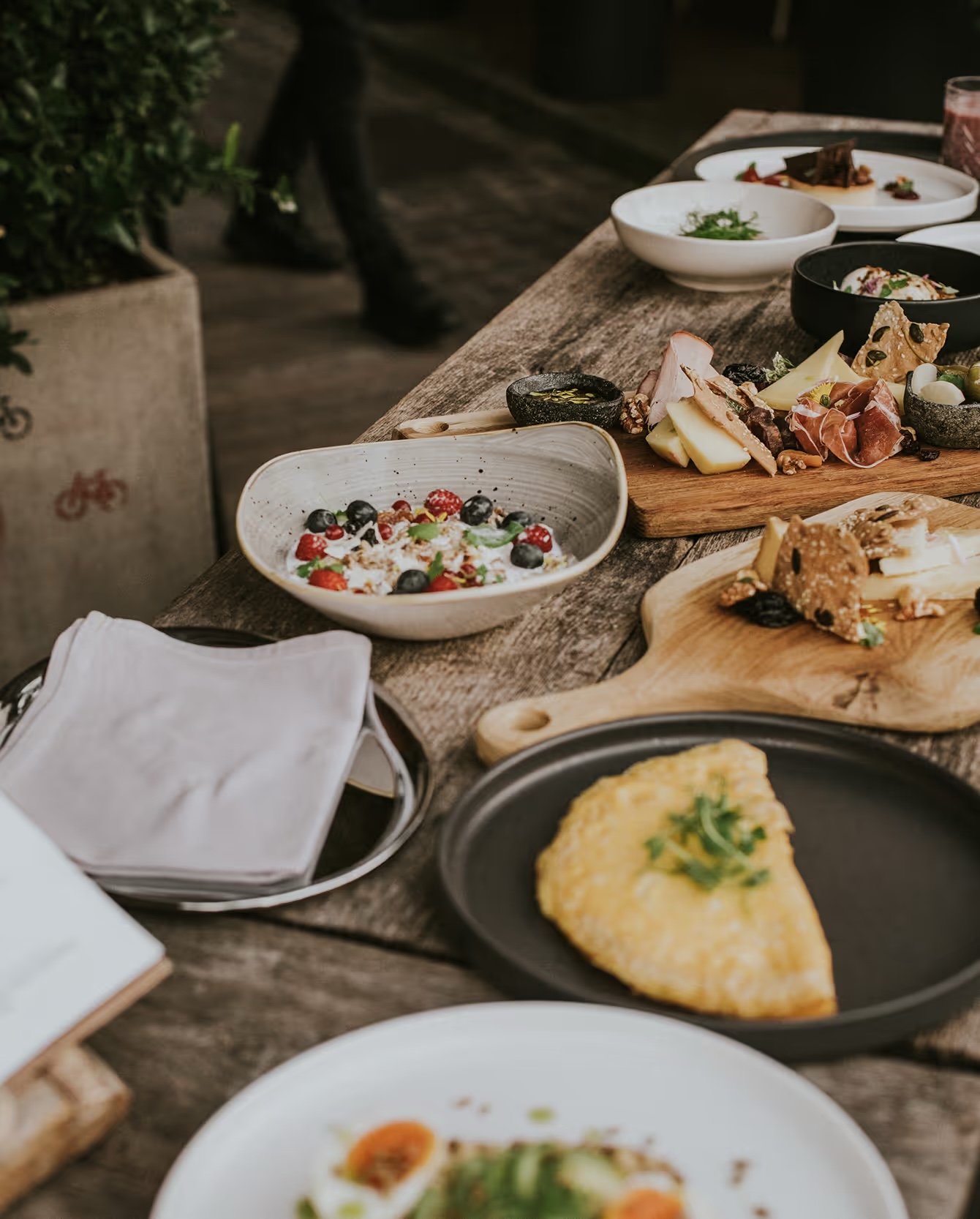
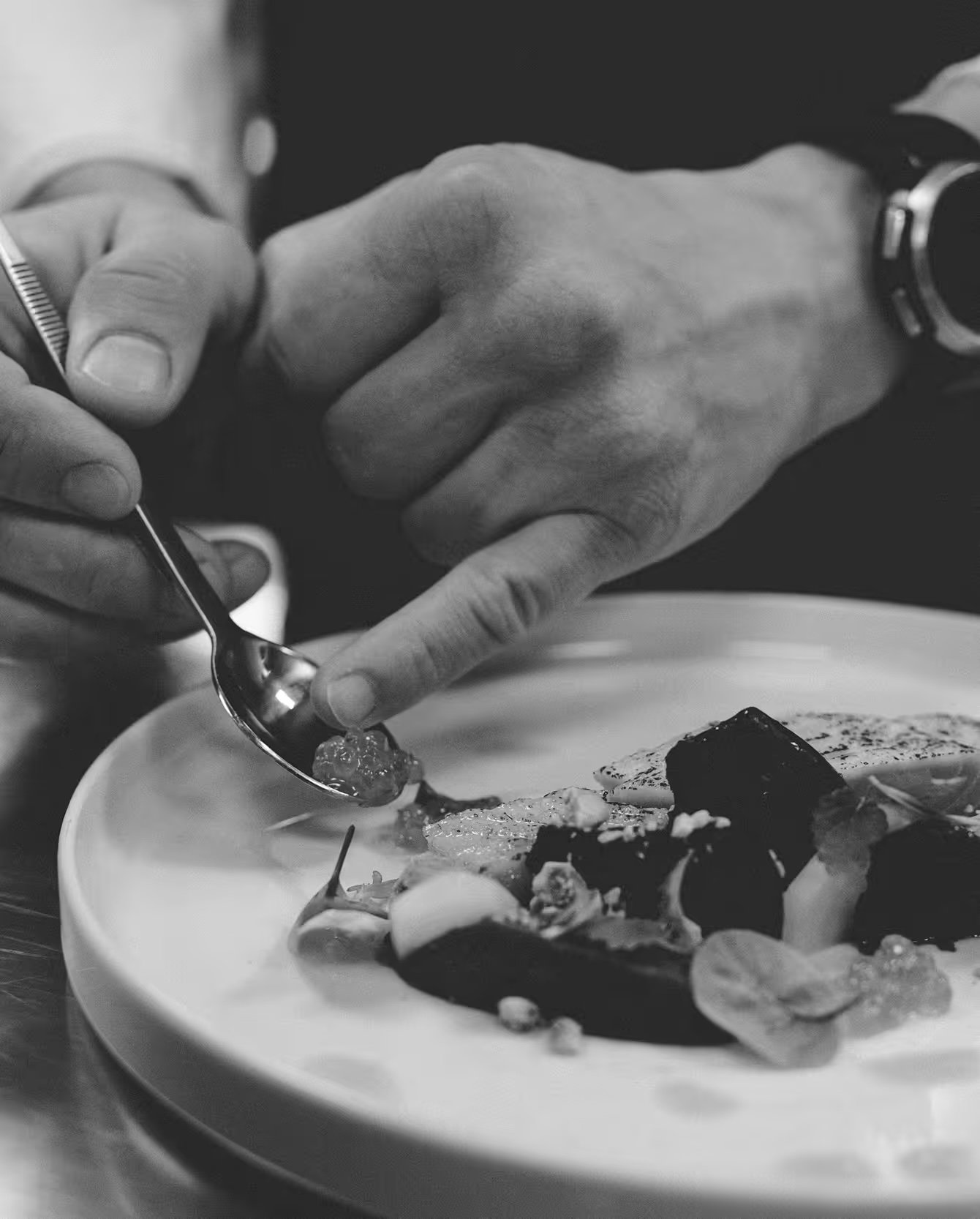
Breakfast by the river, dinner under the roofs, and the castle for a backdrop.
Vander is the rare urban design hotel where the idea holds all the way down. Four heritage houses knitted into one. A Roman embankment a metre beneath the floor, and a roof that hands over the whole old town at dusk. We have not stayed, so this stands as a researched profile rather than a first-hand verdict. On the published evidence it coheres, and it earns the closer look.
VANE note. This is a researched profile, not yet a first-hand VANE verdict. A full review carries a stay date, an independence disclosure and the writer's own account. Photos: Vander Urbani Resort (official), with credit.