
Above the island, not in it
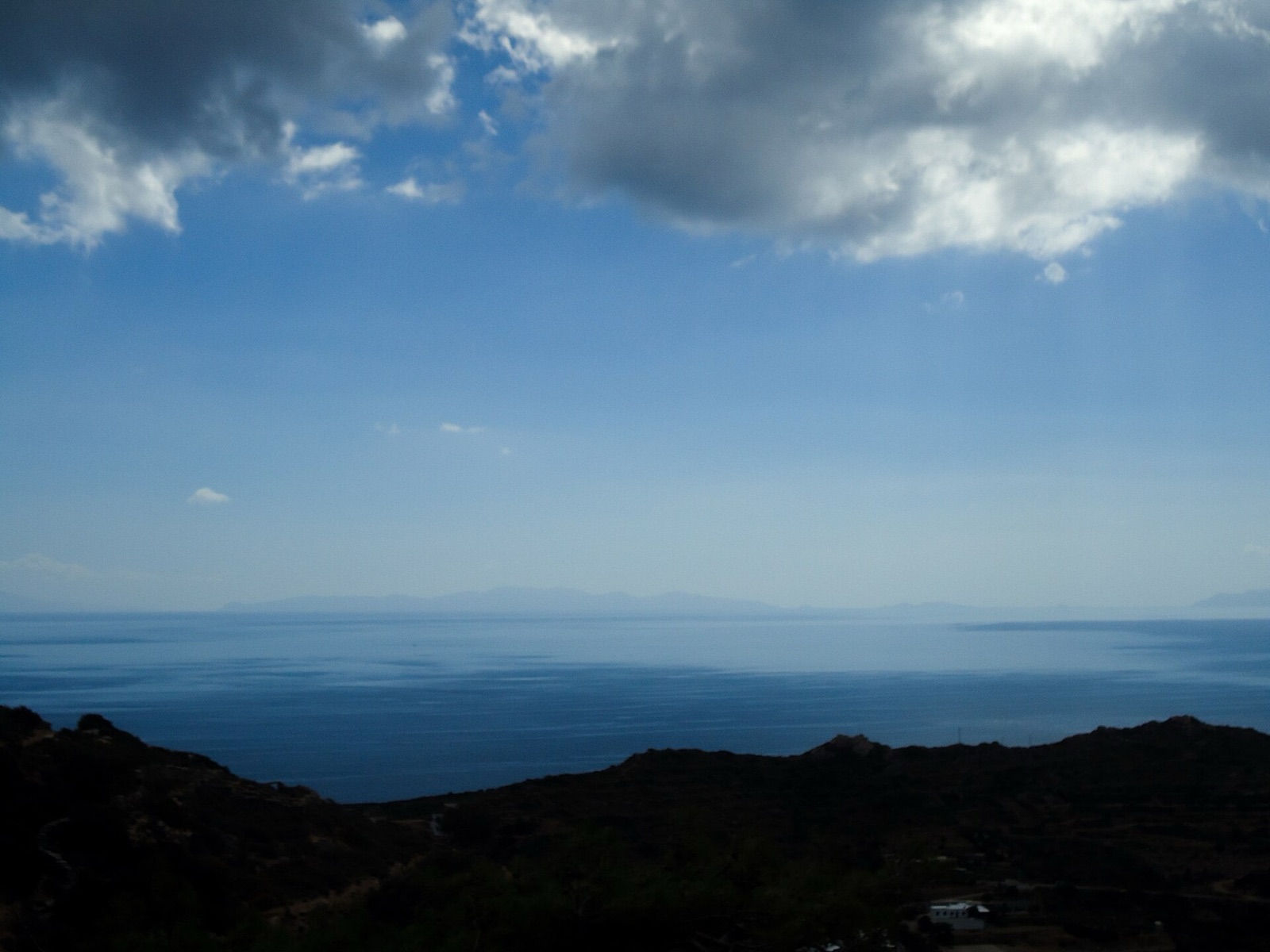
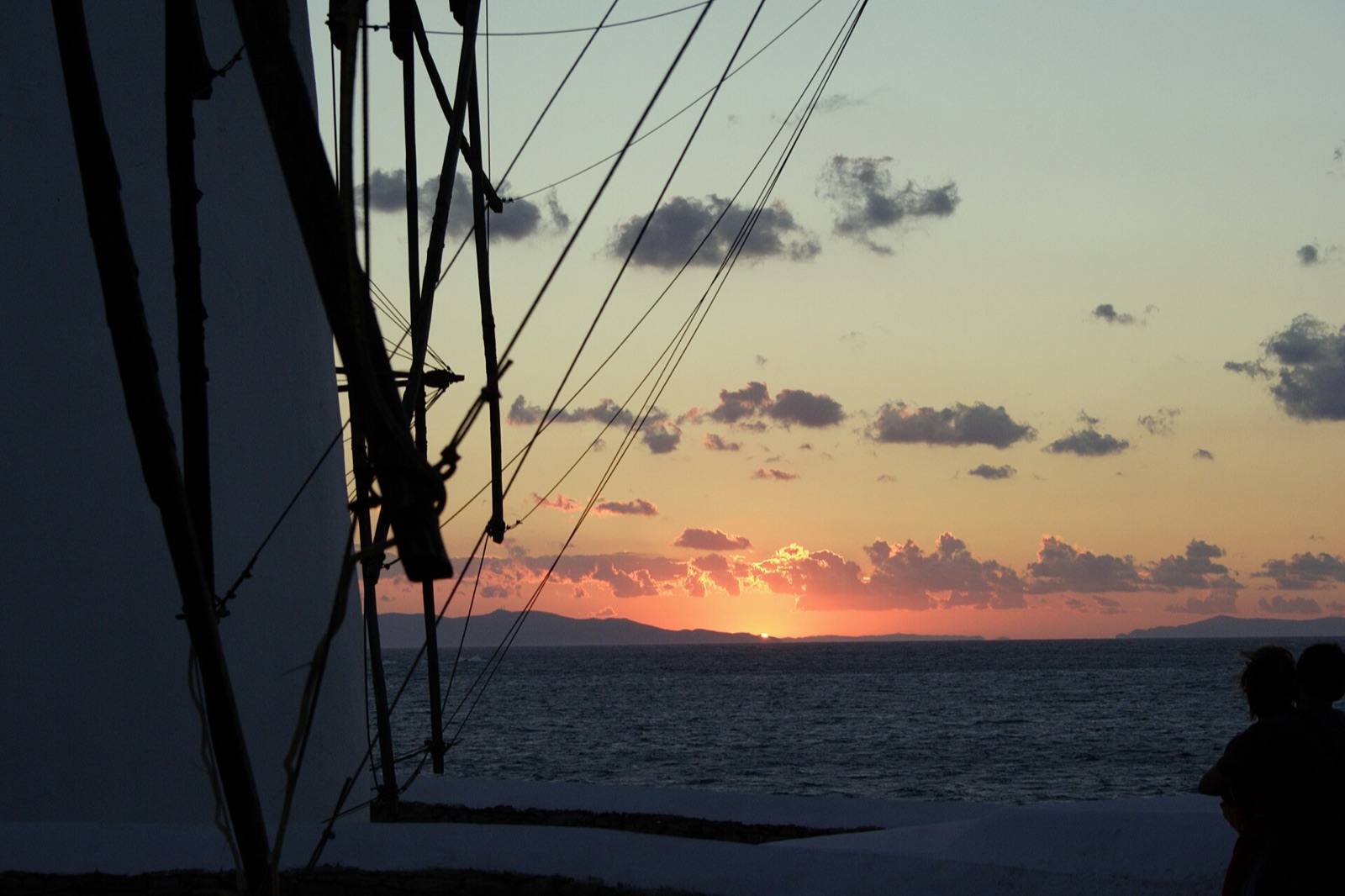
Sifnos keeps its life close to the ground. The port at Kamares fills by mid-morning, Apollonia's lanes knot up by evening, and the good beaches draw their crowds early. Sigma answers all of that by going uphill. The nine residences are terraced into the slope above Exámbela on dry-stone walls, each one stepped back from the next so that no veranda looks onto another, only outward: to the fields, the white scatter of the Kastro on its far headland, and the sea past it.
The trick of a place like this is distance measured in minutes rather than miles. Apollonia and the older, handsomer Artemonas are a short drive down the hill, near enough for dinner and far enough that the summer noise never climbs this high. Seclusion without isolation is an easy line to write and a hard thing to build. Here the hillside does most of the work.
You come up here to be above the island, not in its crush.
Cycladic, in a low voice
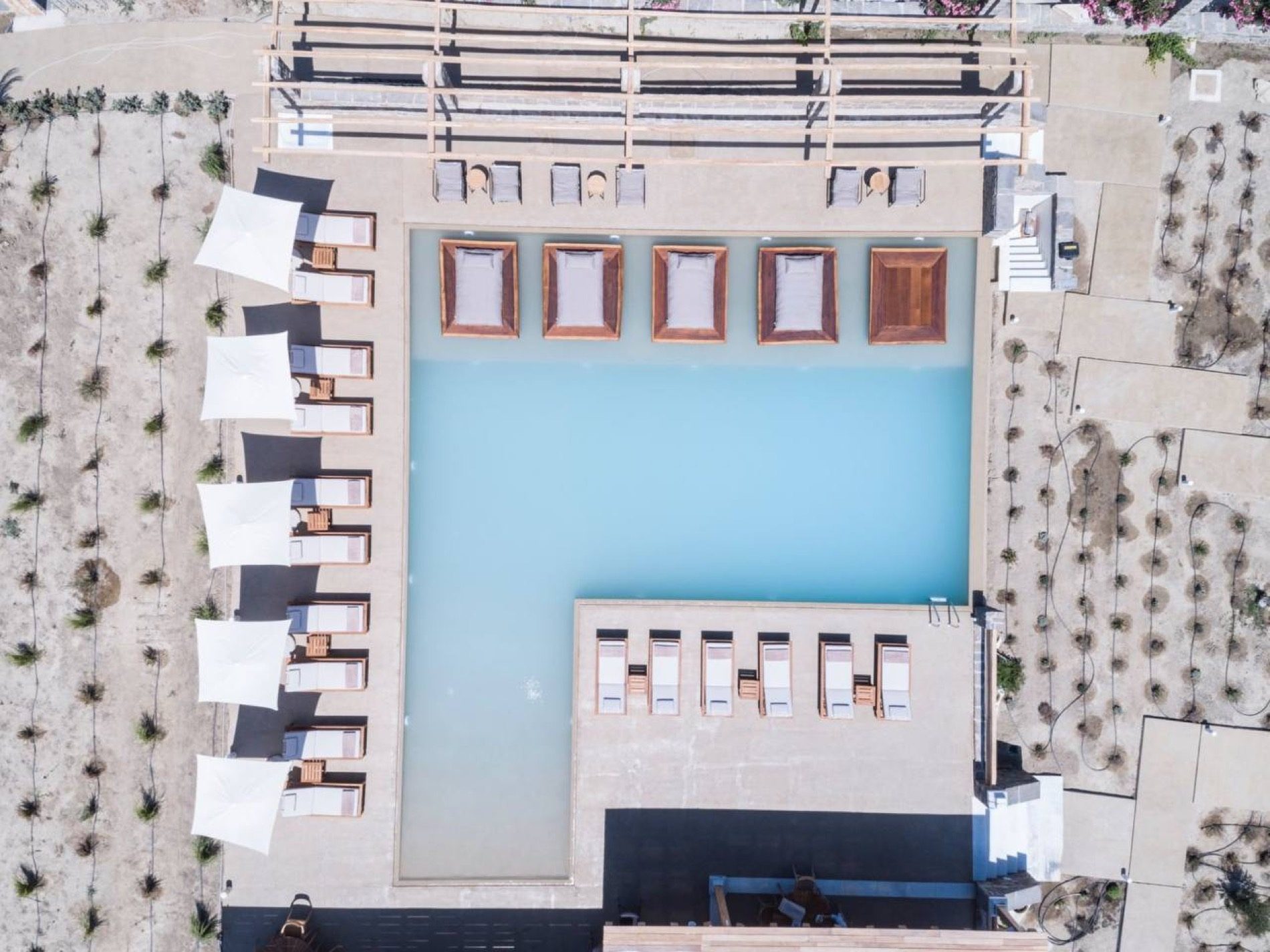
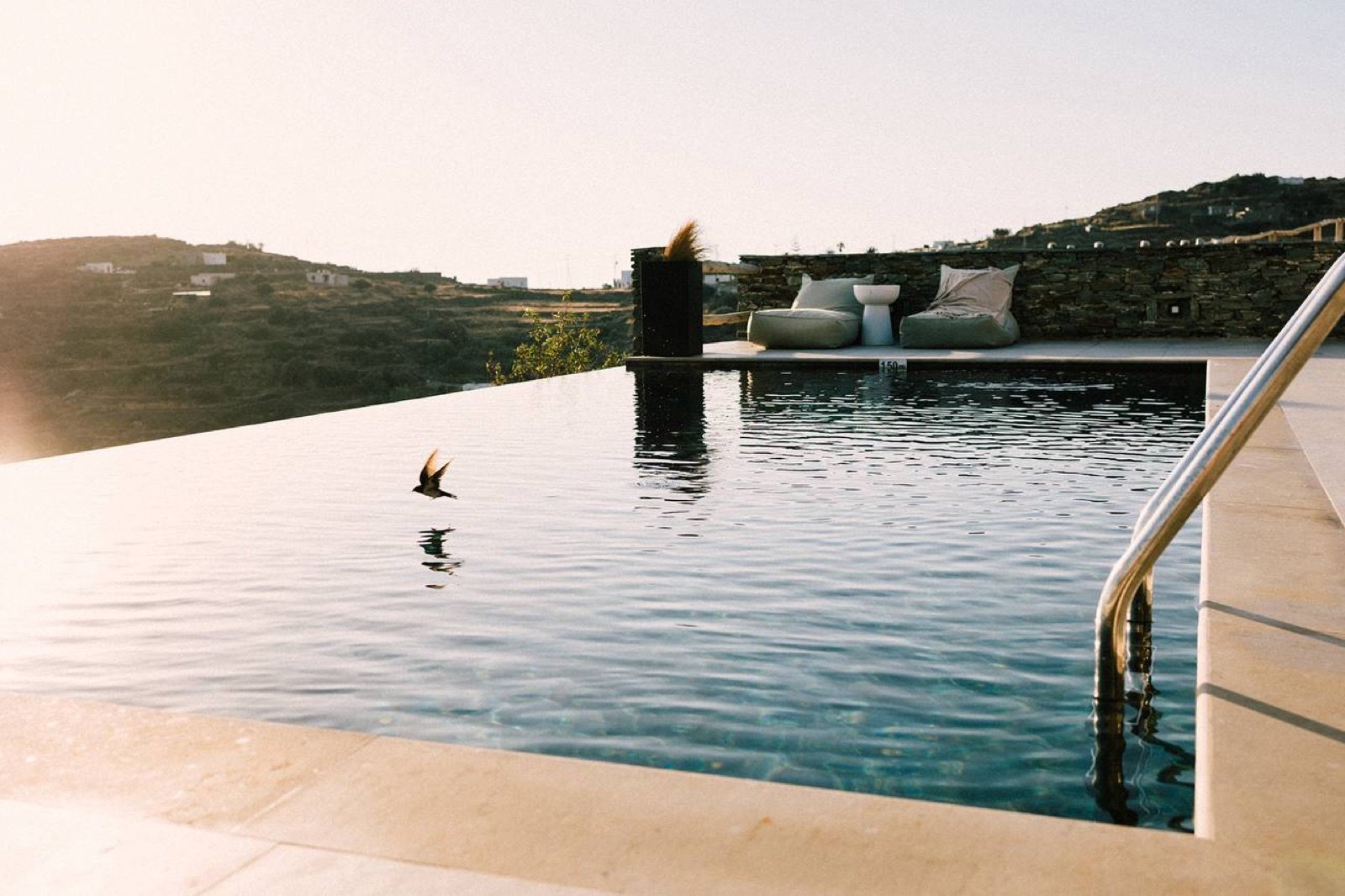
Call it a cluster of houses rather than a hotel. Each residence stands on its own, with its own veranda and, in several cases, a private pool, a jacuzzi or a walled garden, and a few of the larger ones will take a family or a group. The shared ground is modest and well judged: one infinity-edge pool set on the lip of the slope, an outdoor gym, and a breakfast of Sifnian things carried to the door rather than laid out in a room you have to dress for.
Inside, the language is contemporary Cycladic held in check. White walls, pale floors, oak and cane, a little island pottery and not much else. Nothing is themed and nothing shouts. The houses are named rather than numbered, Exámbela, Themonia and the rest, each with its own quirk of plan, a sleeping loft up a short stair, a shaded terrace, a tub open to the view. It reads the islands quietly, which on summer Sifnos is the rarer thing.


White walls, oak, a little pottery. Nothing shouts.
The table at the foot of the drive
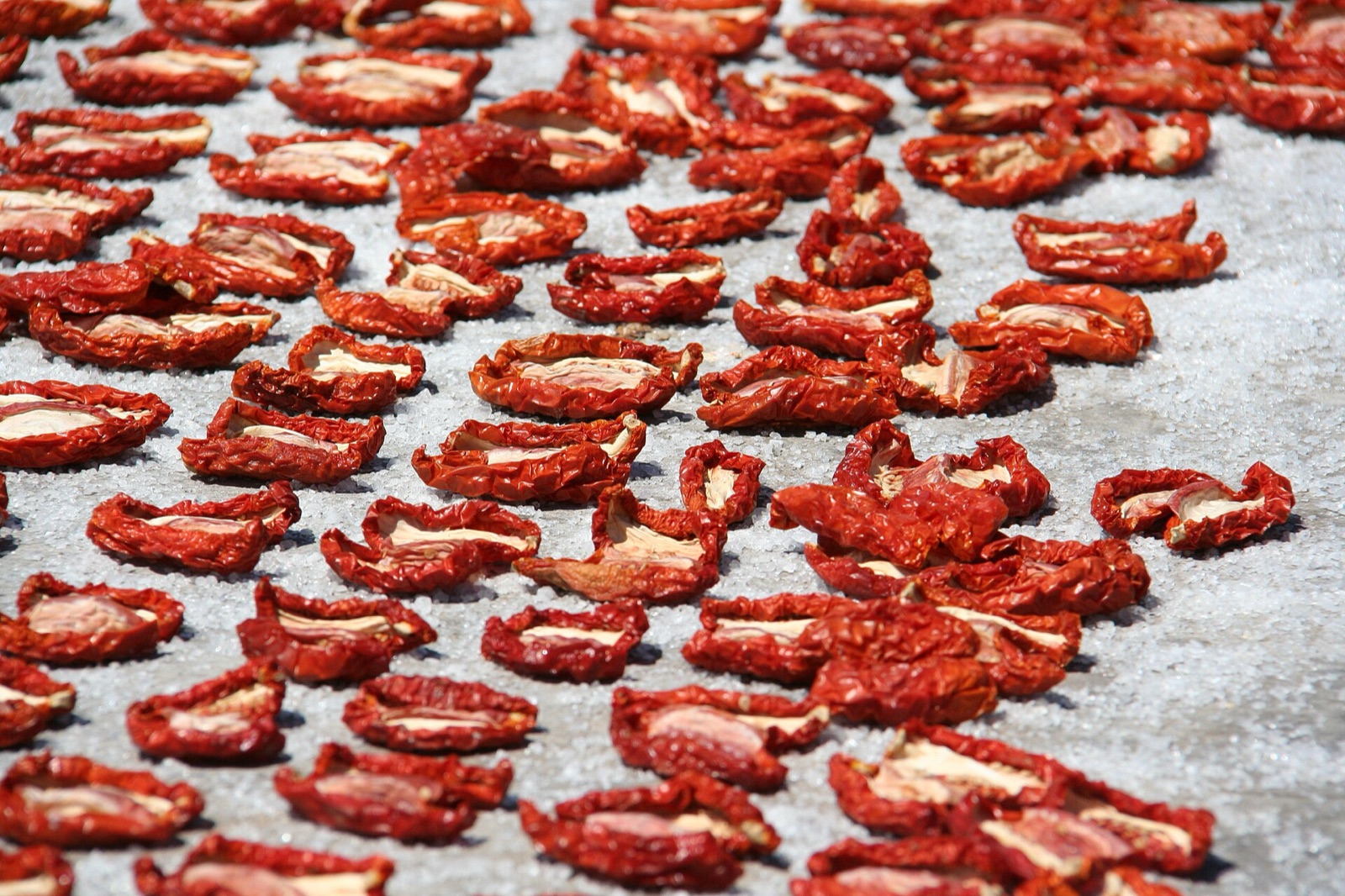
The real argument for staying this high is what waits at the bottom of the hill. Sifnos is the quiet gastronomic heart of the Cyclades, an island that still cooks to the rhythm of the wood oven and the clay pot. Revithada, the chickpea stew left in the baker's oven overnight and eaten on Sunday, belongs here before anywhere else. So does mastelo, lamb or kid laid on vine shoots in a clay dish and slow-cooked for Easter. None of it is folklore dressed up for visitors. It is simply how the island eats.
There is a deeper claim too. Nikolaos Tselementes, the man whose cookbook taught twentieth-century Greece how to cook and who gave the moussaka its béchamel lid, was born in 1878 in Exámbela, the very village below these walls. You can make too much of a coincidence. Still, there is something right about a quiet house for people who have come to eat well, sitting directly above the birthplace of the modern Greek kitchen. Breakfast arrives from the island; dinner is a short run down to a taverna in Artemonas or a clay pot in Apollonia. The food is the point, and the house seems to know it.

Directly below these walls, the modern Greek kitchen was born.
There are flashier addresses in the Cyclades and a great many louder ones. Sigma earns its place by restraint and by position: a handful of well made houses set high on the quiet side of Sifnos, private without being remote, with one of Greece's best food islands laid out at the foot of the drive. Come for the view, the silence and the table below, and it gives you exactly that. Ask it to put you in the thick of things and you have chosen the wrong hill.
VANE note. This is a researched profile, not yet a first-hand VANE verdict. A full review carries a stay date, an independence disclosure and our own account. Photographs: Sigma Residences (official), with credit.