A manor, a modern wing, and a man from Rimowa
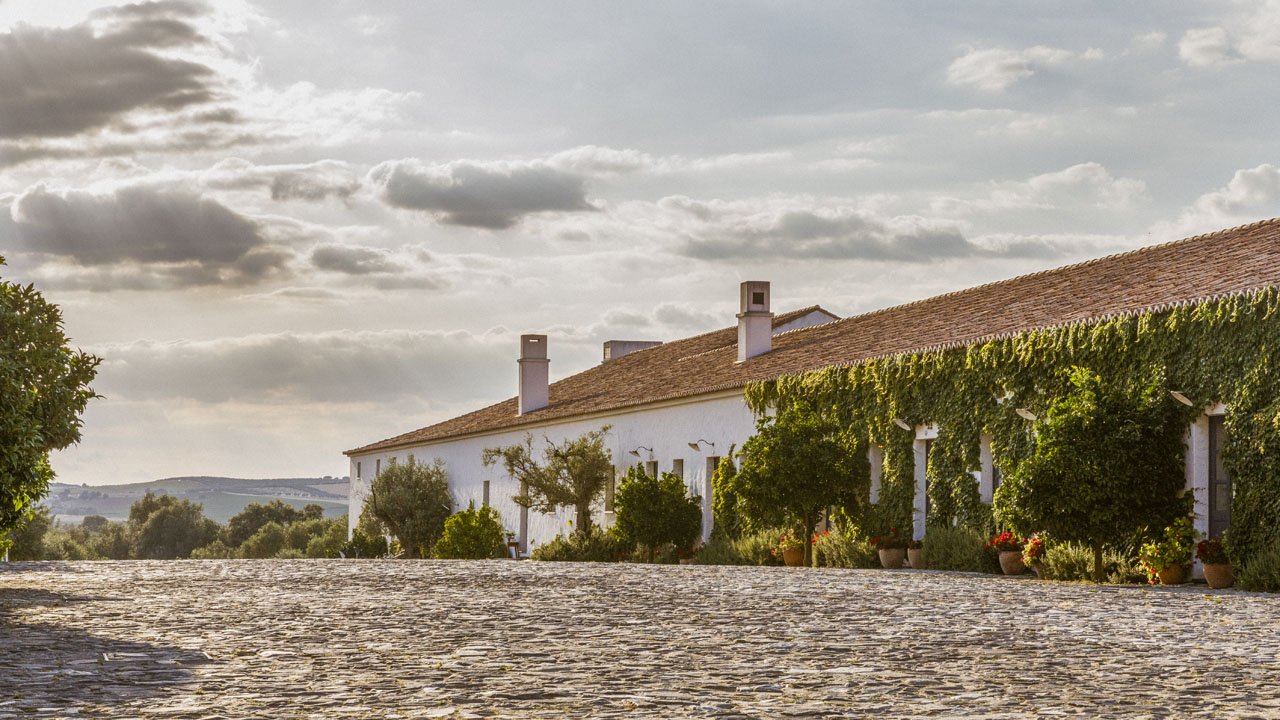
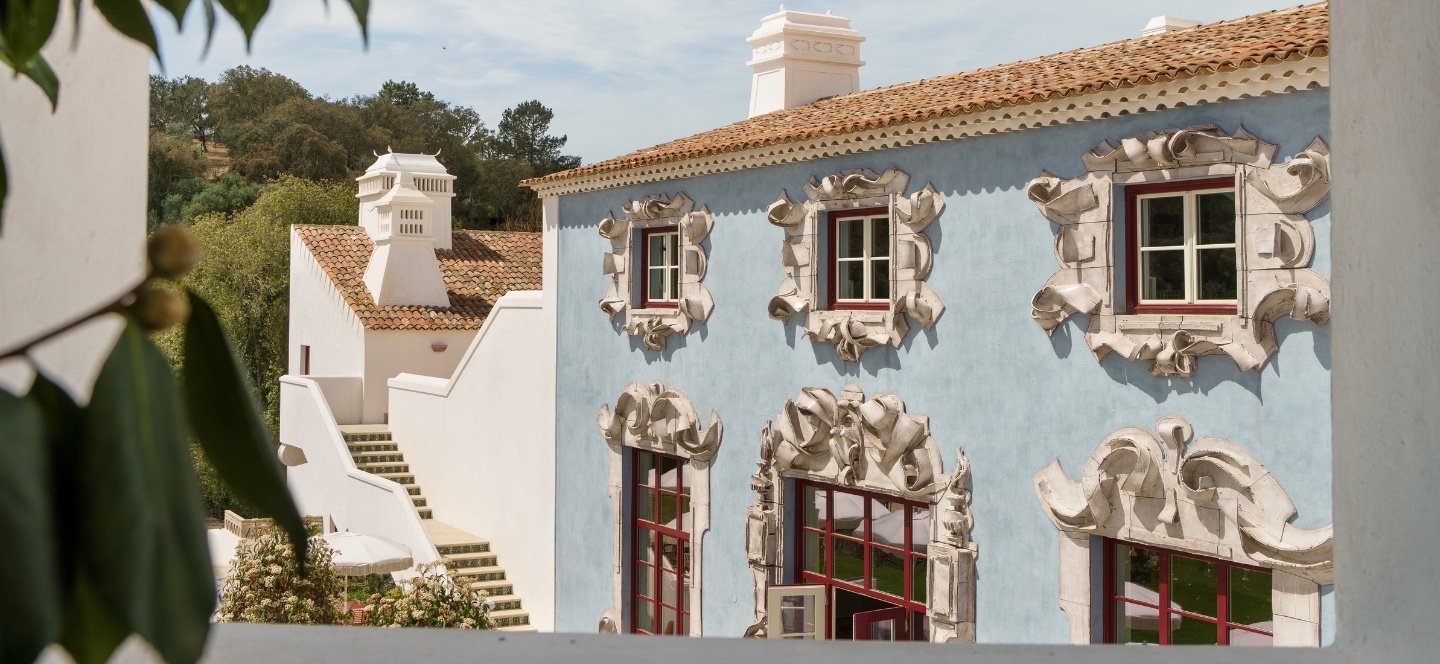
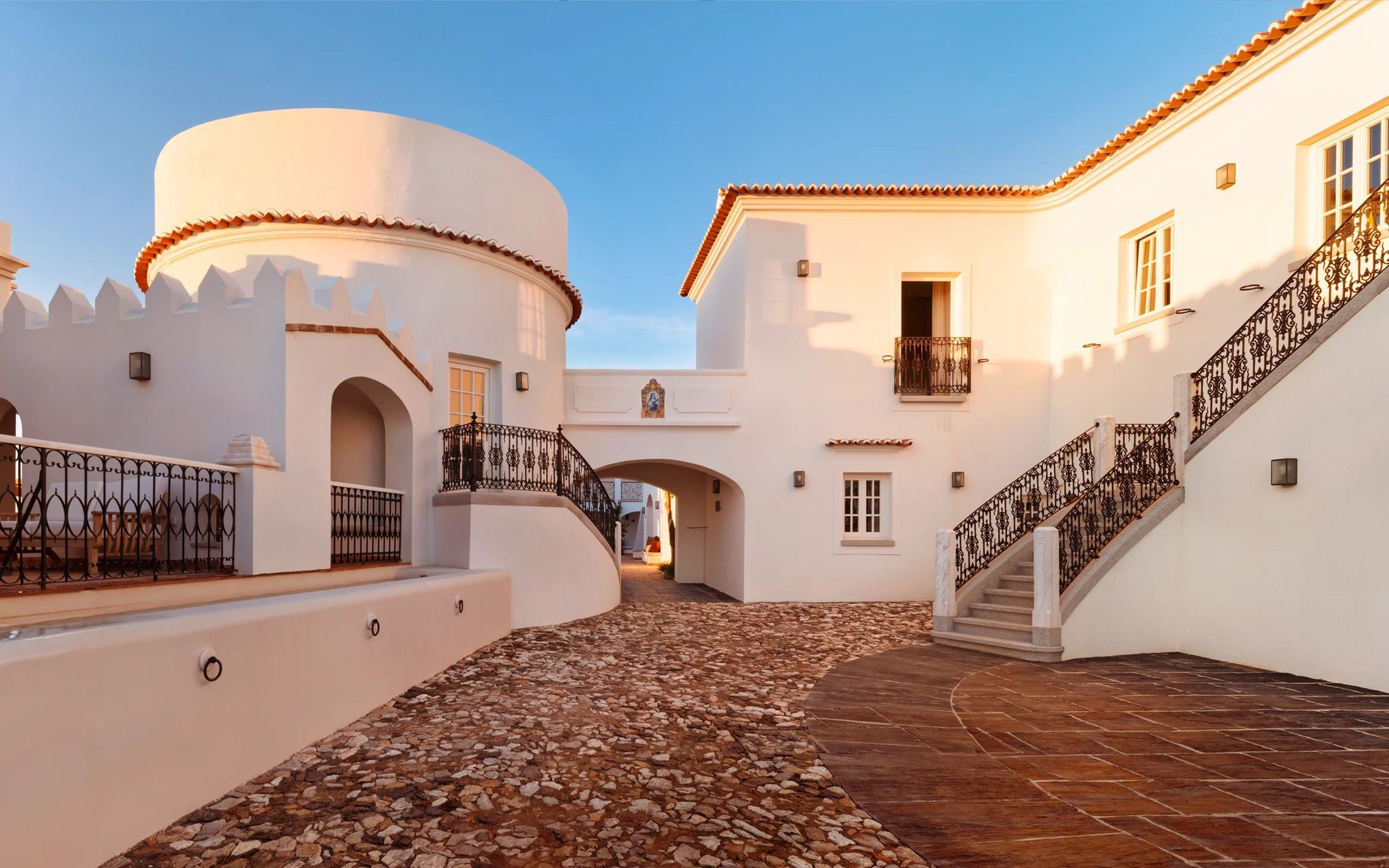
Vidigueira lies in the low country of the Baixo Alentejo, an hour and more inland, where the heat comes off the plains and the wine is older than most of Europe's. Paral stands among the vines near Selmes, built around a seventeenth-century manor painted the hard white the sun here demands. A modern wing has been set beside it, low and unshowy, and the join barely registers. Twenty-two rooms and suites run across six categories, from a bright superior to the manor house itself. Terracotta underfoot, linen the colour of the fields, the light kept low against the glare.
The land changed hands in 2017, when Dieter Morszeck bought it. He is the grandson of the man who founded Rimowa, the aluminium-cased luggage house, and a former head of the firm, and he now gives part of his year to making wine here. The money has gone where money should. Into the vines, the cellar, and a kitchen worth the drive across the country.
Still fermented in clay, as the Romans left it
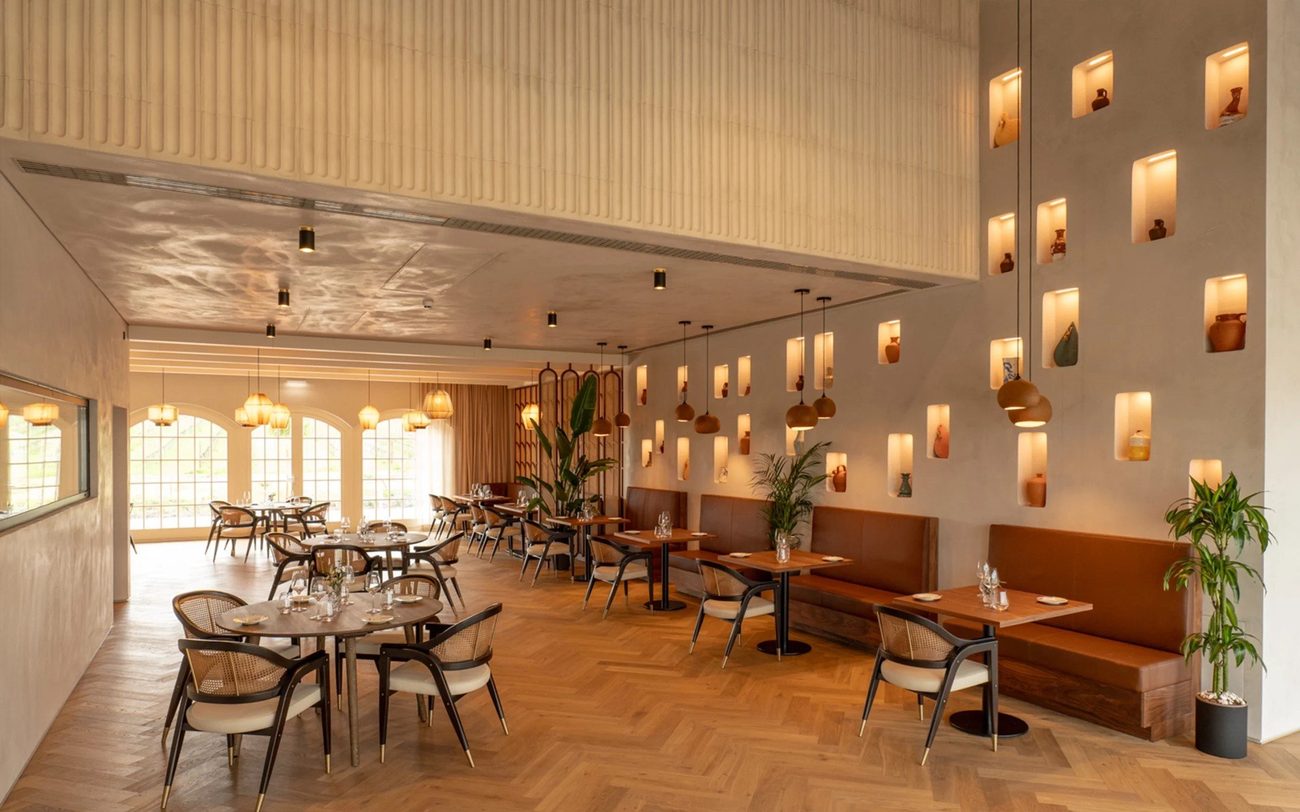
Dining is called The Wine Restaurant, and the name is not decoration. Plates are built to sit beside the estate's own bottles, and the list leans hard into the Alentejo. What holds you is the talha. Vidigueira is the heart of Portugal's amphora-wine country, where red is still made in tall clay pots the Romans would know on sight, and Paral keeps the practice working rather than framing it behind glass.
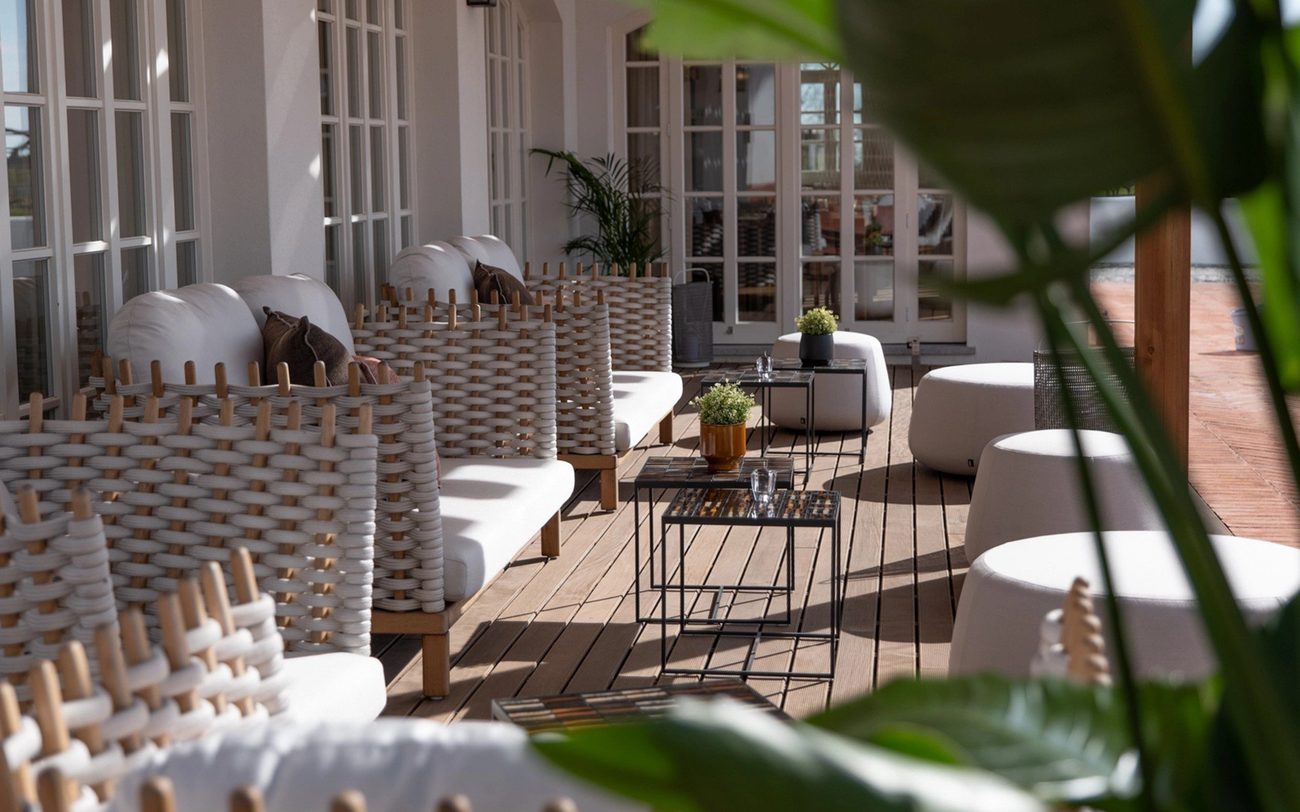
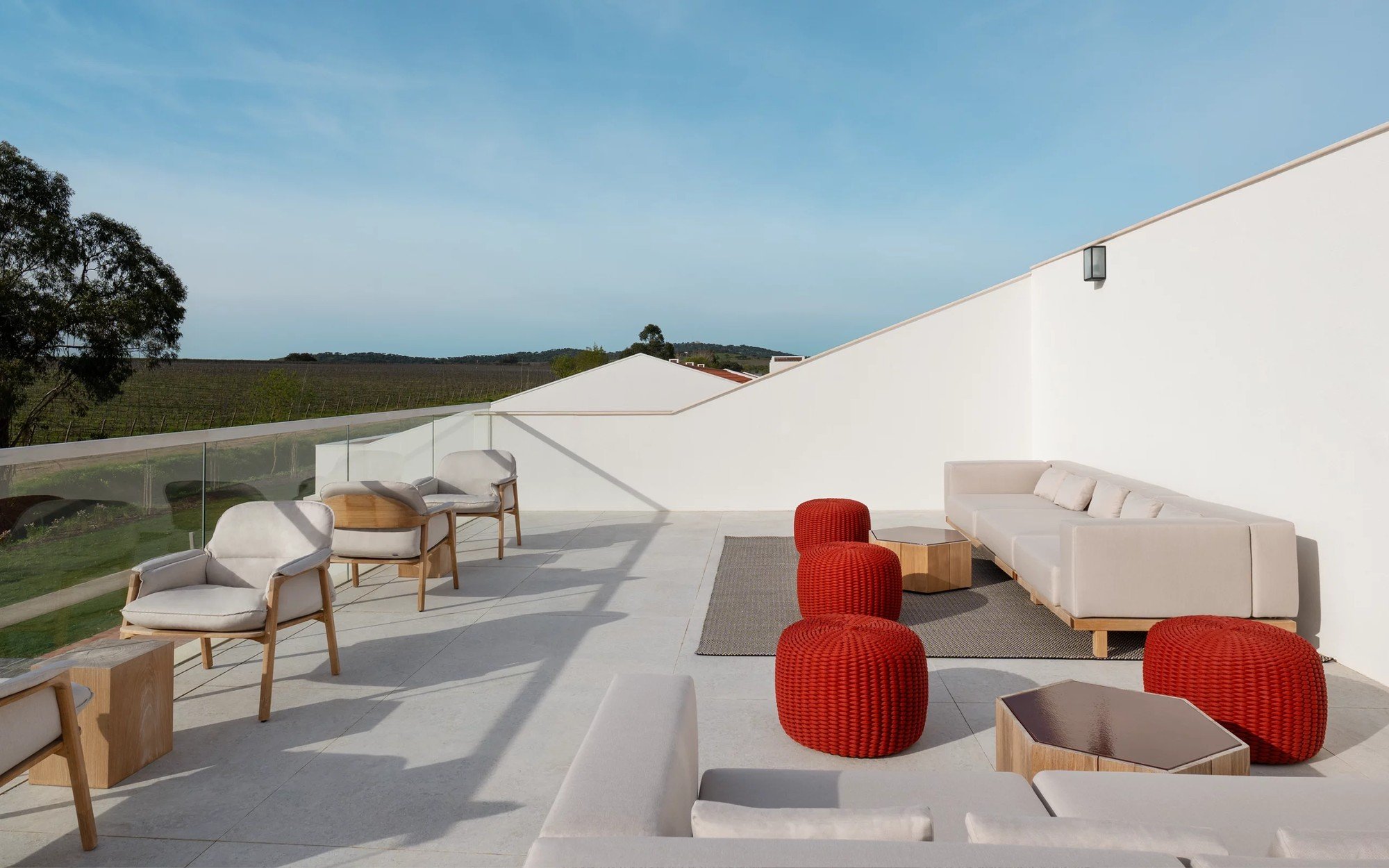
Upstairs, The Grape Rooftop opens over the vineyard, a glass in hand as the heat lifts off the fields at dusk. Two Michelin Keys followed, the guide's own mark for an exceptional stay, and for a house this young that says the rooms and the kitchen are pulling the same way.
The wine is still made in clay, the way the Romans left it.
An hour from the sea, and glad of it
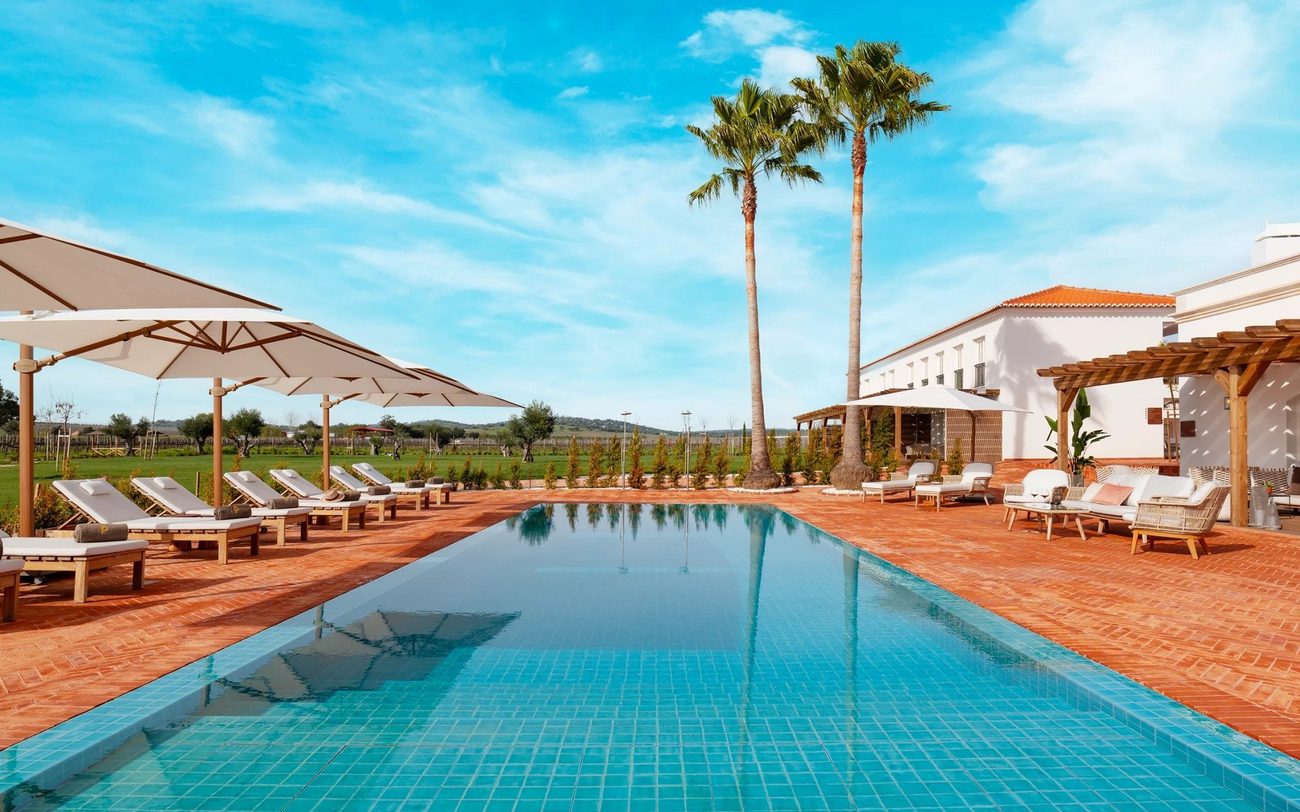
The lower Alentejo has a quiet most hotels cannot buy, and Paral has it by geography. More than thirty hectares of working vineyard run to the edge of the garden, with little else on the horizon but cork oaks and the odd white village. There is a long pool for the hot afternoons, shade where the garden has earned it, and rows to walk before dinner.
It belongs to Leading Hotels of the World now, though it carries the membership lightly. Give a day to Beja and the Roman ruins at São Cucufate, another to the wine villages around Vidigueira, and a third to doing very little, which this part of Portugal rewards better than most. It shares the plains with our São Lourenço do Barrocal, further north, and the two make a fair week between them.
Wine hotels tip easily into theatre, all barrel and no table. This one holds its line, because the vineyard is real, the kitchen is serious, and the clay in the cellar is older than the idea of luxury itself. Come for the plates and the plains, and let the talha do the rest.