Five years to bring a palace back
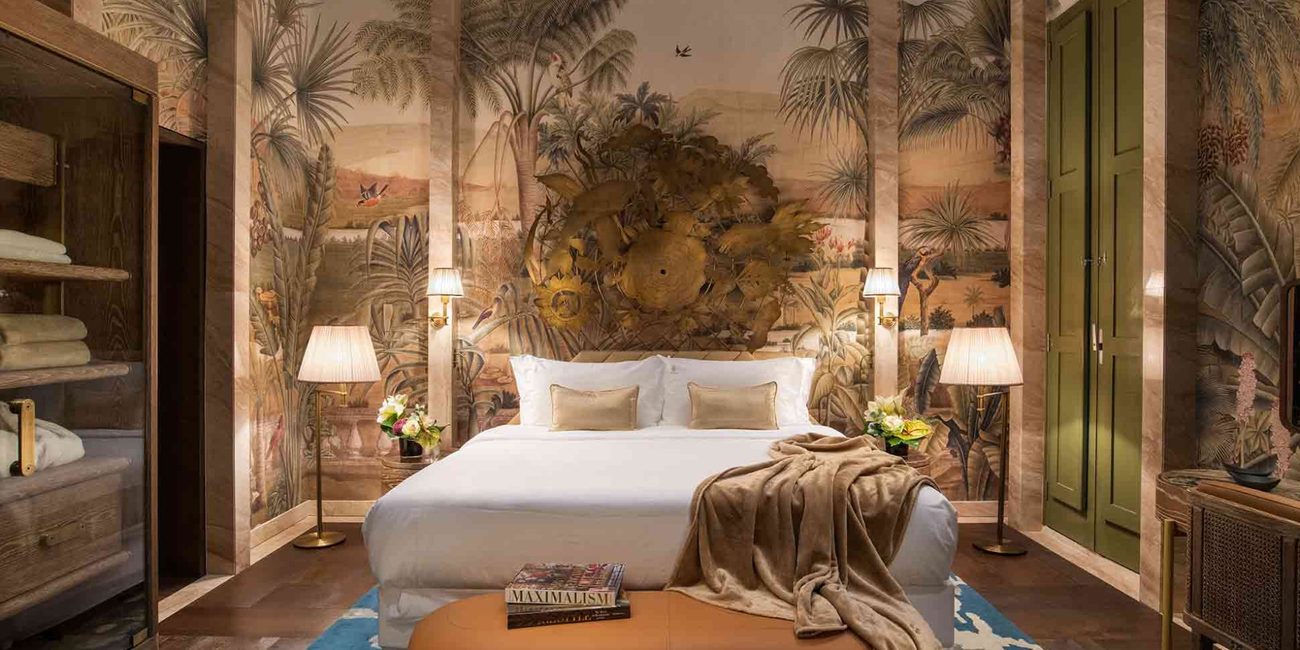
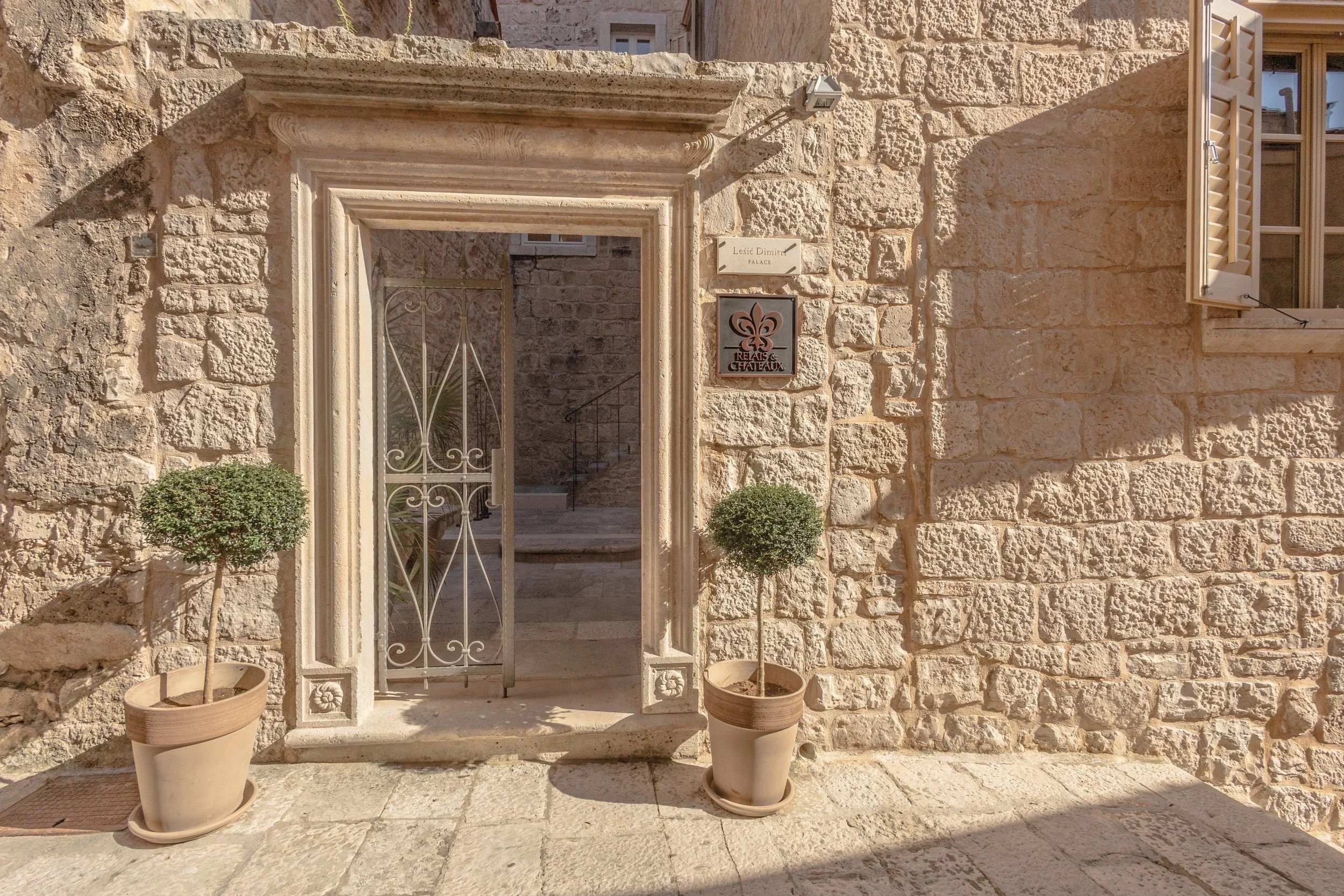
The building began as the residence of a bishop, sometime in the eighteenth century, in the tight stone grid of Korčula's old town. Bringing it back took five years, and the restraint of that work is the first thing you notice. There are only six suites. Each is named for a stop on the Silk Road, from Arabia through to Venice, and each was drawn up by an Asian-Croatian design team who read Marco Polo's route into the fabric of the rooms rather than pinning it to the walls.
It reads, in the end, as a private house with the manners of one. Carved wooden screens, a wash of colour held back before it turns loud, a terrace of your own looking over the rooftops to the water. Rooms run from a single bedroom to three, so a family can take one and close the door on the rest. A small spa sits below, cut into the cool of the stone, and the Relais & Châteaux badge on the door tells you roughly where the prices will land.
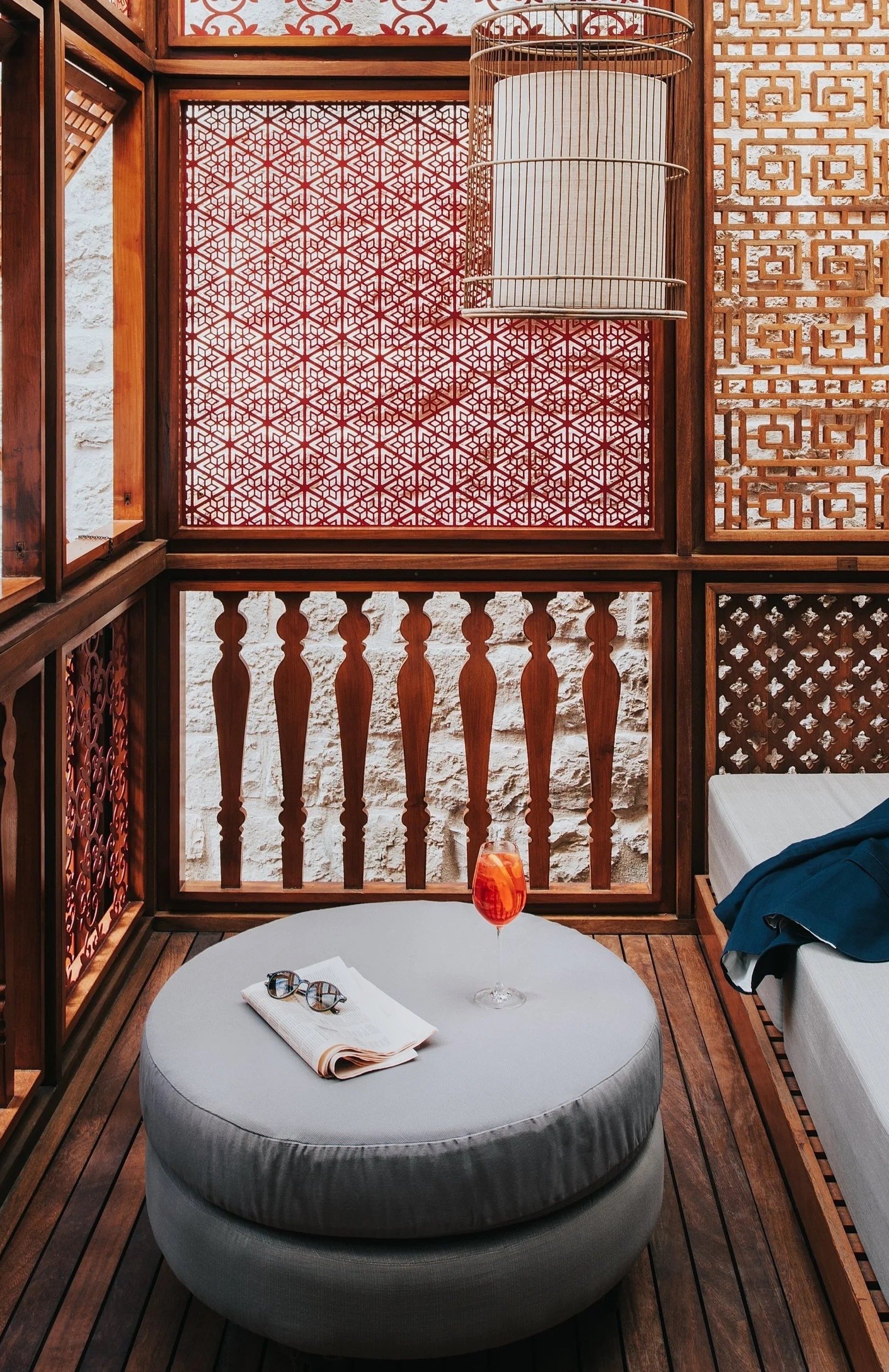

The idea is the Silk Road. The rooms carry it lightly.
A room with the walls for a garden
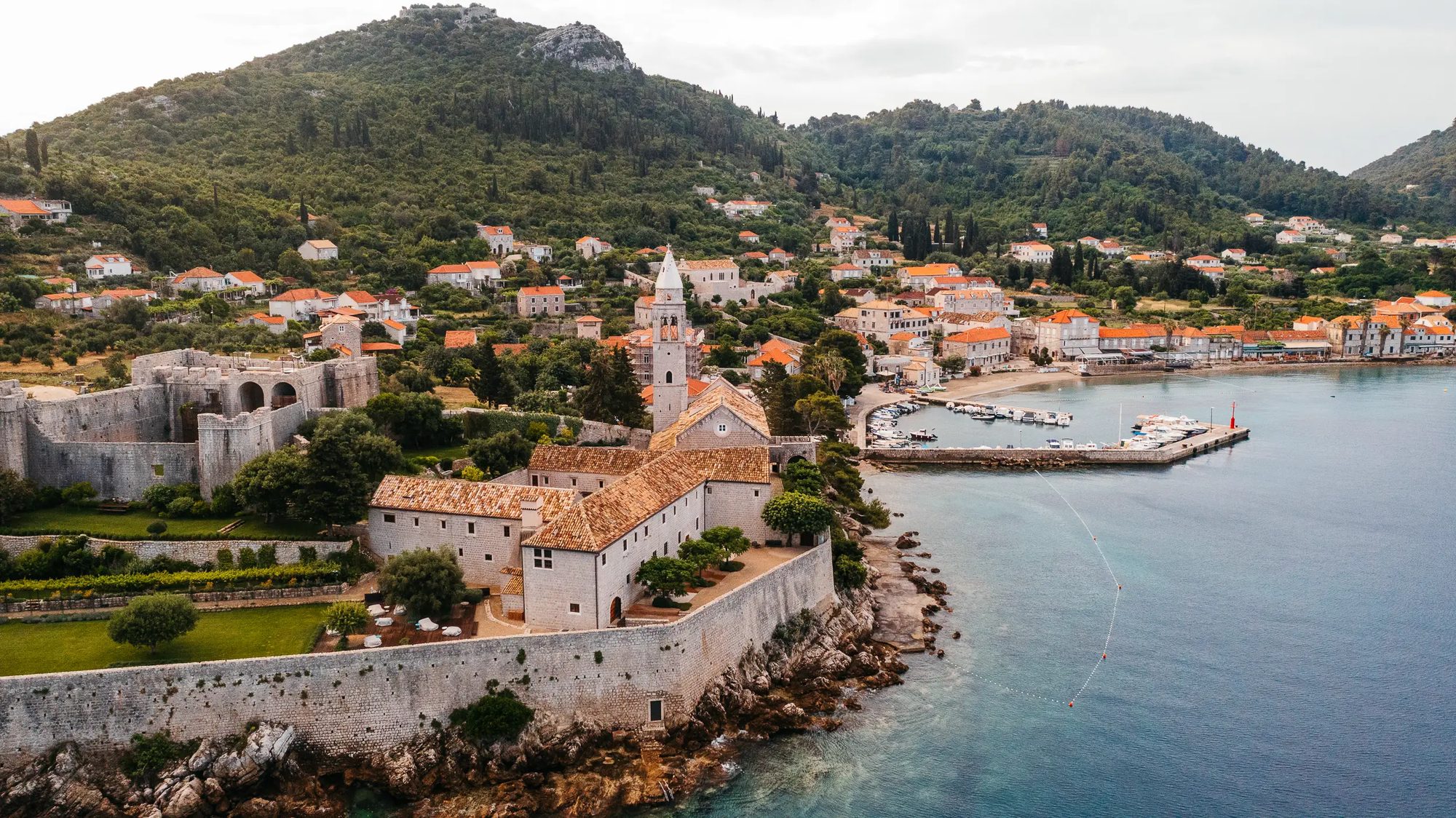
Korčula keeps its old town on a small spur of land that pushes out into the channel, a herringbone of lanes laid to catch the wind and break it before it reaches the square. The palace sits near the top of that grid. Step out of the door and you are in the town itself, not beside it, which is the whole reason to stay. The island claims Marco Polo as a son, and the house said to be his stands a short walk down the lane, a claim Venice would dispute and Korčula will not.
Across the water lie the vineyards of Pelješac, and in the other direction the archipelago runs out towards the open Adriatic. The palace keeps a boat, the Kata, for the days you want a cove to yourselves. In high summer the lanes fill and the town belongs to the day-trippers until dusk. Come either side of the peak, take a sea-facing suite, and the walls become a garden with the channel at the end of it.
A starred kitchen on the sea wall
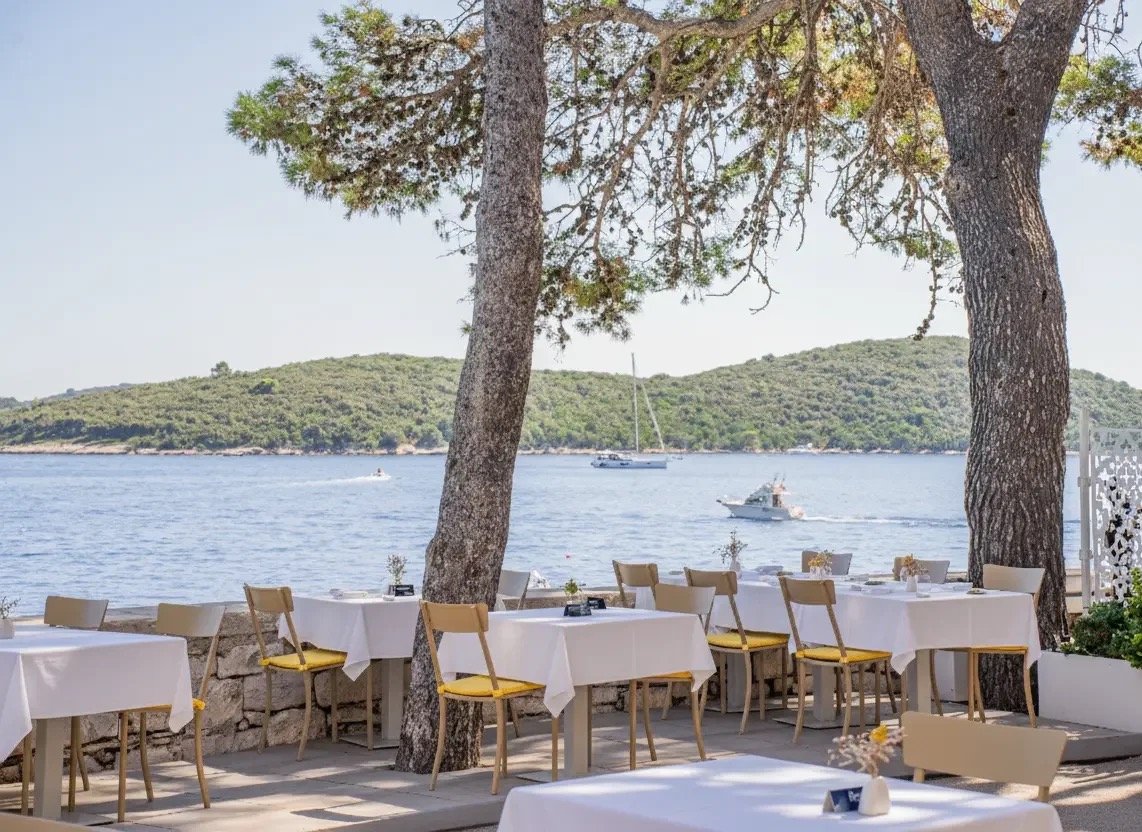
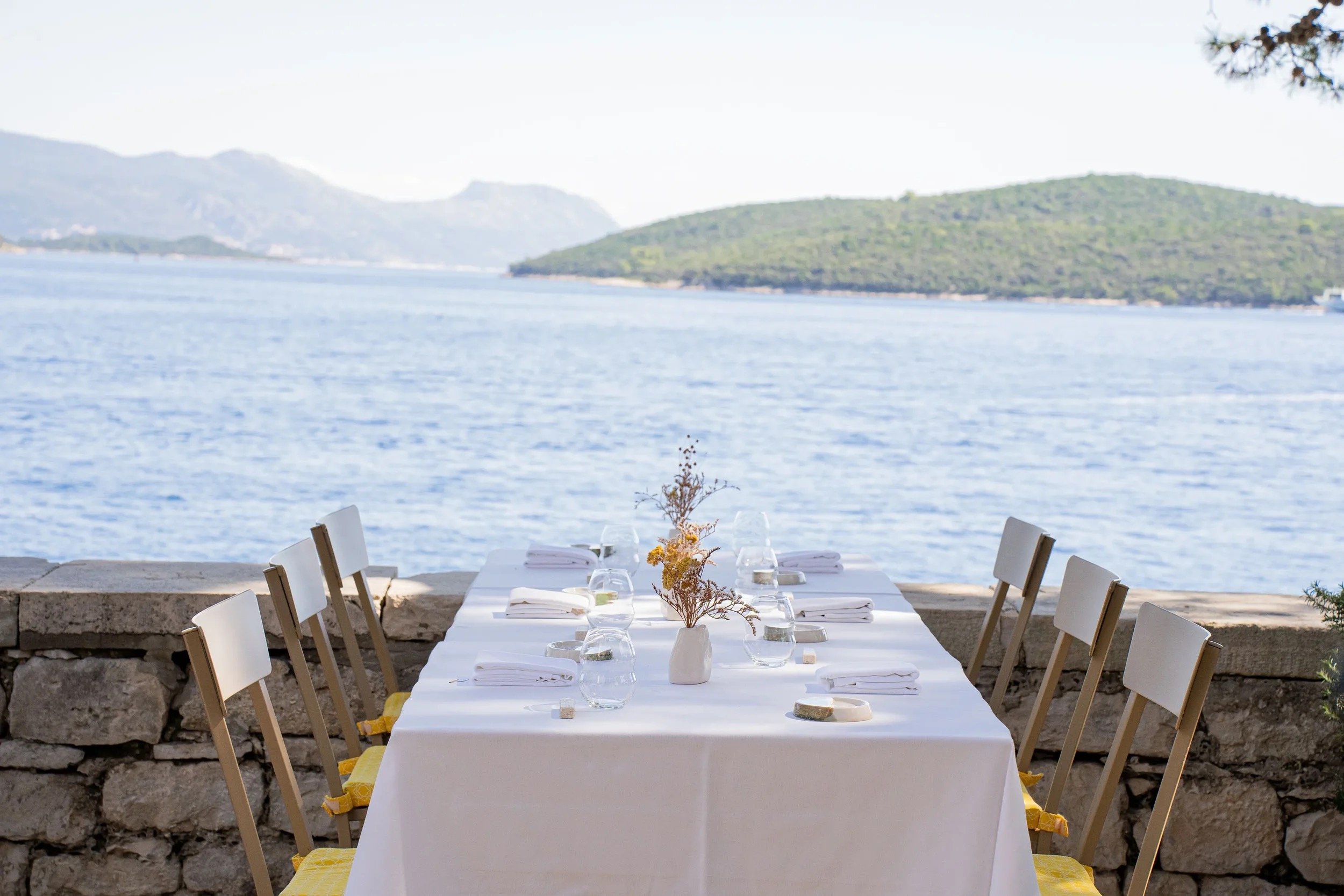
For a good number of guests the kitchen is the reason they come at all. LD Restaurant holds a Michelin star, and has done since 2020, its terrace set along the medieval wall with the Pelješac channel below and the mainland mountains across it. Marko Gajski cooks close to the island: fish landed near enough to name, the produce of the Dalmatian gardens above and below the waterline, wild herbs and olive oil and the aromatics the coast grows without being asked. The way to eat here is the tasting menu, worked through glass by glass, and the cellar is in serious hands, its sommelier decorated by Michelin in his own right.
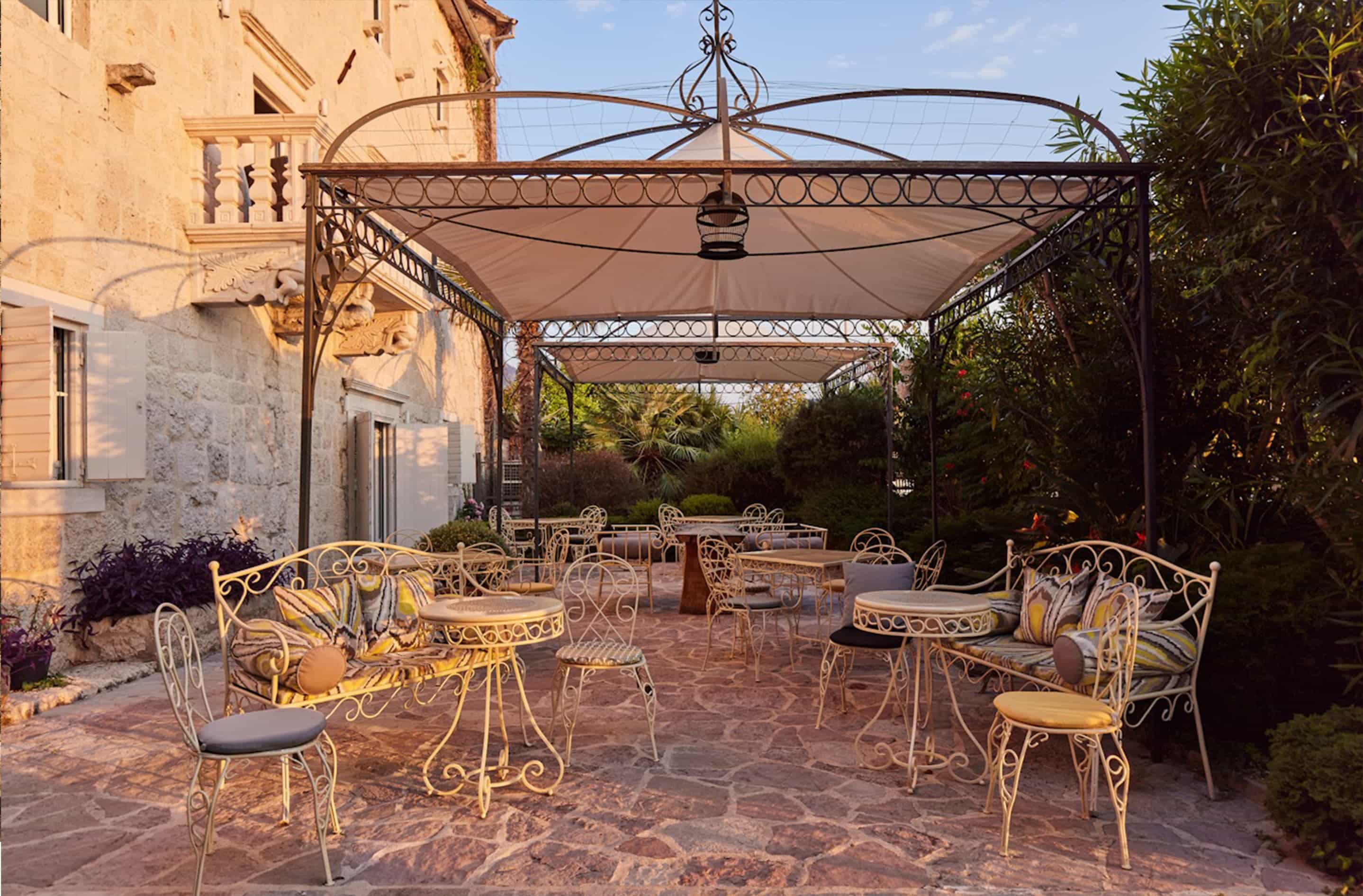
For something looser there is LD Garden a few steps off, a bistrot for sharing plates and a cold glass of Pošip, the white the island presses, late into the evening. The two together give the house a rare completeness. You can eat the grand meal and the easy one without leaving the walls.
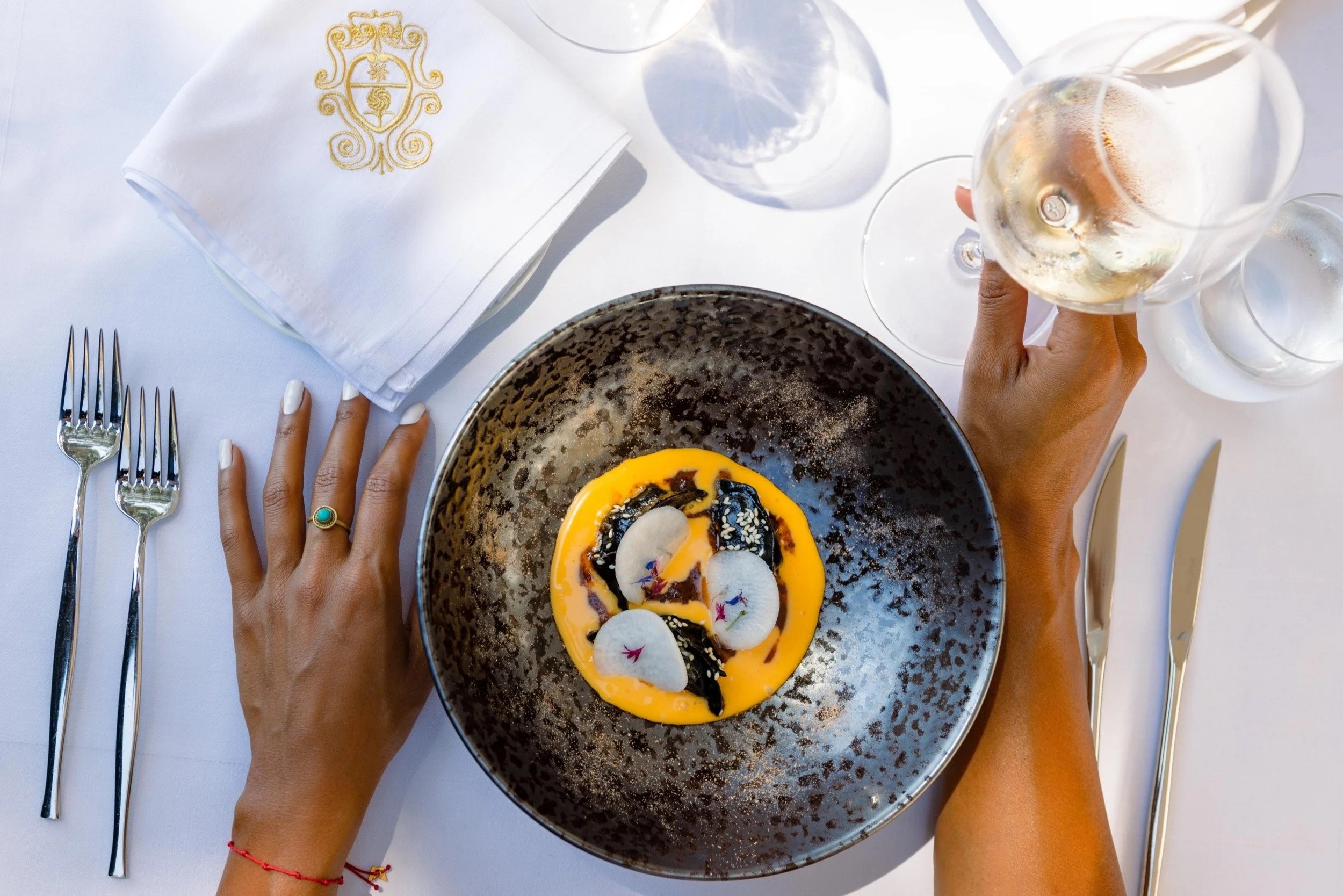
Small hotels inside working old towns are hard to get right, and most either flatten the history or fuss it into a museum. This one does neither. Six keys, a quiet spa, a starred table on the wall and a boat for the water, all of it inside a palace that took five years and no shortcuts to bring back. Come for the town and the kitchen, either side of the August crush, and you have one of the Adriatic's best-kept rooms with Korčula for a garden.
Photos: Lešić Dimitri Palace (official), with credit.