A wall that meets you at the water
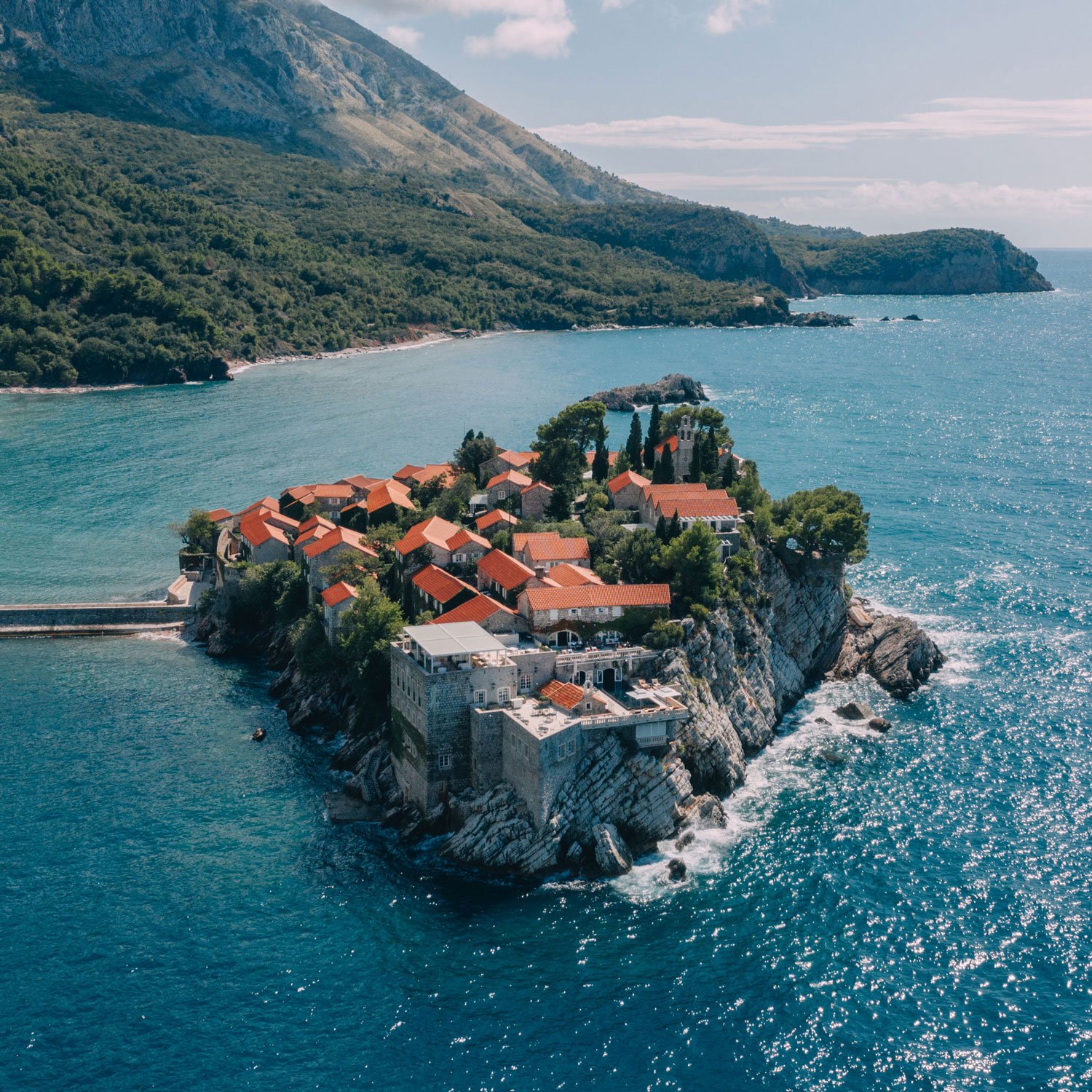
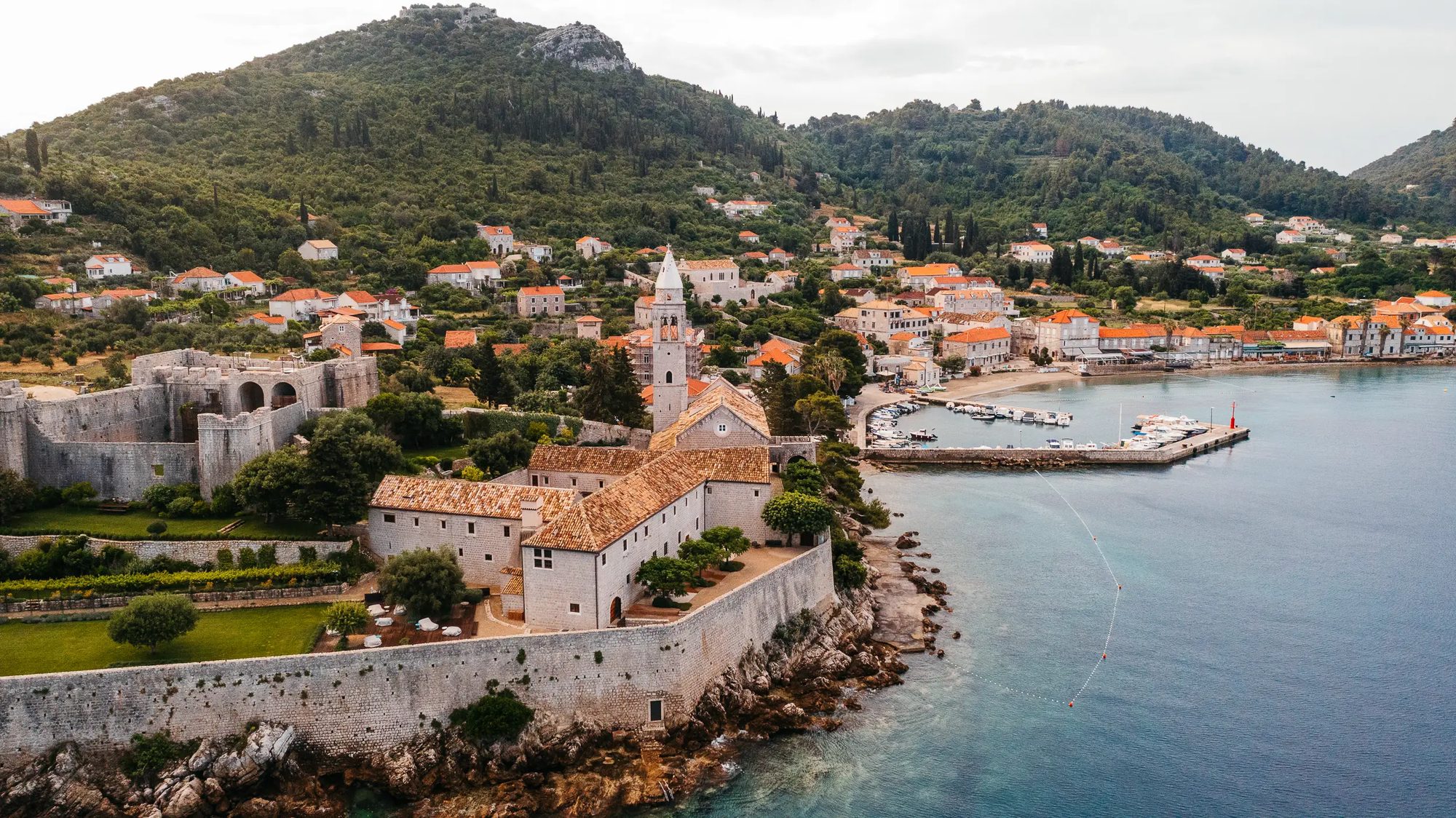
Lopud is one of the Elaphiti islands, the little green string that trails north-west from Dubrovnik, and it allows no cars. You come in on a boat, and the first thing you meet is the monastery, because it was built to be met that way. It holds a fortified point at the edge of the village, a bare rampart of dressed stone dropping to the sea, with a squat defensive tower at one corner and the church tucked in behind. In the fifteenth century this coast lived under the threat of raiders off the water, and the Franciscans built accordingly. The walls are not decoration. They are the reason the place is still standing.
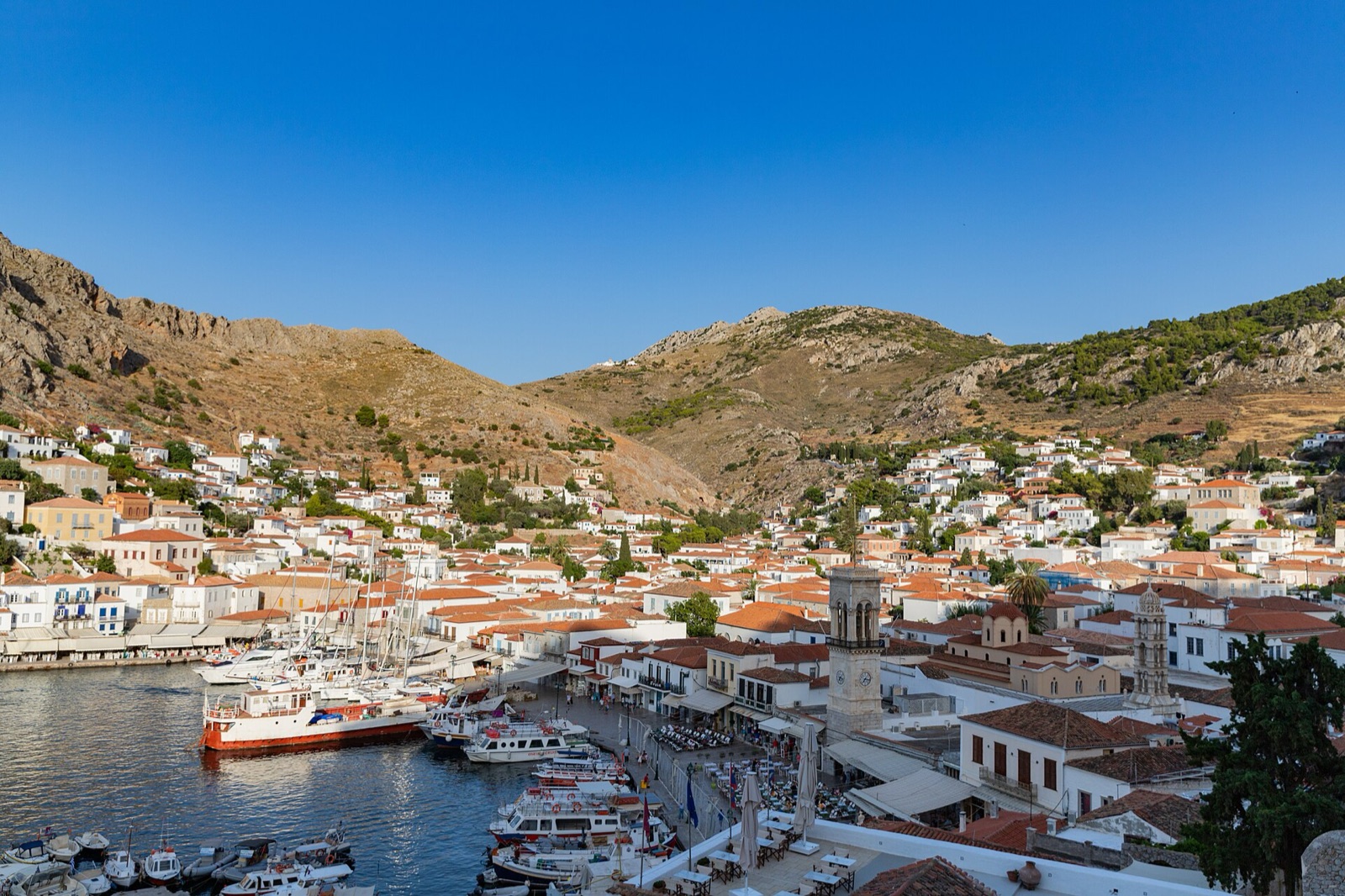
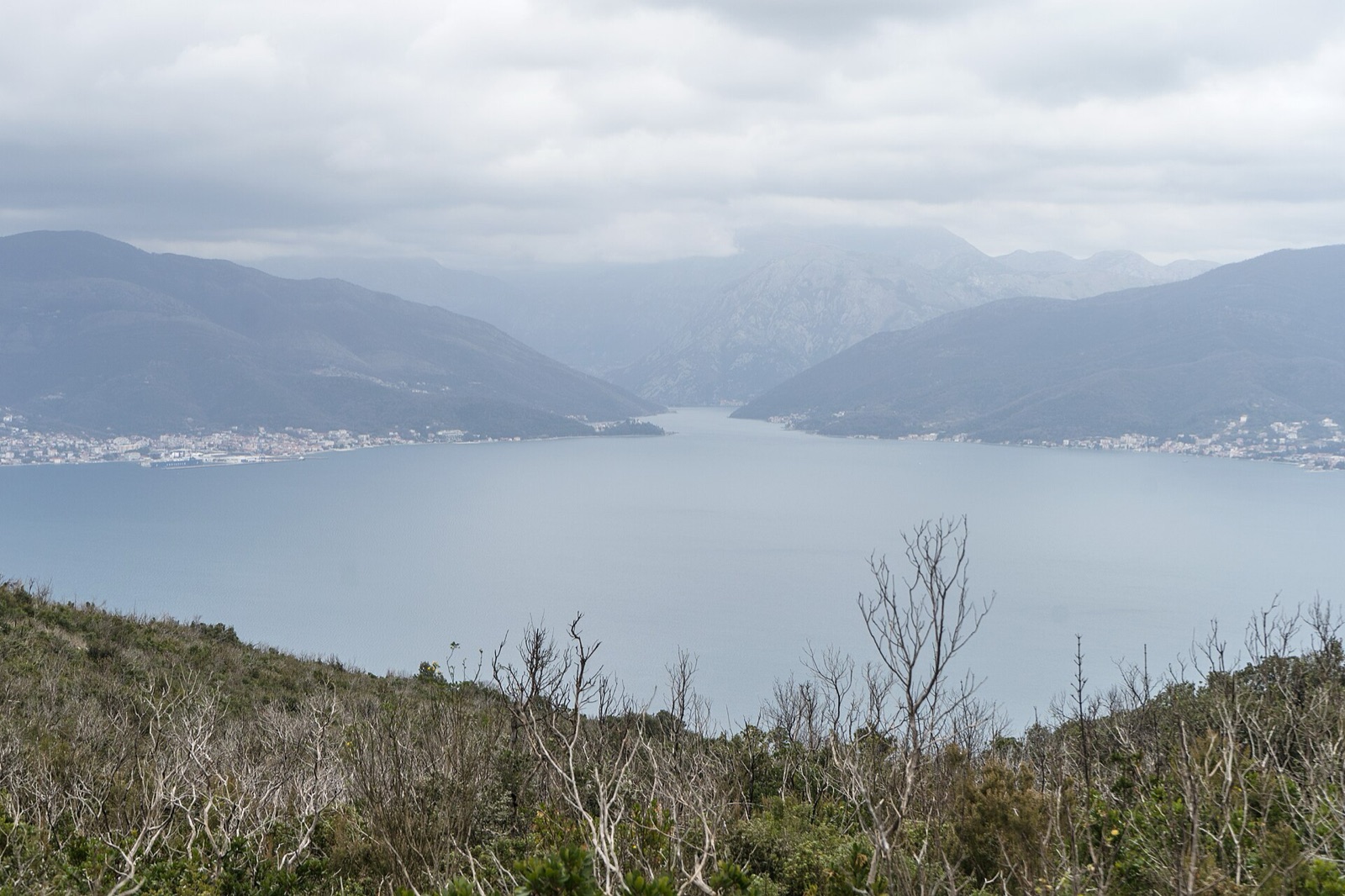
What that geography buys a guest now is silence and separation. The village runs along the bay, quiet even in season once the day boats have gone, and the monastery keeps to itself on its rock, half garden and half fort. From the ramparts the ground falls away to a small private beach and the clear channel between the islands, with Šipan and Koločep low on the horizon. It is close enough to Dubrovnik to see the sense of it and far enough to leave the crowds on the mainland, which in a July when the old town is heaving is no small thing.
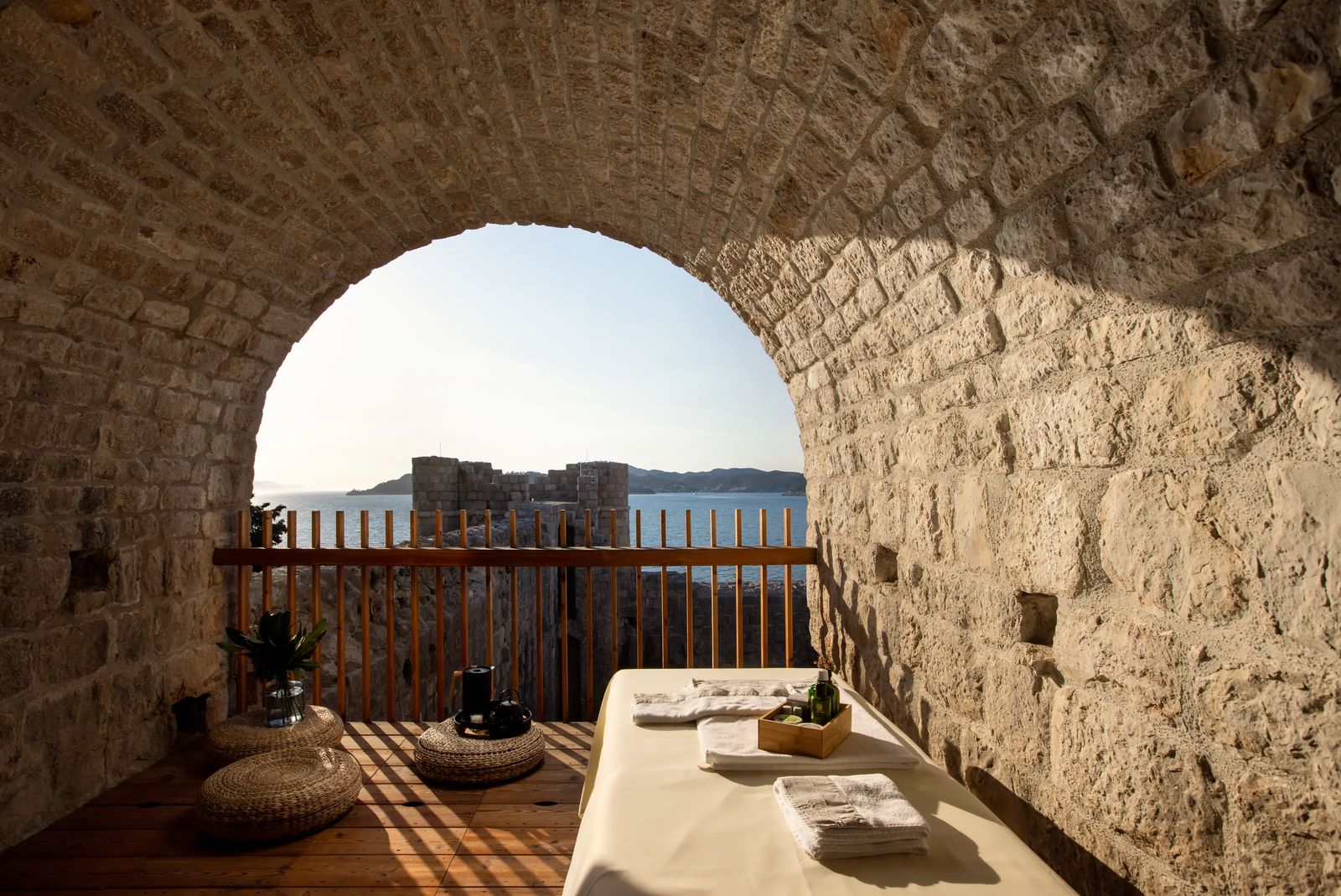
The walls are not decoration. They are the reason it still stands.
Two decades, thirteen cells, five rooms
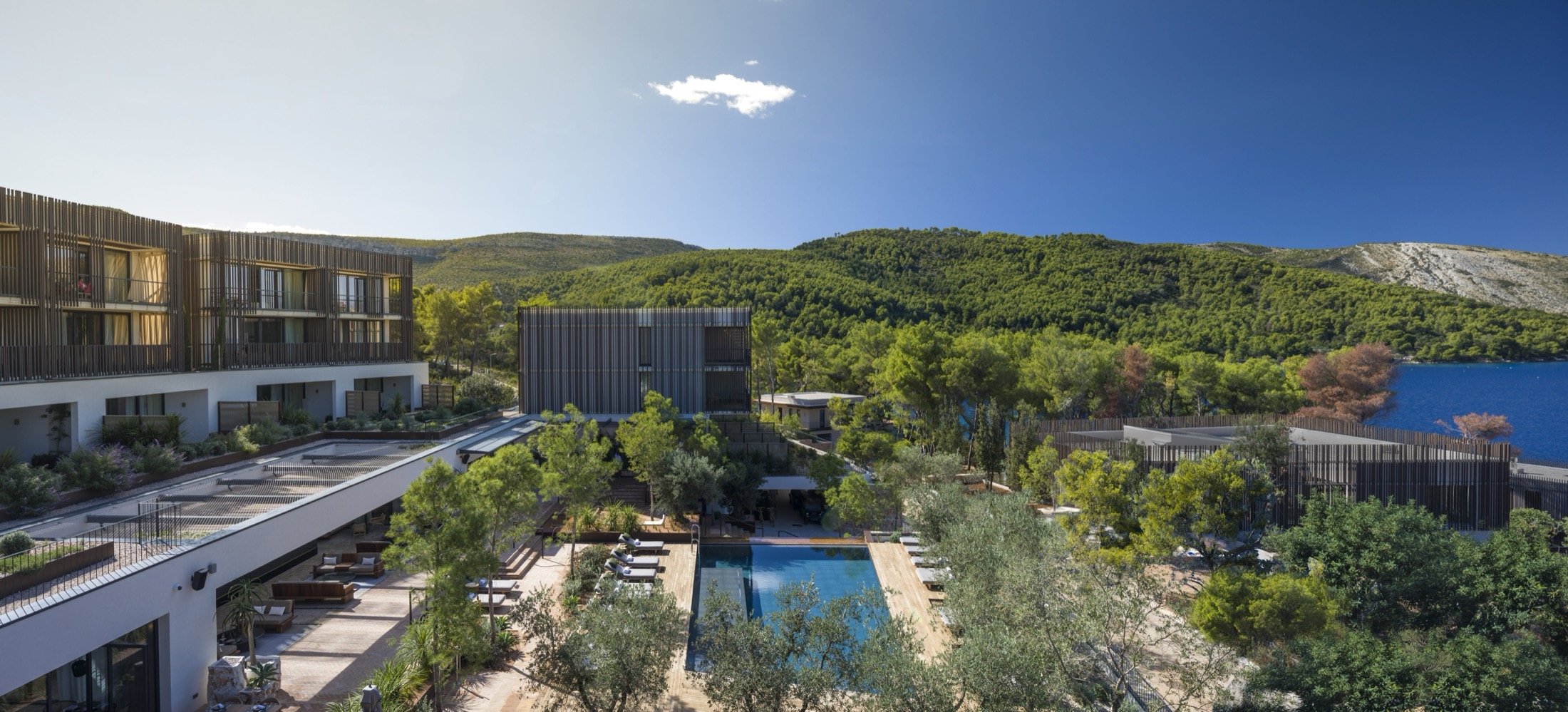
Francesca Thyssen-Bornemisza took on the ruin and gave it the better part of twenty years. The restraint is the whole story. Sixteenth-century plaster was kept where it survived, marks and all; the thirteen monks' cells were reworked into five suites rather than carved up for numbers; the fortifications and the church were left to speak for themselves. There are only five rooms now, named for the island's growing things, Ocean, Lavender, Olive, Rosemary and Sage, each with its own bathroom and a window turned either to the sea or to the healing garden below. The joinery was made to measure and the old plastering techniques were followed rather than faked. Nothing shouts.
Then there is what hangs on the walls. Old Master paintings sit beside contemporary work from the family's TBA21 collection, a Renaissance canvas above a long refectory table, a modern piece down a stone corridor, none of it fighting the rooms it is in. The low seating and the beds are Paola Lenti, soft and quiet against the hard stone. You are, in effect, sleeping inside a private collection that happens to hold thirteenth-century masonry as one of its pieces. The art is not a flourish added at the end. It is the point the restoration was built around.
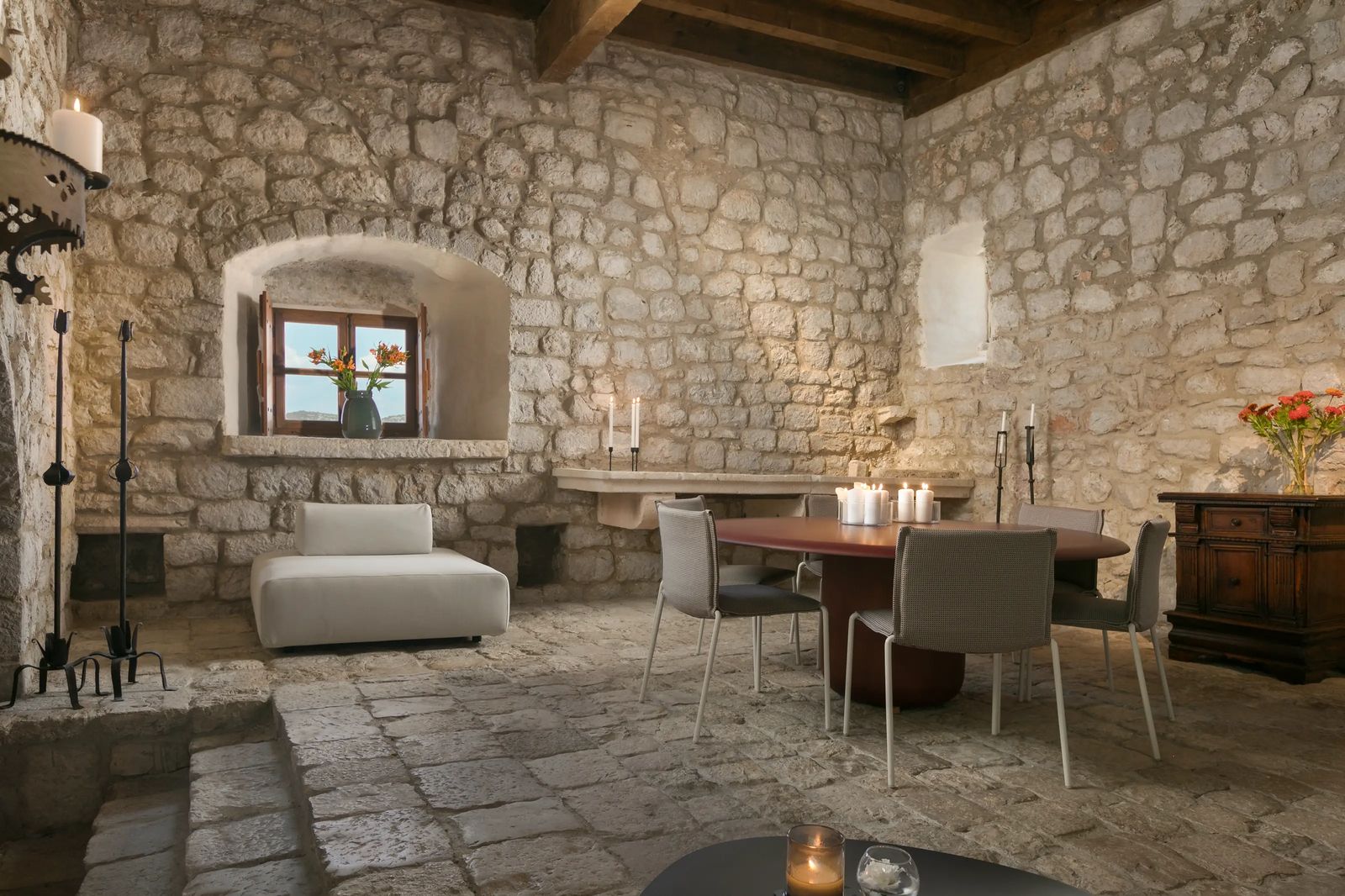
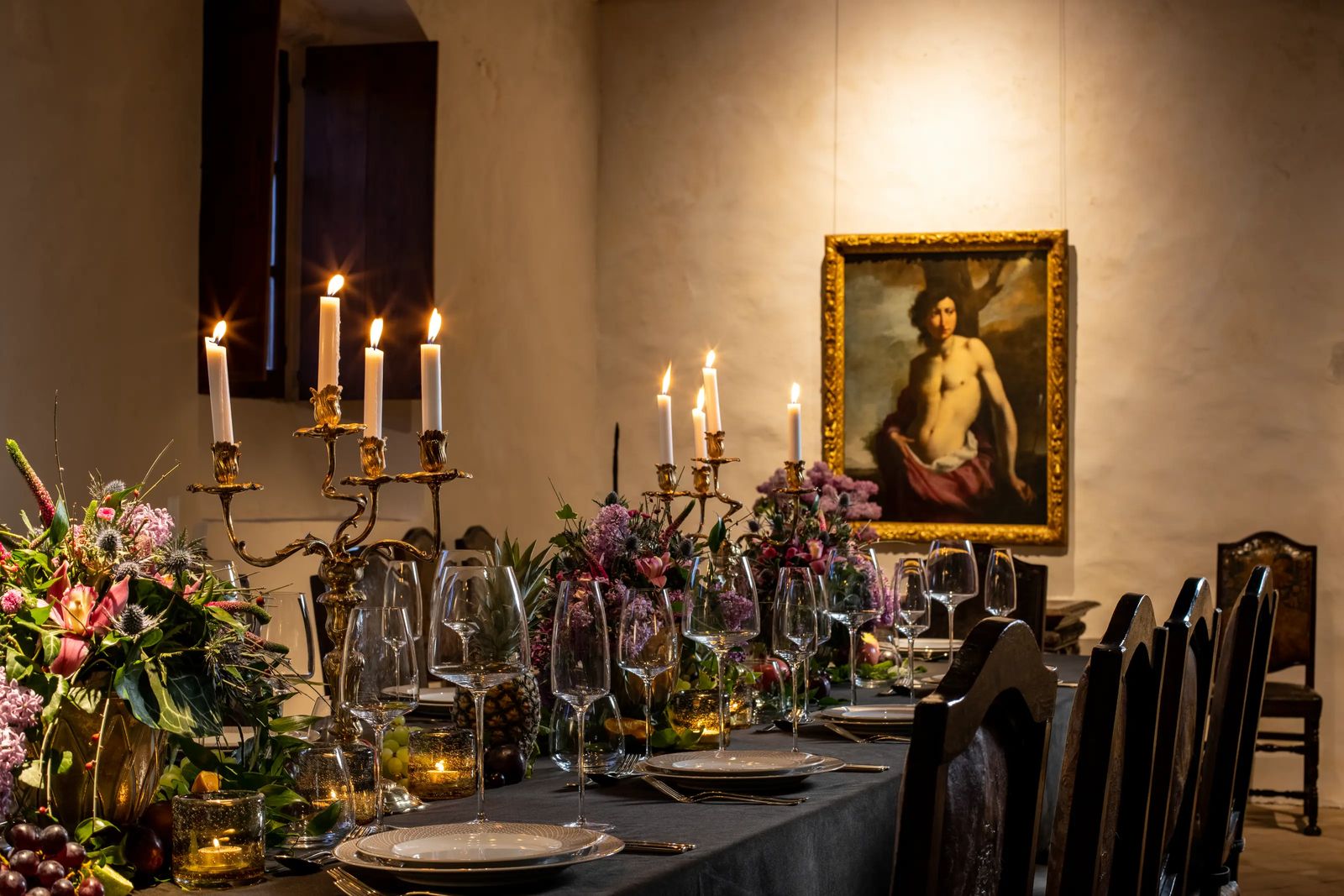
You sleep inside a private collection that happens to hold the stone as one of its pieces.
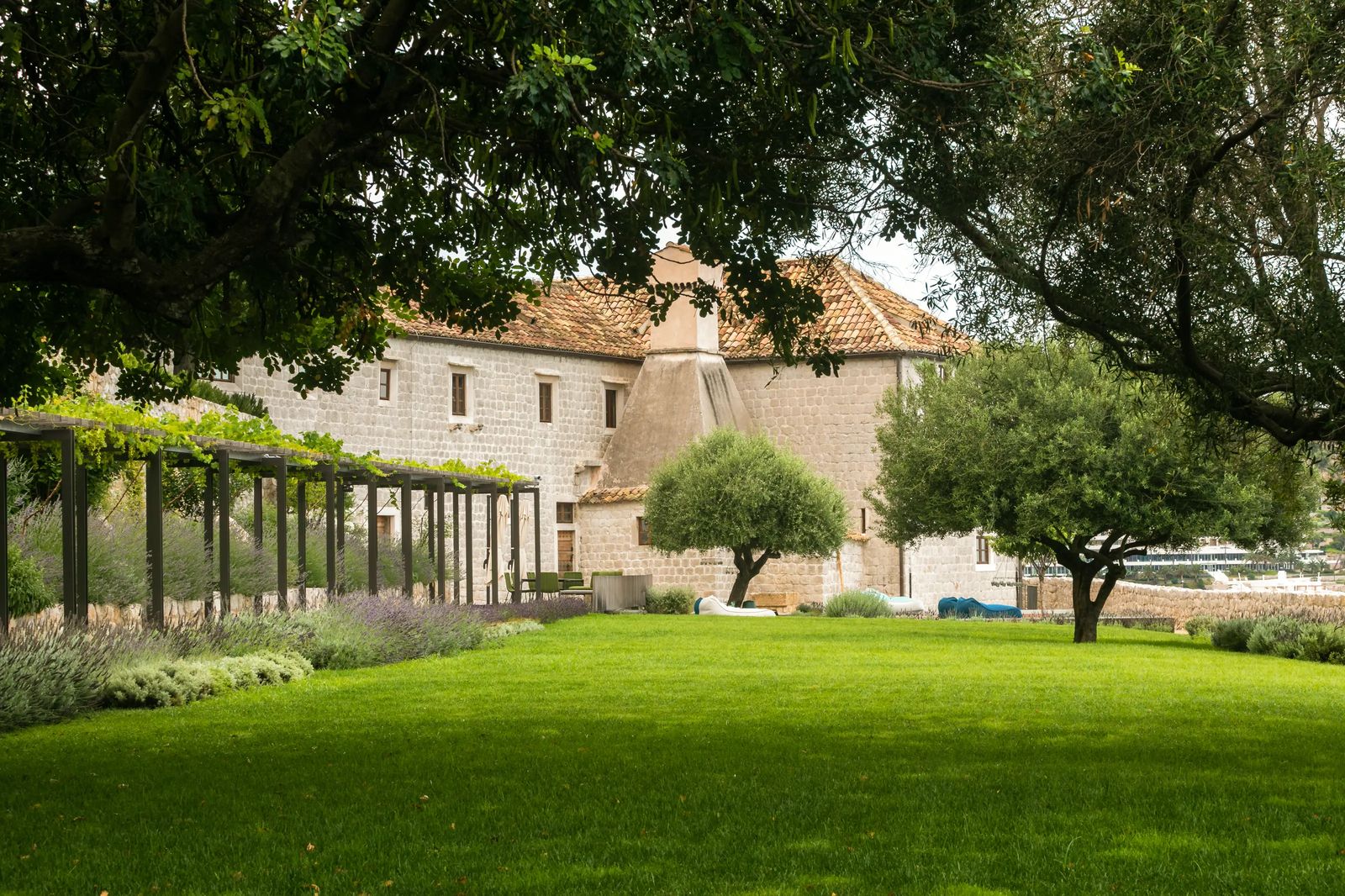
A house you take whole
There is no restaurant here in the ordinary sense, and no menu on a stand, because the monastery goes to one party at a time. It is taken for exclusive use, and a chef cooks for whoever has it, off the walled garden and the day's catch out of the channel. You eat where the evening suits: the long refectory table under its painting, the cloister as the light goes, a terrace on the walls with the sea turning dark below. Dalmatia hands the kitchen its raw material and the setting does the rest. You tell them ahead what you want, and the week is built around it.
The garden earns its own paragraph. It runs to medicinal herbs and lavender behind the ramparts, a working plot rather than a decorative one, and the cloister at the centre of the house is the quiet heart the monks would recognise: arched, shaded, cool through the afternoon. A hammam is cut into the lower floor and the ground drops to that private beach and the clean water beyond. The catch, for anyone weighing it, is in the model. You cannot book a single room. The whole place goes at once, which puts it firmly in the gathering-and-celebration bracket rather than the weekend-away one.
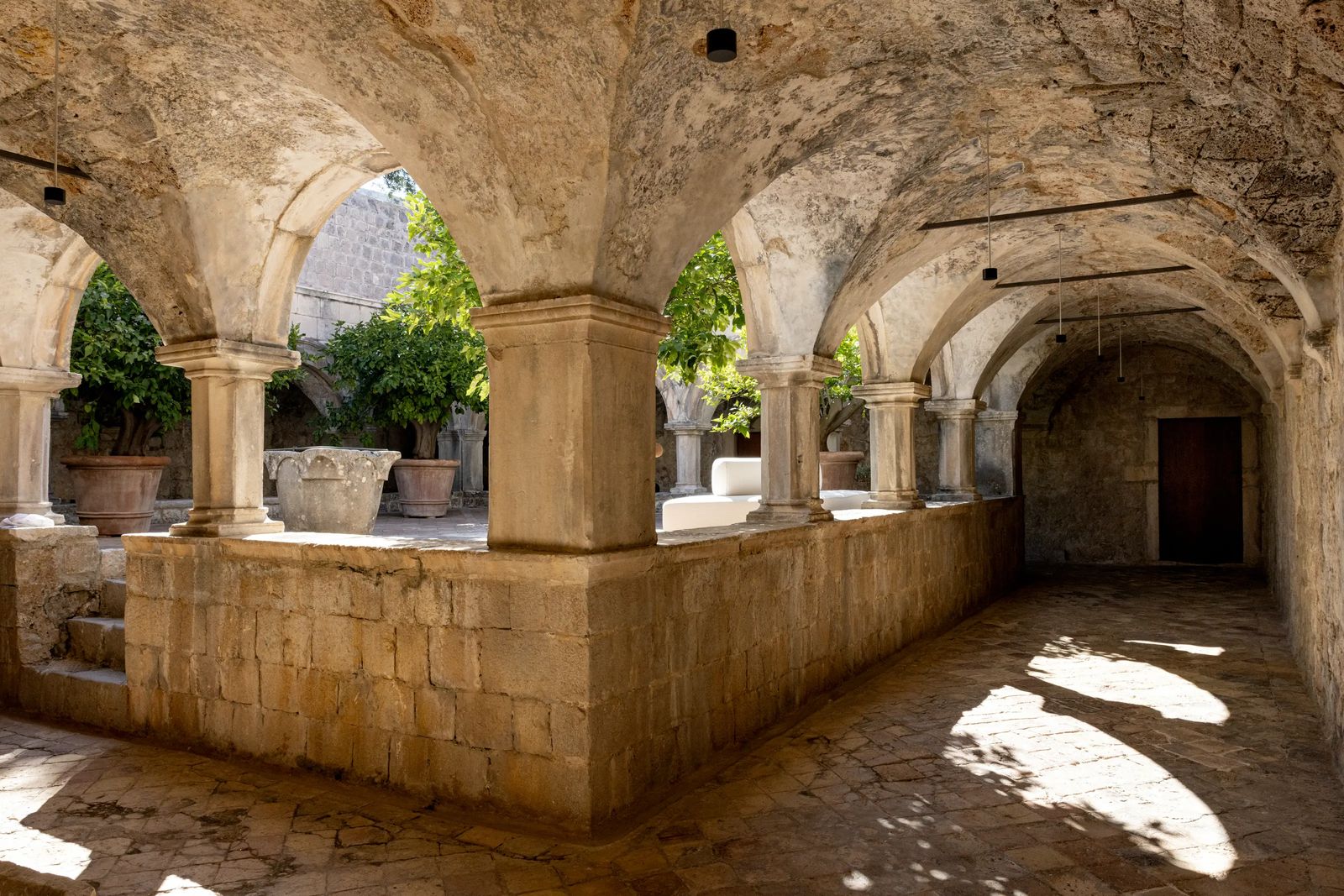
Come with the people you would fill it with.
Croatia's coast is loud now, and Dubrovnik in high summer is no one's idea of quiet. Lopud 1483 is the way around that: a car-free island a short crossing offshore, a monastery you have entirely to yourselves, art you would queue for on the mainland hung where you take breakfast. We would come for the building alone. Be clear on what it is, though. This is not a hotel you drop into for a night; it is a whole house for exclusive use, best given several days and the right people to fill its five rooms. Take it whole, let the island keep the cars and the crowds out, and the twenty years of patience make their own case. That is why it is in VANE.
Photos: Lopud 1483 (official), self-hosted with credit.