A monastery keeps a library the way it keeps a garden, out of sight and for its own reasons. For centuries these rooms were the only places a manuscript stood a chance, copied by hand, chained to a desk, guarded by the same walls that guarded the monks. Most of the sea's great collections are still where they were made.
Some you can walk straight into. Others ask for a letter and a reason. We have gathered five around the Mediterranean where the shelves are the point, where the room and the books have aged together and the reading light falls where it always fell. Go for the stone as much as for the pages.
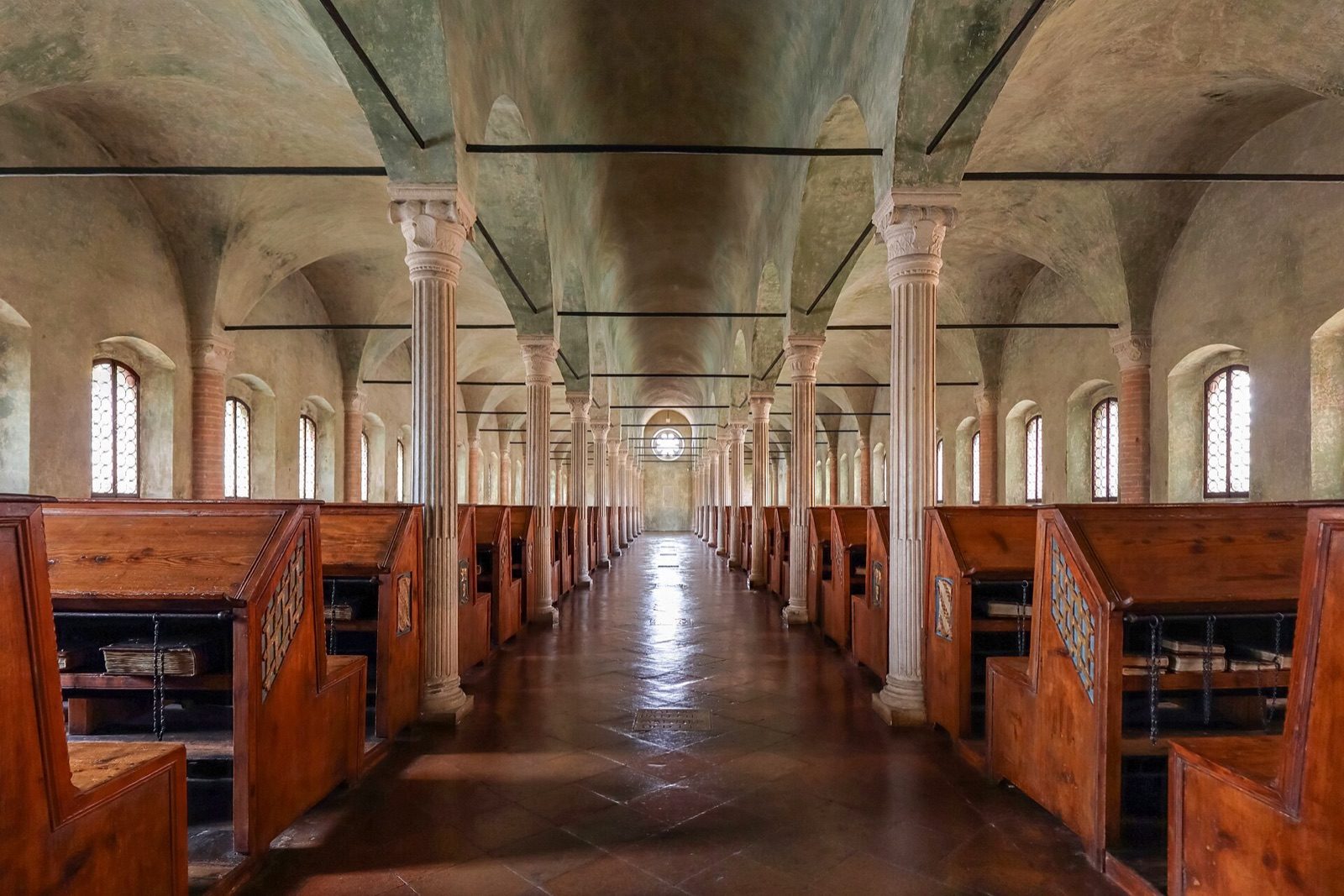
- Biblioteca Malatestiana, Cesena. Opened in 1454 for Malatesta Novello and handed to the town rather than the church, it is the one humanist library to survive intact. Fifty-eight wooden lecterns run down a long aisled hall, 343 books still chained where readers left them. UNESCO added it to the Memory of the World register in 2005, the first Italian entry. You walk in off the piazza and nothing has moved.
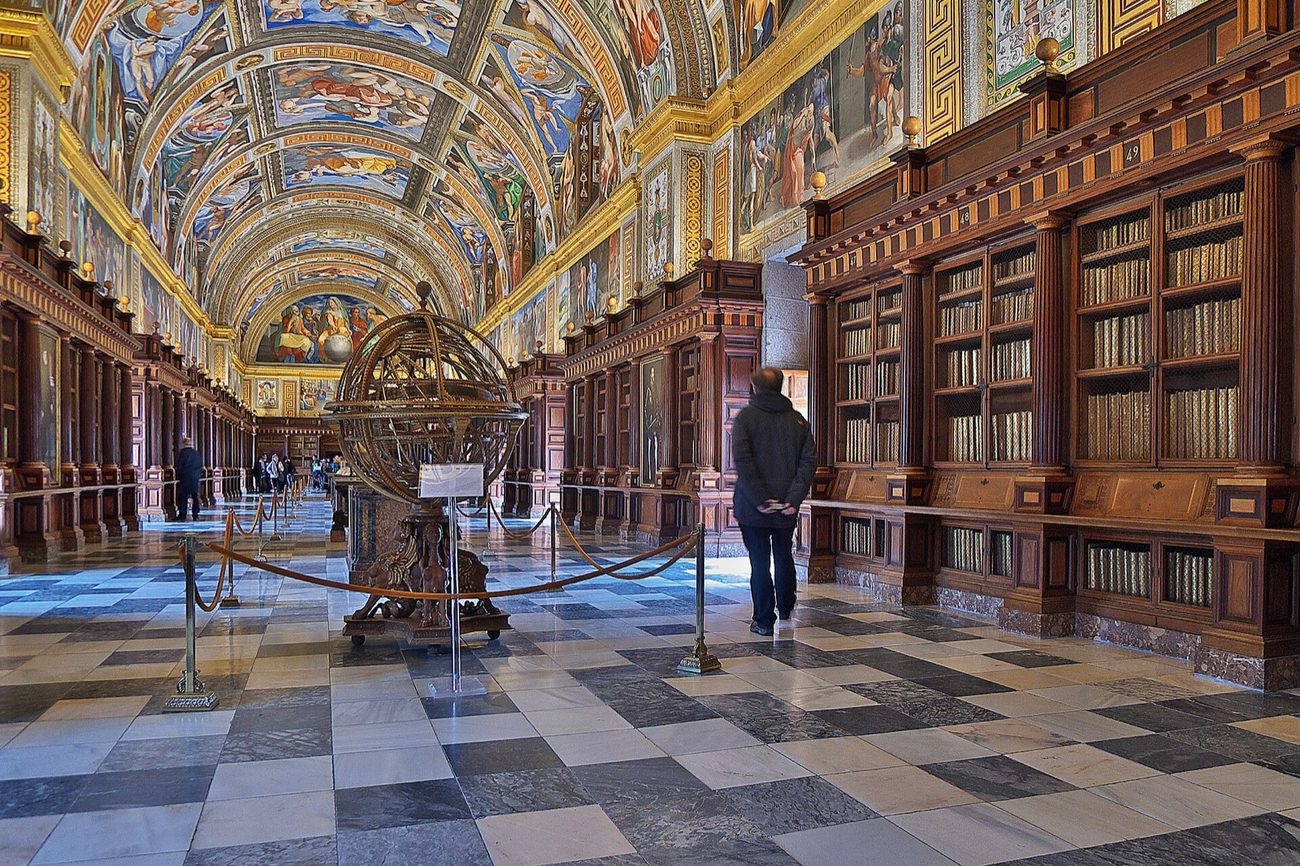
- The Royal Library, El Escorial. Juan de Herrera's hall runs 54 metres under a vault Tibaldi painted with the seven liberal arts. Philip II shelved his 40,000 volumes fore-edge out, spines hidden, a system meant to protect the paper rather than flatter the titles. Greek, Hebrew and Arabic manuscripts sit behind glass. It is an hour from Madrid and open to anyone with a ticket.
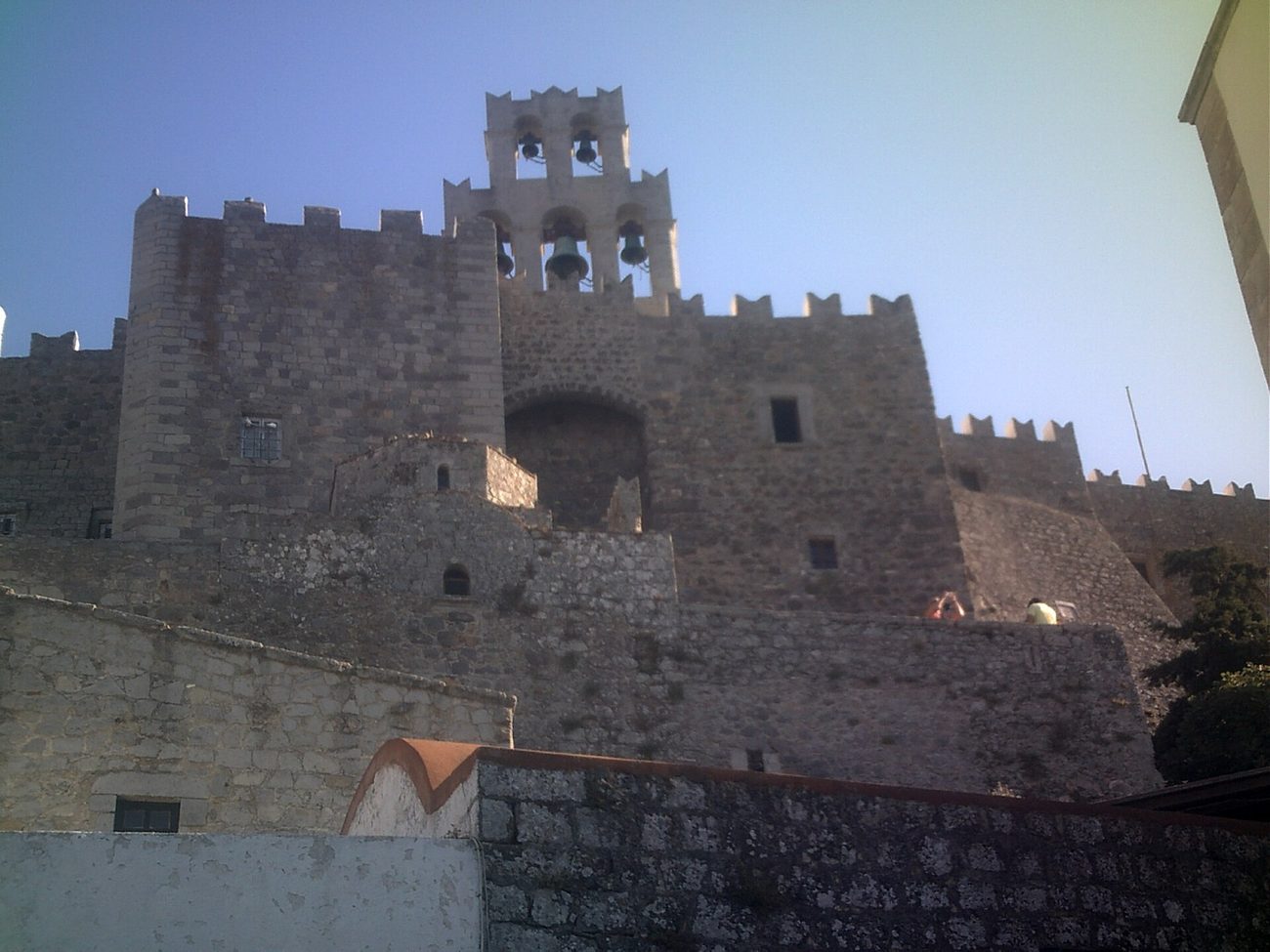
- Monastery of Saint John the Theologian, Patmos. Founded in 1088 by Christodoulos on the island where John is said to have written Revelation, the monastery has collected since its first year. Roughly 900 manuscripts and 13,000 documents survive behind the fortress walls, with the treasury showing a rotating few. You climb the white lanes of Chora to reach it, the sea at your back the whole way.
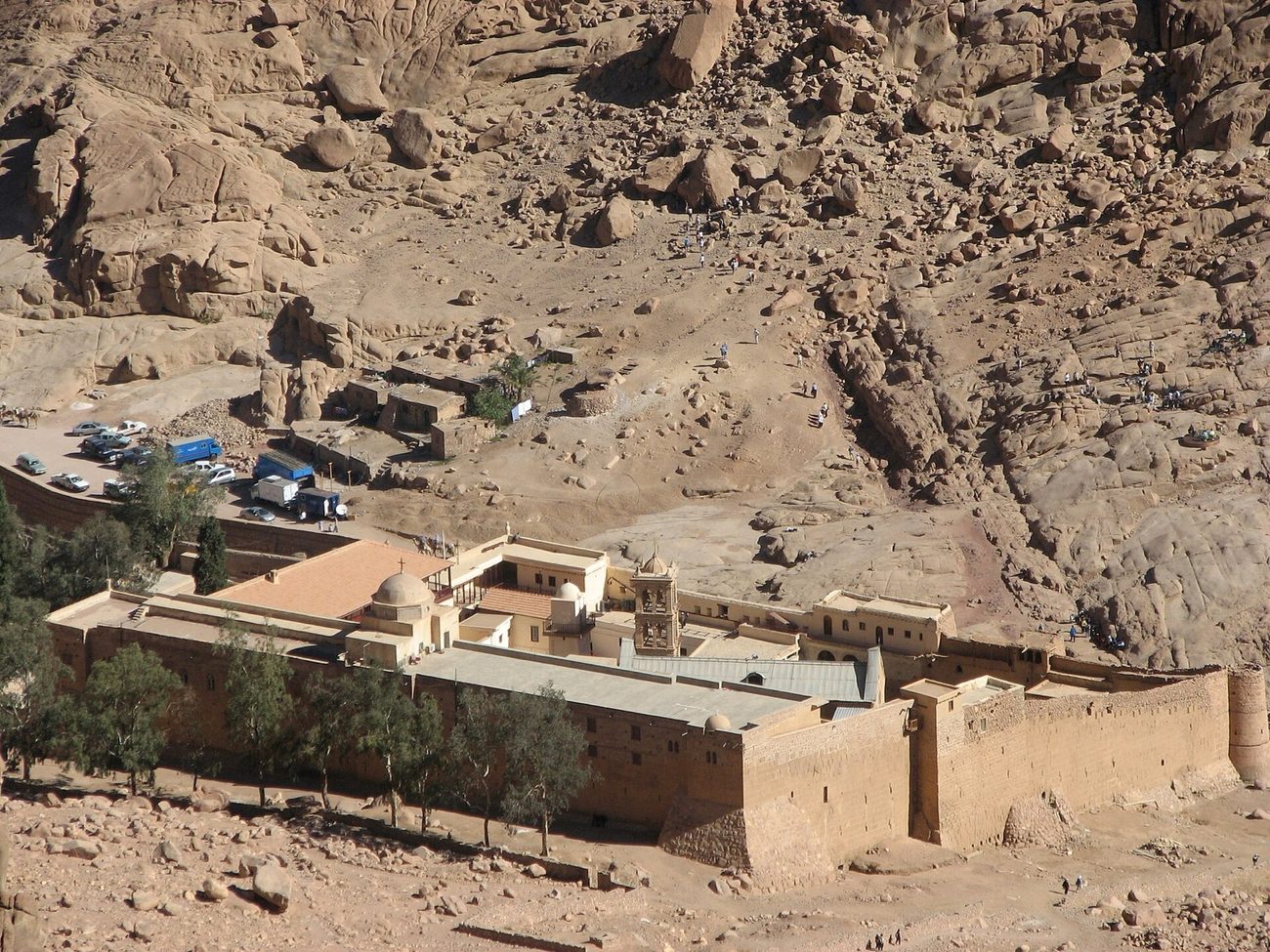
- Saint Catherine's Monastery, Sinai. At the foot of the mountain, this is the oldest library still working, unbroken since Justinian built it between 527 and 565. It holds more early codices than anywhere but the Vatican, some 4,500 in thirteen languages, and it is where the Codex Sinaiticus surfaced. The drive across the desert is long and the manuscripts are for scholars, but the place earns it.
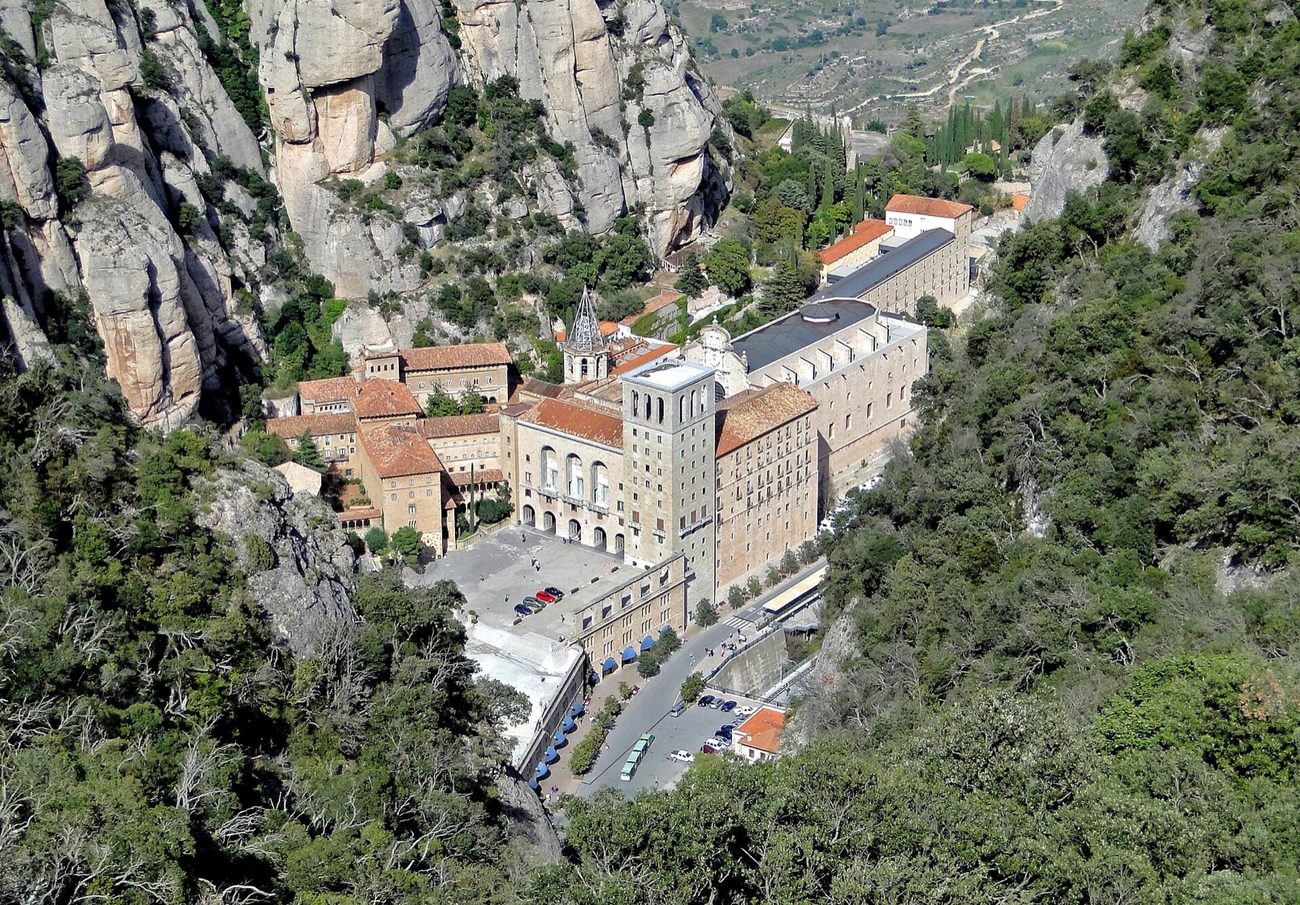
- Abbey of Montserrat, Catalonia. Its scriptorium was copying by the twelfth century, high on the serrated mountain above Barcelona. The library now keeps around 1,400 manuscripts and 400 incunabula, Latin through to Coptic. This one you arrange first, a note to the archivist, then a train and a cable car, and the reward is a working collection a thousand years deep, still in the hands that made it.
From El Escorial and Patmos to Sinai and Montserrat.
Photos: Jose Luis Filpo Cabana, Wikimedia Commons (CC BY 3.0), Odysses, Wikimedia Commons (CC BY-SA 3.0), Abraham, Wikimedia Commons (CC BY-SA 4.0), Bernard Gagnon, Wikimedia Commons (CC BY-SA 3.0).
The Edit is a VANE Bearings column. We choose the way we choose hotels, on our own terms, with no placement bought. Photo: Terragio67, Wikimedia Commons (CC BY-SA 4.0).
← More from Bearings