The Object
We have never spent a summer on the southern coast without a pair fraying by August. The espadrille asks nothing of you. You slip it on at the door, you walk to the water in it, you leave it in the boot of the car and forget it until next year. Of all the things a hot country puts on its feet, it is the least concerned with being noticed, which is exactly why it has never gone away.
The shoe comes from the Pyrenean borderlands, where Catalonia, Aragon and the Basque Country meet and France begins on the far side of the mountains. Its name gives away the rest. Espadrille comes from the Catalan espardenya, and espardenya comes from esparto, the wiry grass of the dry Spanish south that was twisted into rope long before anyone thought to put it underfoot. The word is there in the record by 1322, already meaning what it means now.
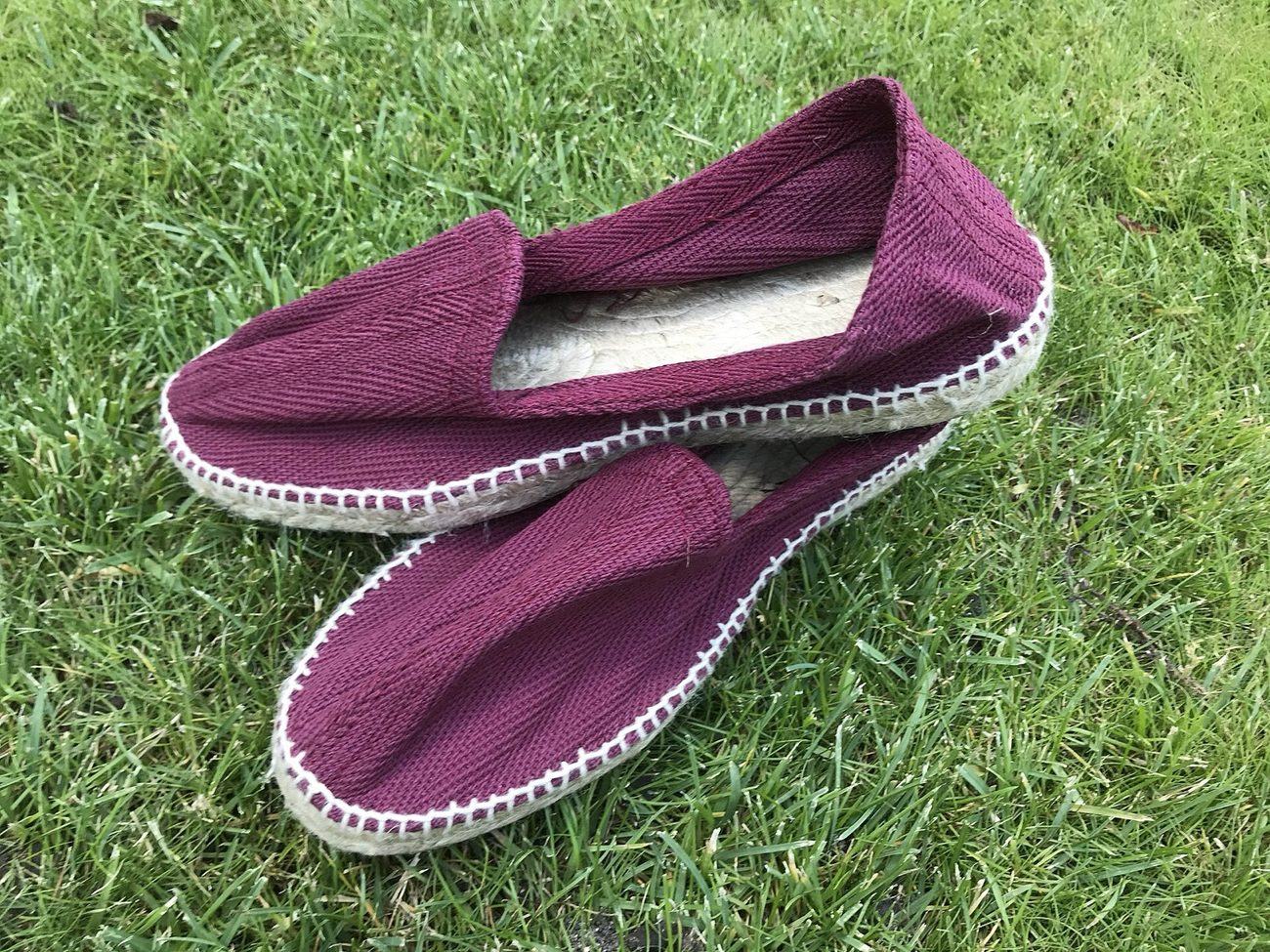
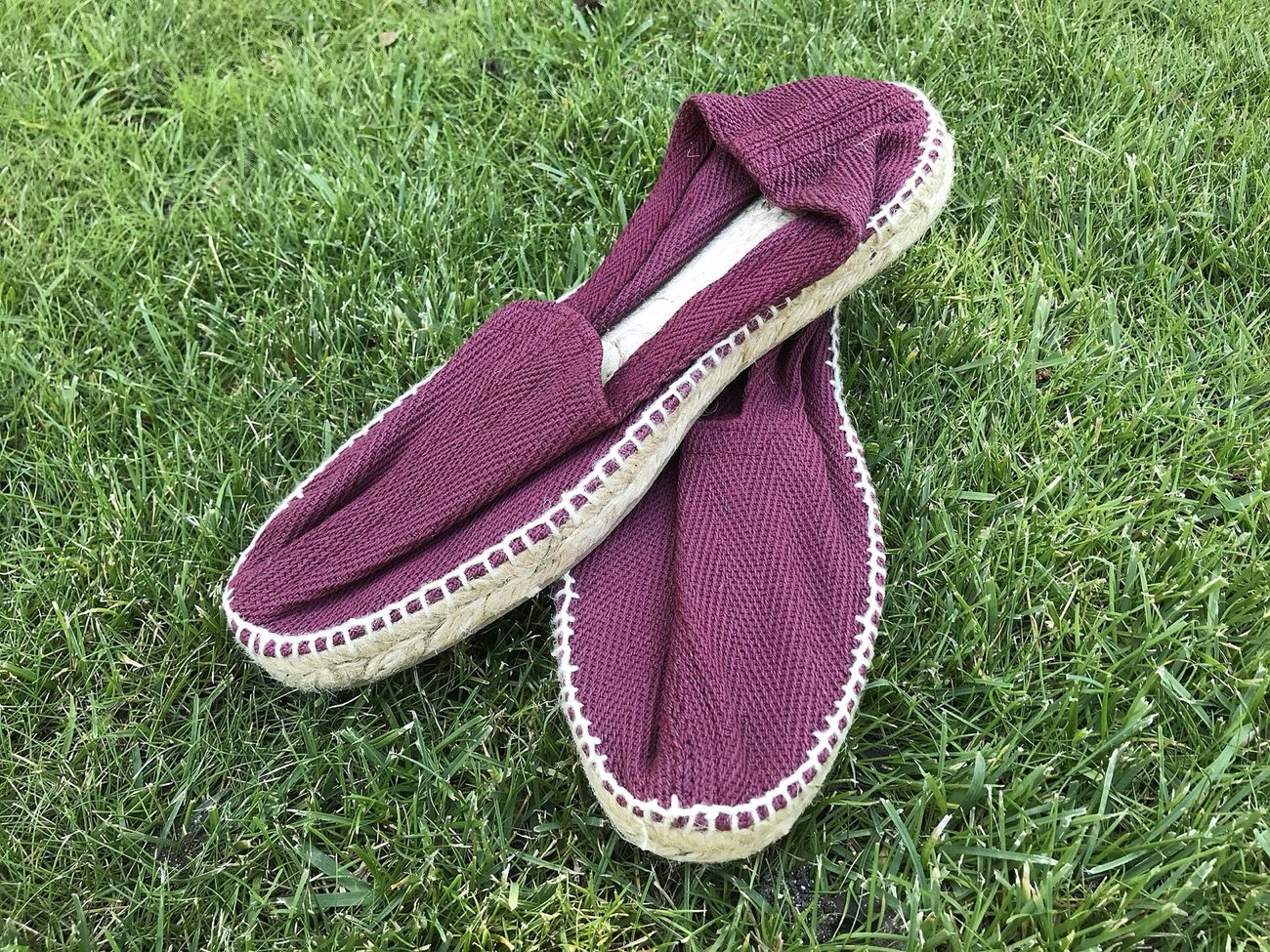
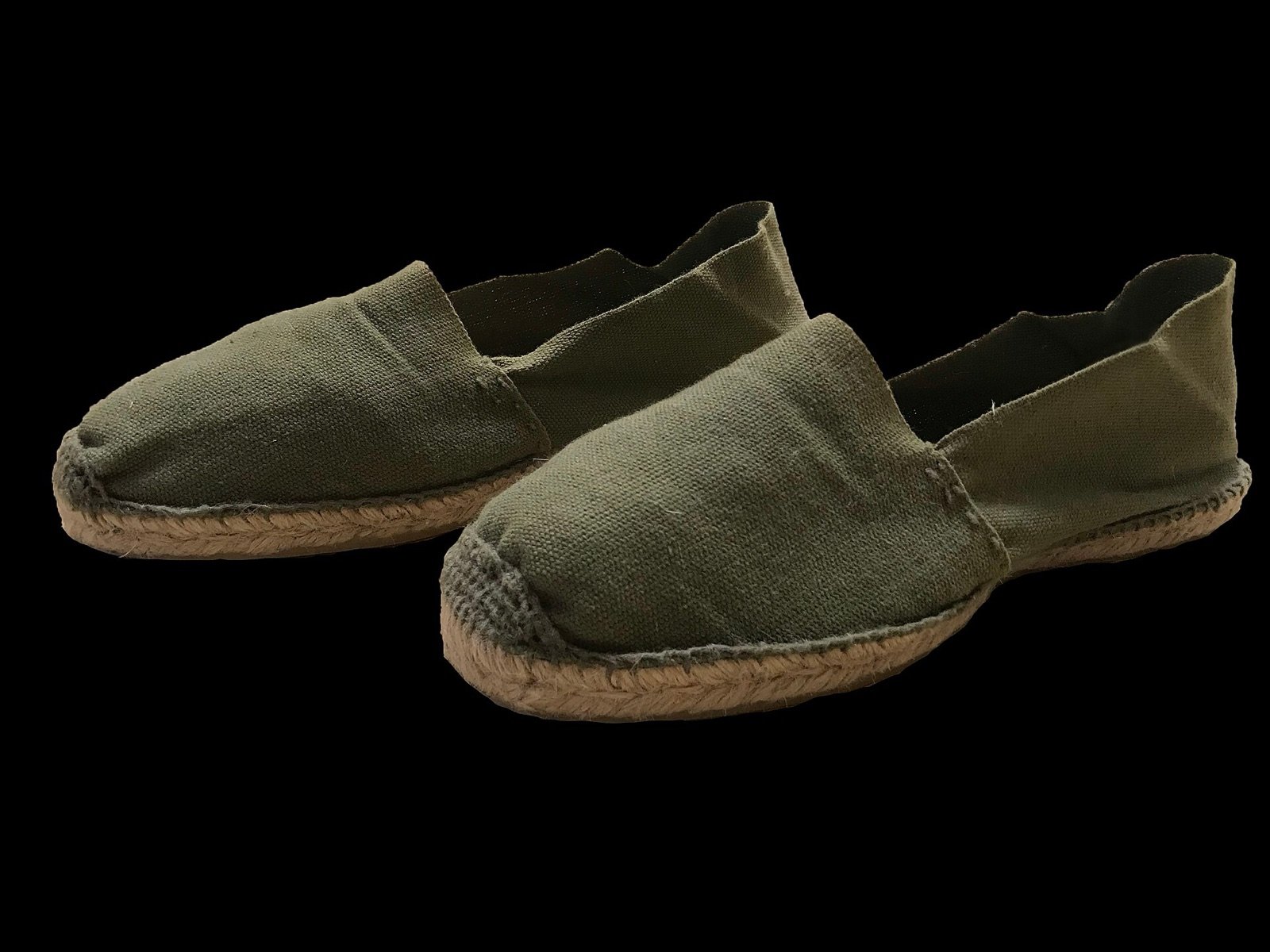
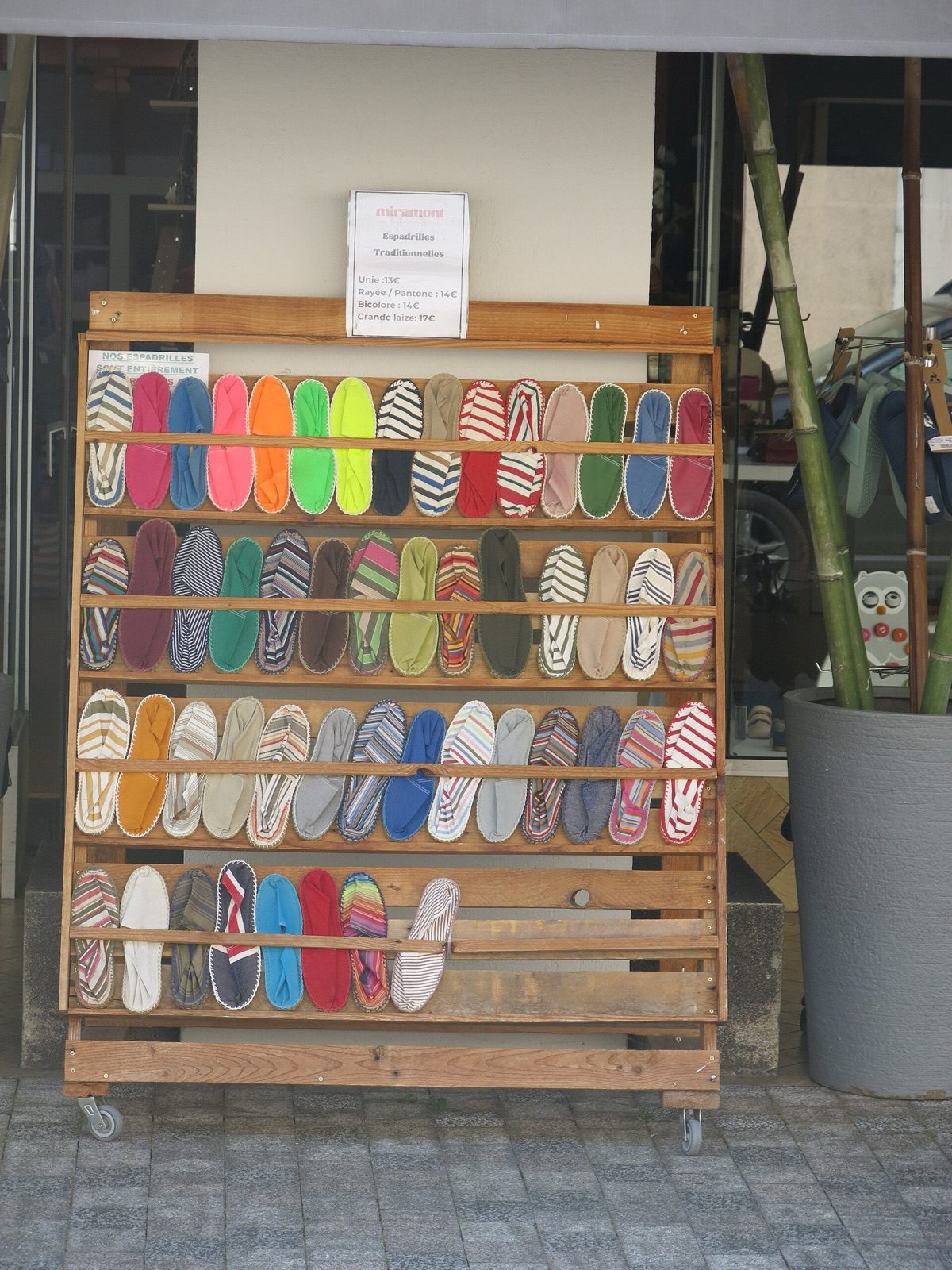
The recipe has barely changed. A sole of plaited rope, esparto once and jute more often today, stitched to an upper of plain canvas. Nothing waterproof, nothing structured, nothing a working person in the hills could not mend at a kitchen table. It kept the damp of the ground at bay and cost next to nothing, which is why soldiers, farm labourers and rope-makers all walked in the same shoe for centuries. Across the mountains, the French Basque town of Mauléon turned the craft into a living and is bound up with it still.
A shoe that costs almost nothing and hides almost nothing is a hard thing to improve on.
Fashion found it late, and gently. In 1970 Yves Saint Laurent went looking for someone who could set an espadrille on a wedge, and a small Catalan firm, Castañer, worked out how. The wedge espadrille that followed is still in shop windows every May, and the same house makes them now for others. The rope sole had climbed, without ever losing the rope.
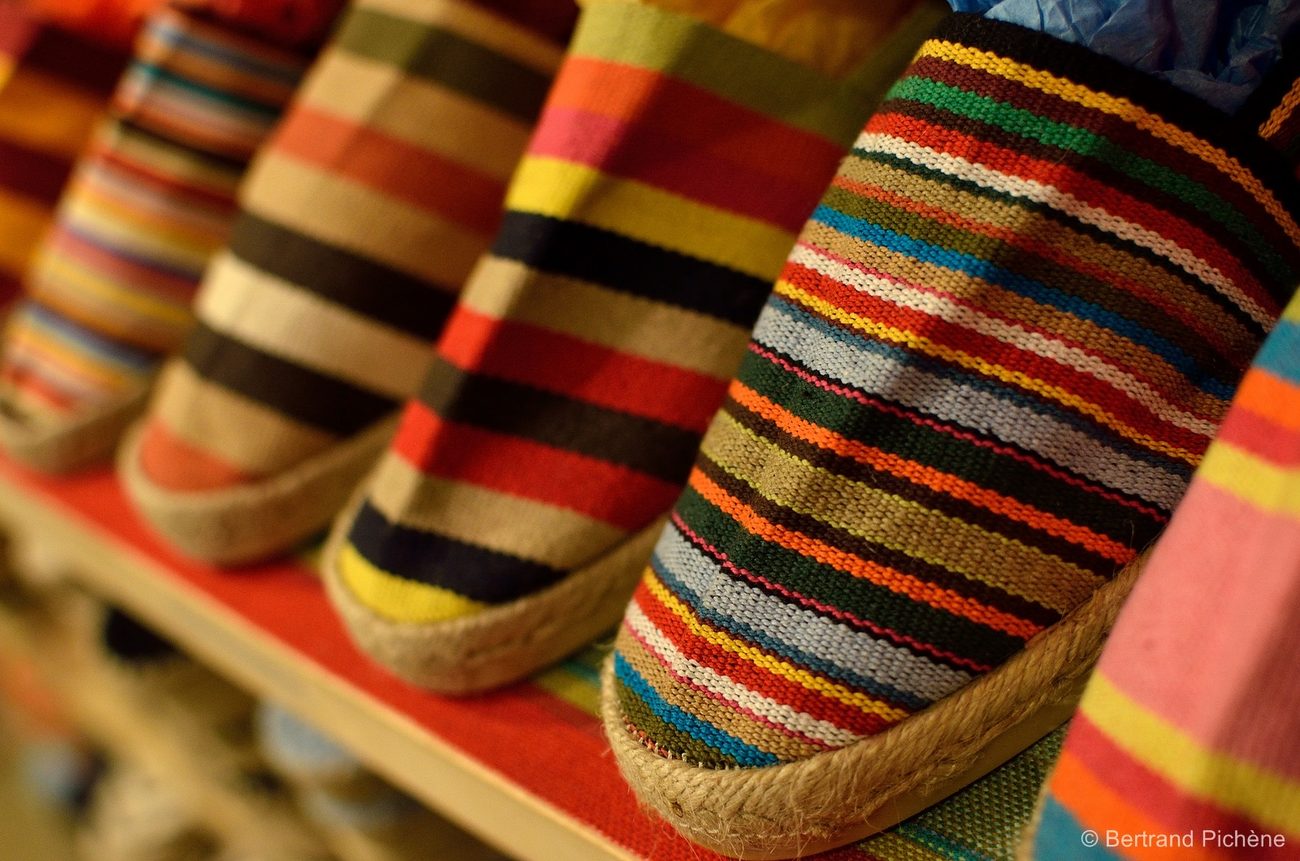
We like it for the honesty. A leather shoe pretends to permanence. The espadrille tells you the truth from the first afternoon: it will wear thin, the canvas will bleach, the rope will pick up the colour of whatever coast you crossed. You are meant to use it up. Buy the next pair in the same square you bought this one, from a rack outside a shop that has sold nothing else for a hundred years, and walk down to the sea again.