The Object
The sound arrives before the coffee does. A low gurgle, then a rising hiss, then the small volcanic cough that means it is ready. In kitchens from Naples to Nicosia that noise is the morning itself, and it comes from a squat aluminium pot that has barely changed in more than ninety years.
Alfonso Bialetti built the first one in 1933, in a metalworker's shop at Crusinallo, up near Lake Orta in Piedmont. He had spent years in the aluminium foundries of France and come home with a material and an idea. The idea, so the family tells it, came from watching the washtubs of the day, where soapy water was forced up a central pipe by heat and pushed back over the laundry. Bialetti saw coffee in it.
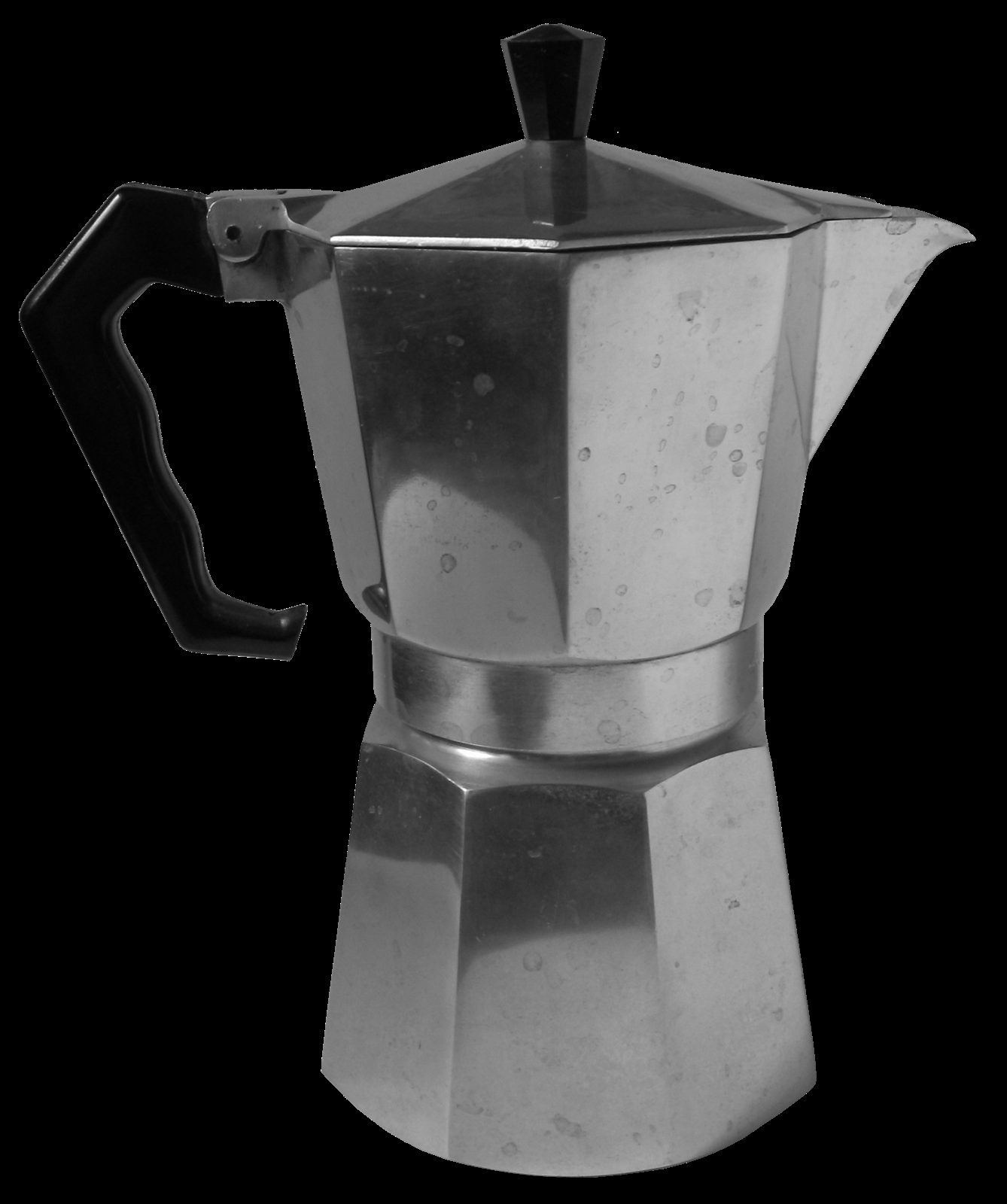
Aluminium suited the moment. Italy had its own bauxite, the metal read as modern and light, and it took a mould cleanly. He gave the pot eight flat sides. The octagon is the thing you remember: easier to grip, easier to turn with a cloth, catching the kitchen light along every facet like a small piece of Deco engineering. A handle of black Bakelite kept the heat off the hand.
The mechanism is honest. Water in the base, ground coffee in the funnel basket above it, the empty jug screwed on top. Set it on the flame and steam pressure drives the heated water up through the grounds and out into the upper chamber. No pump, no dial, nothing to break. You learn its moods by ear.
It is the rare object that asks you to listen rather than read, and rewards the person who takes it off the heat a moment early.
Success was slow. For years the Moka sold mostly from a market stall near the factory. The turn came after the war, when Alfonso's son Renato took the business, narrowed it to this single product and spent on advertising what his father never had. In 1952 he gave the pot its mascot, l'omino coi baffi, the little man with the moustache and the raised finger, drawn as a caricature of Renato himself. The promise was blunt and it worked: in casa un espresso come al bar, at home a coffee like the one in the bar.
The rest is kitchens. The design is still in production, still recognisably the 1933 object, still sold in a size the family counts not in millilitres but in cups. When Renato died in 2016 at ninety three, his children placed his ashes in an outsized Moka in the family tomb at Omegna. We can think of no purer proof that a coffee pot became something more than a coffee pot.