We drove down the Vermilion Coast for a sculptor who spent his life looking east. Aristide Maillol was born in Banyuls-sur-Mer, on the Catalan edge of France where the Pyrenees fall into the sea, and he is buried there too. This year the small museum that keeps his house has built a show around the one journey that changed him. Maillol and Greece: Marbles in the Sun runs from 11 June to 31 December 2026, and it earns the detour off the coast road.
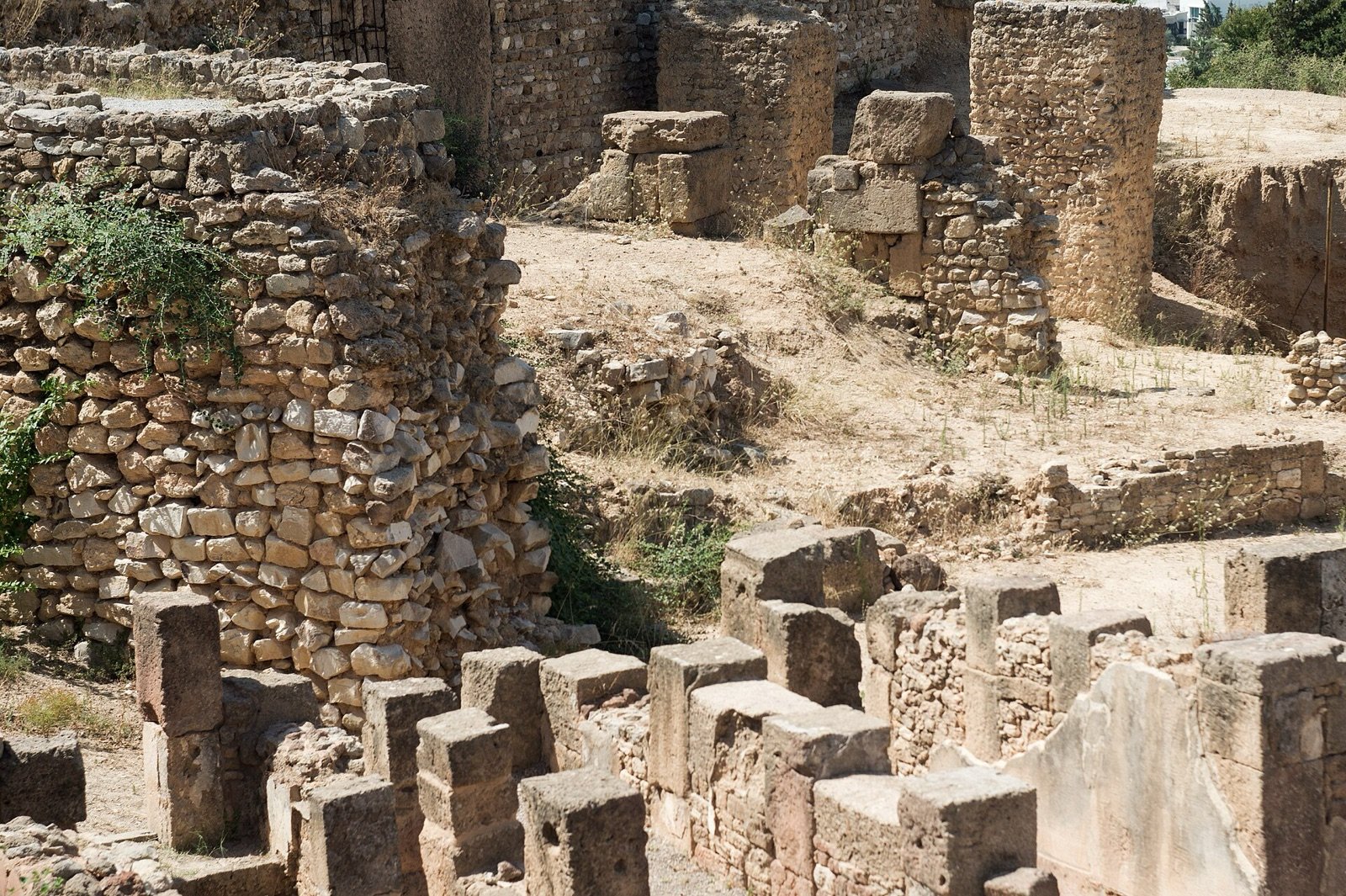
Maillol came to sculpture late, after years in tapestry and painting, and he was already in his forties when he sailed to Greece in 1908 with his patron, Count Harry Kessler. What he saw at Olympia and on the Acropolis did not turn him into a copyist. It settled something. The exhibition follows that quiet argument with antiquity through his bronzes, his drawings and prints, and the photographs he took on the road.
- The journey that started it. The trip with Kessler ran from late April to early June 1908, through Olympia, Athens and out to the islands. Maillol went to test his own instinct against the marbles rather than to worship them, and he came home surer of the calm and weight he was already after.
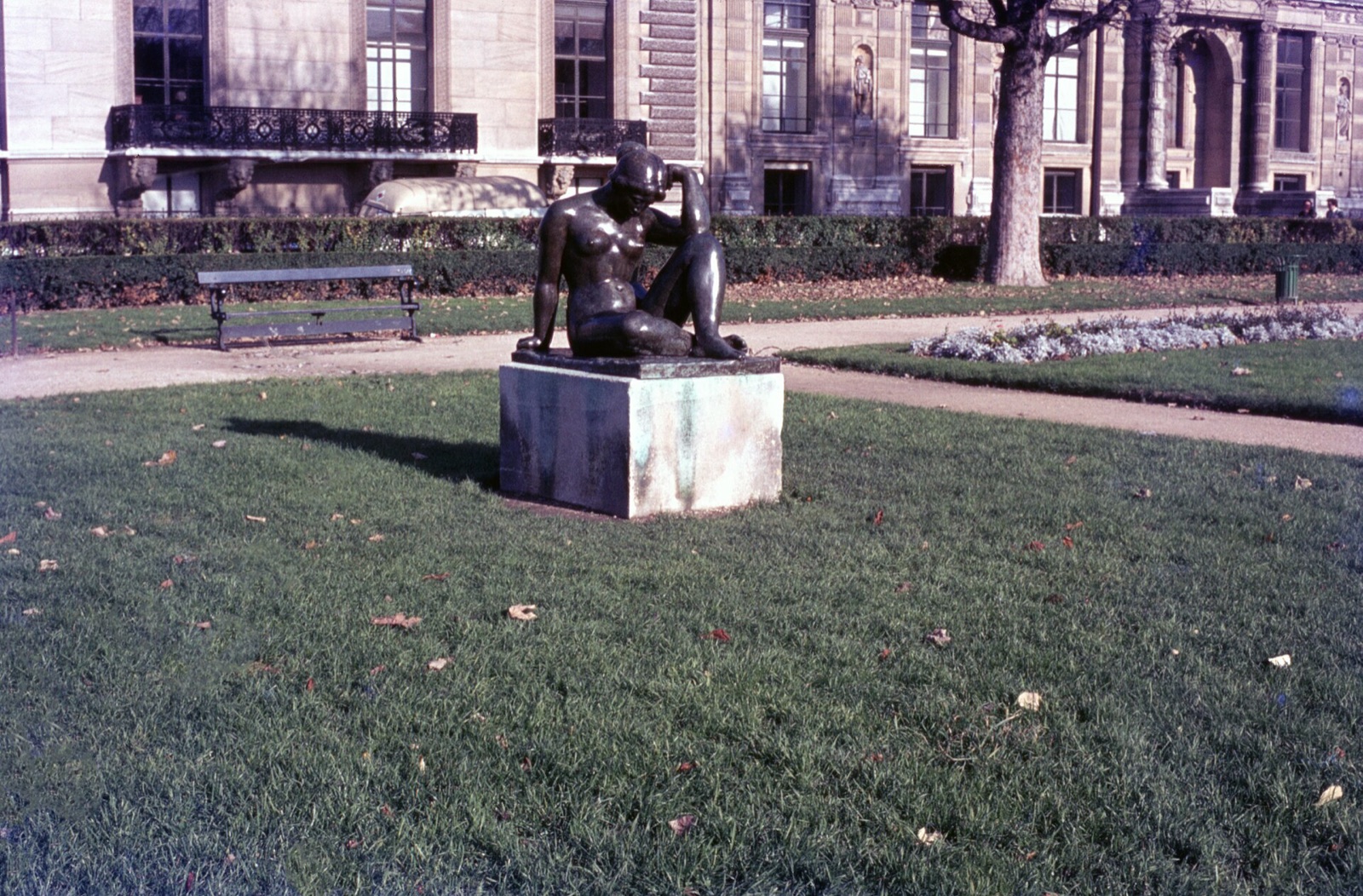
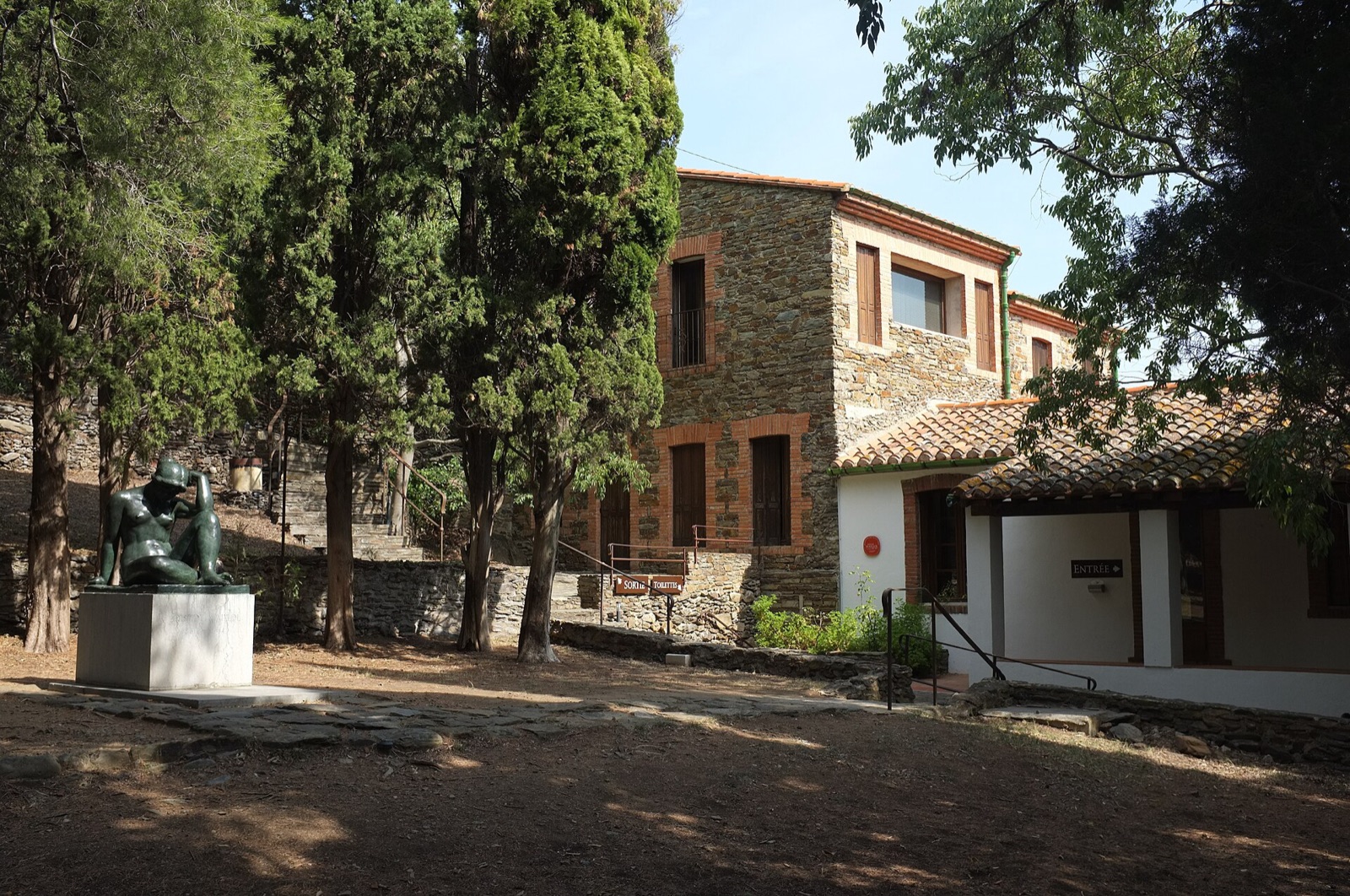
- La Mediterranee. His best-known figure, a seated woman folded into herself, carries the whole idea in one form: Greek stillness without the Greek costume. A bronze cast of it stands on his grave in the museum garden, which tells you plainly how much the work meant to him.
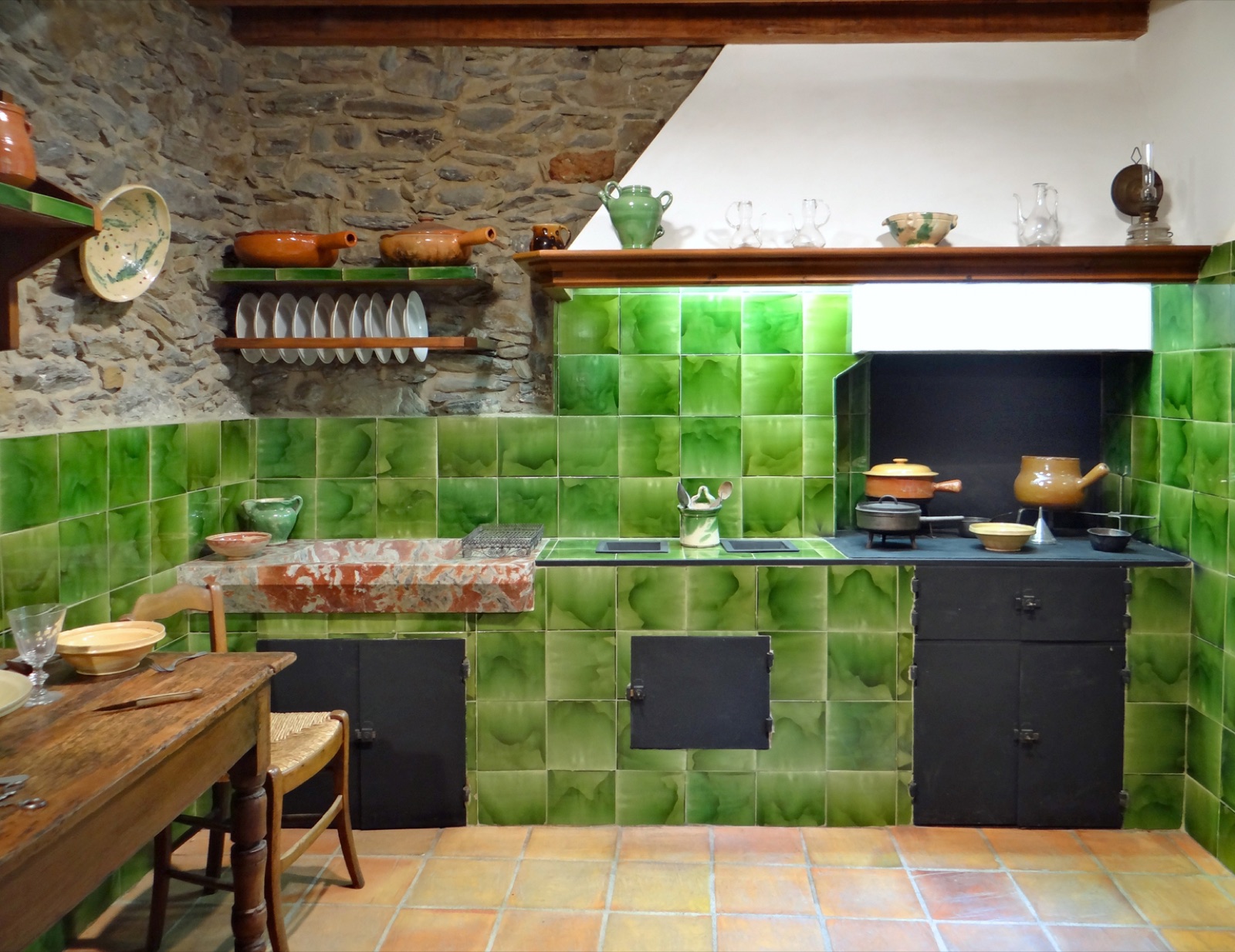
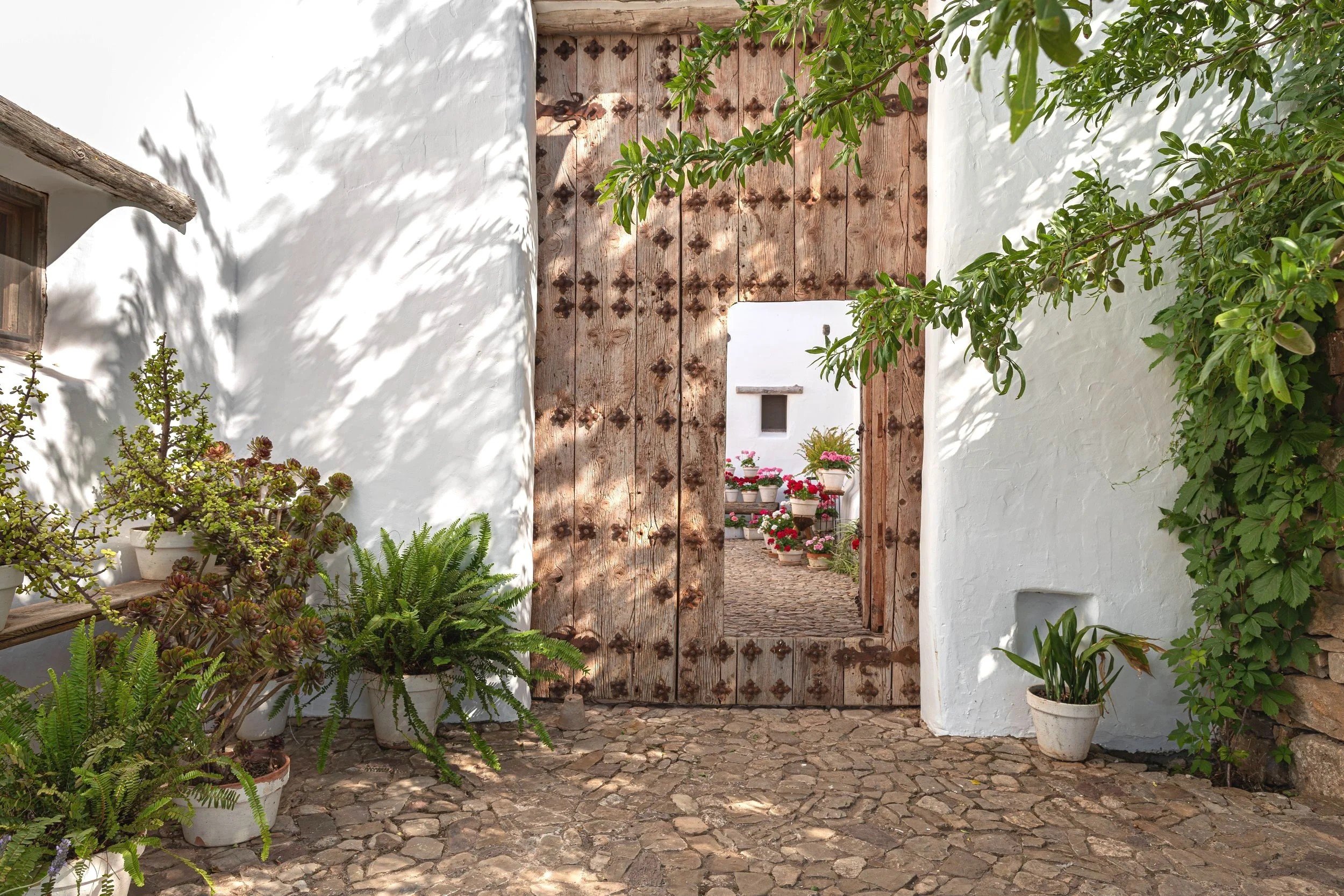
- La Metairie, the house itself. The museum is not in town. It is a farmhouse four kilometres inland, up the Roume valley, where Maillol lived his last years and worked until his death in 1944. The rooms hold his sculptures and studio, and the light outside is the reason he said this coast reminded him of Greece.
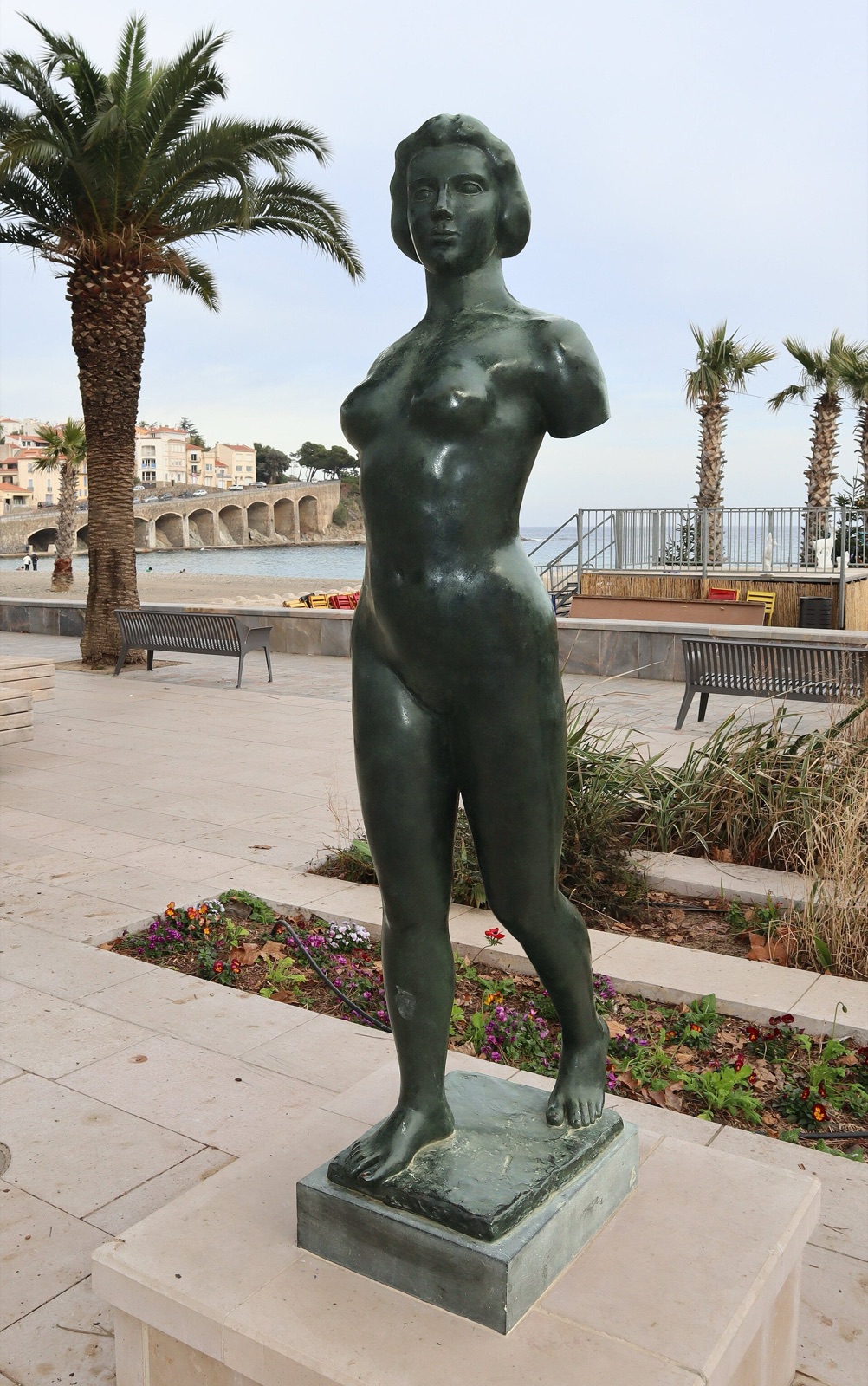
- Paper, not just bronze. The real pleasure is the drawing and the photography. Set his studies and his own Greek travel photographs beside the finished figures and you can watch a single pose travel from a temple to his hands. Paintings and prints fill in the rest of the argument.
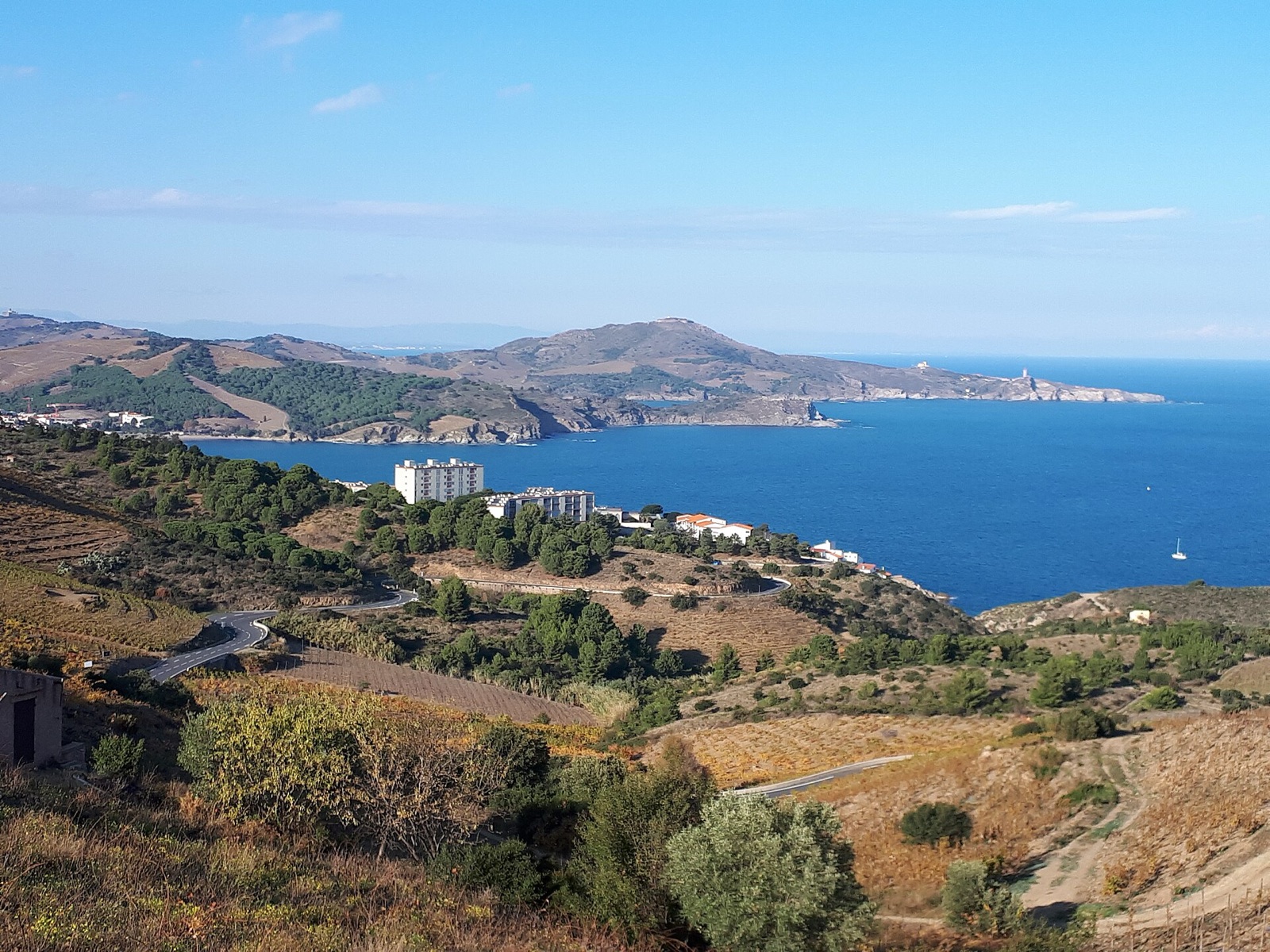
- The Vermilion Coast around it. Make a day of the drive. Banyuls sits under terraced vineyards that fall straight to the water, the last French town before Spain, and its sweet fortified wine is one of the quiet classics of the south. Cap Bear and the coves reward the trip as much as the marbles do.
Around the Musee Maillol, Banyuls-sur-Mer, on the Catalan Vermilion Coast.
Photos: Jean-Pierre Dalbéra from Paris, France, Wikimedia Commons (CC BY 2.0), Sdegroisse, Wikimedia Commons (CC BY-SA 4.0), Palauenc05, Wikimedia Commons (CC BY-SA 4.0), Alan Mattingly, Wikimedia Commons (CC BY-SA 4.0).
The Edit is a VANE Bearings column. We choose the way we choose hotels, on our own terms, with no placement bought. Photo: foundin_a_attic, Wikimedia Commons (CC BY 2.0).
← More from Bearings