On the Rise
Kythira sits off the tail of the Peloponnese, at the seam where the Ionian loosens into the Aegean and the Cretan sea comes up to meet them both. On paper it is an Ionian island, a legacy of the Venetians and then the British. In its light and its dry stone it reads Aegean. It has spent centuries not quite belonging to either, and that is much of the appeal.
The Greeks made it Aphrodite's landfall. Cytherea, one of her older names, means simply she of Kythira, the foam-born goddess said to have come ashore here. The island wears the myth lightly. You feel it less than you expect, which is the surest sign a place is comfortable with itself.
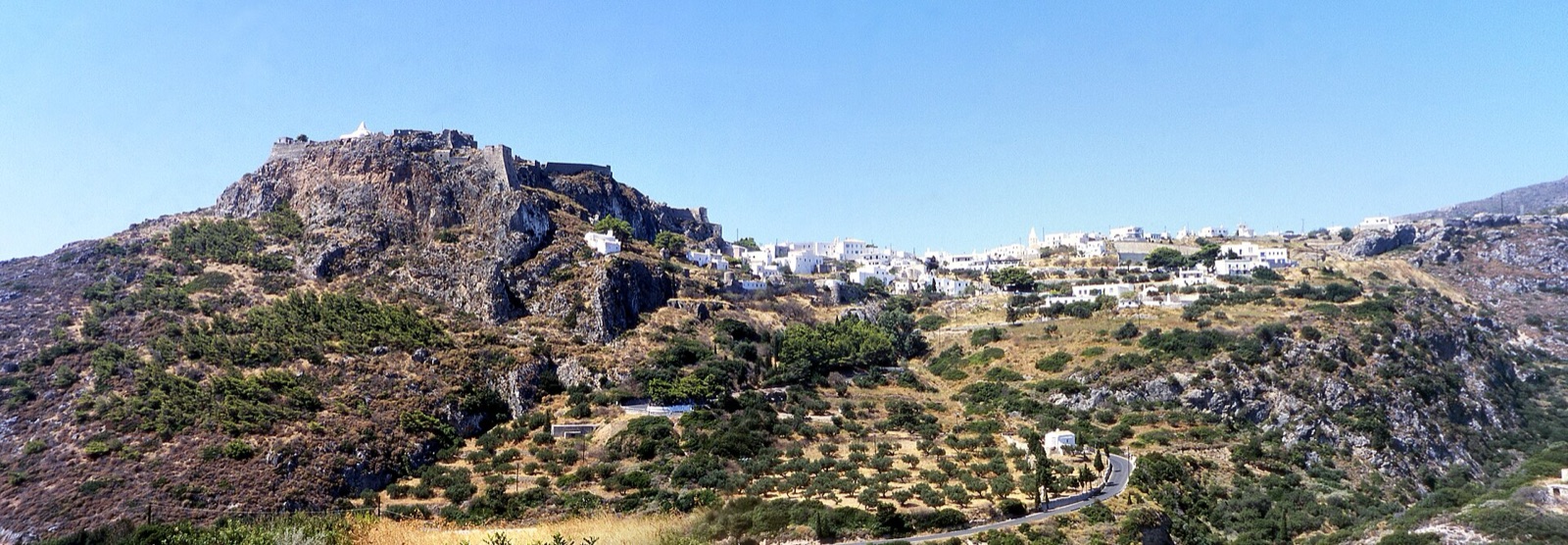
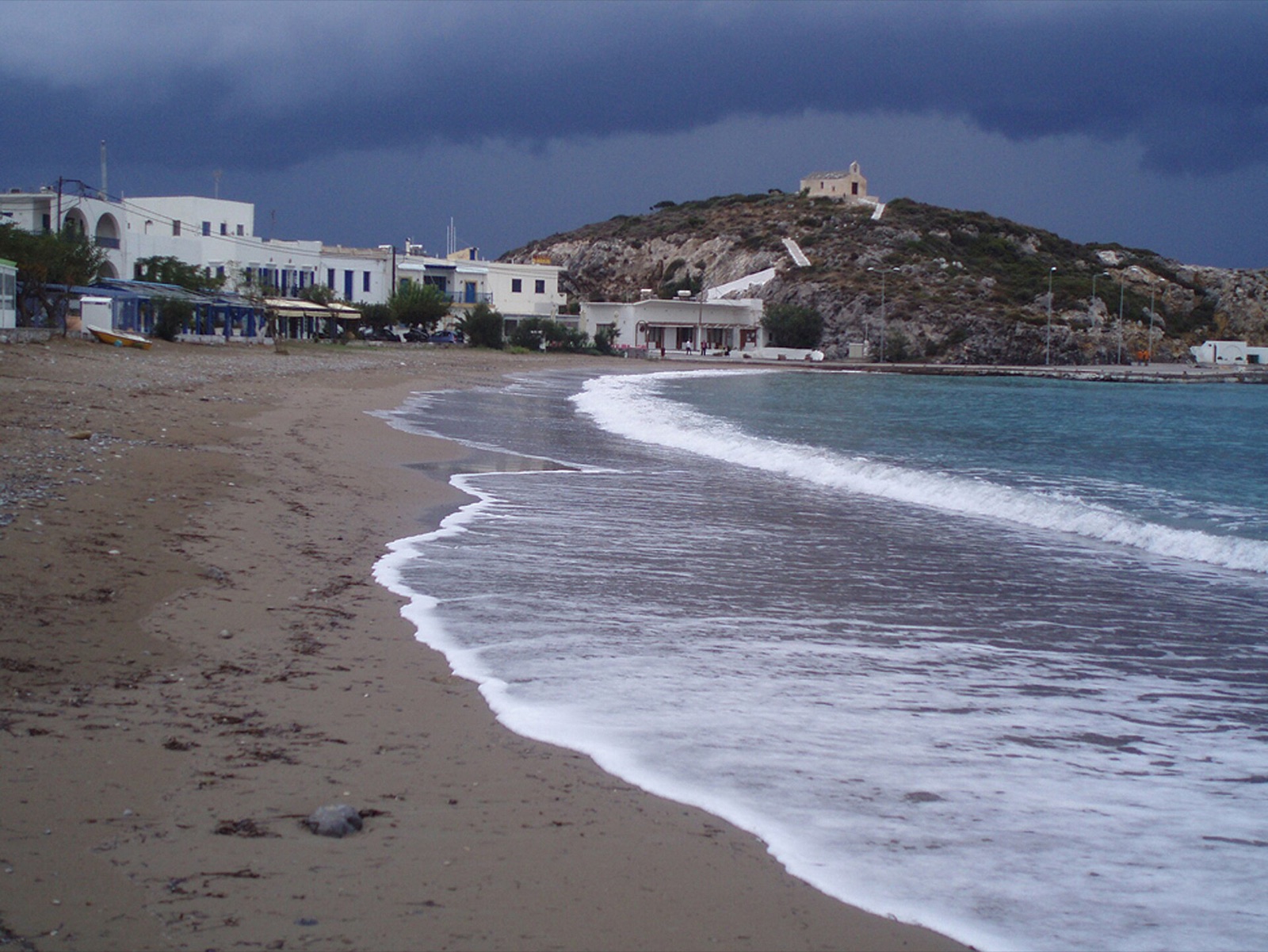
Above the twin coves of Kapsali stands the Venetian Kastro, the fortress that gave Chora its name, its walls laid out in 1503. From the ramparts the sea runs off in two directions and the wind never quite settles. The town below is white and low and made for the heat.
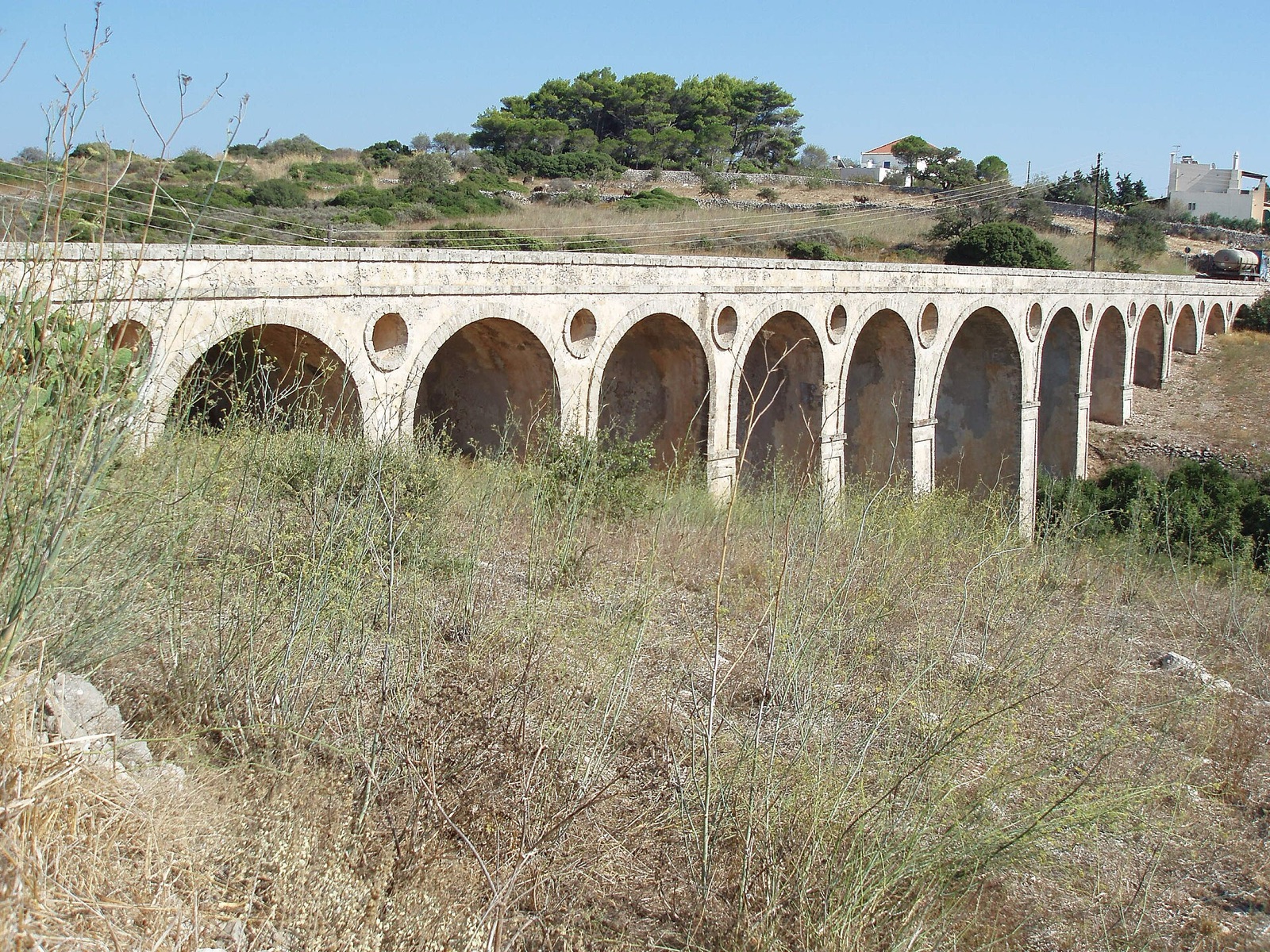
The British left the clearest mark of all. On the old road from Chora to Avlemonas, the Katouni bridge still stands on thirteen stone arches, finished in 1826 to the design of an English engineer, John McPhail. It is the largest stone bridge in Greece, and it crosses a valley with no great river in it.
An English bridge over a stream that barely runs, built to last a thousand years by people who left after fifty. Kythira keeps its history like that, out of scale and unbothered.
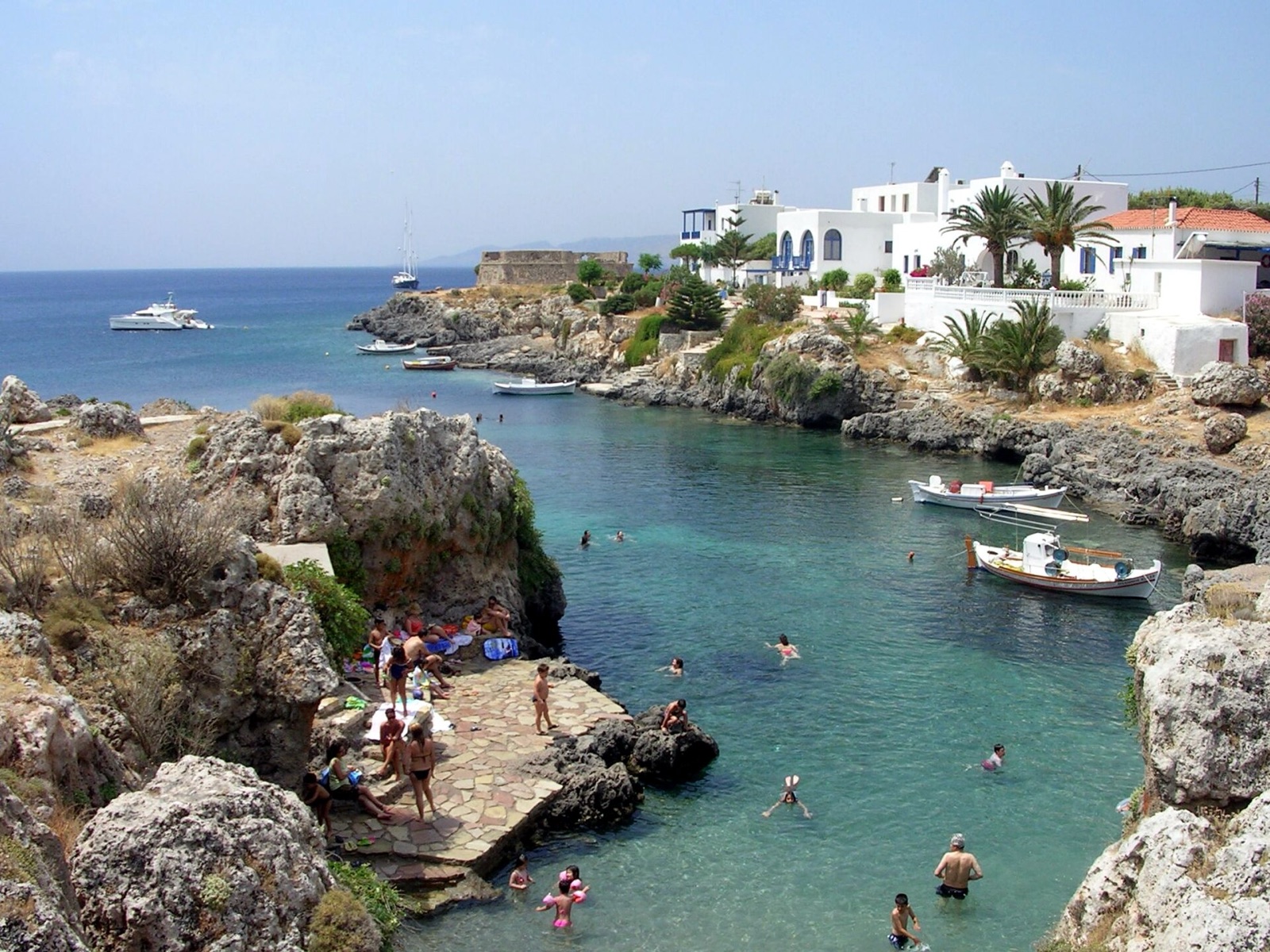
Inland, Mylopotamos hides its water in a gorge of old mills, the village whose name means the river of mills. Water in a place this dry feels like a small miracle. On the east coast Avlemonas keeps its fishermen and its clear shallows and asks nothing of you.
It never grew the airport crowd, and that is the point. One short runway takes the hop from Athens and little else. The ferry from Piraeus is a patient seven hours to the new port at Diakofti. The distance kept the island honest. It fills up now in August, but the season is brief and the rest of the year belongs to the people who live here.
Half of Kythira, it can feel, lives in Australia. The island is the ancestral home of some eighty thousand Australians, and the association that still binds them was founded in a Sydney cafe in 1922. Come in summer and you hear the accent on the terraces, sons and daughters back in a house that was always waiting for them.
One selection at a time, in your inbox. Subscribe →