Field Notes
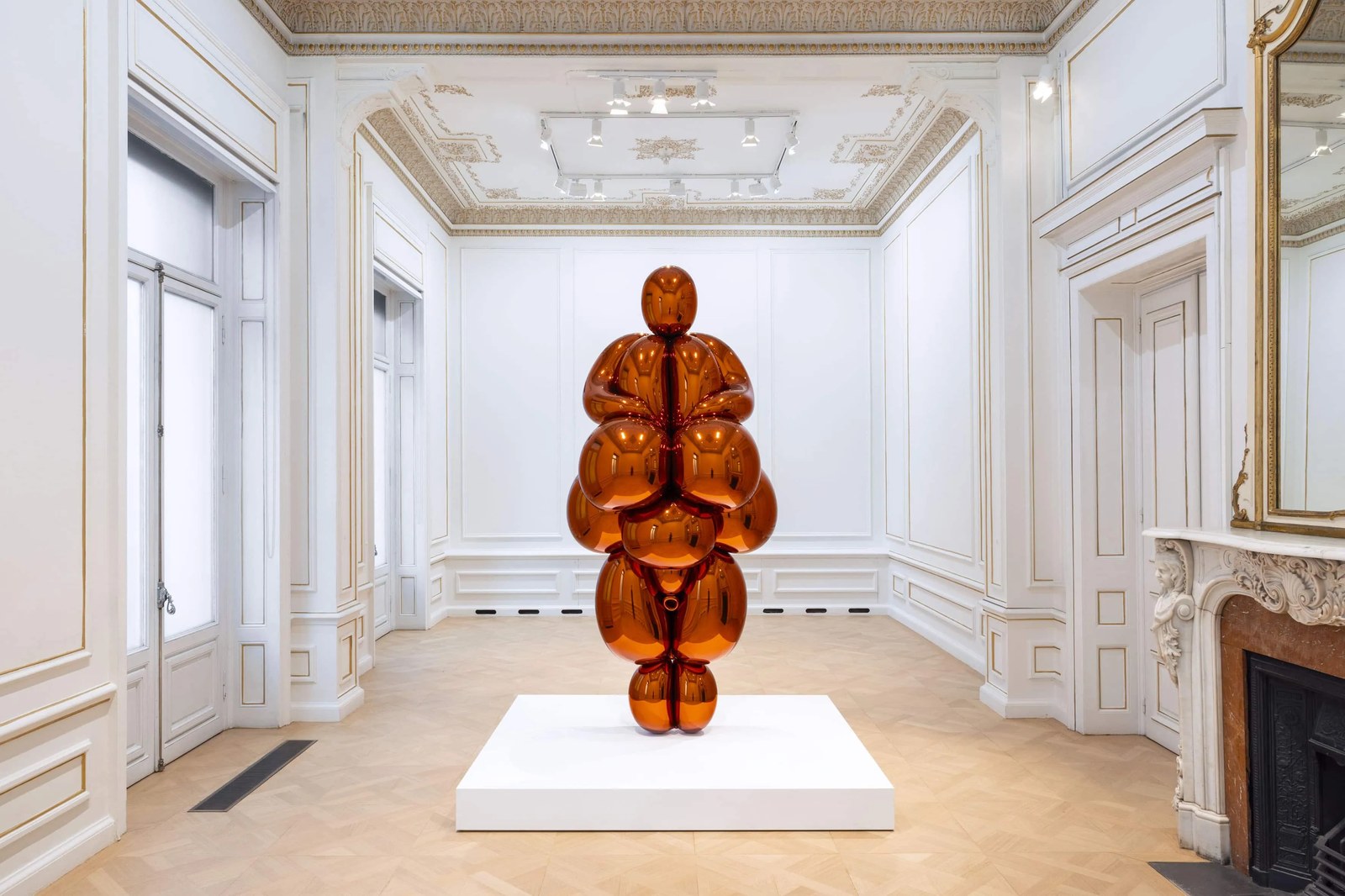
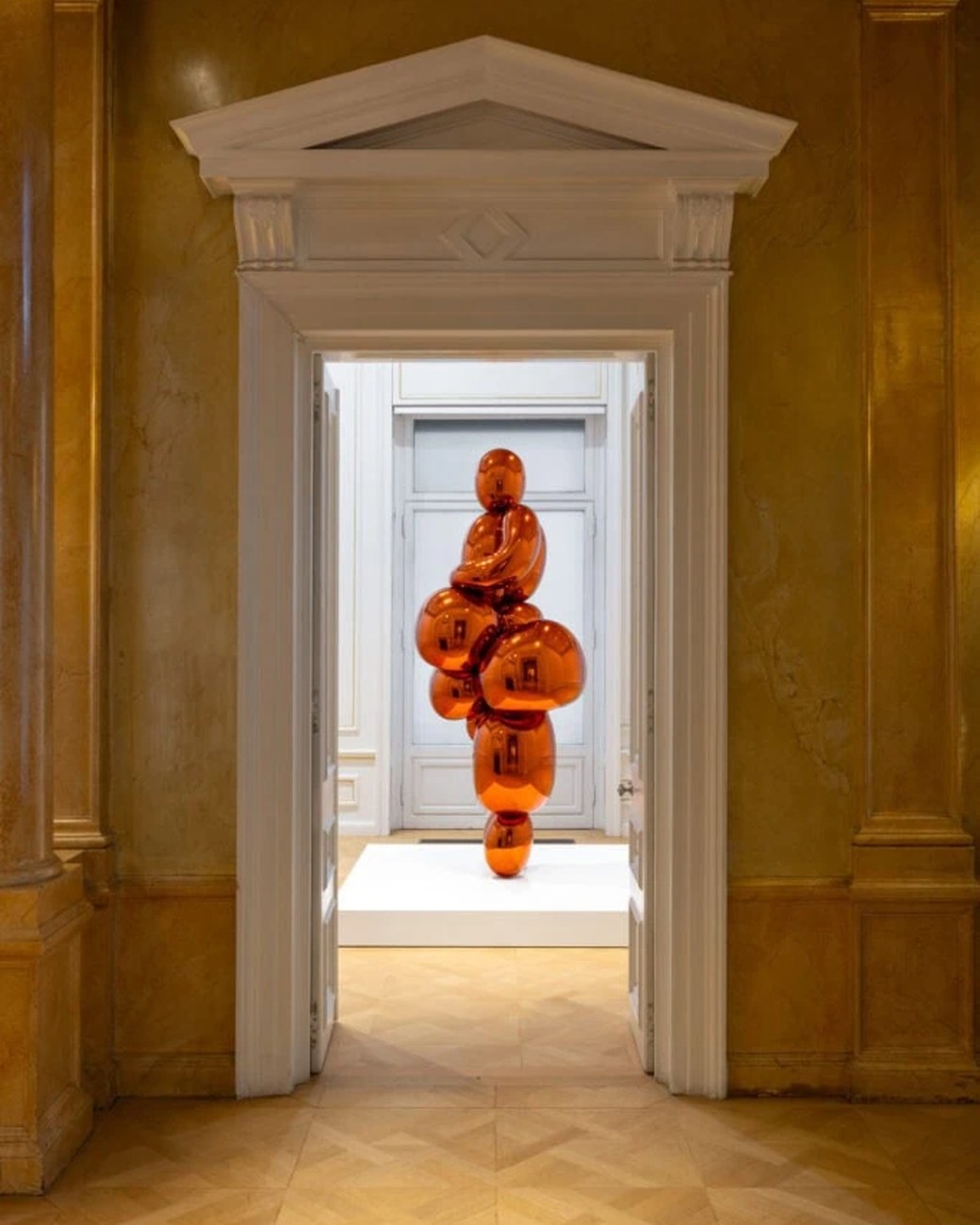
We climbed to the Stathatos Mansion expecting the cool hush the Museum of Cycladic Art keeps for its marble, and walked instead into orange. Jeff Koons has set his Balloon Venus Lespugue down among the antiquities, where it has stood since 19 March and stays until 31 August. It is the first time the work has been shown in Athens. The surface throws back the room, the visitors, the light off Vasilissis Sofias. You see yourself in a goddess.
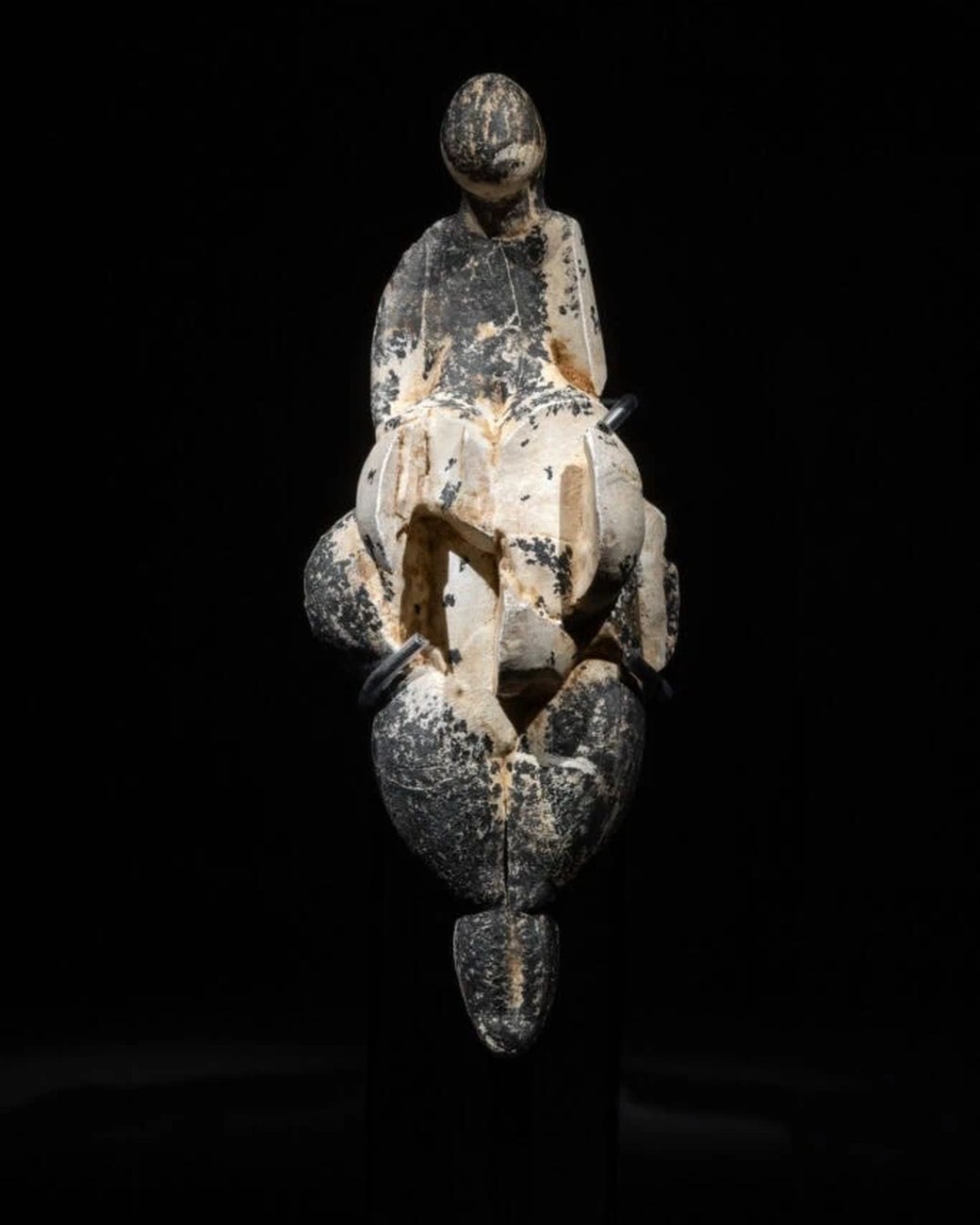
The original is small and very old. The Venus of Lespugue was cut from mammoth ivory in the Pyrenean foothills, found in 1922 in the Rideaux cave, and she is roughly twenty-five thousand years old. She stands about fifteen centimetres tall and now lives in Paris, at the Musee de l'Homme. Koons took that figure, with its swollen hips and tapering legs, and blew it up into mirror-polished steel, the proportions held almost exactly.
Twenty-five thousand years on, the body still asks to be looked at, and still refuses to apologise for its shape.
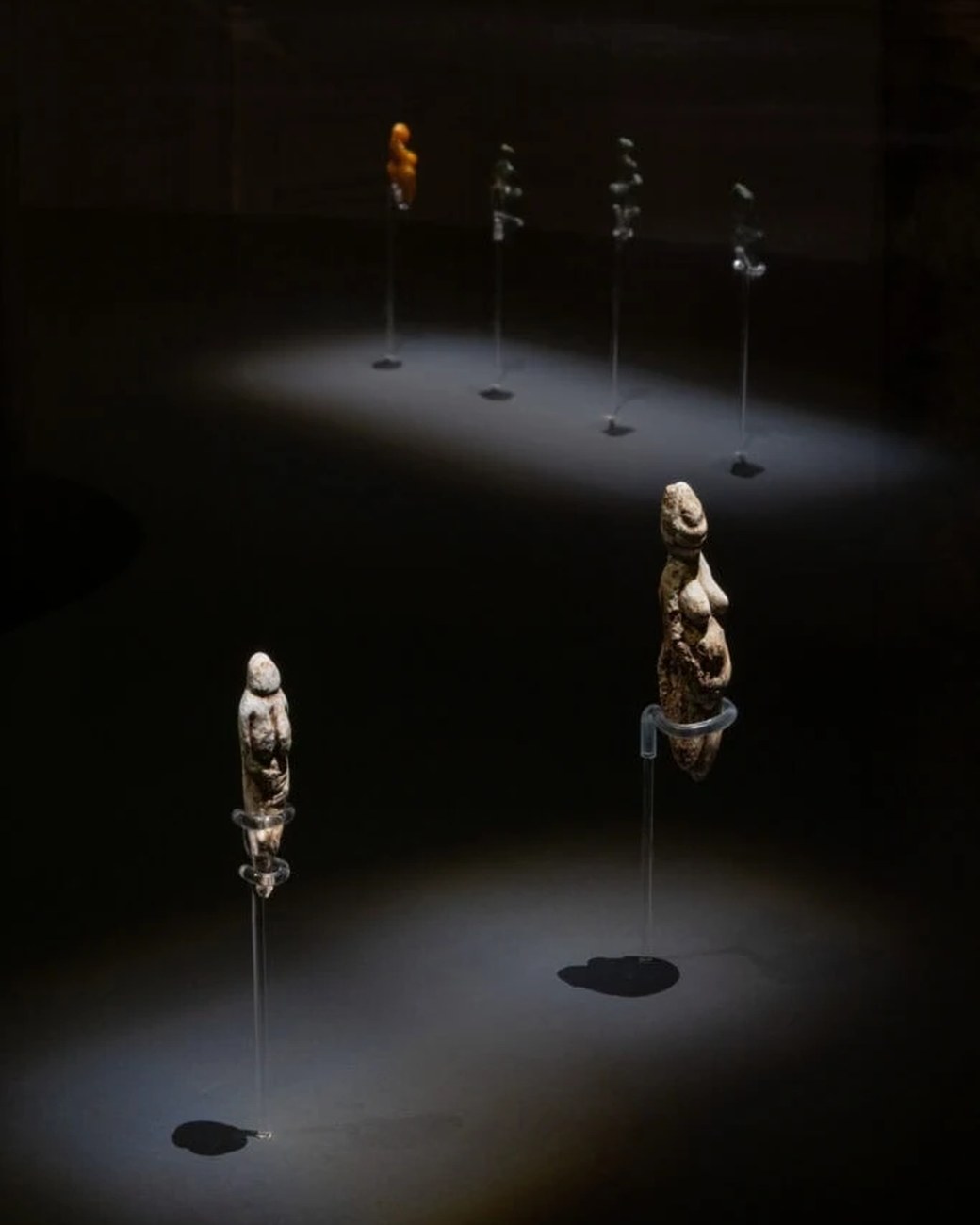
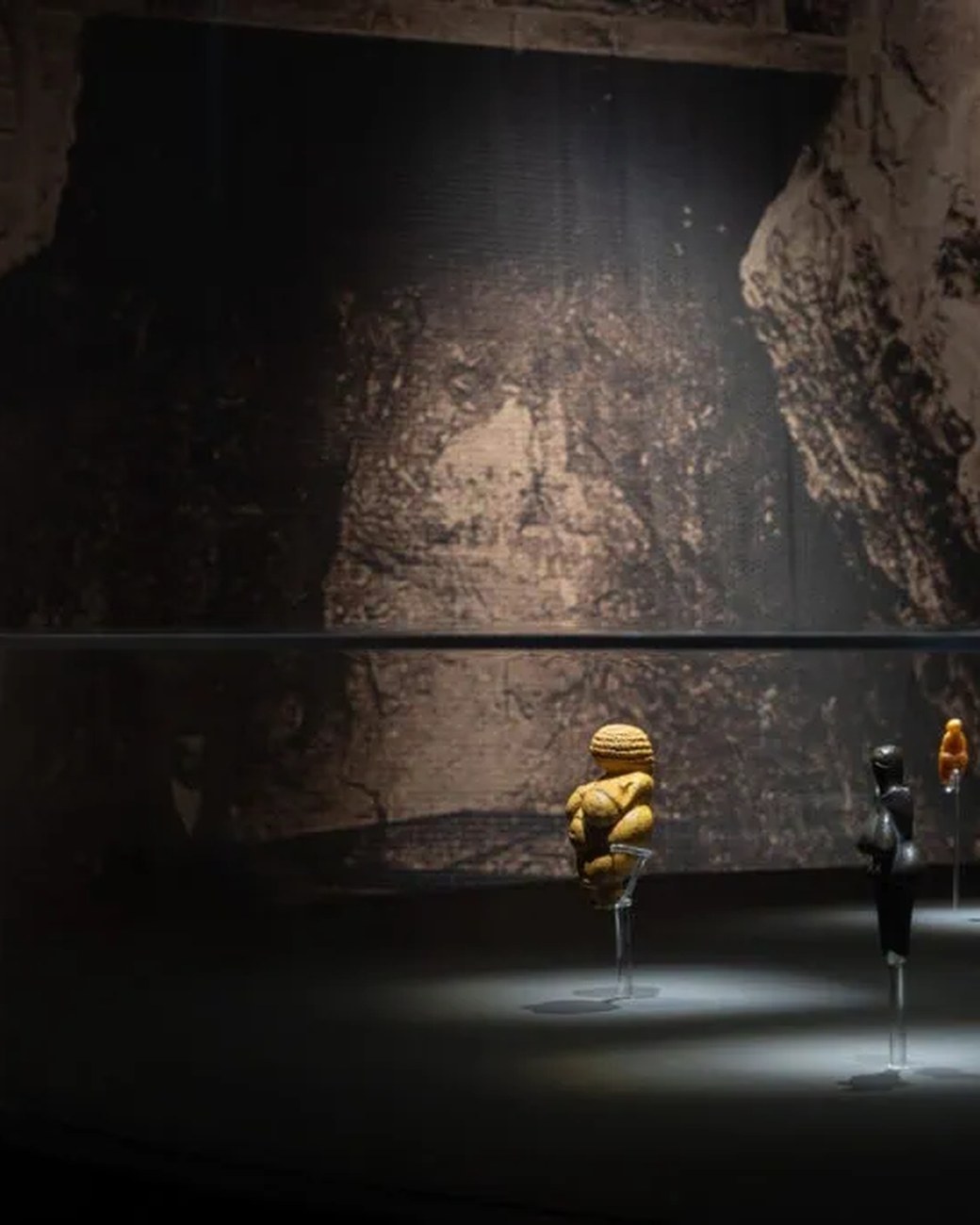
Around the steel stand ten replicas of Upper Paleolithic Venuses, certified copies the museum has gathered for the occasion. The conversation is the point. Koons calls stainless steel a proletarian material, a thing that reflects everything and accepts everything, and in person that is exactly what it does. The ancient carvers worked for permanence in bone and stone. He works for permanence in a finish that will not tarnish. Both are after the same thing.
The museum frames the show as a dialogue across the female figure, from the first carved bodies to now, and the room mostly survives the claim. A new publication gathers fresh research on the Paleolithic in Greece and beyond, with an essay by Koons himself. The scholarship matters, because the easy version of this exhibition, contemporary star borrows ancient glamour, is the one it manages to avoid.
The setting earns it. This is a house built around the early stylised female form, the folded-arm Cycladic figures that taught modern sculptors how little a body needs in order to read as a body. Koons knows the lineage. He has said the Lespugue figure struck him as the most modern thing he had seen, a Giacometti made twenty-odd millennia early. Stand in the room and the claim holds. The oldest object is the one that looks like tomorrow.
Go for the steel. Stay for the small ivory ghost behind it.
One selection at a time, in your inbox. Subscribe →