For design
Villa Nai 3.3
Dugi Otok · Croatia
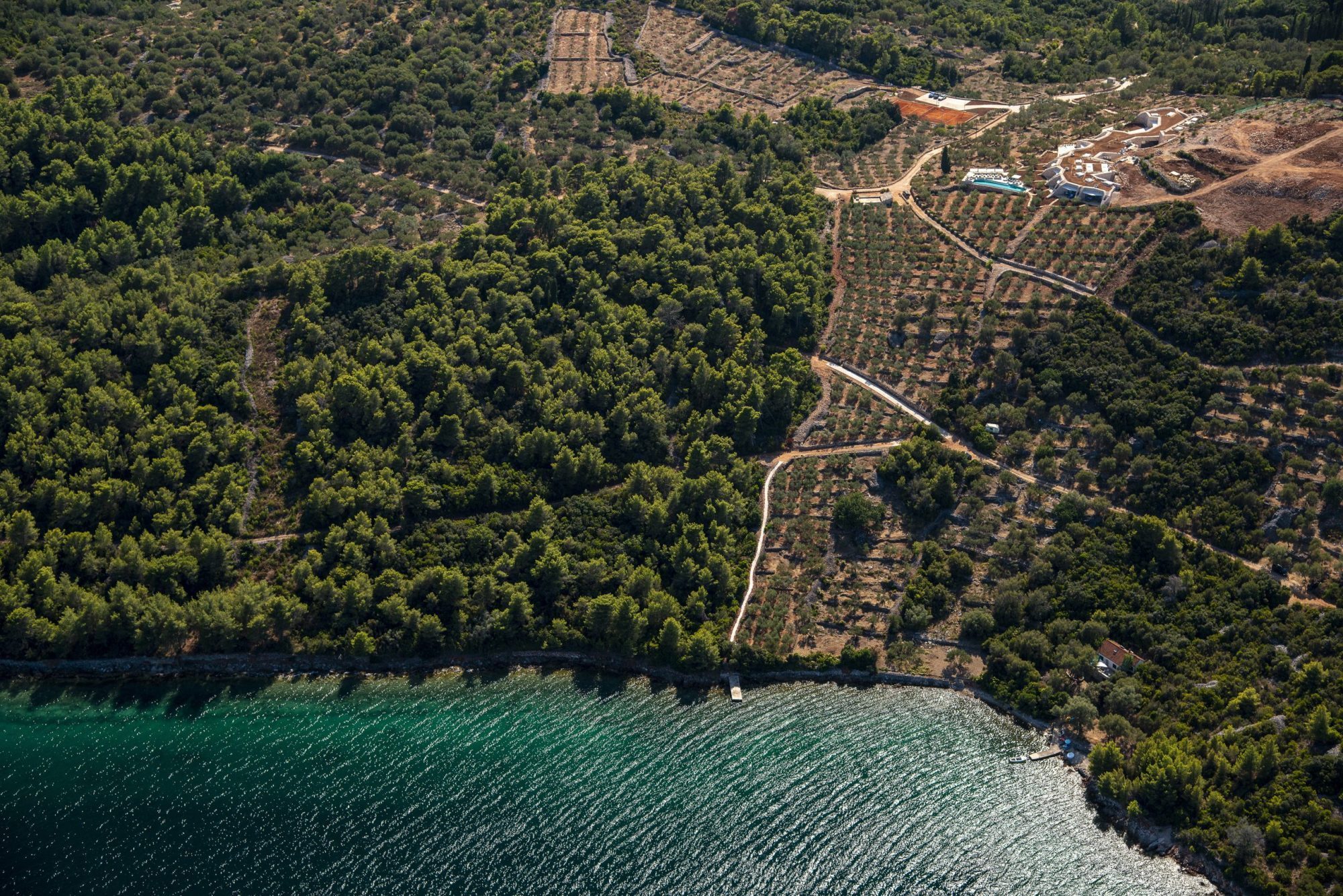
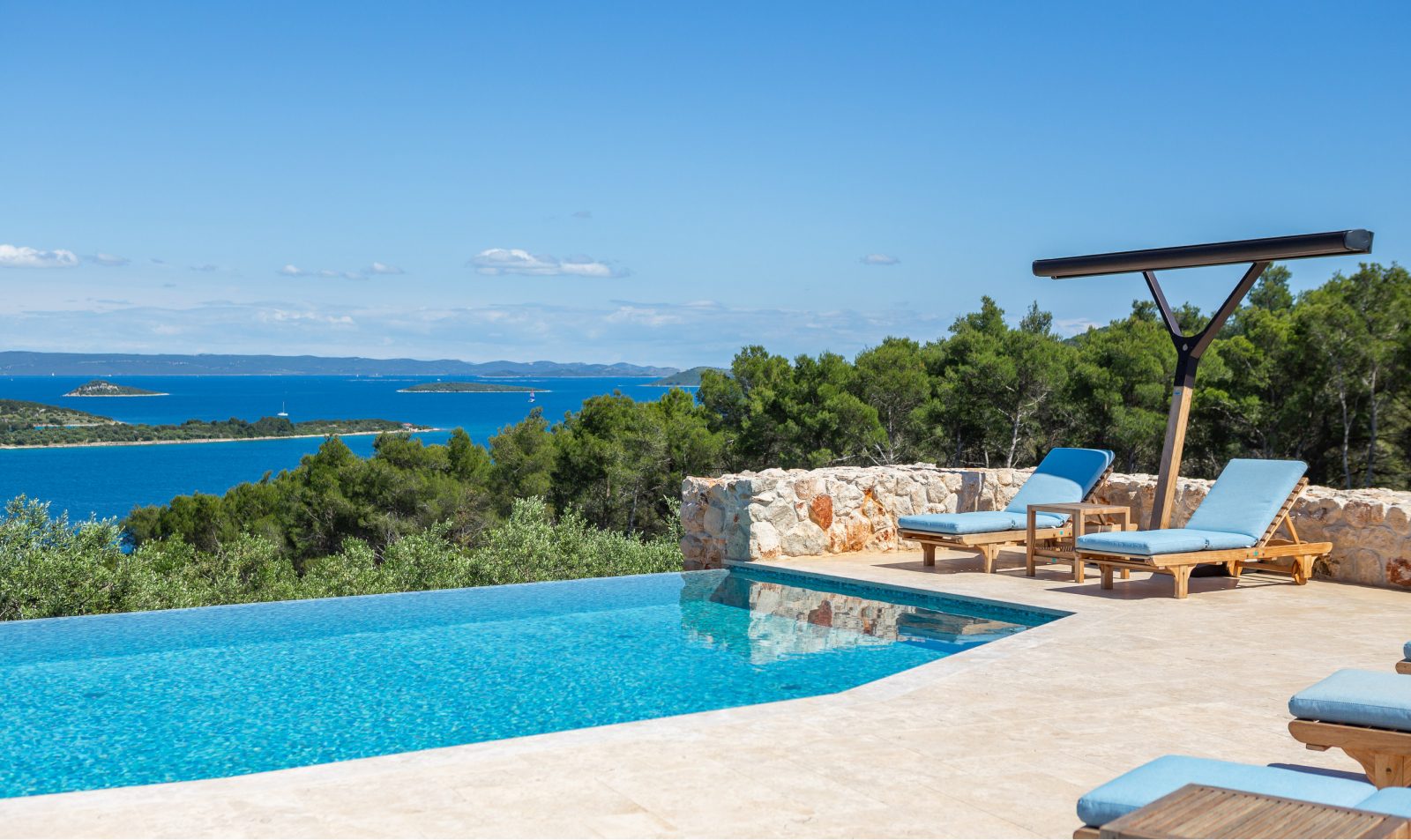
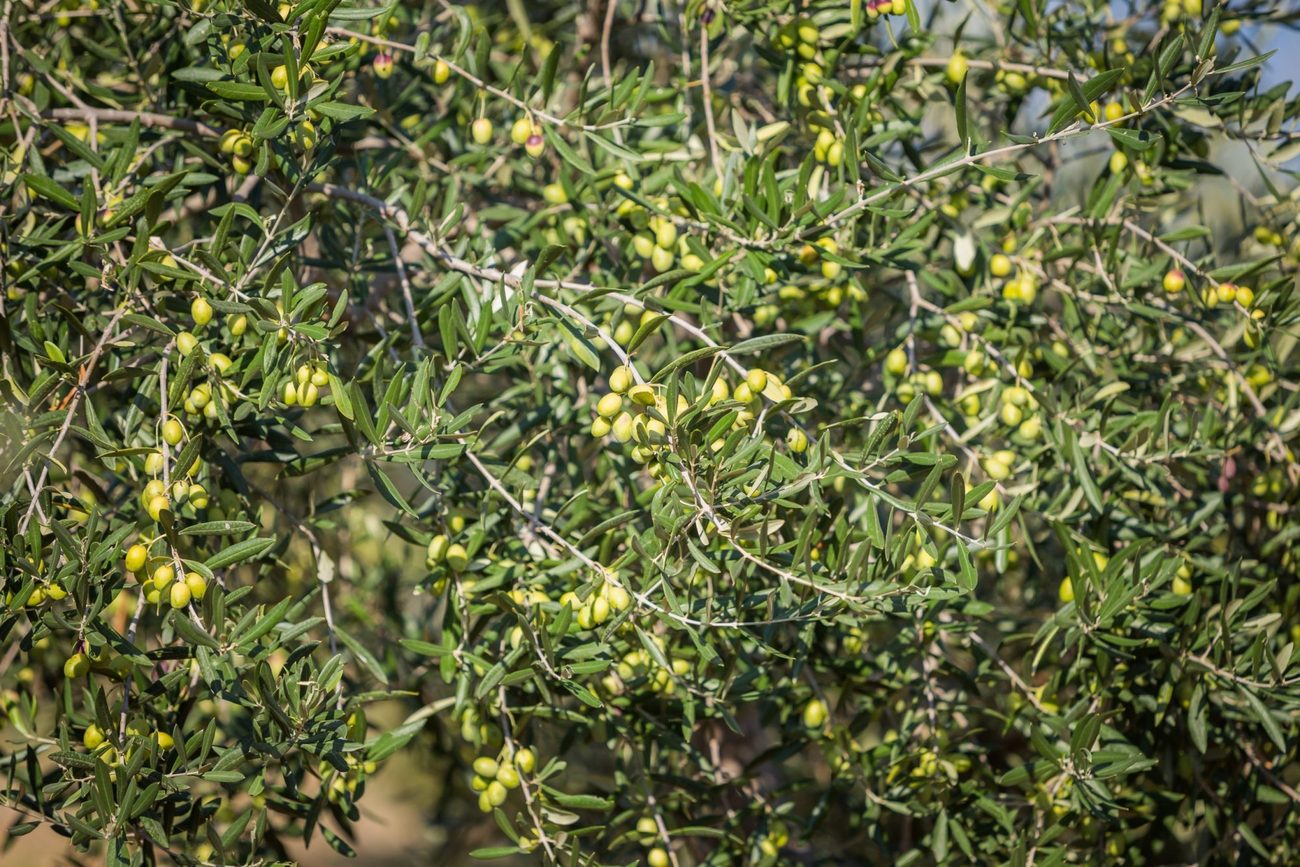
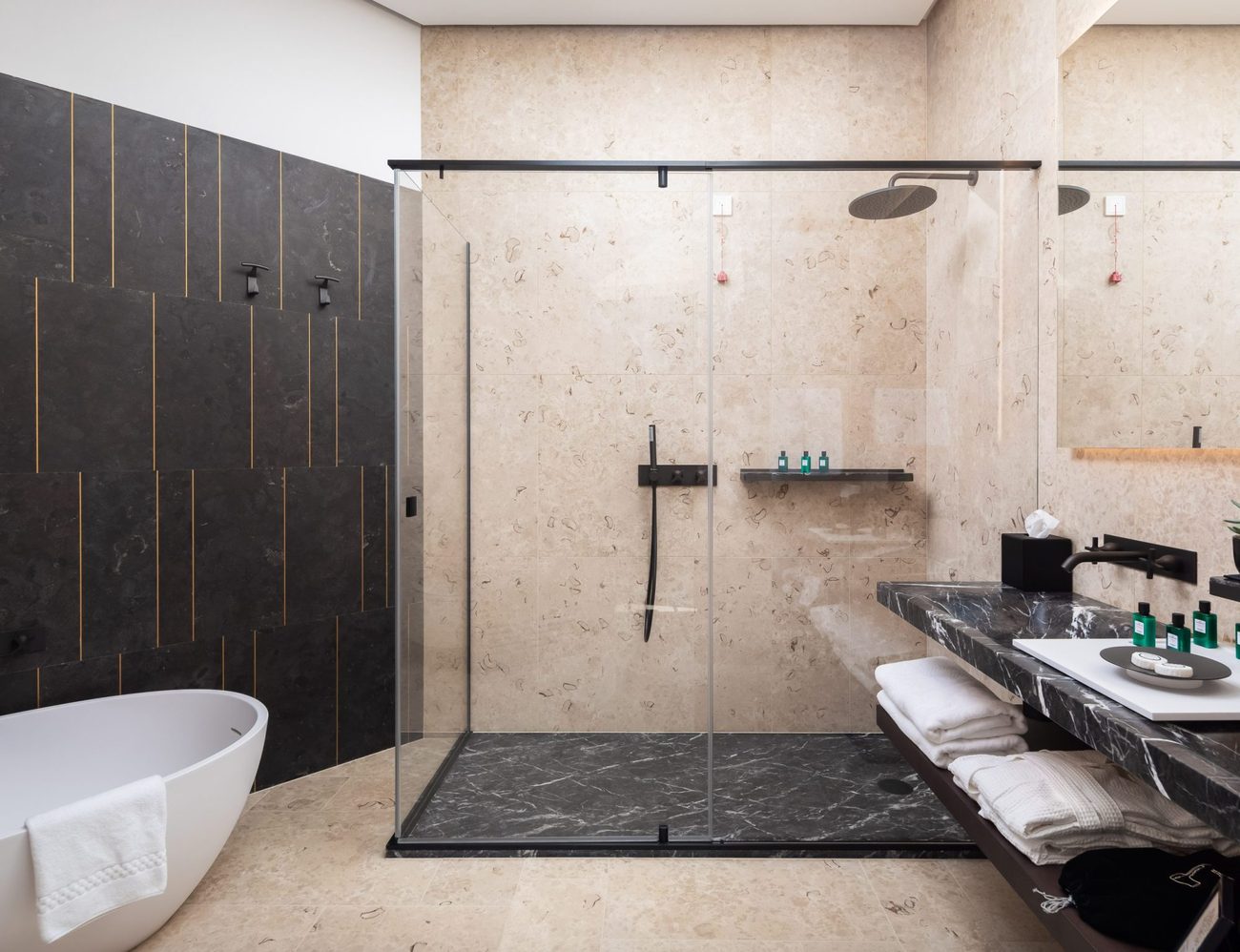
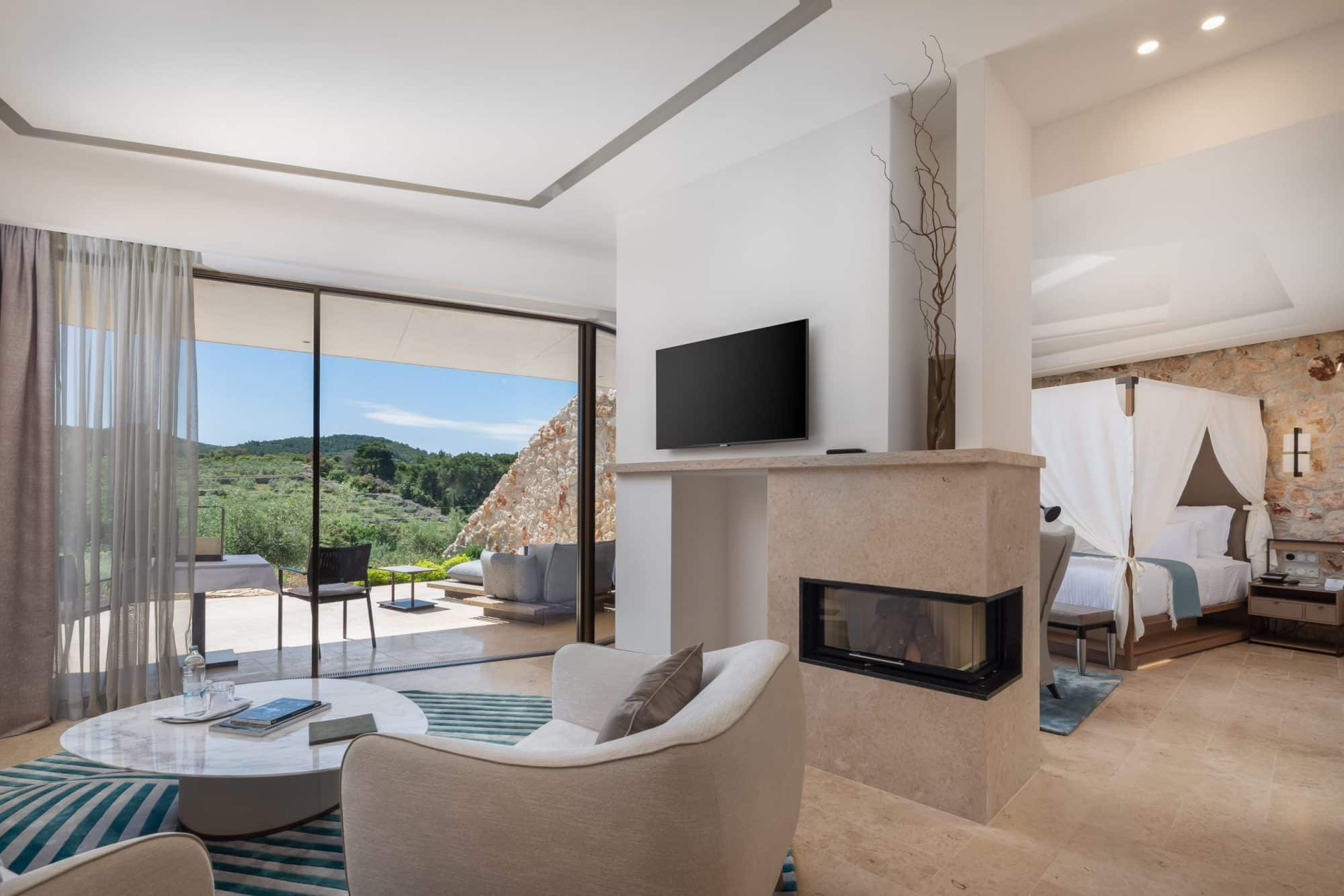
Villa Nai 3.3 is built from the stone it displaced. Bašić cut into the slope, lined the rooms with the rock he took out, and kept the roofline so low that from the water you would struggle to find the hotel at all. There are eight keys, five rooms and three suites, each with its own terrace opening onto the olives or the sea, and the place takes adults only. A seawater pool sits out among the trees with the Adriatic beyond it, and the quiet is the kind you notice on the first evening and again on the last. The name carries the island's logic: nai is old Dalmatian for snow, and Dugi Otok sees it about three times a winter, which the growers have always read as the sign of a good crop.
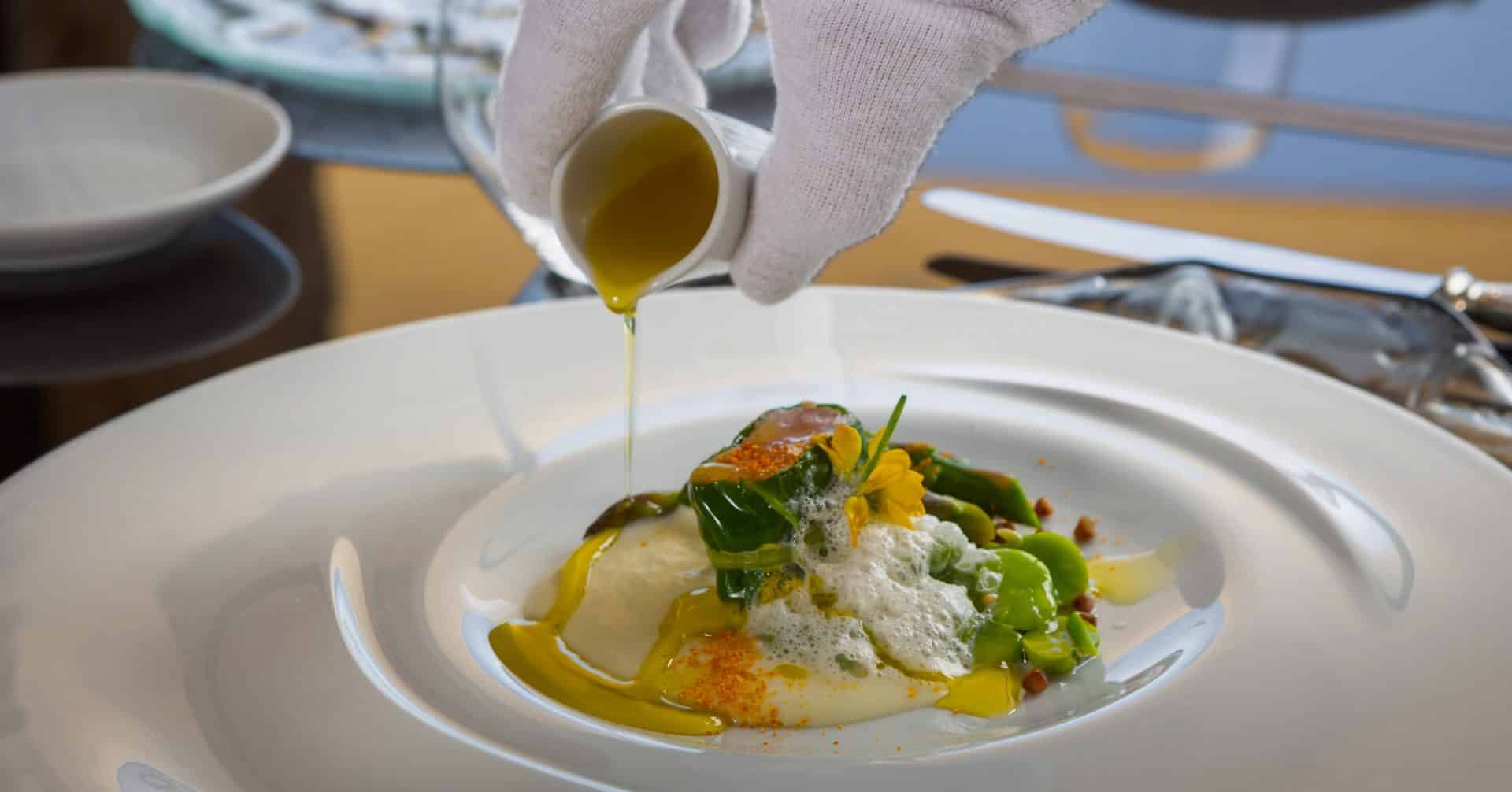
Two kitchens, both tied to the ground around them. Grotta 11000 is chiselled into the limestone and cooks over fire, charcoal grills and a hearth oven turning out Adriatic fish and whatever the boats bring in. The second table, called simply 3.3, sits among the groves and runs to longer, wine-paired dinners. Threading through both is the estate's own oil, pressed at a mill that still works on site and decorated year after year as the most awarded in Dalmatia. We have rarely stayed somewhere so plainly an extension of its farm.
The idea here is singular and it is honest: a working olive estate that happens to put eight rooms underground, on an island most people reach by ferry and few have heard of. That remoteness is the point and also the catch. Getting to Dugi Otok takes planning, the season is short, and anyone travelling with young children should look elsewhere. Come for the architecture, the silence and the oil, in that order, and it returns every hour the journey costs.
A longer reading of Villa Nai 3.3: the quarry architecture, the stone-lined rooms, the two kitchens and the oil.
Read Folio No. 06 →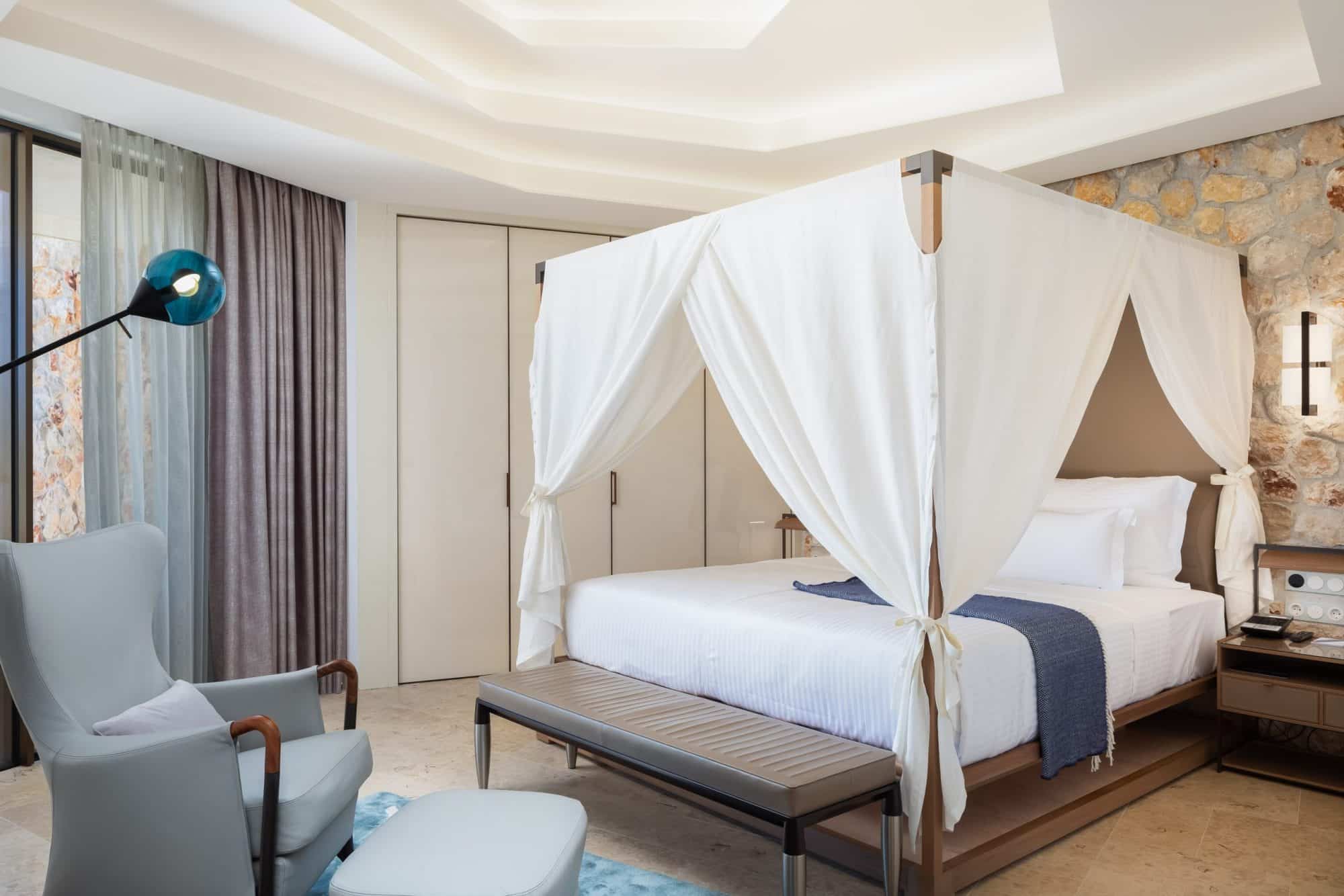
One selection at a time, in your inbox. Subscribe →
Dugi Otok, off Zadar, Dalmatia, Croatia; on a 500-year-old organic olive estate.
Adults-only; eight keys (five rooms, three suites) carved into the hillside; seawater pool.
Grotta 11000, fire-cooked Adriatic · 3.3, wine-paired in the groves · Lobby Bar and Cigar Room.
Telašćica Nature Park and the Kornati islands; Zadar by ferry.
Free, one to one, on WhatsApp. Tell me your dates and I will point you to the right places.
Plan with me on WhatsApp