For design
Elma Arts Complex
Zichron Ya'akov · Israel
Most hotels borrow a little art for the lobby and call it culture. Elma runs the other way. It is a working arts complex, two concert halls and a pipe organ at its centre, that happens to put you up for the night.
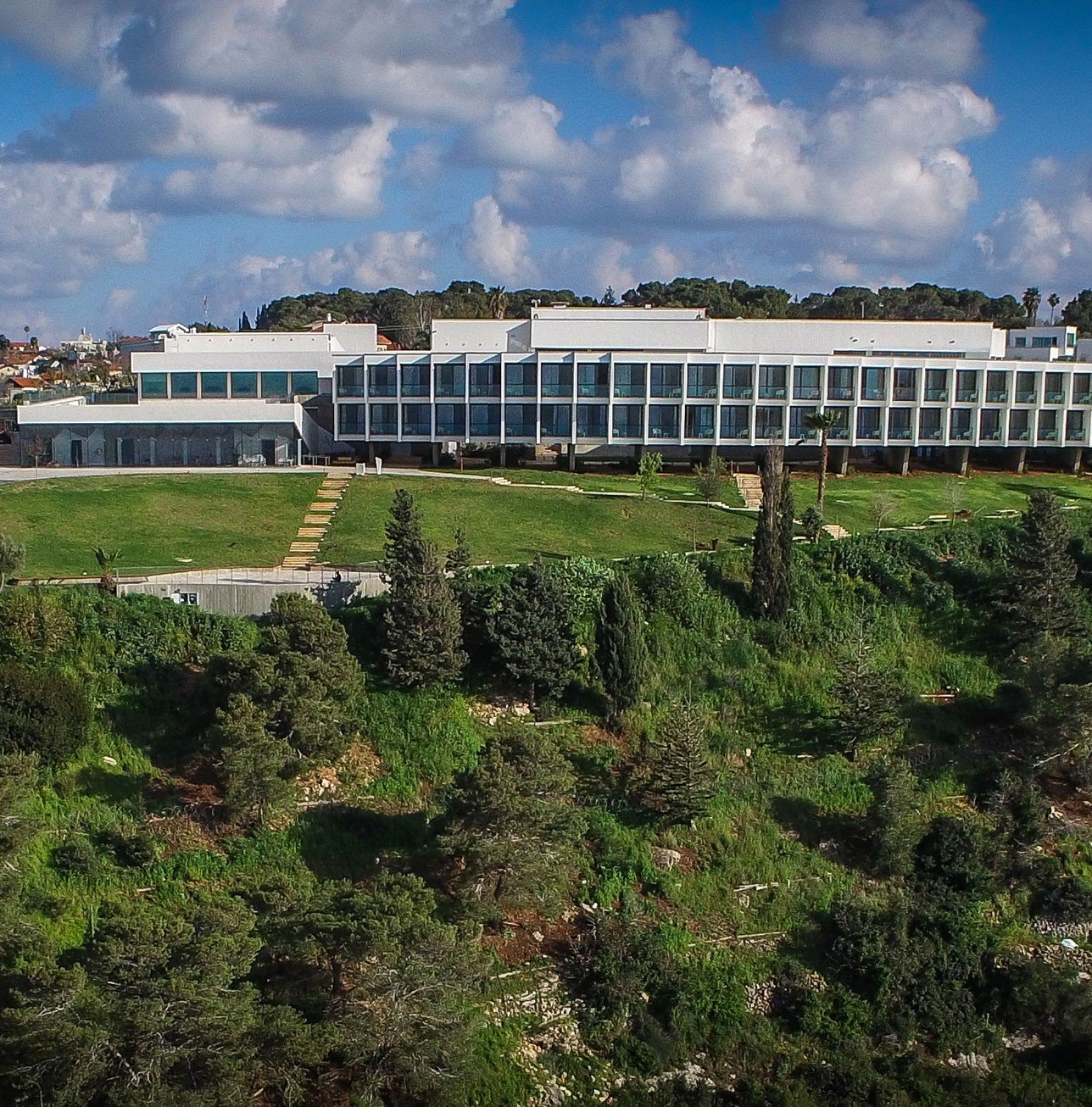
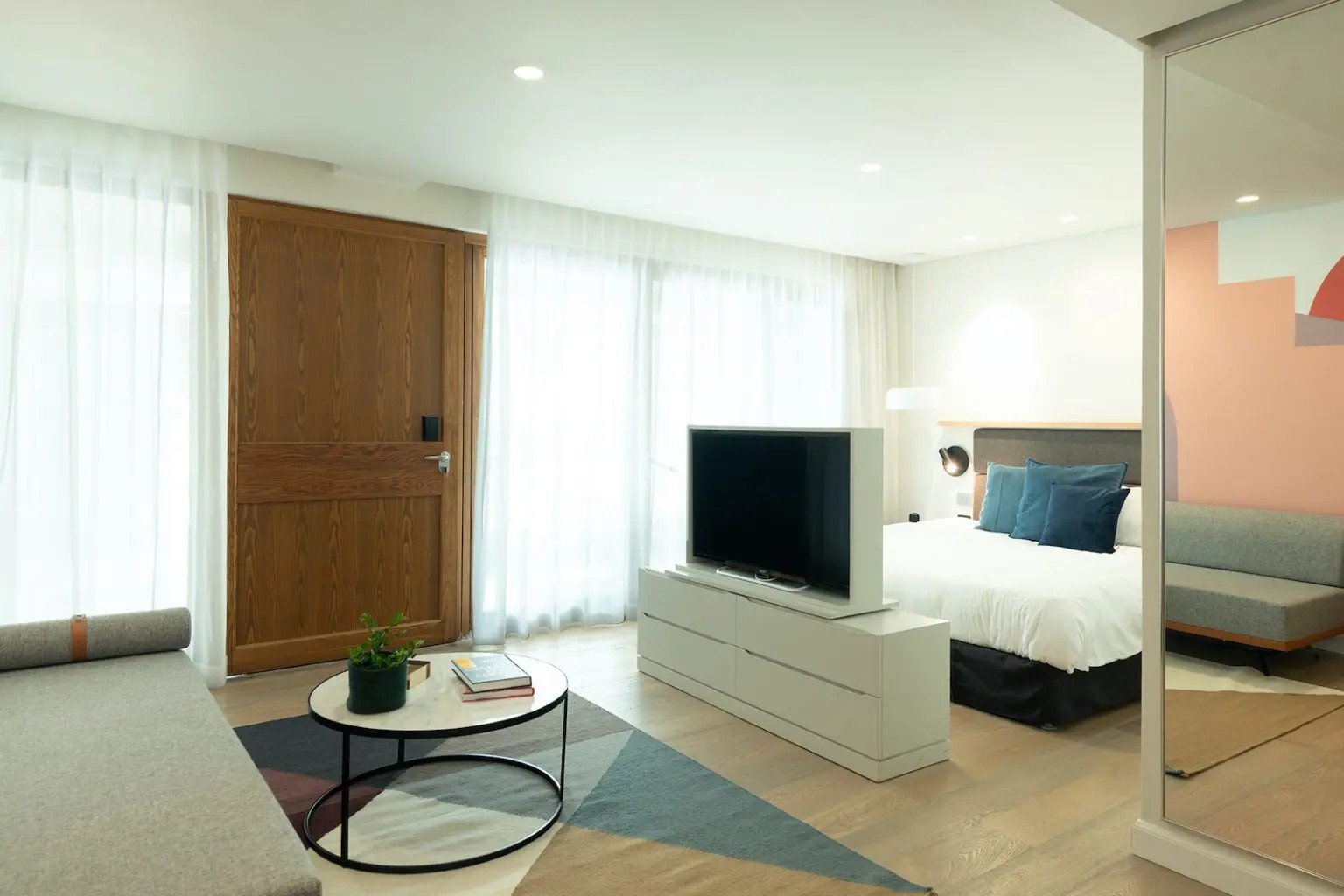
The building came first, and it is still the reason to come. Yaakov Rechter drew it in 1968 as the Mivtachim Sanatorium, a rest home for workers, and it became one of the landmarks of Israeli Brutalism: a long, stepped mass of concrete and glass set into the Carmel ridge above Zichron Ya'akov. By the time it fell empty it was close to demolition. The collector Lily Elstein bought it, asked Rechter's son Amnon to bring it back to the original drawings, and reopened it at the end of 2014. Rooms and cottages spread along the slope, most of them facing west over the pines to the coastal plain and the sea beyond.
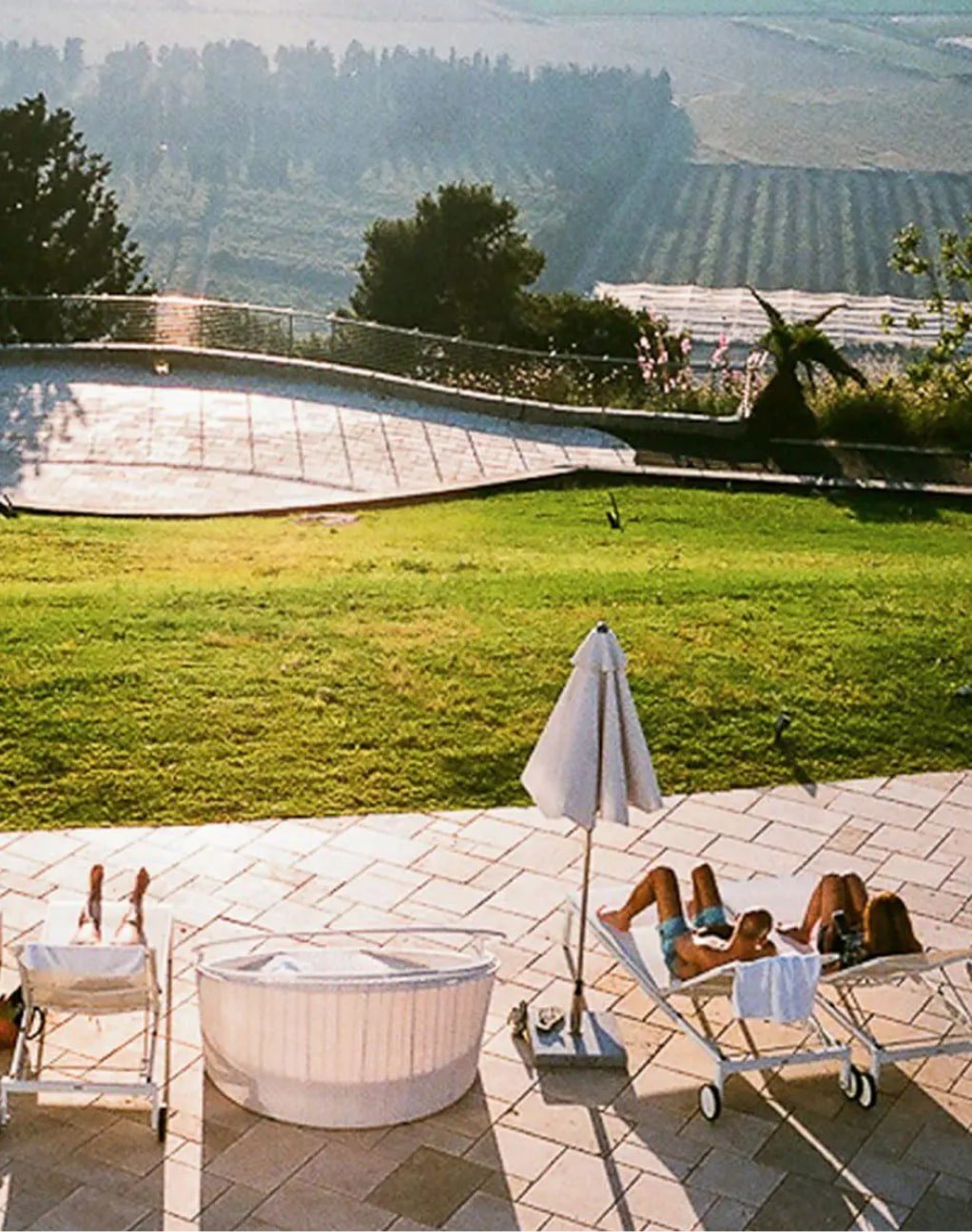
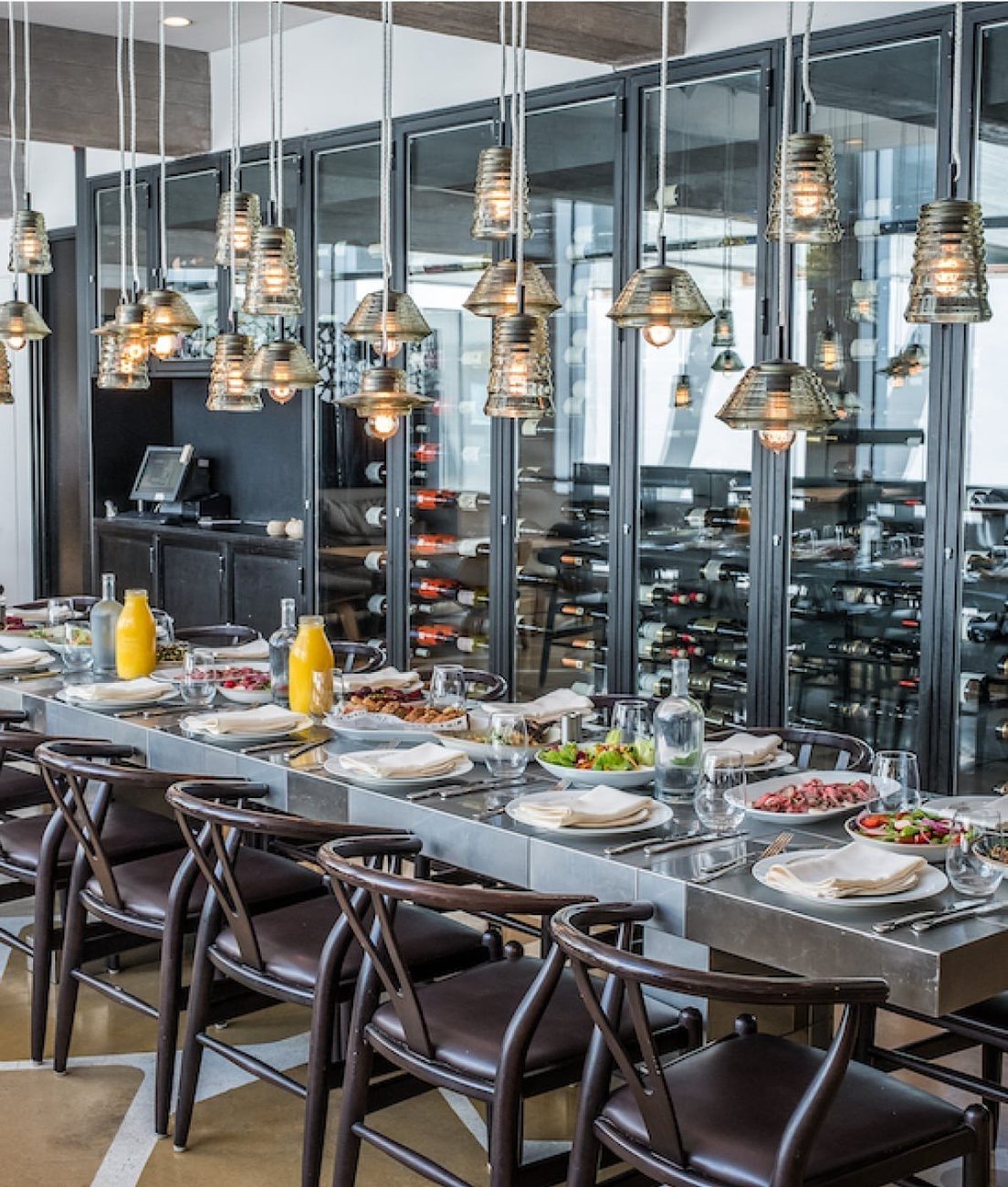
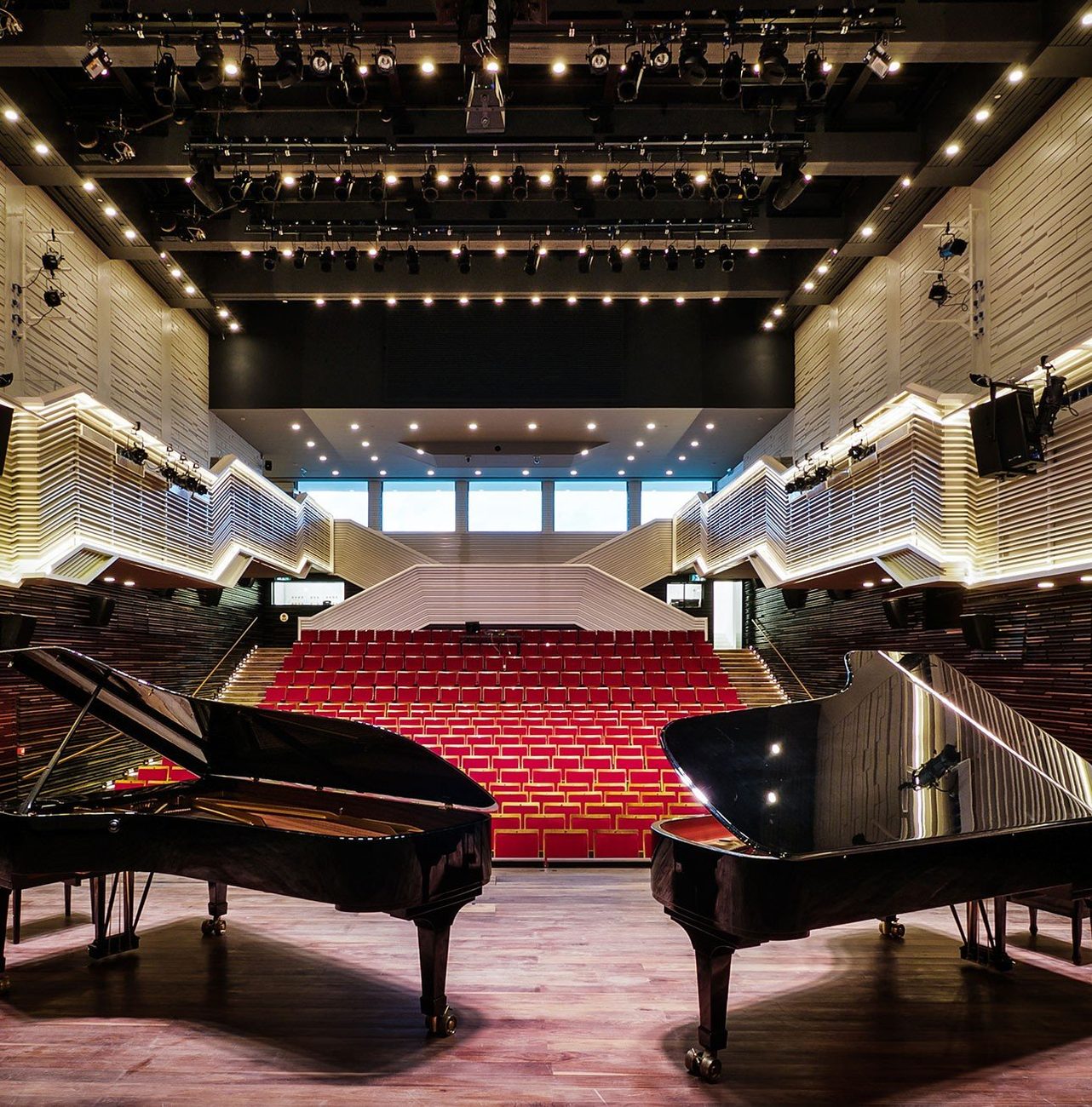
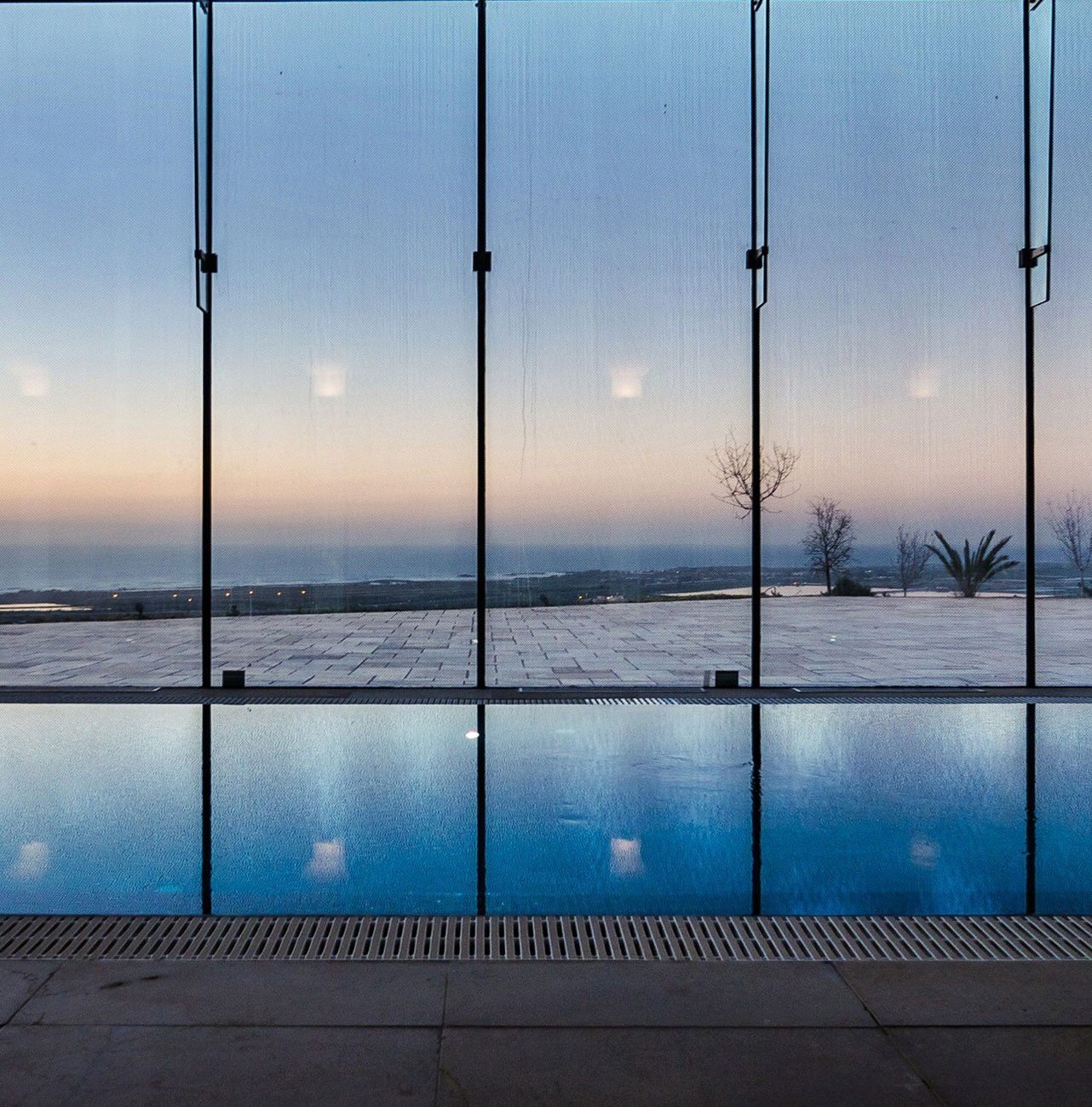
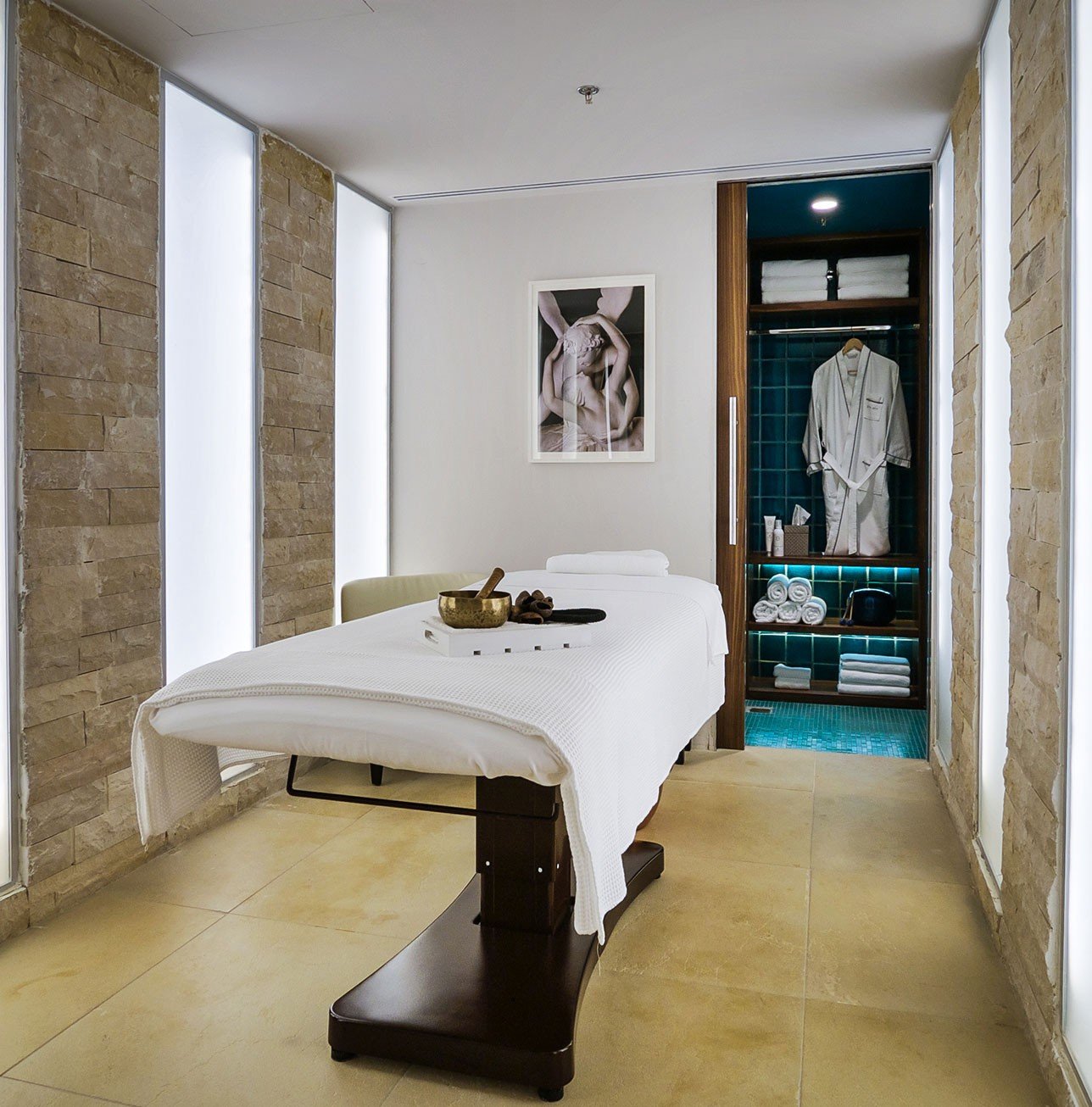
Elma stands for Elstein Music and Art, and that is not window dressing. At its heart is a proper concert hall, the 420-seat Elma Hall, with two Steinway concert grands and a Klais pipe organ, plus a smaller room, the Cube, for jazz and late sets. Two galleries and a collection that runs the length of the corridors turn the place into something between a hotel and a museum, where you might share a breakfast table with a musician down for the weekend's programme. The kitchen is kosher and takes itself seriously, built around a chef's restaurant. There is a spa with a hammam, and indoor and outdoor pools that sit right on the edge of the view.
Very few hotels are also cultural institutions, and fewer still are housed in a rescued masterpiece. Elma is both. It sits an hour north of Tel Aviv in wine country, the old streets and cellars of Zichron Ya'akov within walking distance, Haifa and the coast a short drive on. Come for a concert and stay the night, or come for the architecture and let the programme find you. Either way you are somewhere with a clear idea of itself, which is rarer than a sea view.
One selection at a time, in your inbox. Subscribe →
The Carmel ridge above Zichron Ya'akov, Israel.
Restored 1968 Rechter Brutalism; an arts hotel, rooms hung with art.
Kosher chef's restaurant; espresso bar; the Cube performance bar.
Zichron Ya'akov's old centre and the Carmel wineries; Haifa; Tel Aviv about an hour.
Free, one to one, on WhatsApp. Tell me your dates and I will point you to the right places.
Plan with me on WhatsApp