Two houses, and what they kept
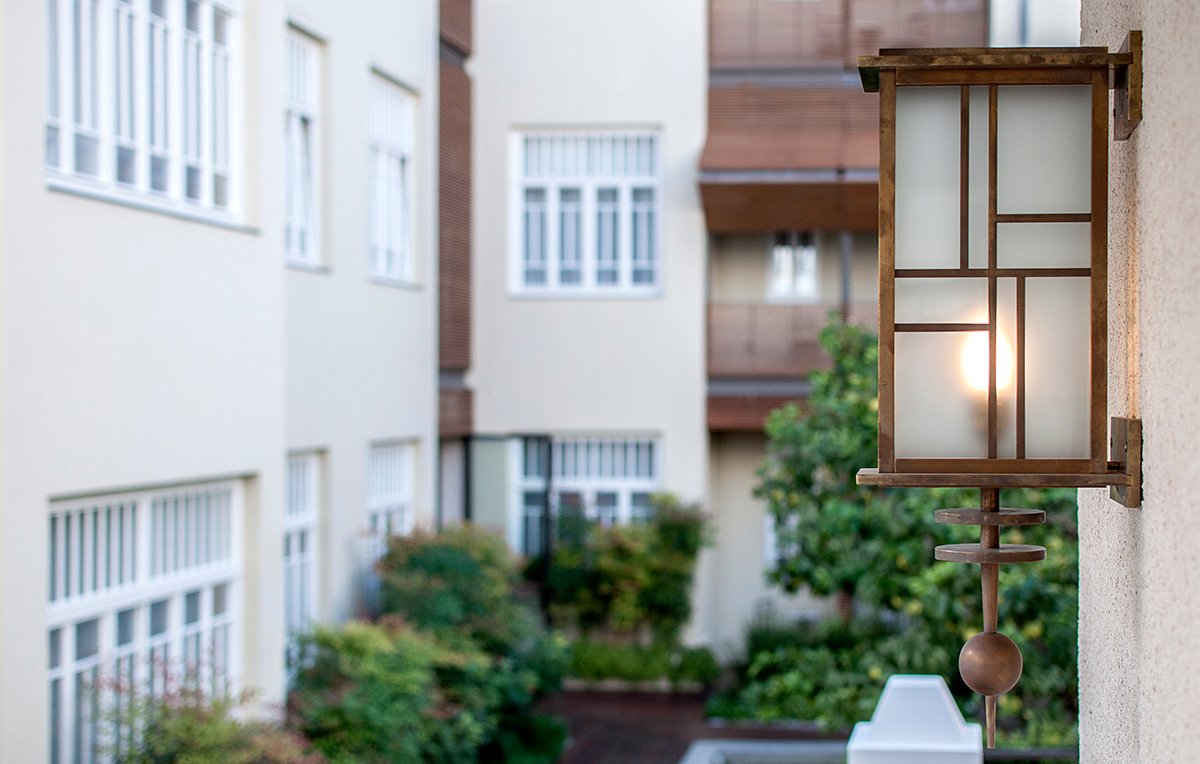
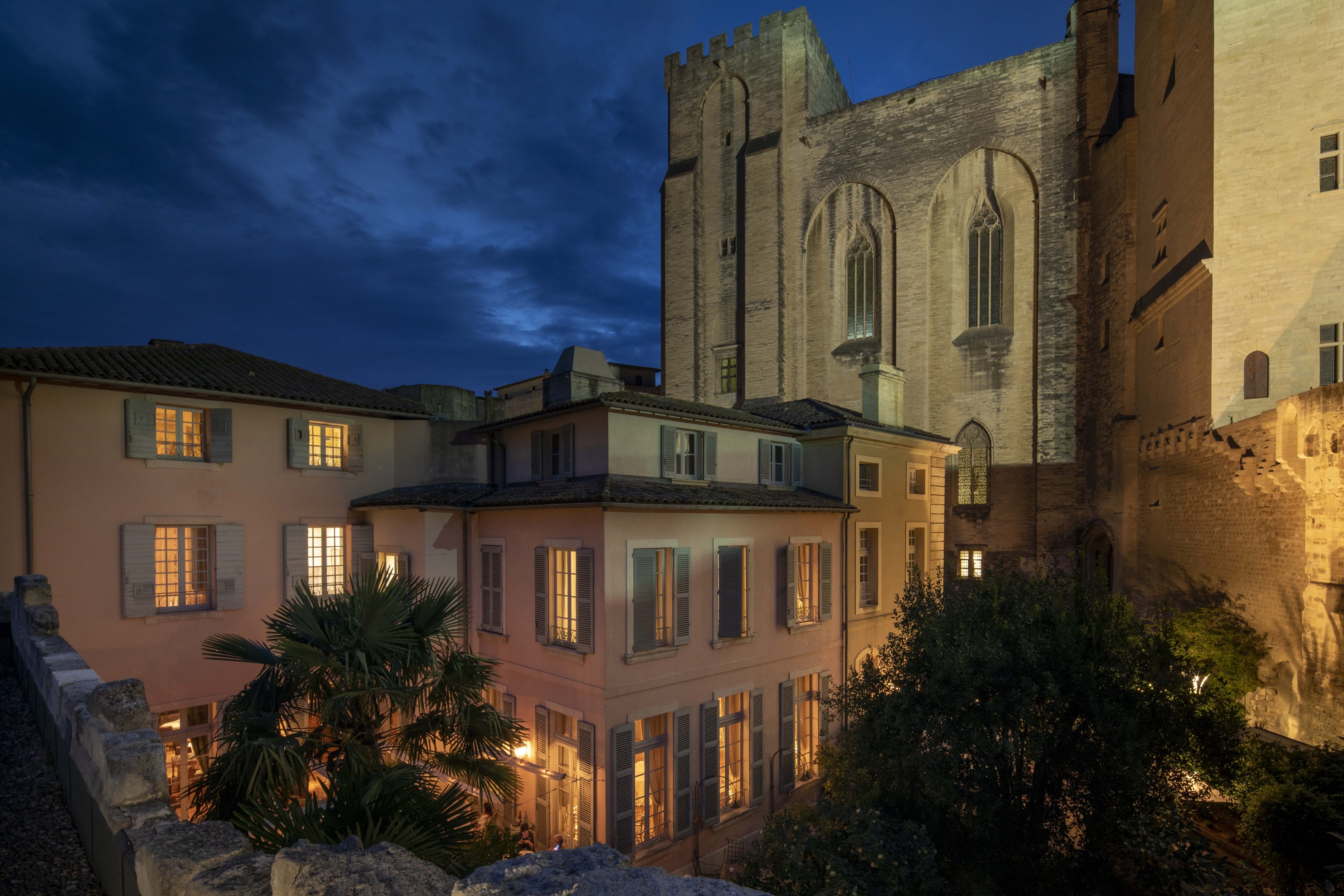
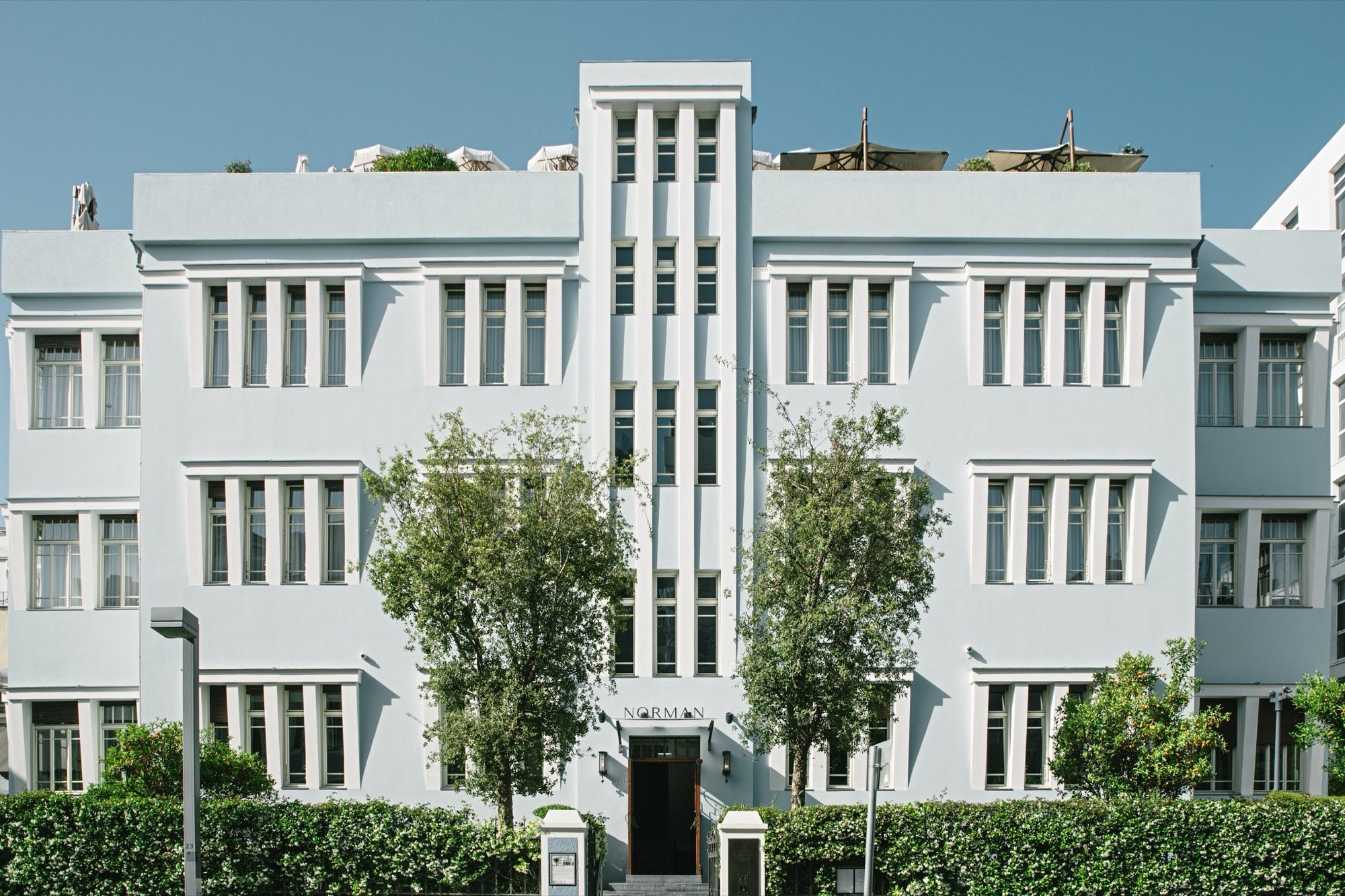
The two buildings sit at 23 and 25 Nachmani Street, near King Albert Square, in the quieter part of the centre. They went up in the 1920s, before the White City filled in around them, and by the time the current owners took them on they needed the better part of a decade of work. The restraint of that decision shows. There is no attempt to make the houses grander than they were. The render is white, the windows are tall and shuttered, and from the pavement the place reads as a well-kept piece of the old street rather than a hotel announcing itself.
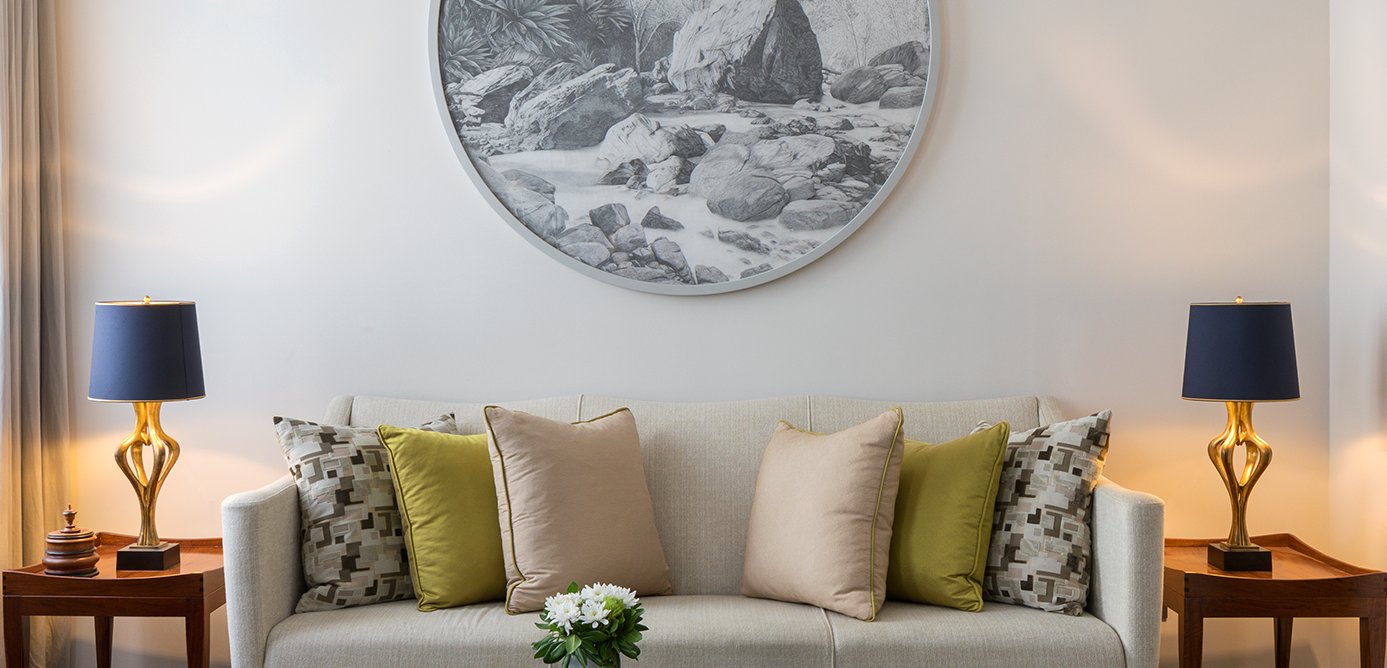
David d'Almada handled the interiors and let the buildings set the terms. High ceilings, terrazzo underfoot, brass, mid-century furniture that looks collected over years rather than bought as a matching set. A contemporary art collection runs through the public rooms and along the corridors, so the walk to your room is not dead space. There are fifty rooms and suites across the two houses, with two penthouse suites and their own terraces at the top. It is a period building doing a modern job, and it mostly refuses to pretend otherwise.
A city that mostly builds new, and one address that chose to restore.
Small rooms, a high roof
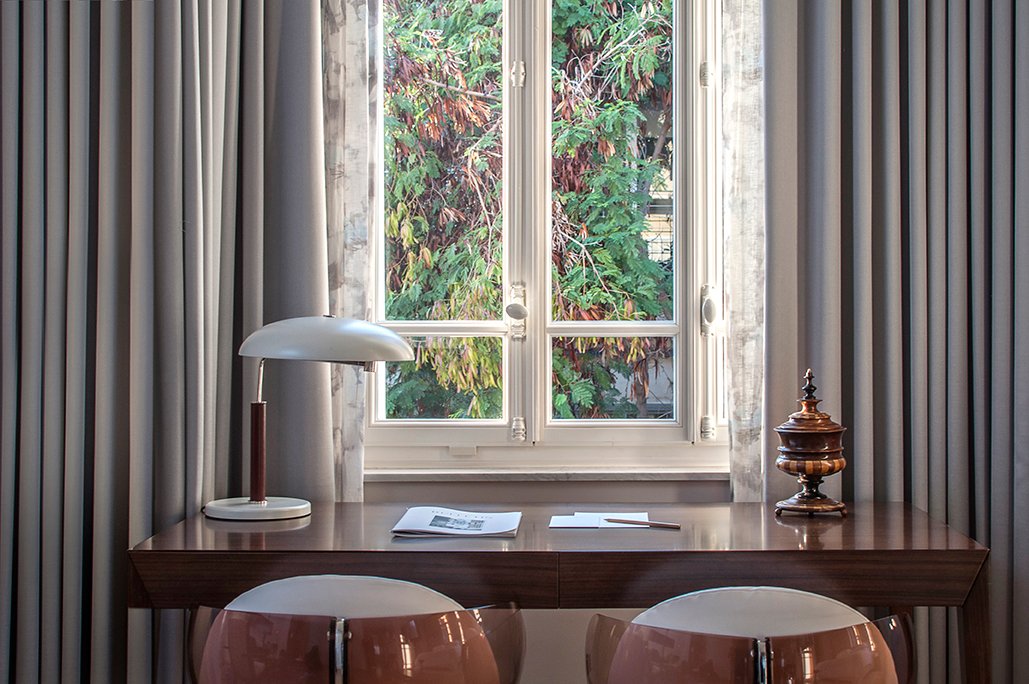
The rooms are honest about their age. The larger suites carry the height and the light beautifully, with the shutters thrown back on the plane trees, but the entry categories are genuinely small, because that is what a 1920s apartment floor gives you once you have run in modern plumbing and cooling. This is worth knowing before you book. If the budget stretches, ask for a suite, or for a corner room where the two windows do the work. The furnishing is the same quiet grammar throughout, pale walls and warm wood and a piece of the art collection, so what you are choosing between is space and light rather than one look against another.
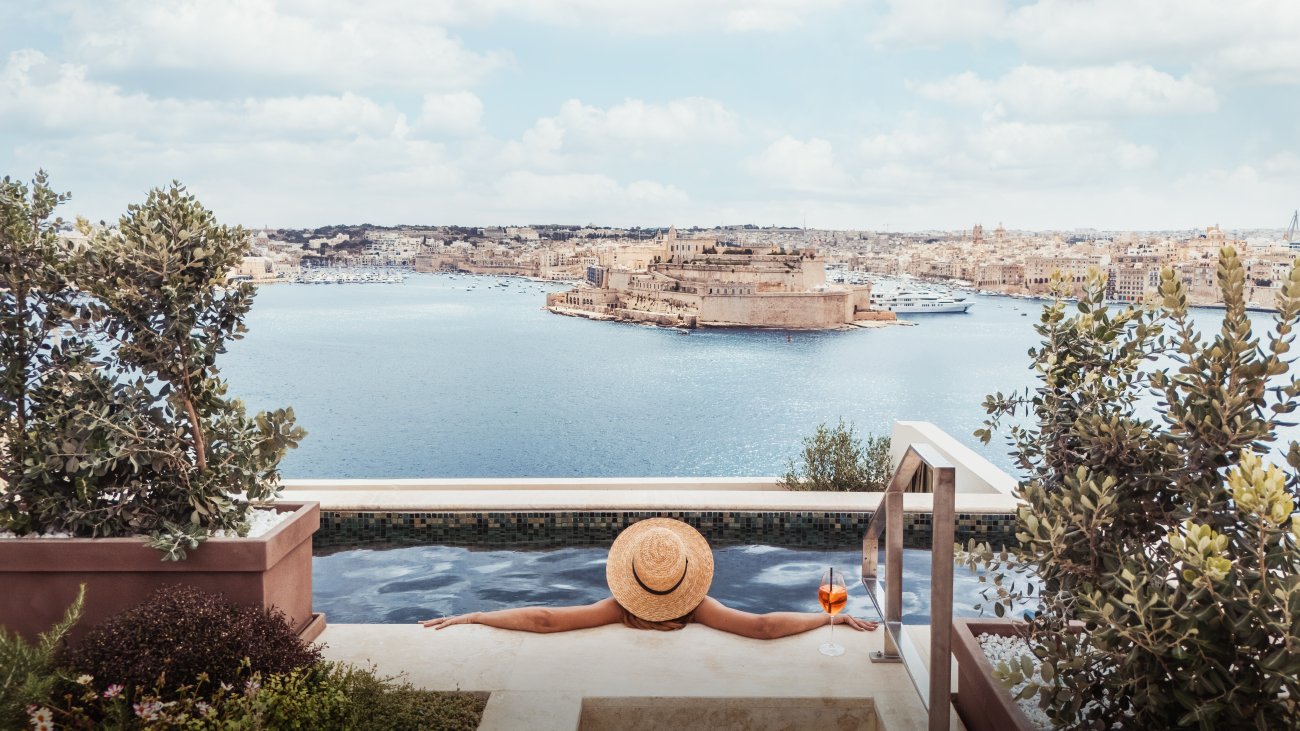
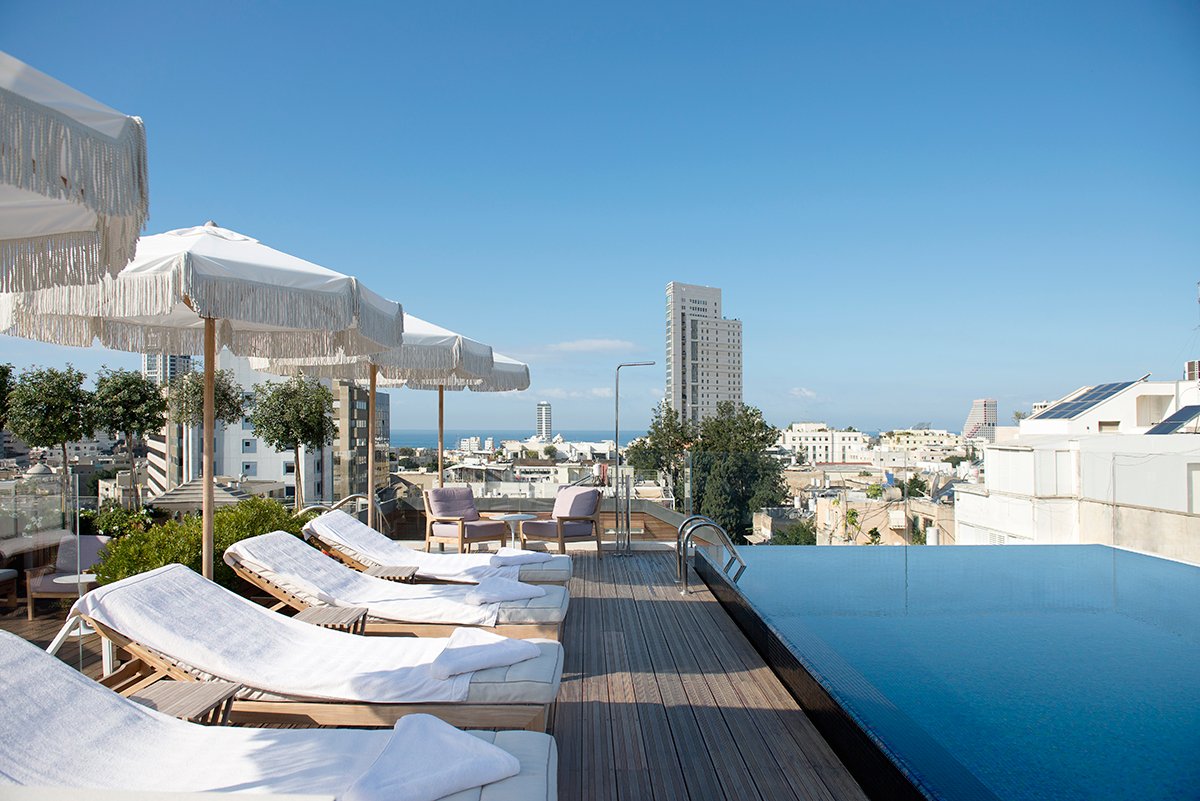
The roof is where the hotel opens up. A small infinity pool, fringed umbrellas and a run of loungers sit above the low roofs of the centre, with a thin line of sea beyond and the towers of the newer city off to one side. It is a plunge and a place to read, not somewhere to spend the whole day, and on a city break that is the right size for it. The spa sits below, quiet and low-lit, for the hours when the sun is too much.
The rooms are honest about their age. Ask for the height.
Two kitchens and a bar
Eating is taken as seriously here as sleeping, which is not always true of a hotel this size. Alena is the main kitchen, Mediterranean and market-led, and it opens into a planted courtyard that feels a long way from the street once you are in it. It has been part of the city's dining habit since the hotel opened, not just a room for guests. Up on the third floor, Dinings runs a rooftop sushi lounge, Japanese izakaya small plates with a European hand, better at dusk than at any other hour. The Library Bar is the room to end the night in, dark and low-lit and built for a proper drink rather than a quick one.
None of it is kosher. In this city that is a quiet line about the cooking rather than an oversight, and it lets the kitchens range where they like. The wine lists are long and taken seriously, the courtyard is the seat to ask for at Alena, and breakfast, unhurried, is the meal most guests seem to talk about afterwards.
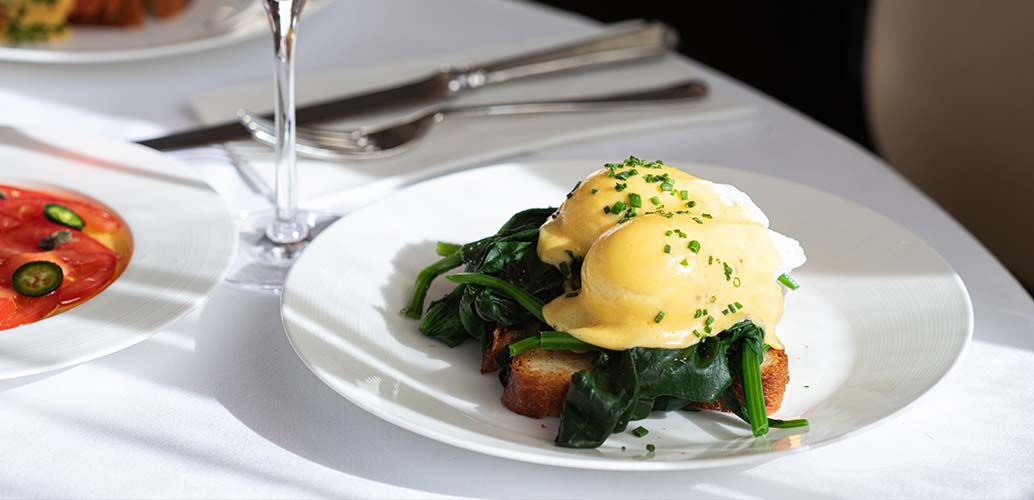
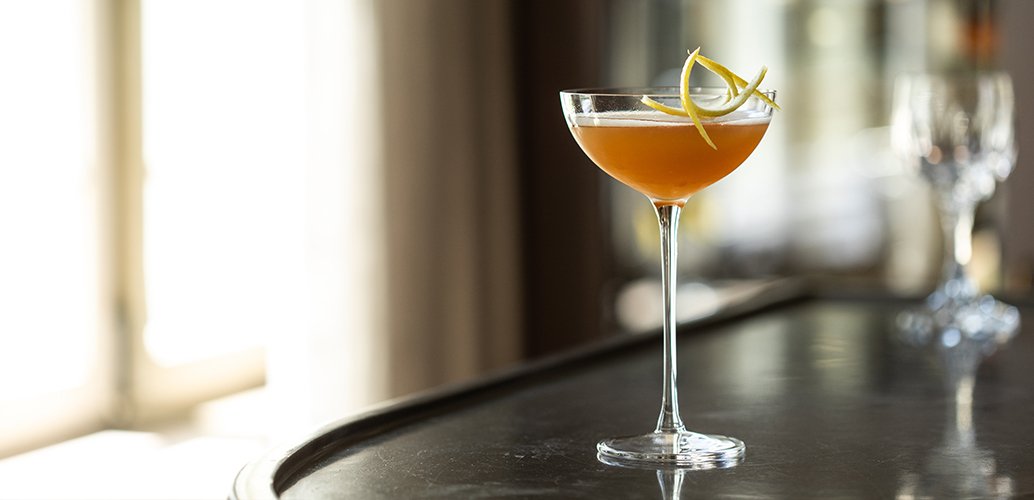
Not kosher, which here reads as a line about the cooking.
Most of Tel Aviv trades on the new, the beach and the towers and the next opening. The Norman is the other idea. Two old houses saved rather than replaced, dressed with a light hand and run at a scale where the staff learn your name by the second morning, with two kitchens inside worth eating in whether or not you are staying. Take the caveats plainly. It is a city hotel, so the pool is a rooftop plunge and not a day by the water, and the cheaper rooms are small. Book a suite if you can, come for the restoration and the table, and let the beach be the walk you take afterwards.
Photos: The Norman (official), self-hosted with credit.