Built to hold the sickness at the gate
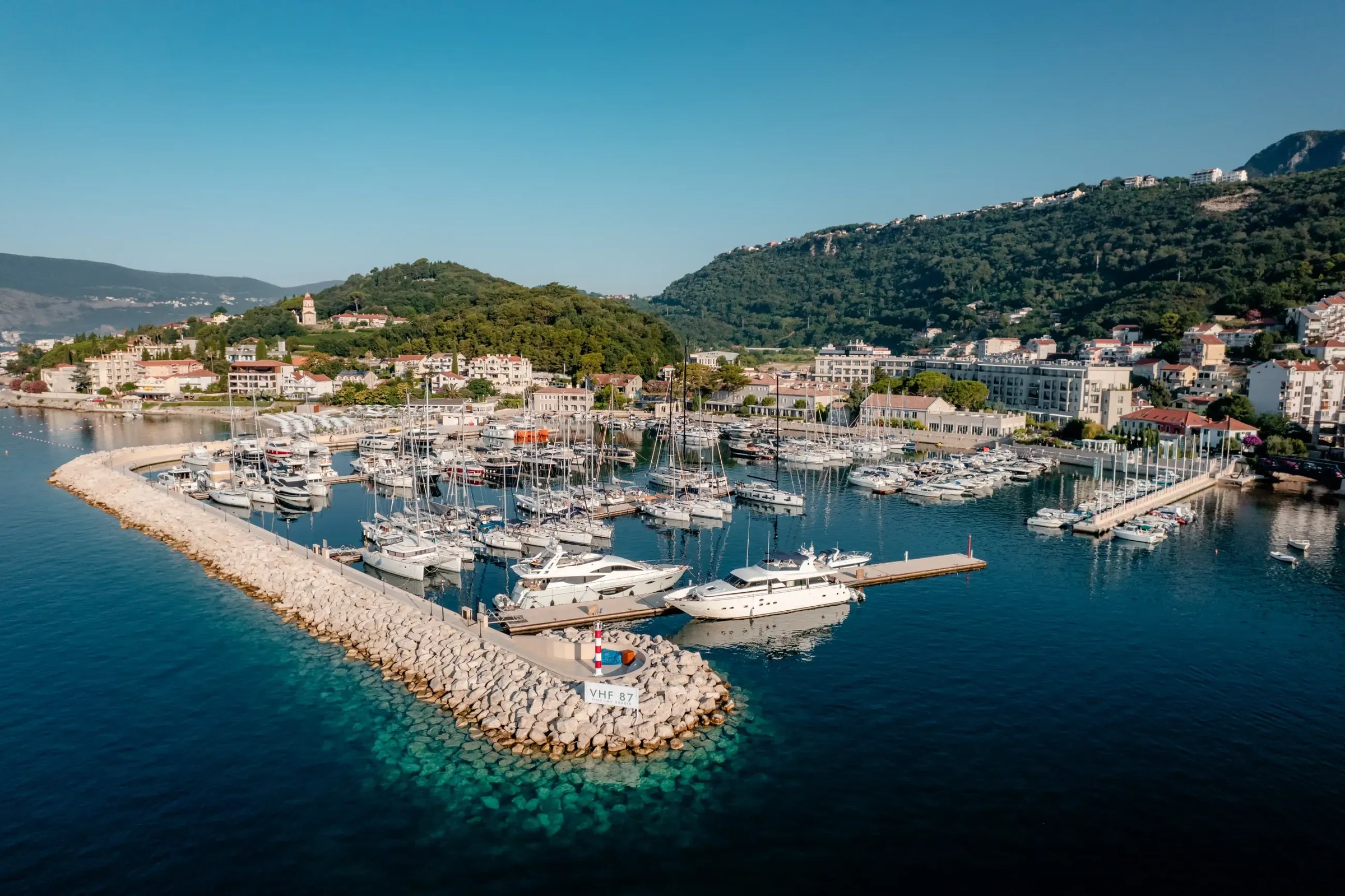
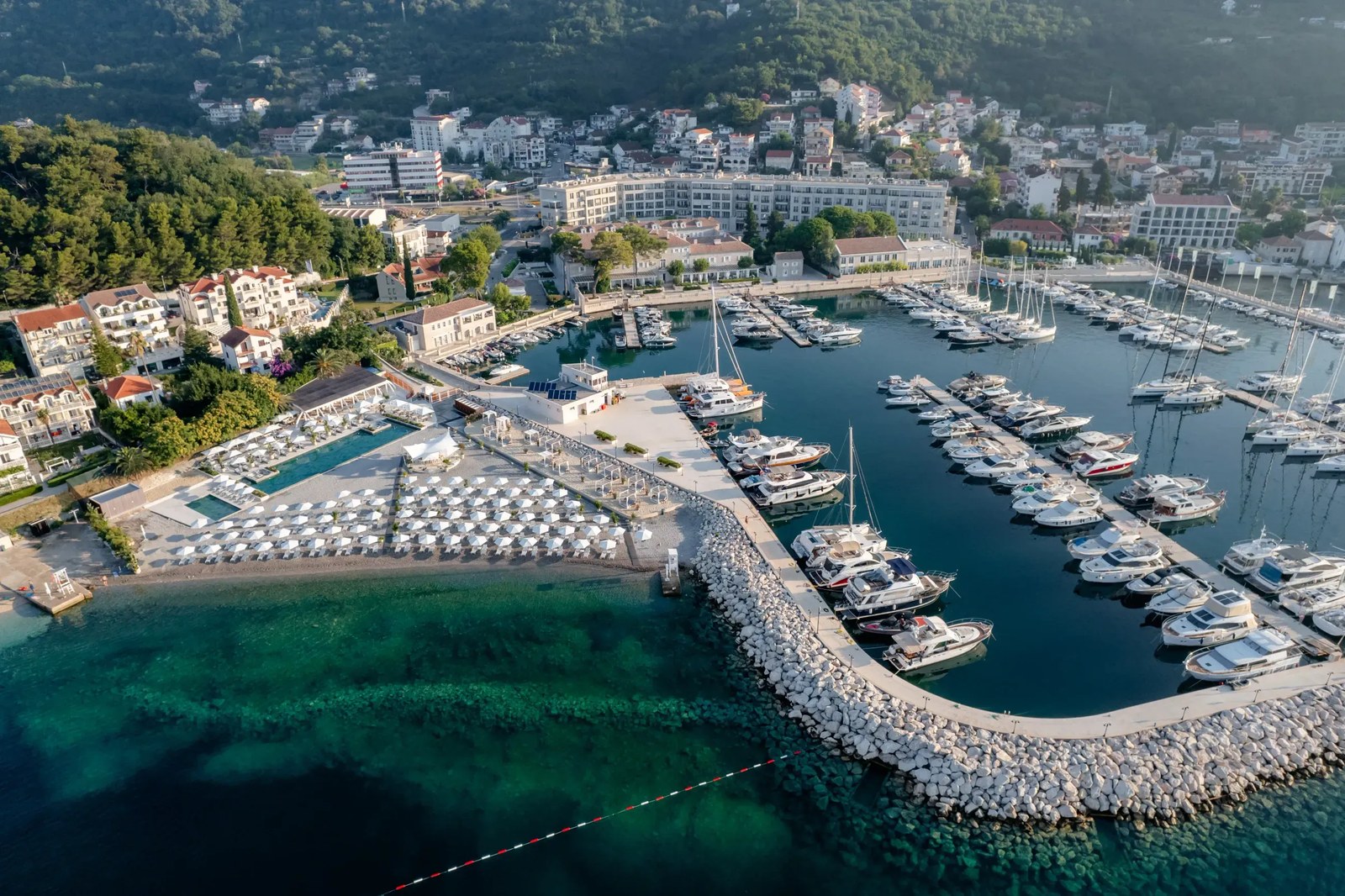
Venice took Herceg Novi from the Ottomans in 1687 and ran the town as a customs port, which meant ships, merchants and whatever travelled in the holds with them. To stand between the trade and the town, the Republic built a quarantine station at Meljine between 1729 and 1732: a walled compound with two piers and a breakwater, where arrivals waited out their days before anyone let them ashore. The place did well on it and became the health office for the whole of Boka.
What survives has been restored and extended into Lazure, five stars now, water on one side and the bare grey slopes of Orjen rising behind. On the grounds there is still a small chapel to St Rocco, the saint people once called on against the plague. Little of that history is spelled out for you, which is the right instinct. The stone says it plainly enough.
Old walls kept, new ones added
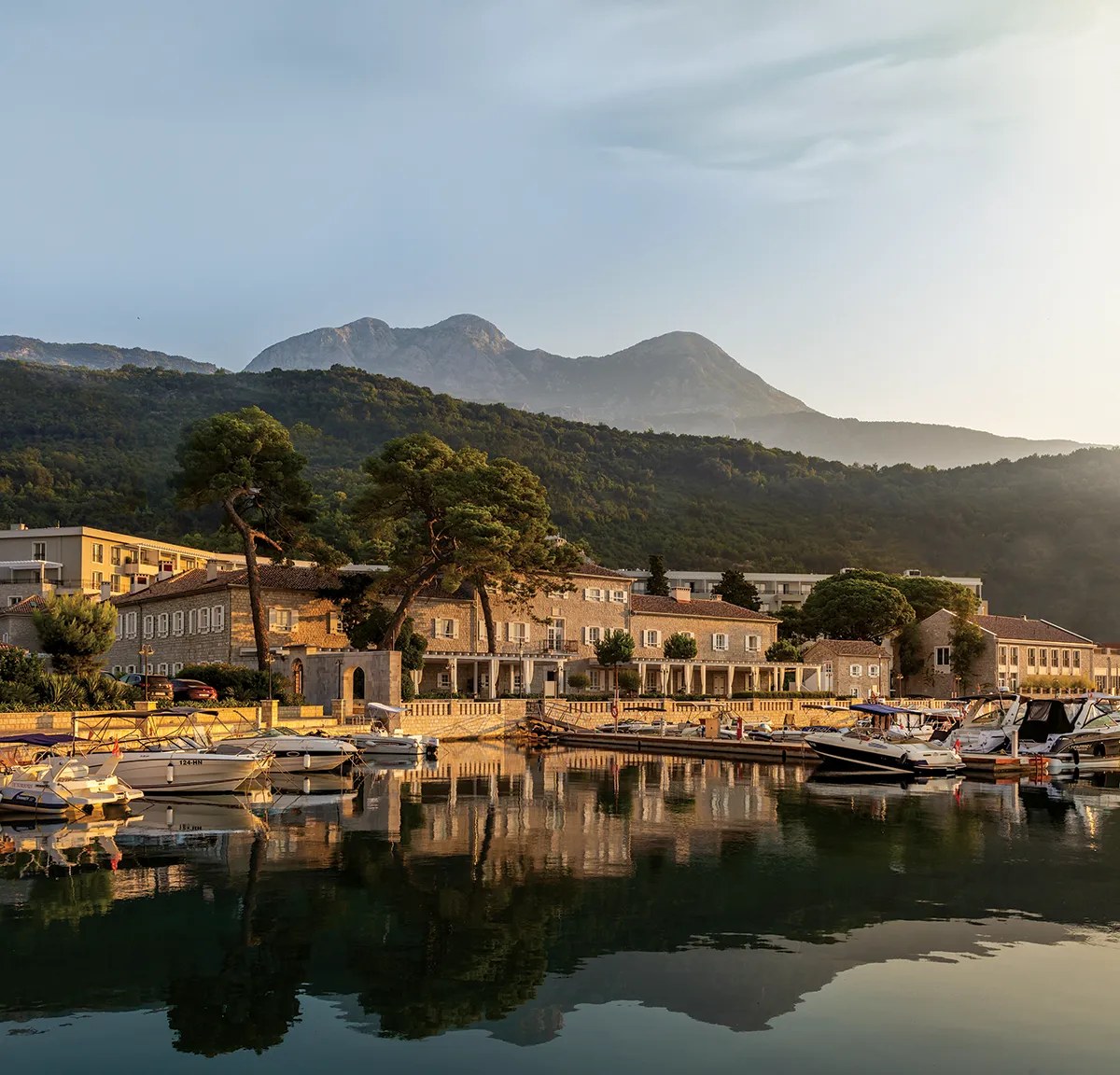
The oldest rooms, twenty-four of them, sit in the Historic Building of the lazaret and keep the thick walls and a plain, unfussy hand. Another hundred and some are set in a newer building alongside, most of them turned to the water. It is a large hotel run at the scale of a small one, and the restoration has done the sensible thing: hold the eighteenth-century shell, put the numbers next door rather than force them into rooms that were never meant to take them.
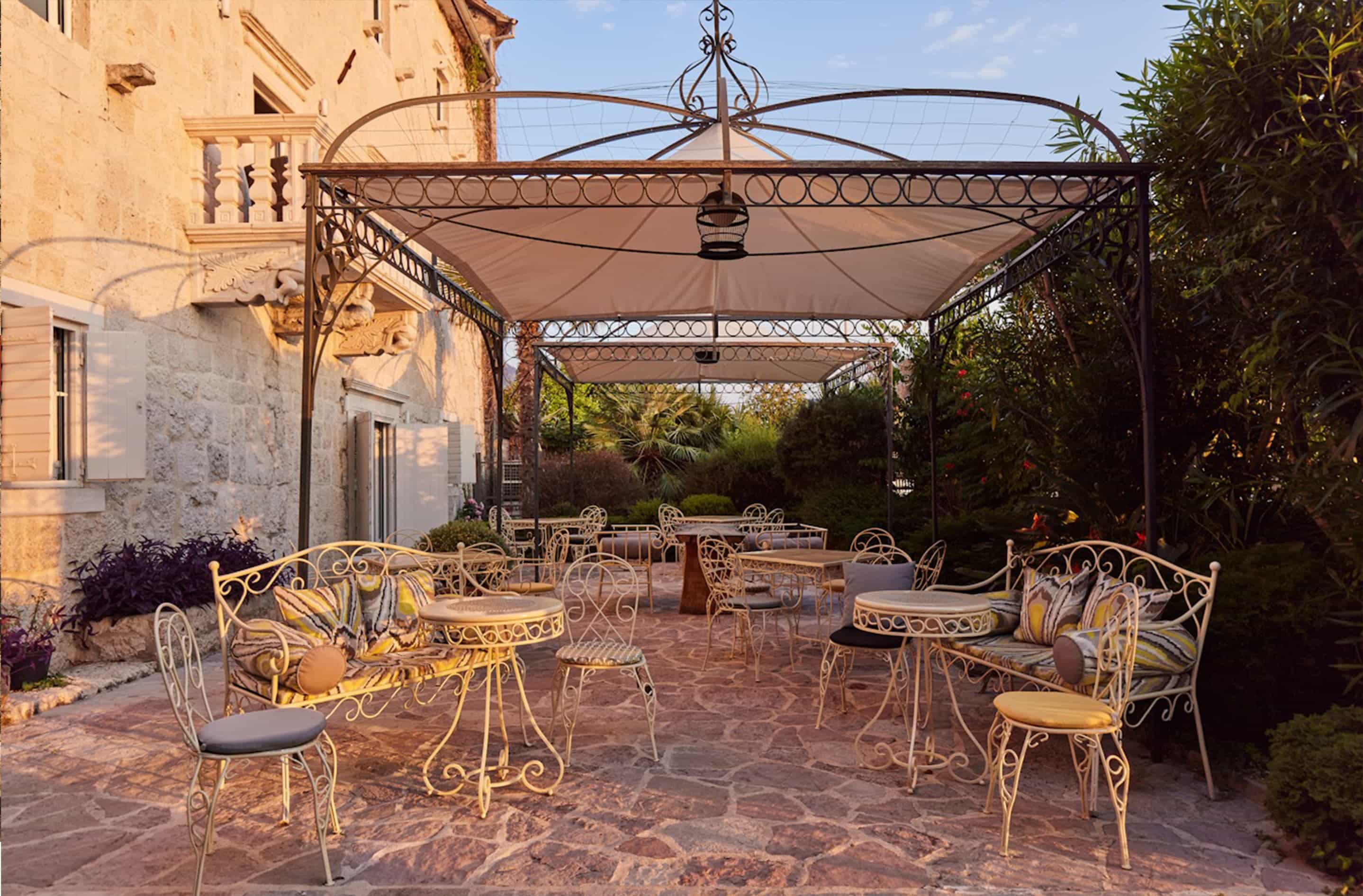
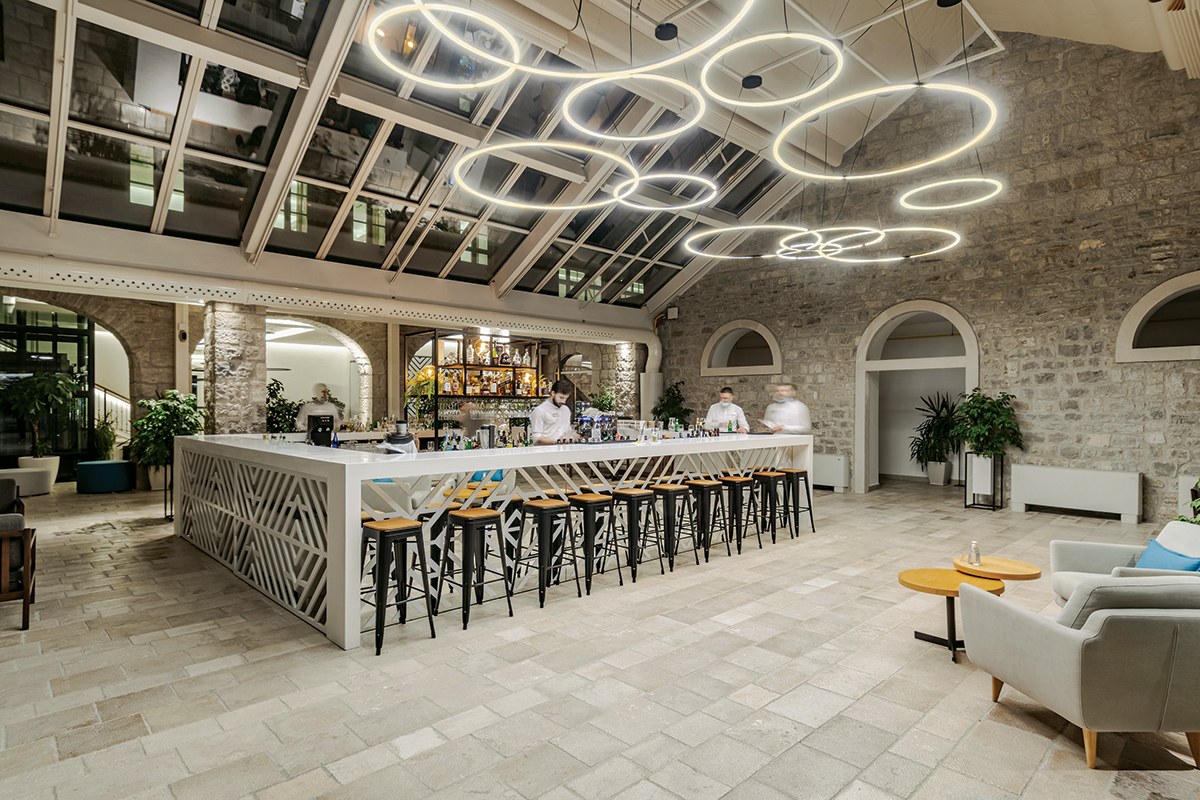
The evening gathers in the old lounge bar, where a white counter and ring lights hang under a glazed roof and the original stone runs on around them. It is the clearest reading of what Lazure is after. Keep the quarantine walls, let the century show, then set something modern down in the middle without apology.
Built to keep the world at the gate. Now it lets you in.
Two kitchens and a harbour of your own
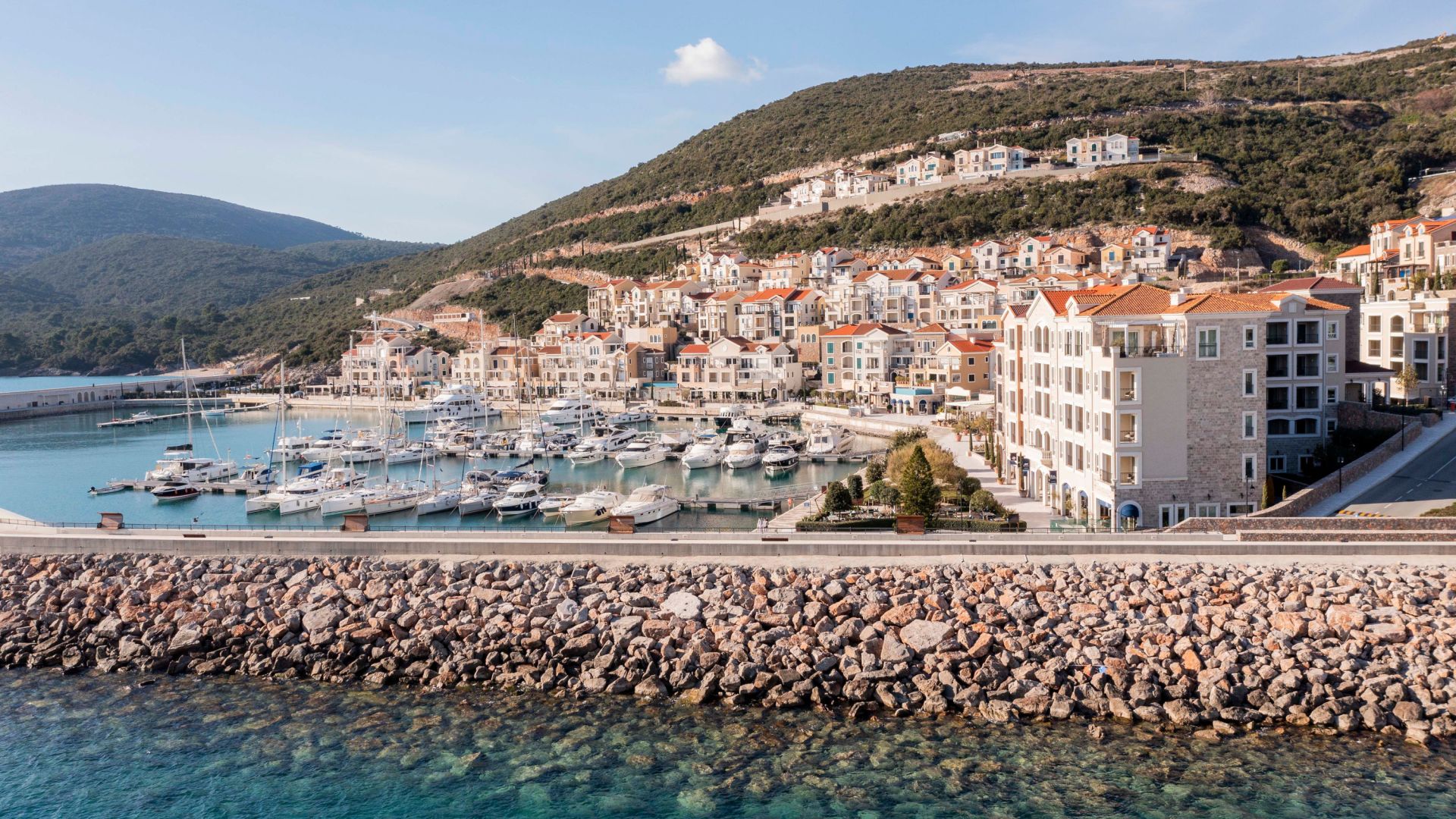
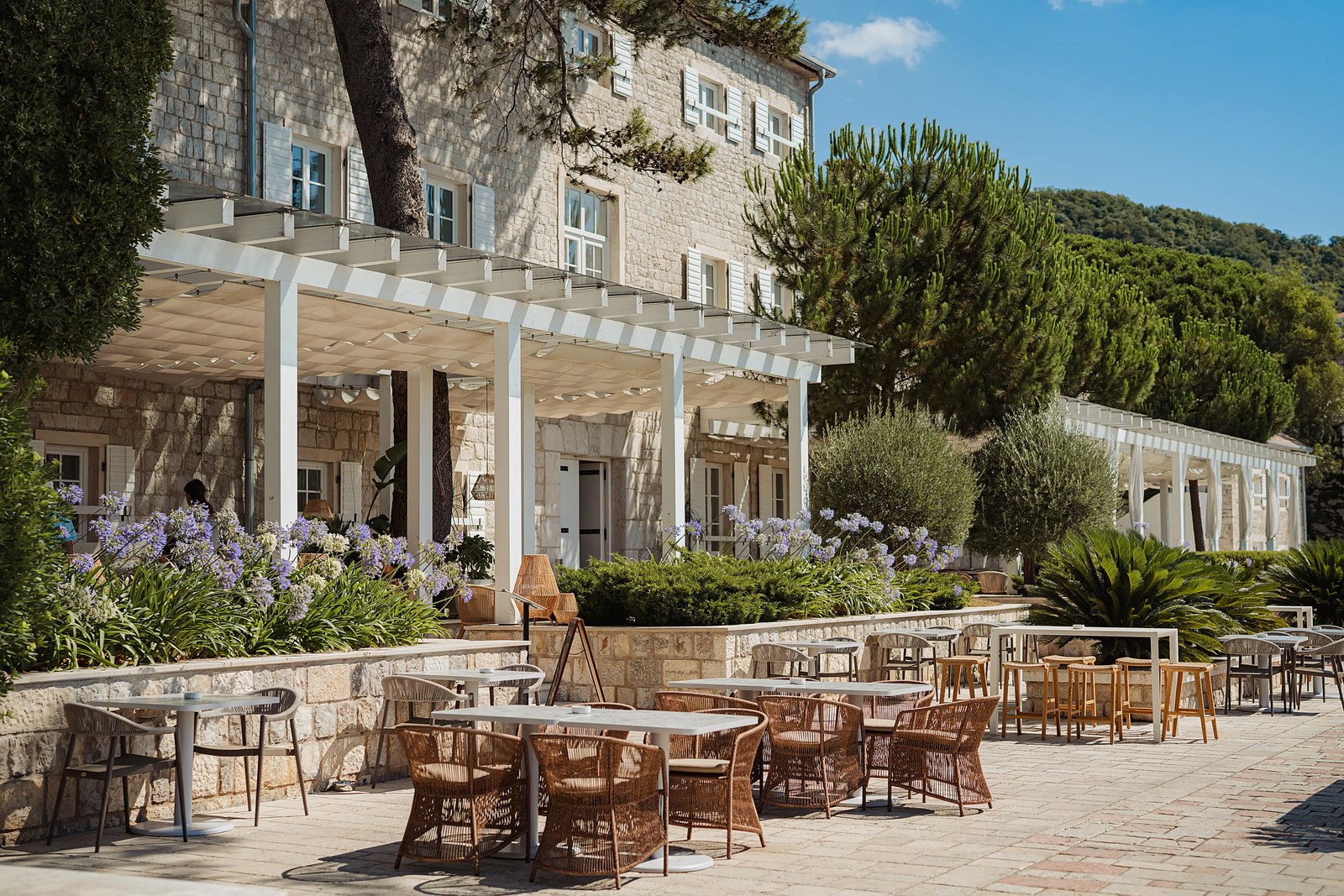
Two restaurants face the marina. Rosemarine is the more ambitious of the pair, a Mediterranean kitchen that lets Adriatic fish and Montenegrin produce take an accent from further east, served in the dining room or out on the terrace over the boats. Augusto is the easier one, a brasserie set around an interior courtyard. Rocco, the lounge bar, carries the late hours, and in summer a bar opens down on the hotel's own sandstone beach. Behind it all the Atmosphere spa keeps a pool, a hammam and saunas cut into the quiet.
The marina is the real argument for the place. A hundred and fifty-six berths take boats up to thirty metres, which means you can tie up in front of your room and treat the whole of Boka as the day's plan. Kotor and Perast wait further in, deeper under the mountains; Tivat airport is twenty minutes, Dubrovnik about thirty. Most of the bay's good hotels are restored palazzi in the old towns. This one is rarer, a working piece of the quarantine past given a use again, with a harbour of its own out front.
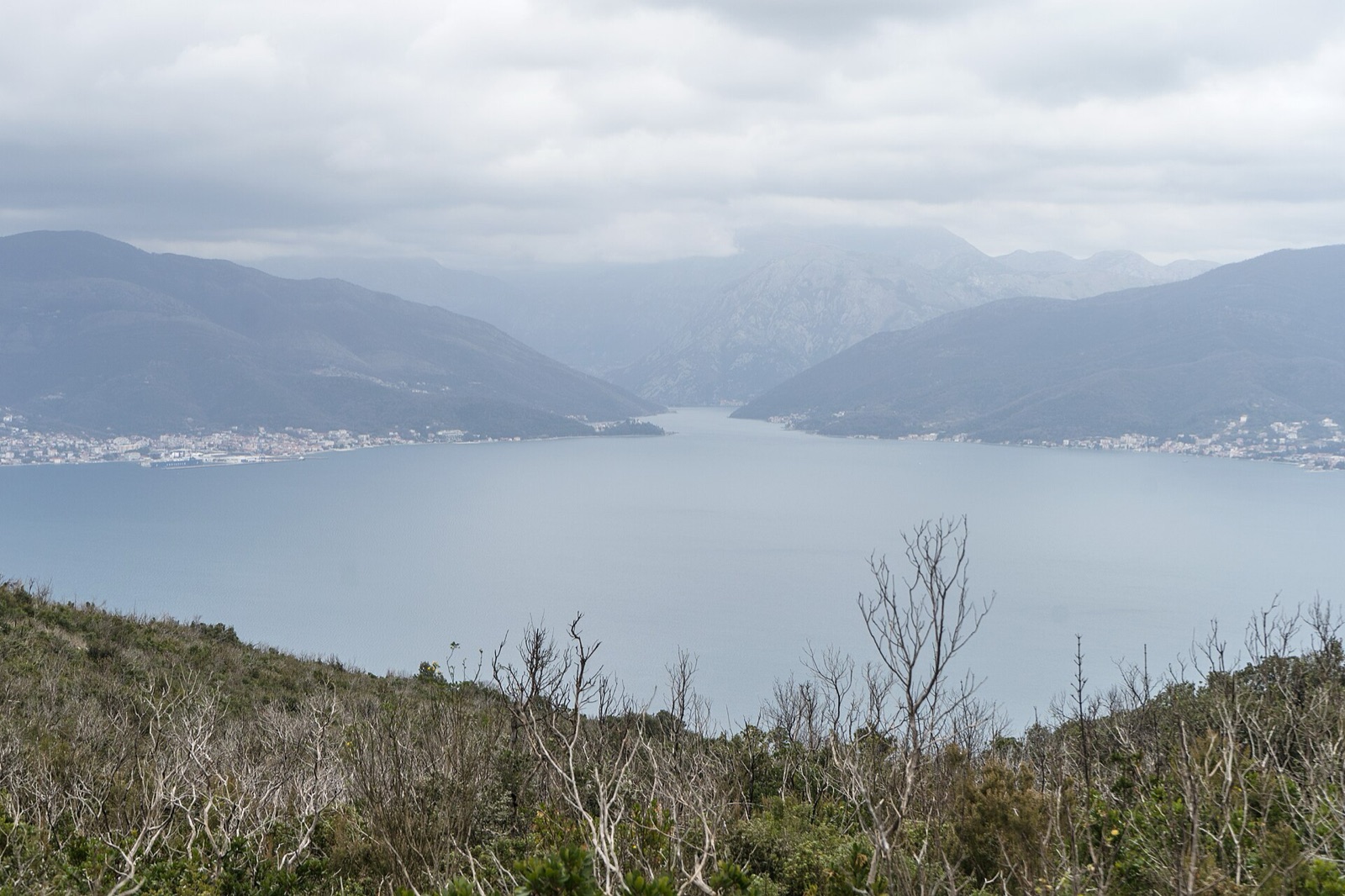
Boka is often called a fjord. It is not one, though the shape misleads: a deep inlet folding back on itself under bare mountains. Lazure holds a strange, specific corner of it, a plague station turned five-star hotel, and it wears that history lightly rather than as costume. We have not yet stayed, so this stands as a researched profile rather than a first-hand verdict. On the evidence, the marina and the walls together earn the closer look.