Built low, and built around a middle
The place opened in 2019 as the third Casa Cook, the sun-bleached, barefoot label that taught a certain kind of traveller to want concrete and cactus rather than marble and gold. It was drawn up by the Athens studio k-studio, with the Berlin designers Lambs and Lions and the stylist Annabell Kutucu, a trio who between them set the house style of the warm, pared-back Greek hotel of the last decade. In 2020 it was named best resort in Europe at the AHEAD awards, and it has since taken the Domes name and the badge of Marriott's Luxury Collection without losing the original idea.
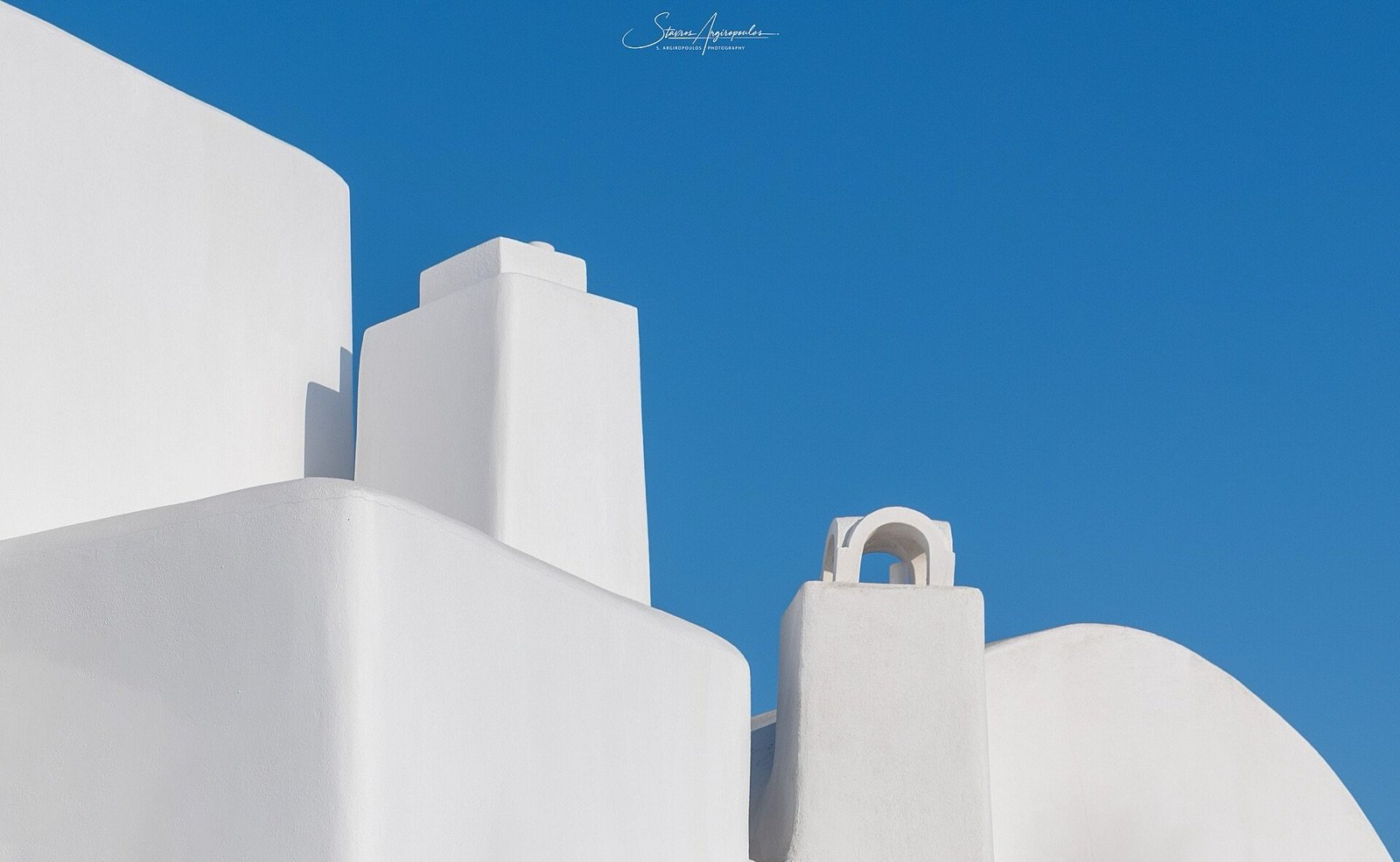
That idea is a village. The architects kept everything to a single storey and let the buildings interlock as they fall towards the sea, their flat roofs and terraces reading from above as one low settlement rather than a run of rooms. At the heart of it they put a shared space, an agora of sorts, a nod to the square where a Cretan village still does its talking. The word the hotel reaches for is parea, the company you keep, and for once the marketing and the architecture are describing the same thing.

Rooms that open before they enclose
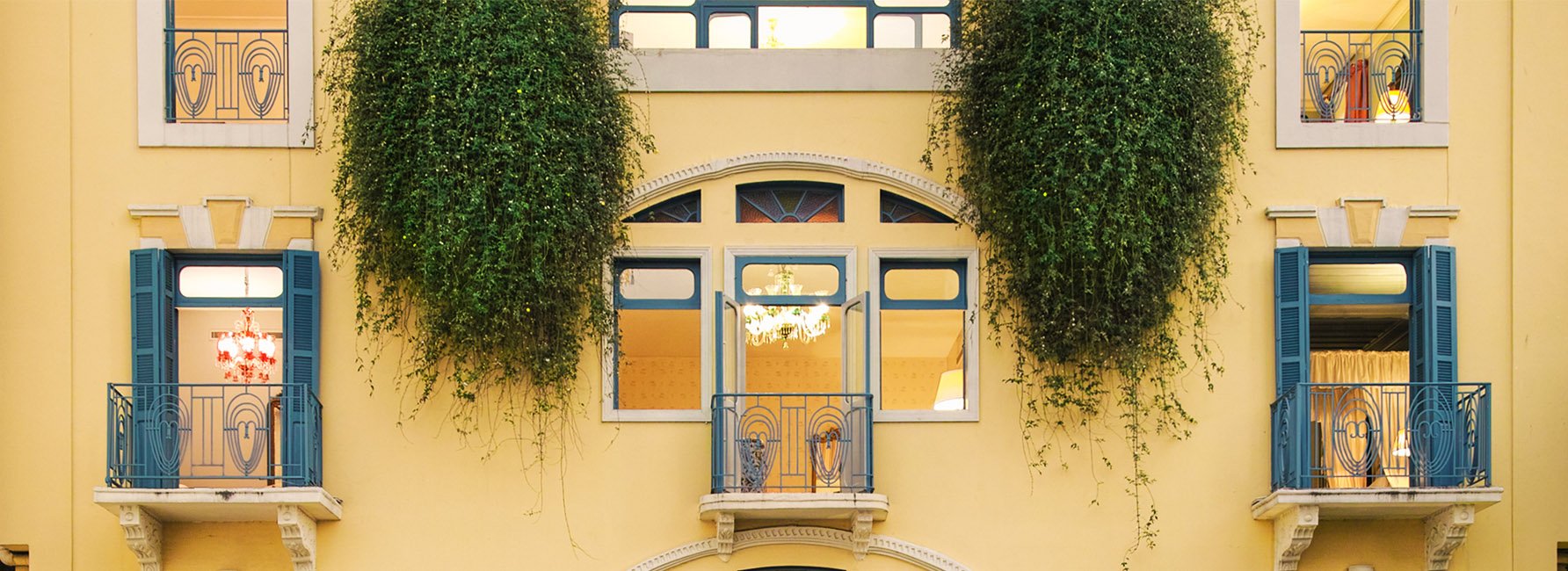
Inside, the restraint holds. Walls of smooth lime render, floors and screens of warm timber, rattan, linen, stone, the earthy neutrals that Kutucu has made a signature, nothing bright and nothing that asks to be noticed first. The rooms run from garden bungalows to the villas near the shore, and a good number add a private or shared pool on the terrace, the water cut into the stone a step down from the bed. Each one is built to open outward, the glass sliding back so the line between the room and its own patch of garden more or less dissolves.
There is a mid-century calm to all of it, the low furniture and the long horizontals, but it never tips into the showroom chill that undoes so many design hotels. Part of that is the planting, which has been allowed to grow up and soften the concrete, and part is the scale. You are never more than a storey off the ground, and the sea is almost always somewhere in the frame.


A hotel that would rather be a neighbourhood than a landmark, and is the better for it.
A Cretan kitchen, taken seriously
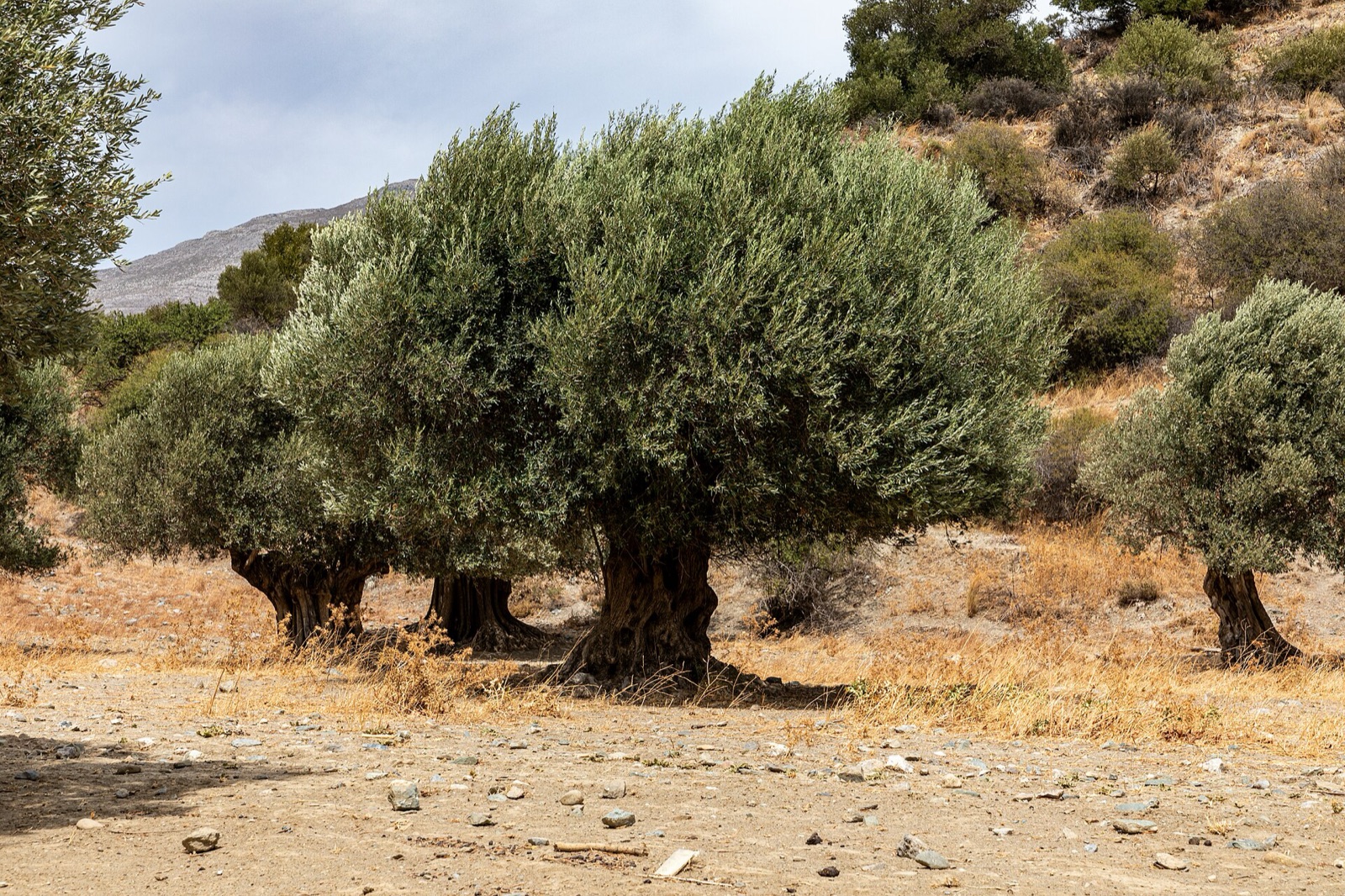
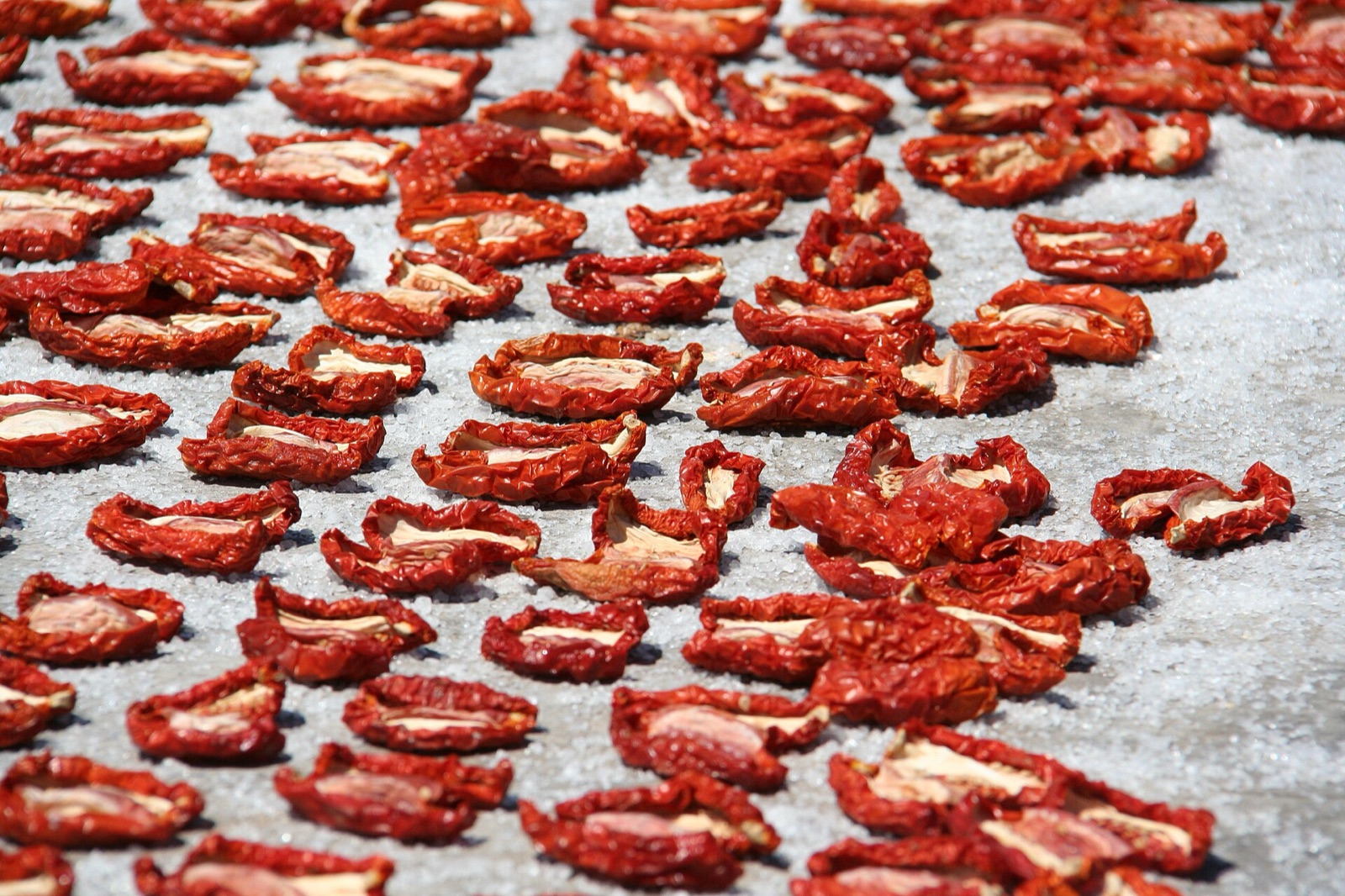
The day sorts itself out along the water. There is a private beach, two pools and a sensible split between the adult and the family side of the resort, so that each can have the afternoon it wants. The all-day Beach House carries things from breakfast through to dinner, and a second, more formal room pushes further into the cooking, both of them leaning on Crete itself, the island's oil and herbs and cheese, its greens and its fish, under the eye of chef Dionysios Pliatsikas. The resort holds a Michelin Key, the guide's mark for a hotel rather than a plate, awarded in 2025.
We will be honest about the size. This is a resort of more than a hundred keys, and in a full August week it will feel like one, whatever the architecture does to disguise it. The design buys it a great deal of grace, the low houses and the walkable middle and the kitchen that gives you a reason to stay in for the evening, but it cannot make a large hotel small. That is a matter of when you come, not whether the place is good.

A design resort lives or dies on whether the design is doing real work or only taking photographs. Here it is doing real work. The low houses and the shared middle make a place you walk rather than a lobby you pass through, and the Cretan kitchen gives you a reason to stay for dinner rather than drive into town. Come at the shoulder of the season, take a room with its own pool, and let the island set the pace.