One family's long repair
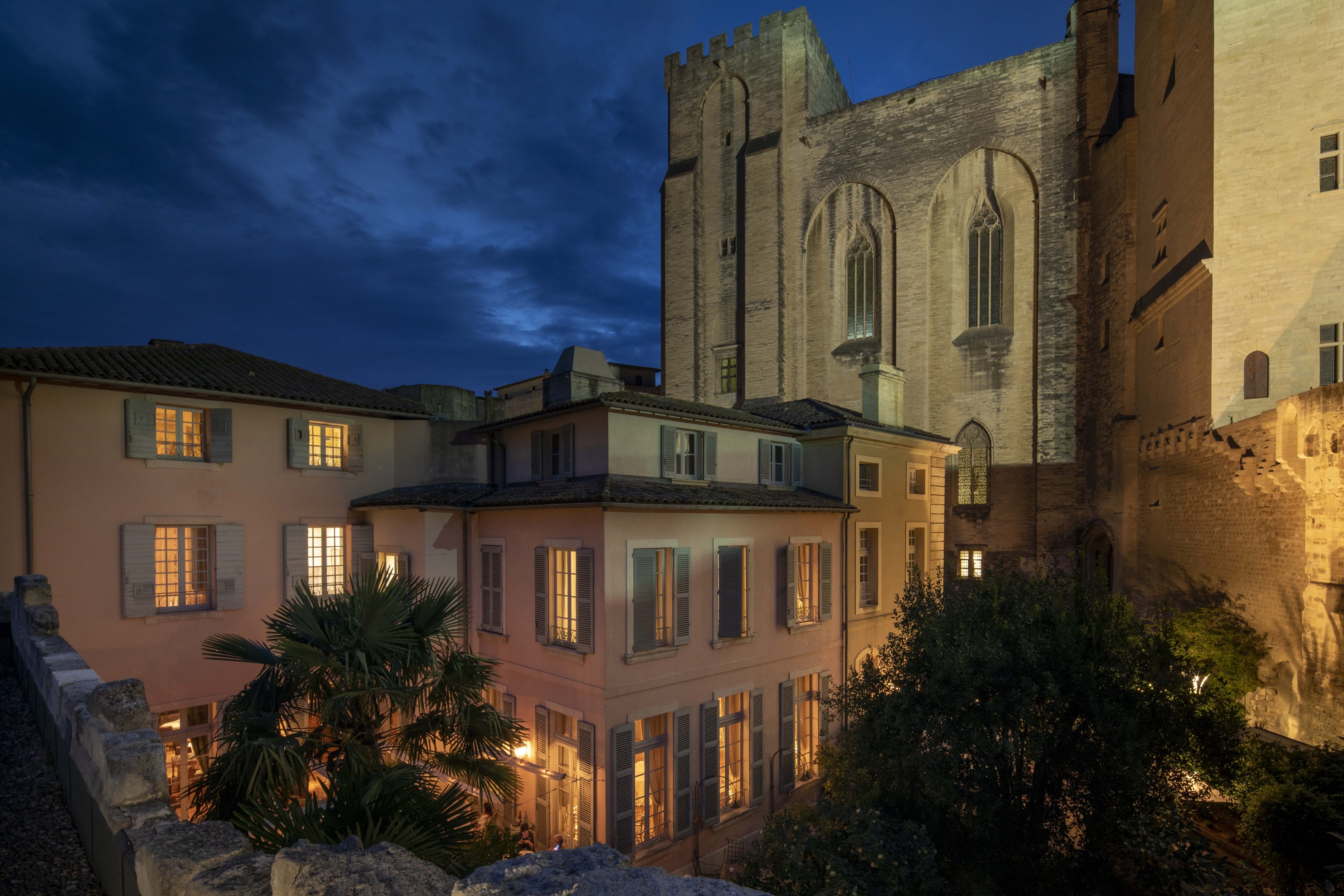
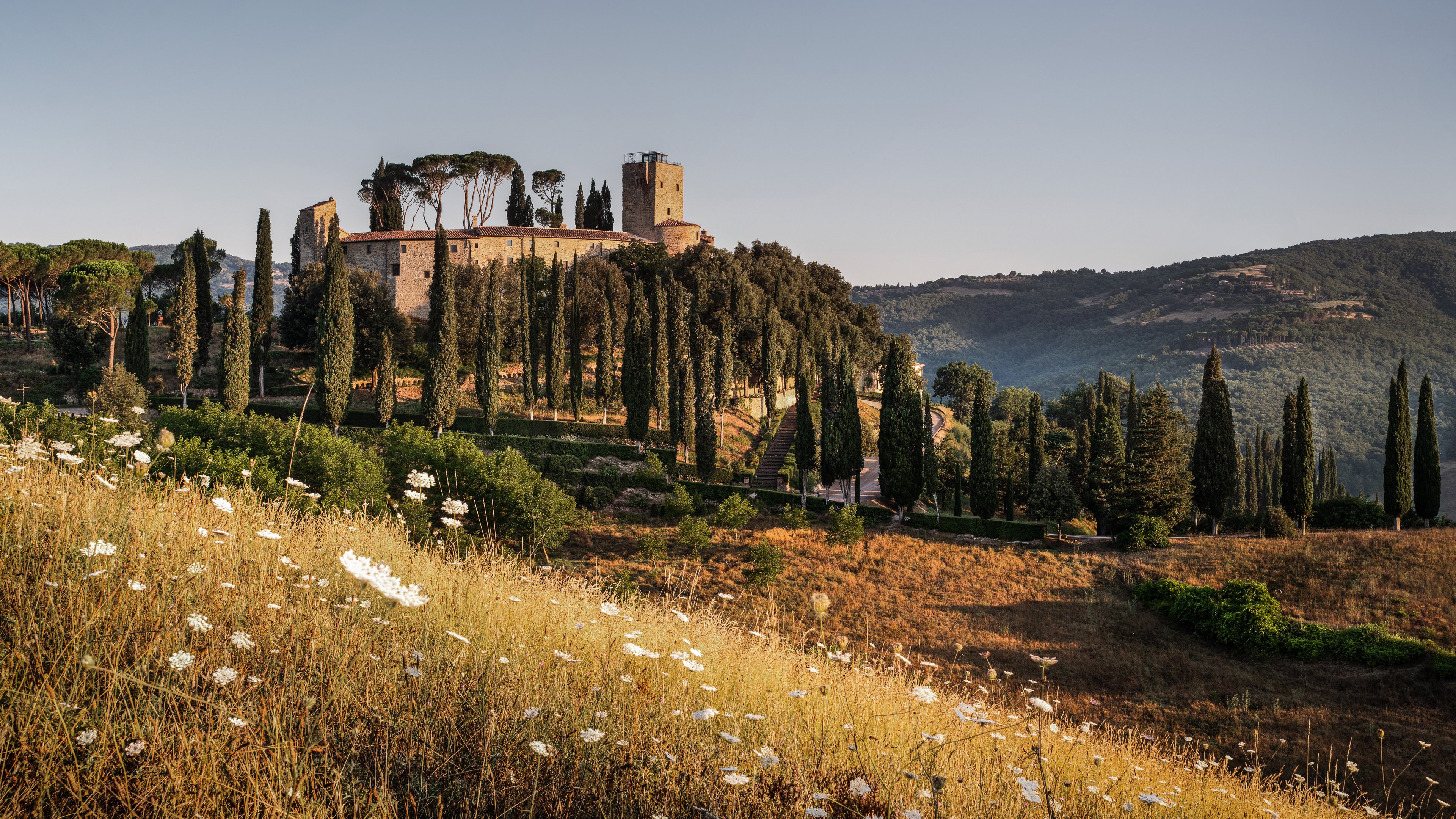
The walls at Reschio go back to around 1050, and for most of the last thirty years the Bolza family have been mending them. Count Benedikt Bolza, an architect, drew almost everything the work required, and his wife, Nencia Corsini, of the old Florentine family, shaped the gardens and much of the tone. What opened in 2021 was not a castle emptied out and dressed for guests. It was a house that had been lived in while it was being saved, and it shows.
There are thirty-six rooms and suites, and no two are the same. The old walls set the terms, so a ceiling drops here and a window sits low there, and the rooms follow rather than fight. You will not find a television in any of them. That single absence tells you what kind of quiet Reschio keeps, and how sure it is that the quiet will be enough.
Made on the estate
Most grand restorations buy their furniture. Reschio makes its own. Bolza designed pieces for each house as he restored it, and from that habit grew B.B. for Reschio, a line of furniture, lighting and small objects that he draws and local artisans finish in the estate's own workshops. The result is a rare thing in a hotel of this order. In a good many rooms the bed, the lamp beside it and the handle on the door were all imagined by the same person, for that exact wall.
It could read as vanity. It reads instead as coherence. Nothing here has the slightly panicked look of a room assembled from catalogues, and the worn stone is left to be worn rather than buffed into something it never was. The 1930s hover over the interiors, in the leather and the brass and the low light, and never quite tip into costume.
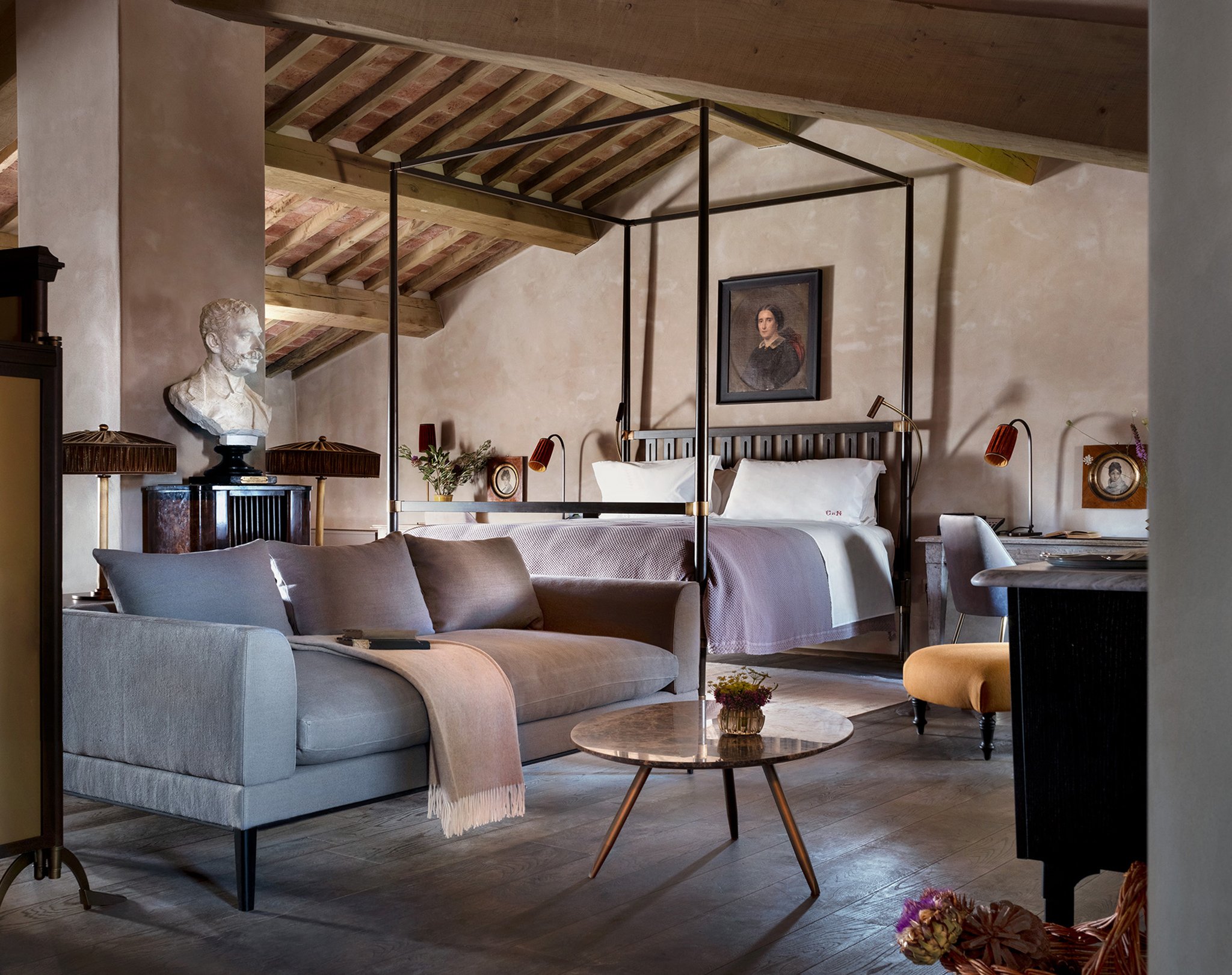
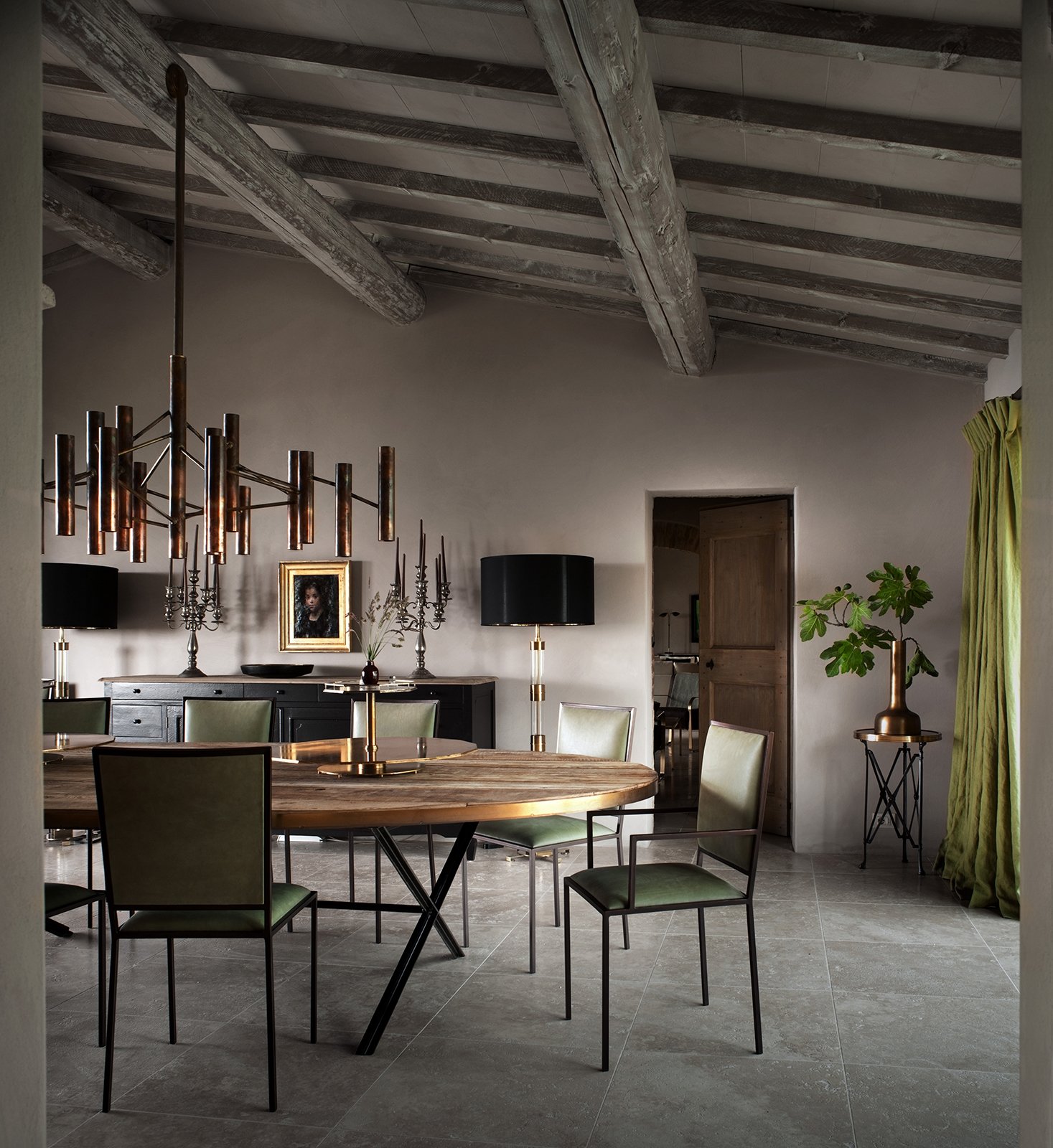
A house that was lived in while it was being saved, and it shows.
What the estate feeds
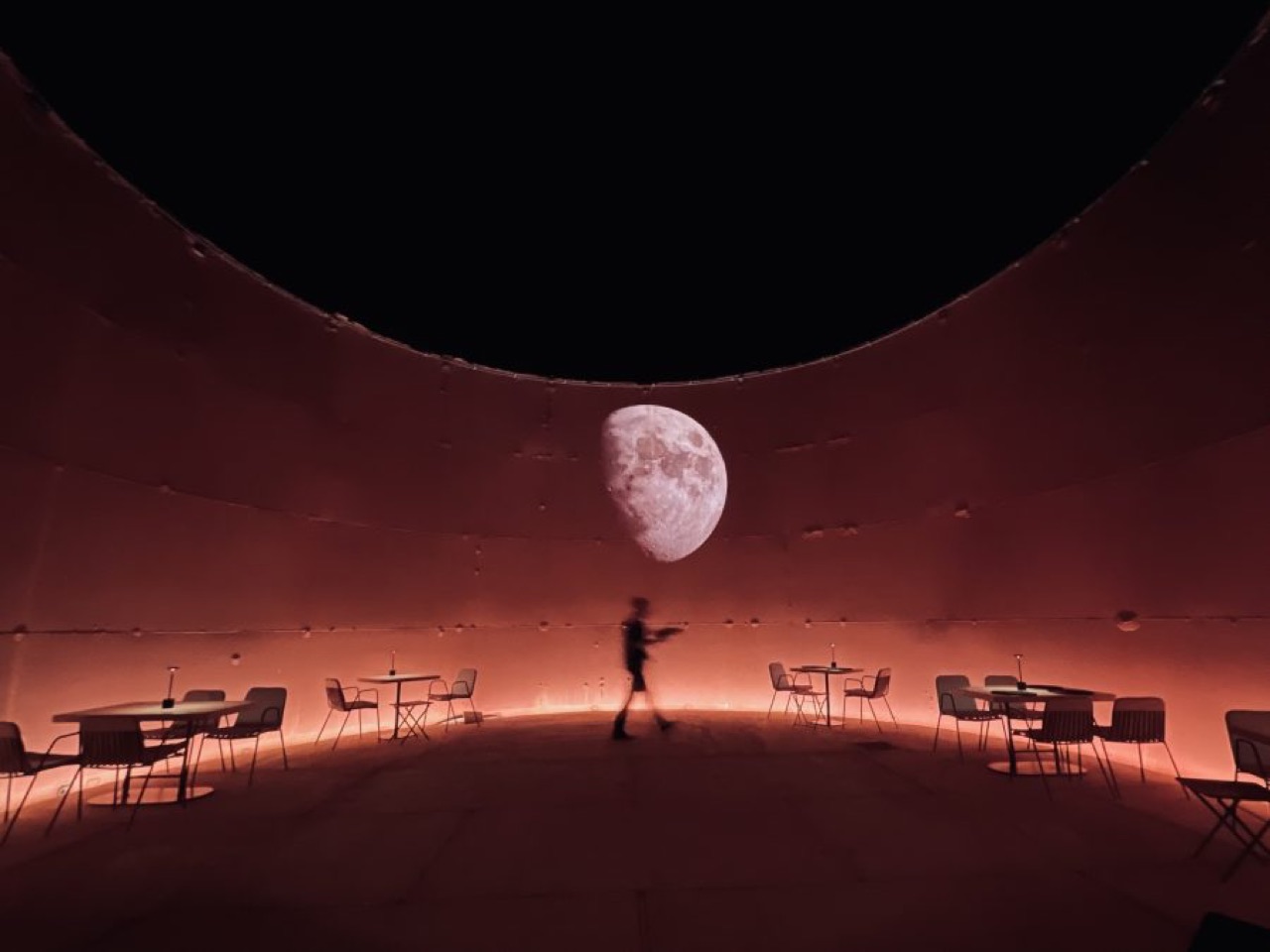
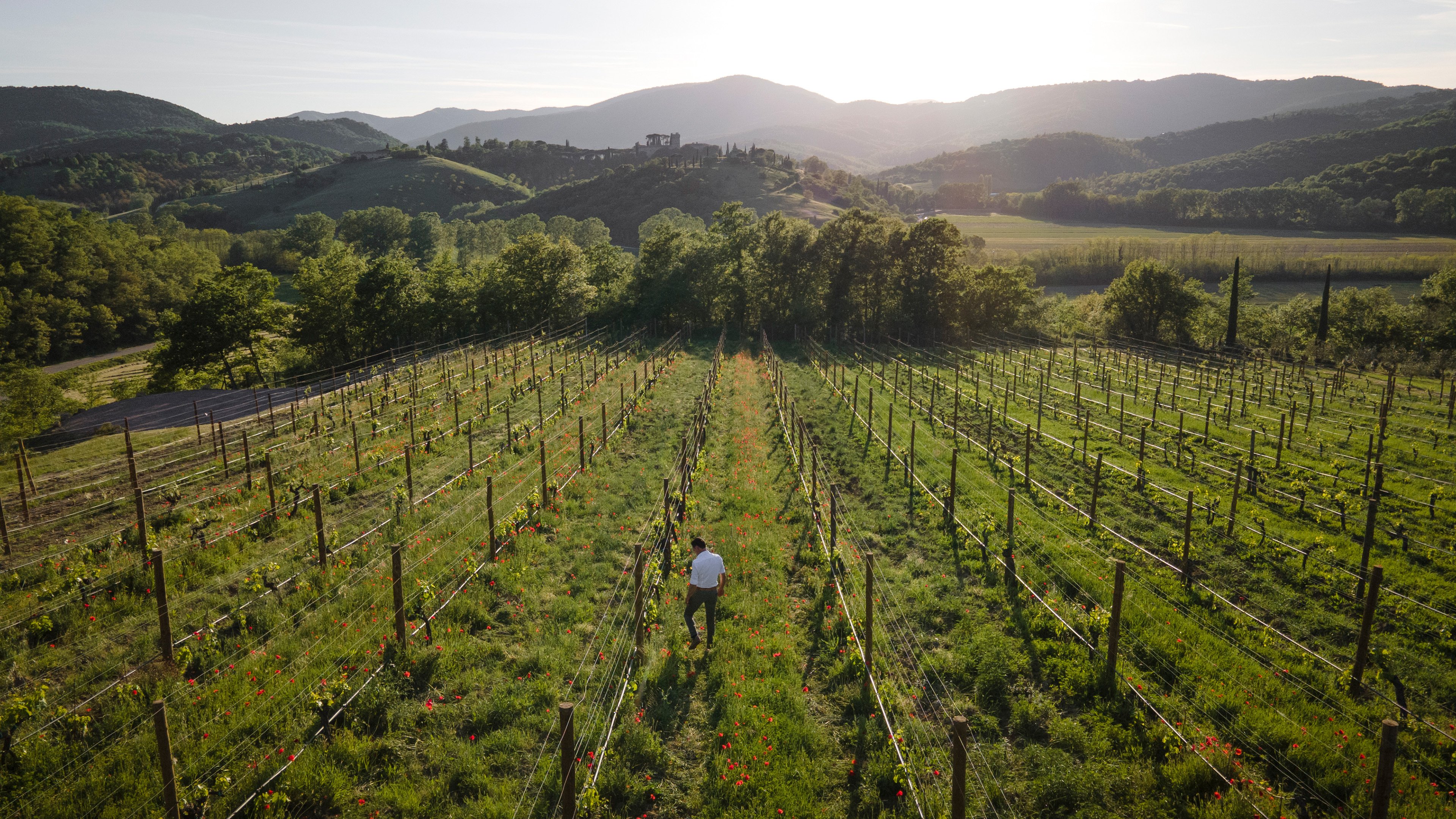
Two kitchens carry the place. Ristorante al Castello is the formal room, set inside the castle with a terrace that holds the sunset, and it cooks with the restraint the building asks for. Down in the old stables, Ristorante alle Scuderie keeps longer hours under high ceilings and spills into the garden, with live music on some evenings. Much of what reaches either table is grown a short walk away, in the kitchen gardens Nencia Corsini tends and walks guests through, and the oil and a good part of the wine come off the estate as well.
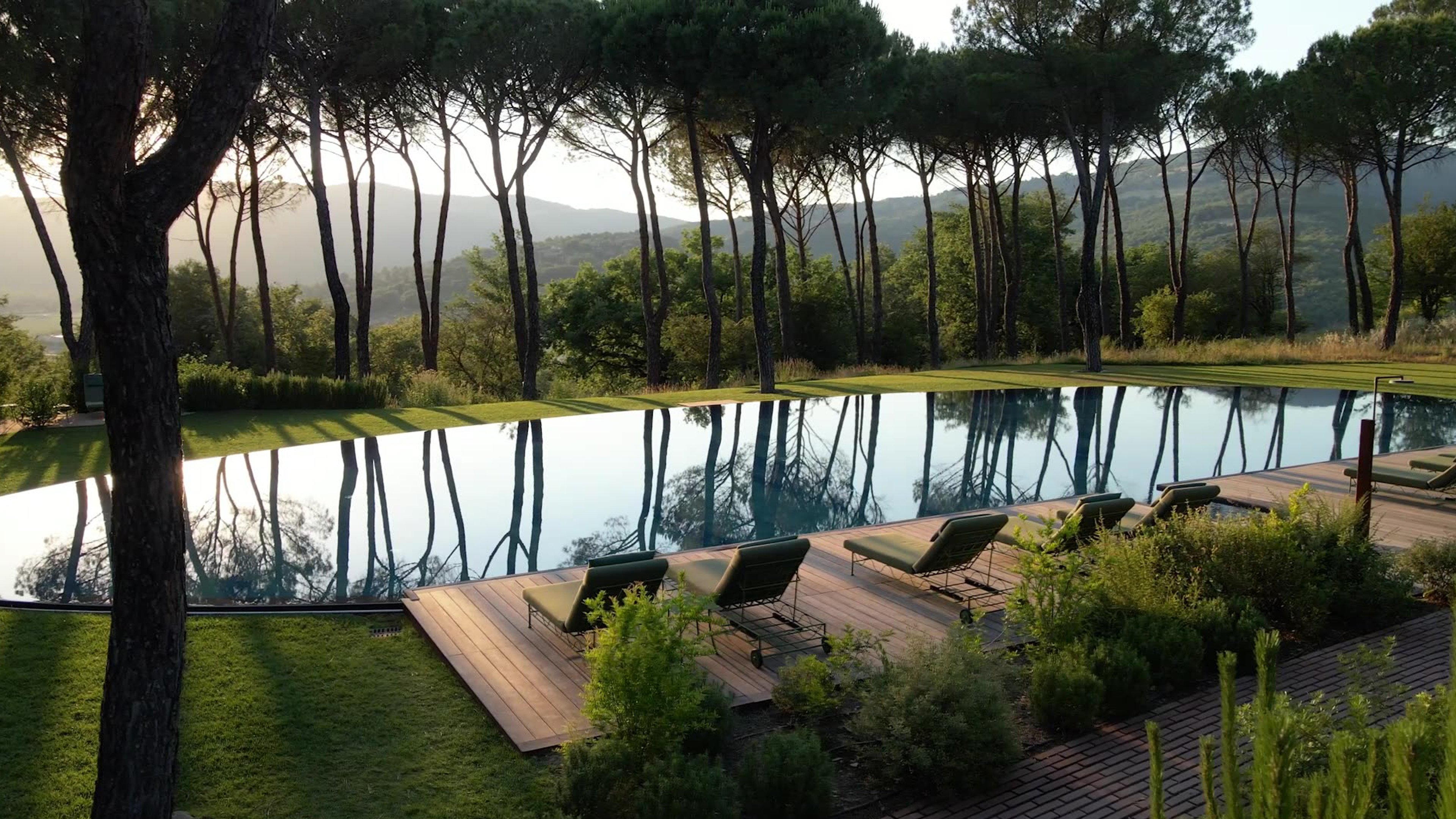
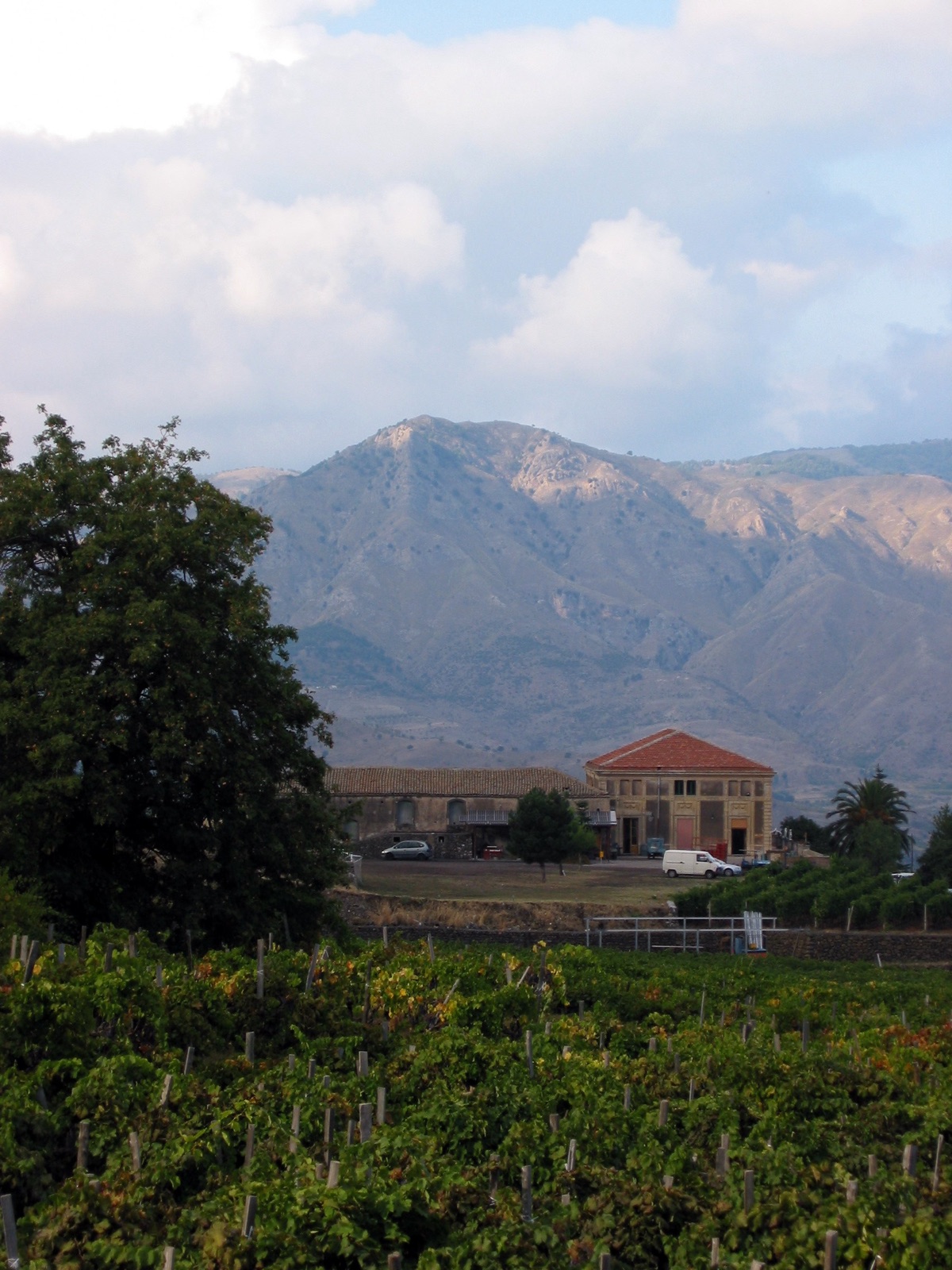
The rest of Reschio is built to keep you from leaving. The Bathhouse spa occupies the castle's vaulted cellars, lit through arrow slits, with hammams and plunge pools set into the old stone. There is a stable of purebred Spanish horses and a riding school to match them, and a watchtower bar, Il Torrino, over an oval pool. And there is the land, oak woods and vineyards and olive groves running to the ridgeline, which is finally the reason to stay put rather than drive off in search of Umbria. Reschio, it turns out, is Umbria, held a little apart from the rest of it.
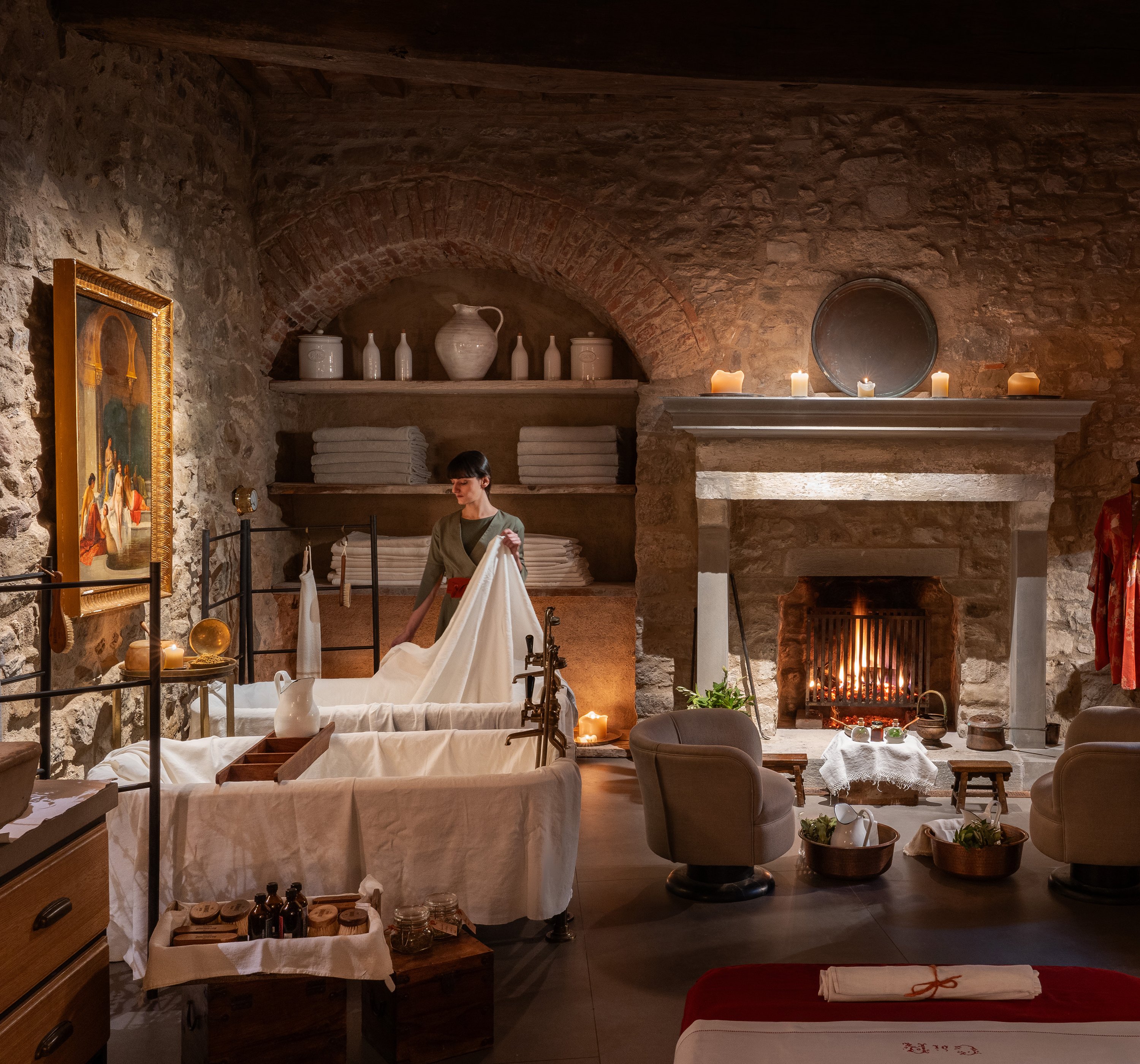
Reschio is one family's argument, made slowly and at great cost, that a house like this should be repaired and inhabited rather than gutted and rebranded. It holds that line down to the door handles. We have not yet stayed, so this stands as a researched profile rather than a first-hand verdict. On the evidence, it earns the journey, and more than a single night.
VANE note. This is a researched profile, not yet a first-hand VANE verdict. A full review carries a stay date, an independence disclosure and the writer's own account. Photos: Castello di Reschio (official), with credit.