One man, and a village that was emptying
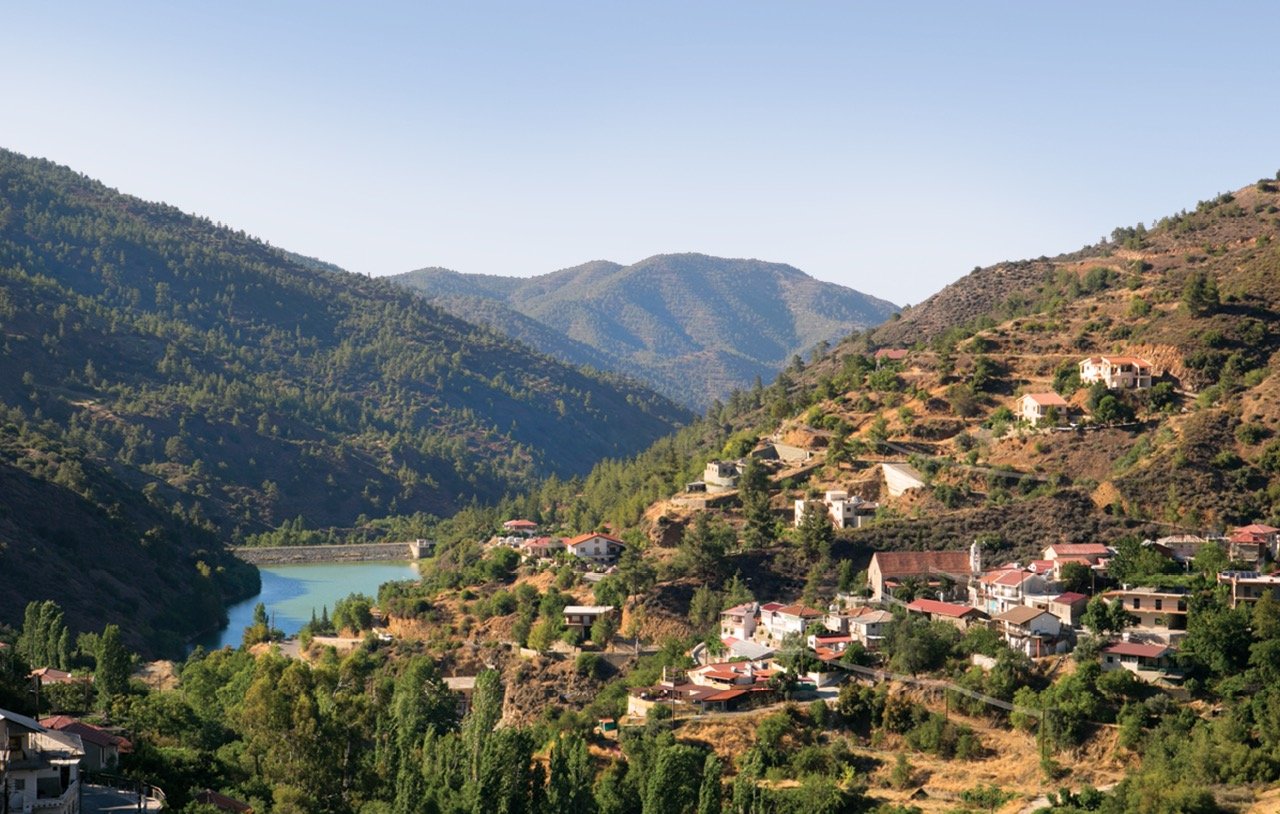
Kalopanayiotis is a real village, lived in long before it was lovely, and the story of the hotel is really the story of one return. John Papadouris grew up here, left for more than thirty years abroad, and came home to find the place he remembered thinning out: young people gone to Nicosia and Limassol for work, houses shuttered, the mountain culture sliding quietly towards its end. Rather than build something new on the ridge above, he began buying up the emptying stone houses and bringing them back, room by room, and putting his own money behind it.
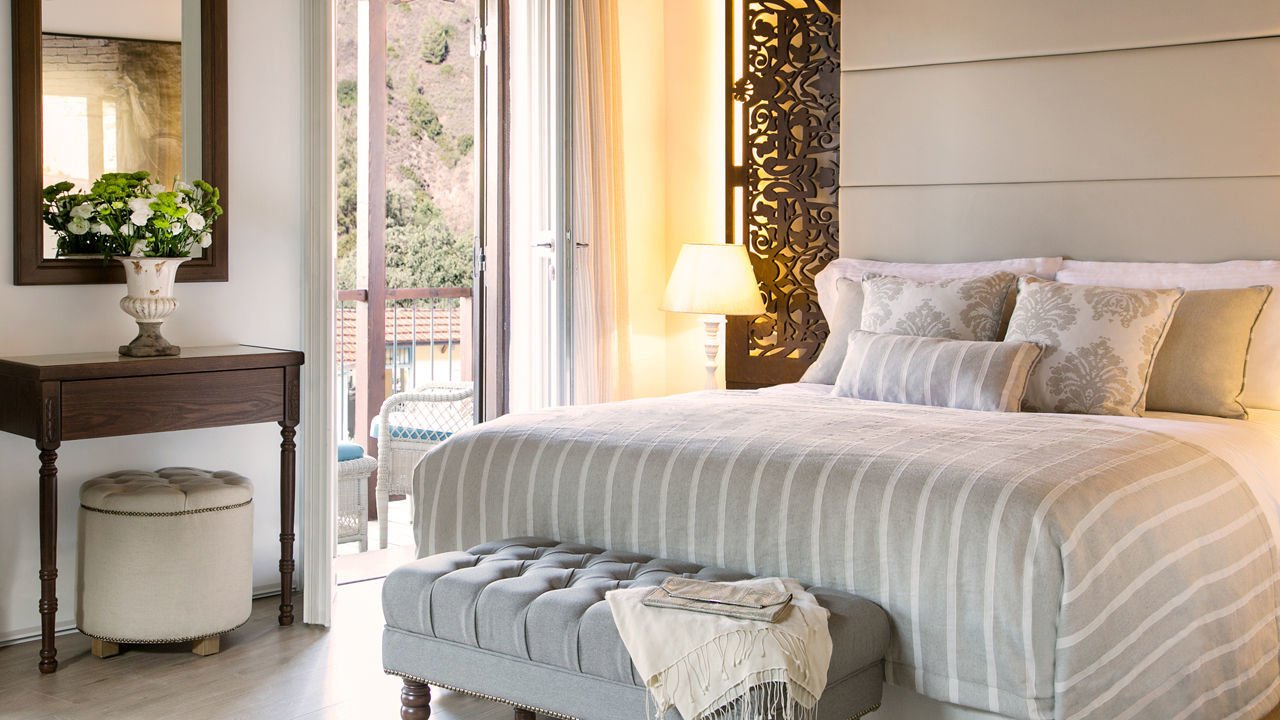
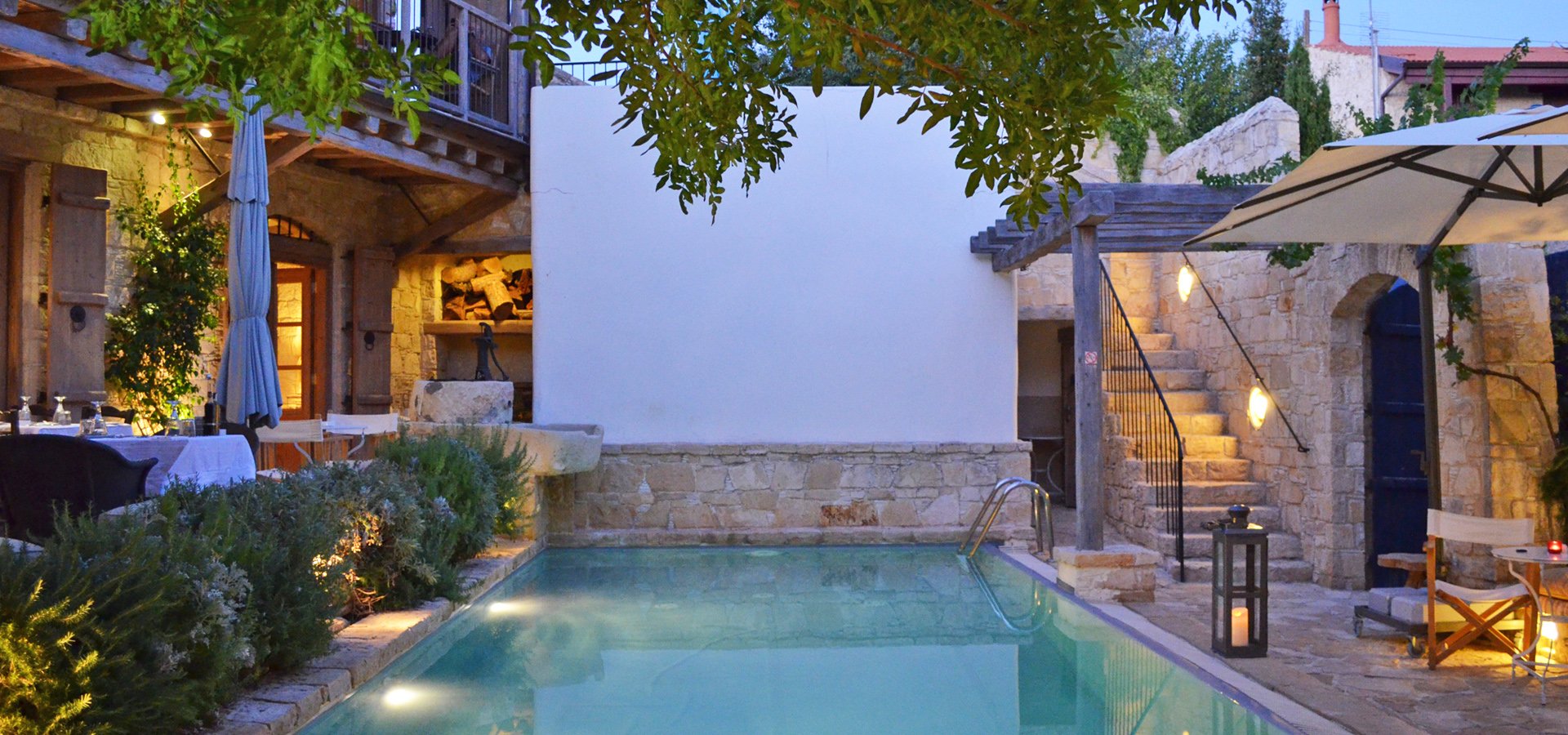
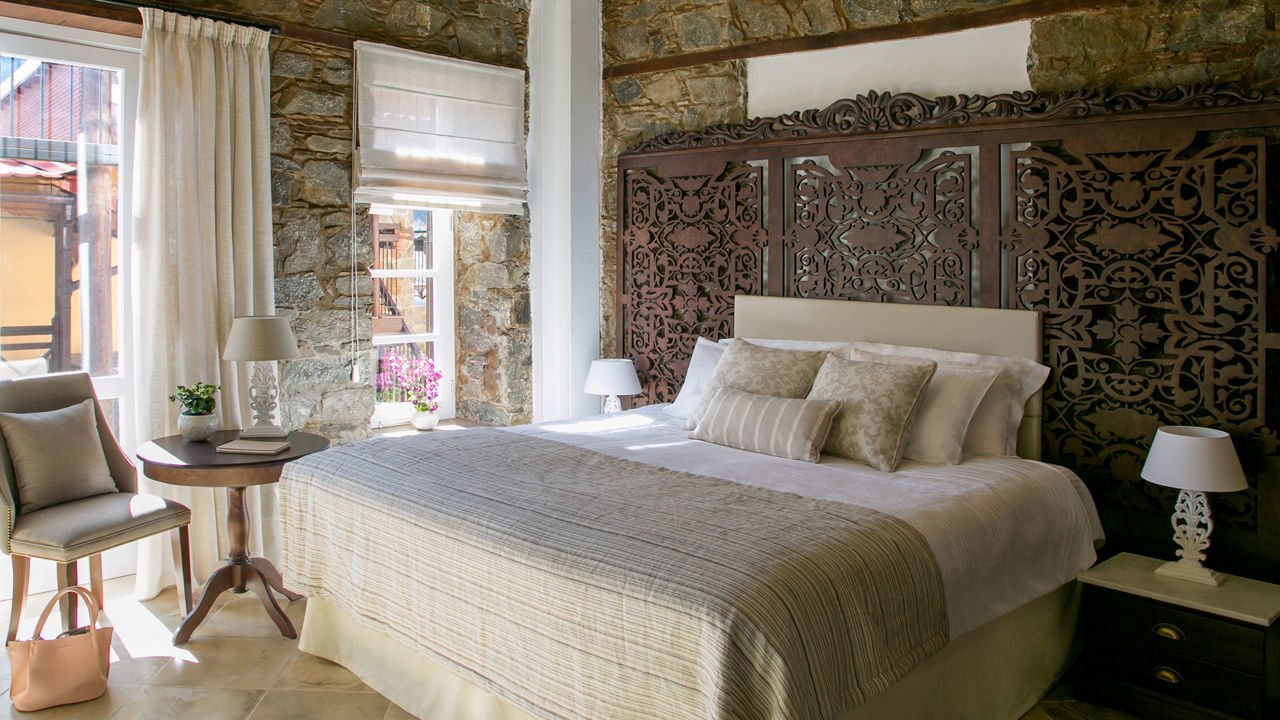
The restoration was done in step with the Cyprus Department of Antiquities, so the walls stayed bare stone, the ceilings stayed timber, and the furniture leans antique without straining for effect. There are forty-one rooms and suites now, set across seven traditional houses, each room named for the building that holds it. What matters more than the count is what followed. As the hotel took shape the villagers took heart, restoring their own homes and opening small shops, so the place did not become a resort dropped onto a hamlet. It stayed a working village that happens to keep guests.
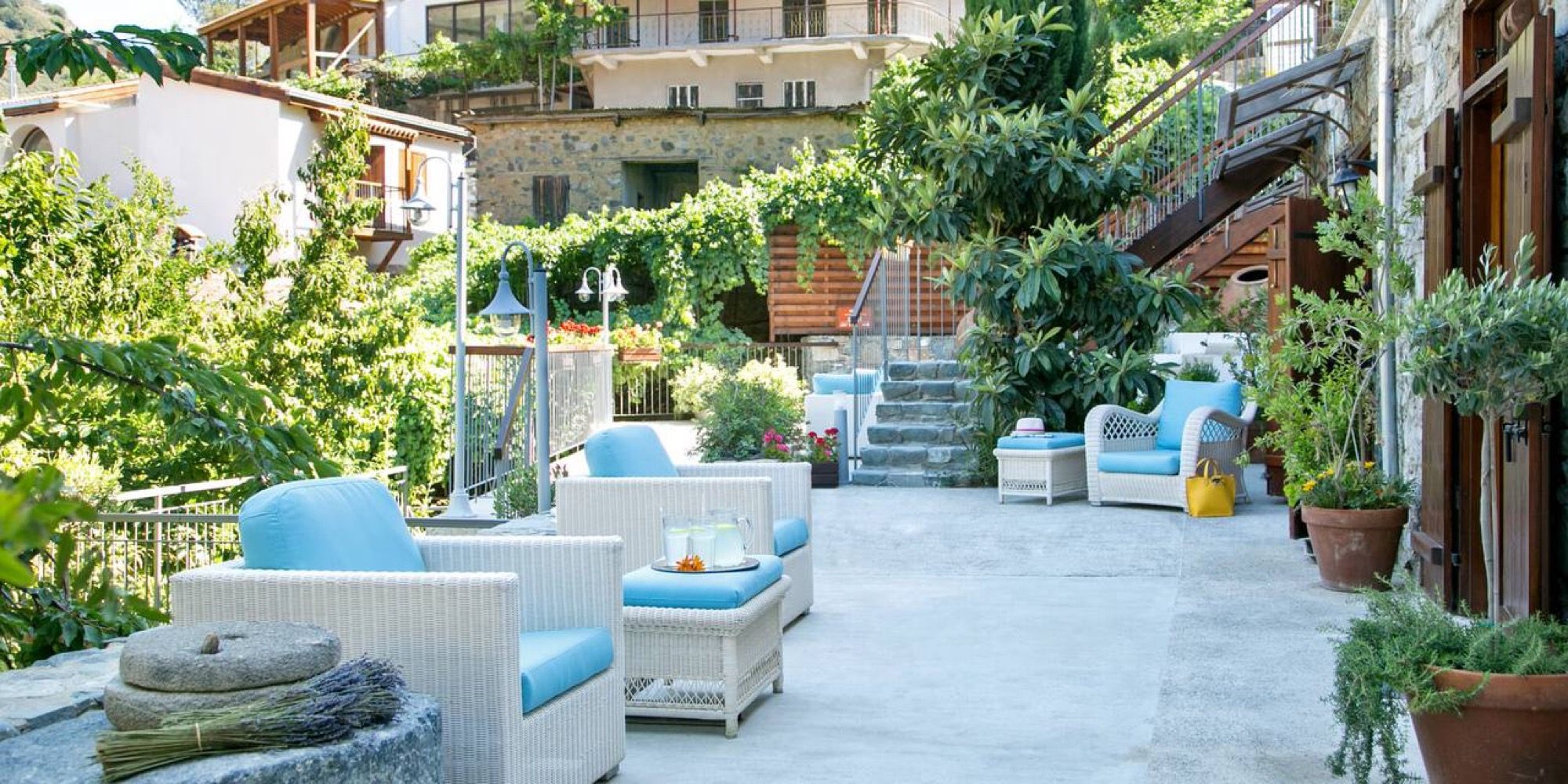
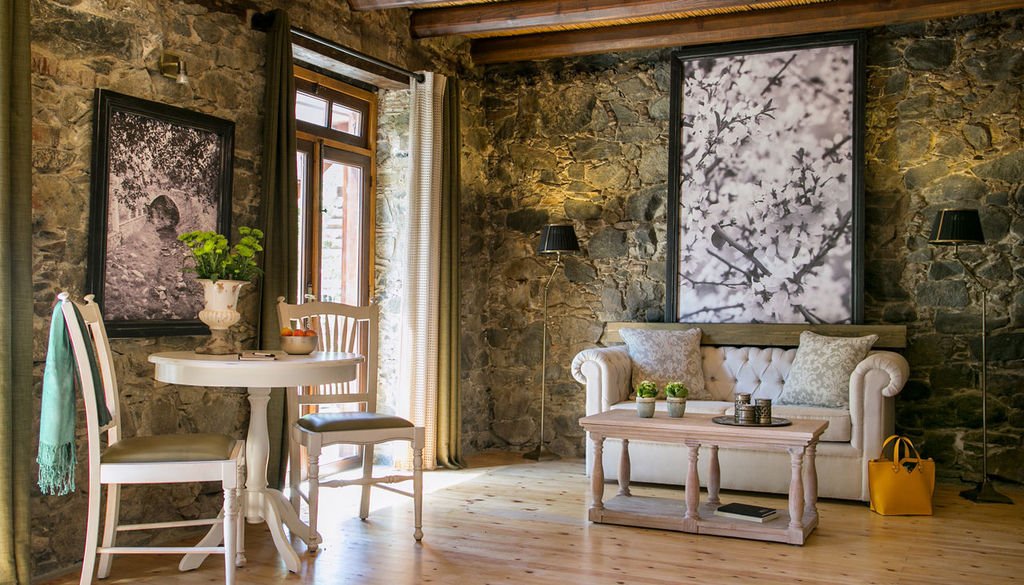
He brought the houses back rather than building something new on the ridge above.
Cooking that tastes of where it is
The kitchen keeps to its own ground. Byzantino does Cypriot cooking from old recipes, much of it grown in the hotel's own orchards down the valley, and it is the room to book for a proper dinner. Loutraki is the quieter, more worked-up table, fusion plates in a dining room that nods to the village's copper-mining past, with the valley laid out through the glass. Pantheon handles the easy days with pizza, pasta and a view, and Kava is a small underground wine cellar you can take over for an evening.
None of it is chasing a destination kitchen, and that turns out to be the point. When the herbs come off the slope and the fruit off your own trees, you do not need to dress the plate up to prove anything. It tastes of the mountain, which is a harder thing to fake than it sounds.
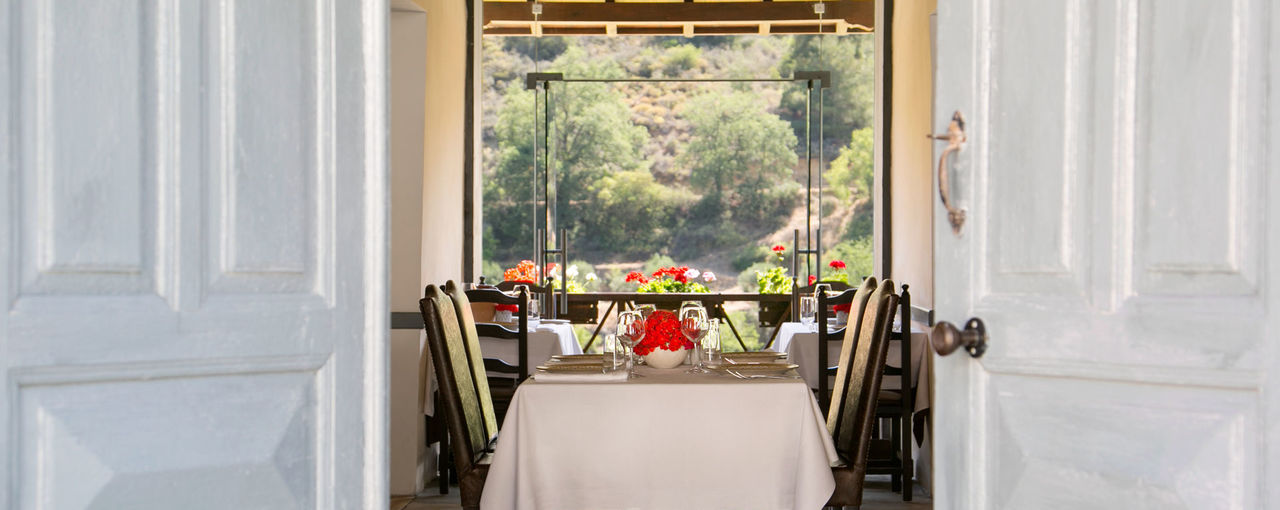
It tastes of the mountain, which is harder to fake than it sounds.
Why the water pulled people here first
Long before the rooms, there was the water. Kalopanayiotis has drawn people to its sulphur springs since antiquity, and the Myrianthousa spa carries that on with a hydrotherapy pool, a rasul mud chamber and seven treatment rooms cut into the slope. It is the village's oldest argument for itself, and the one thing here that needs no restoring, only continuing.
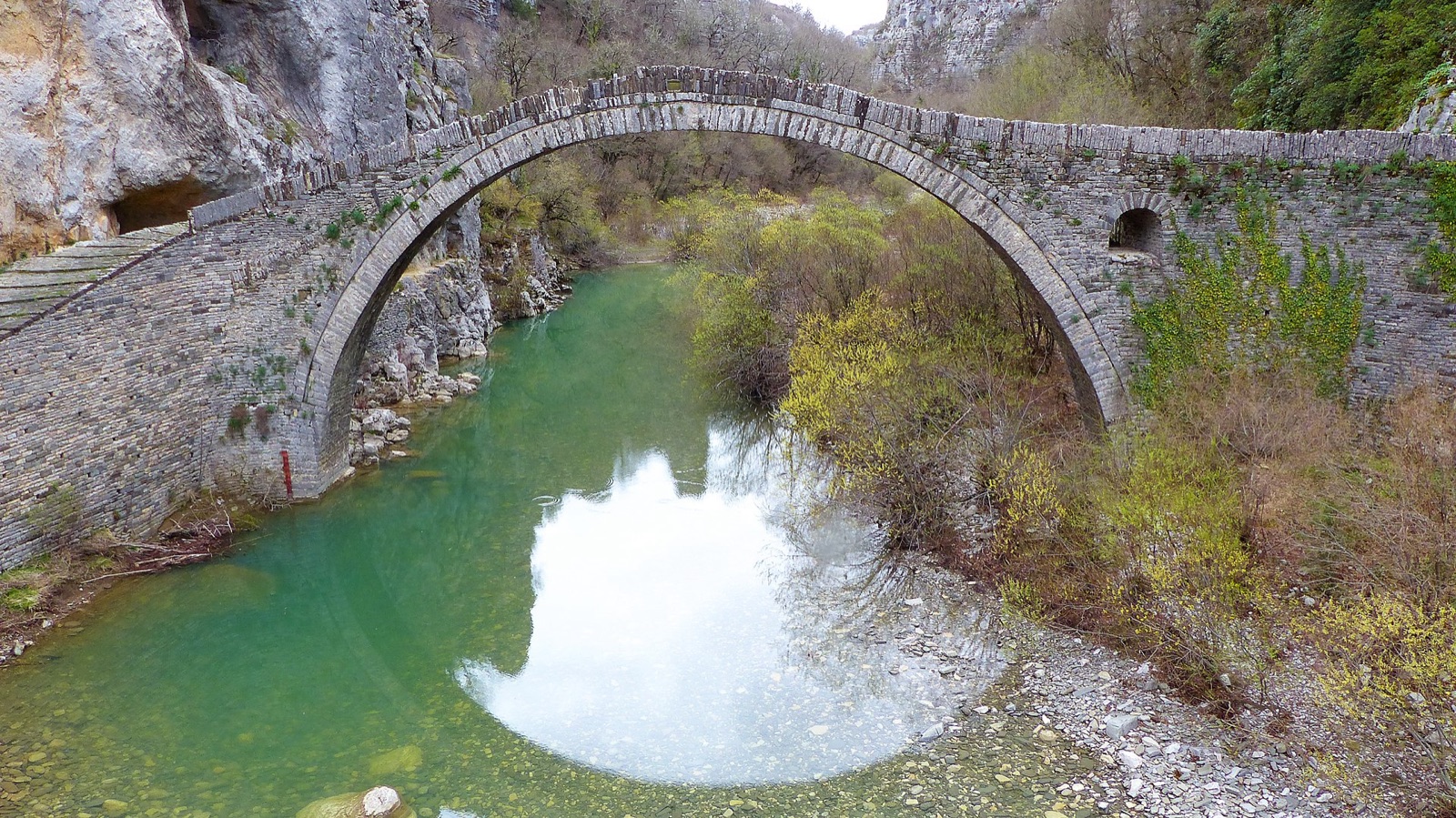
Across the Setrachos stands the monastery of Agios Ioannis Lampadistis, on the UNESCO list since 1985 for the frescoes under its shared roof, a short walk over the bridge. Between the spring, the saint and the old copper workings, the valley has been giving people reasons to climb up here for a very long time. We like places that could only be where they are, and this is plainly one of them.
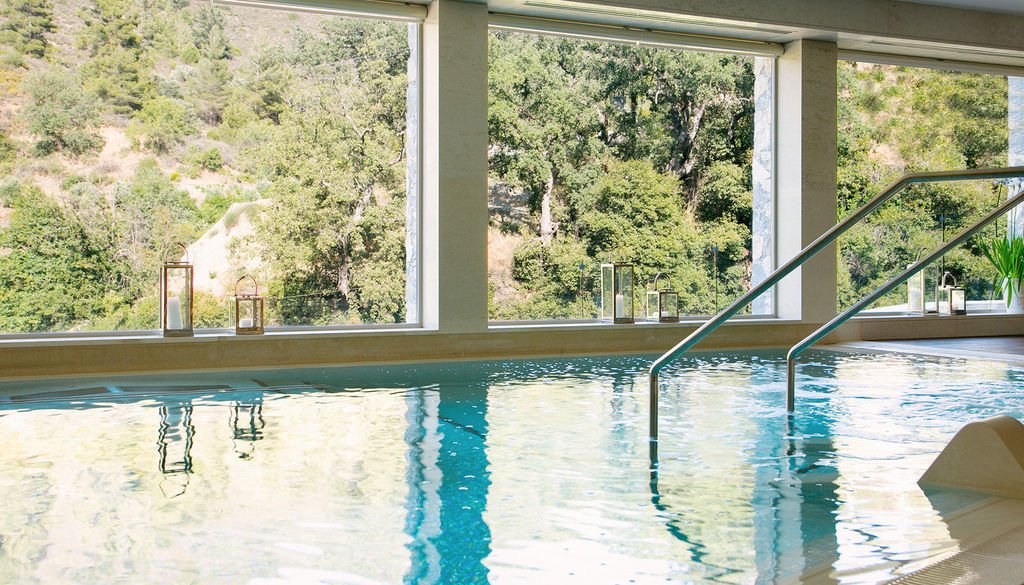
The one thing here that needs no restoring, only continuing.
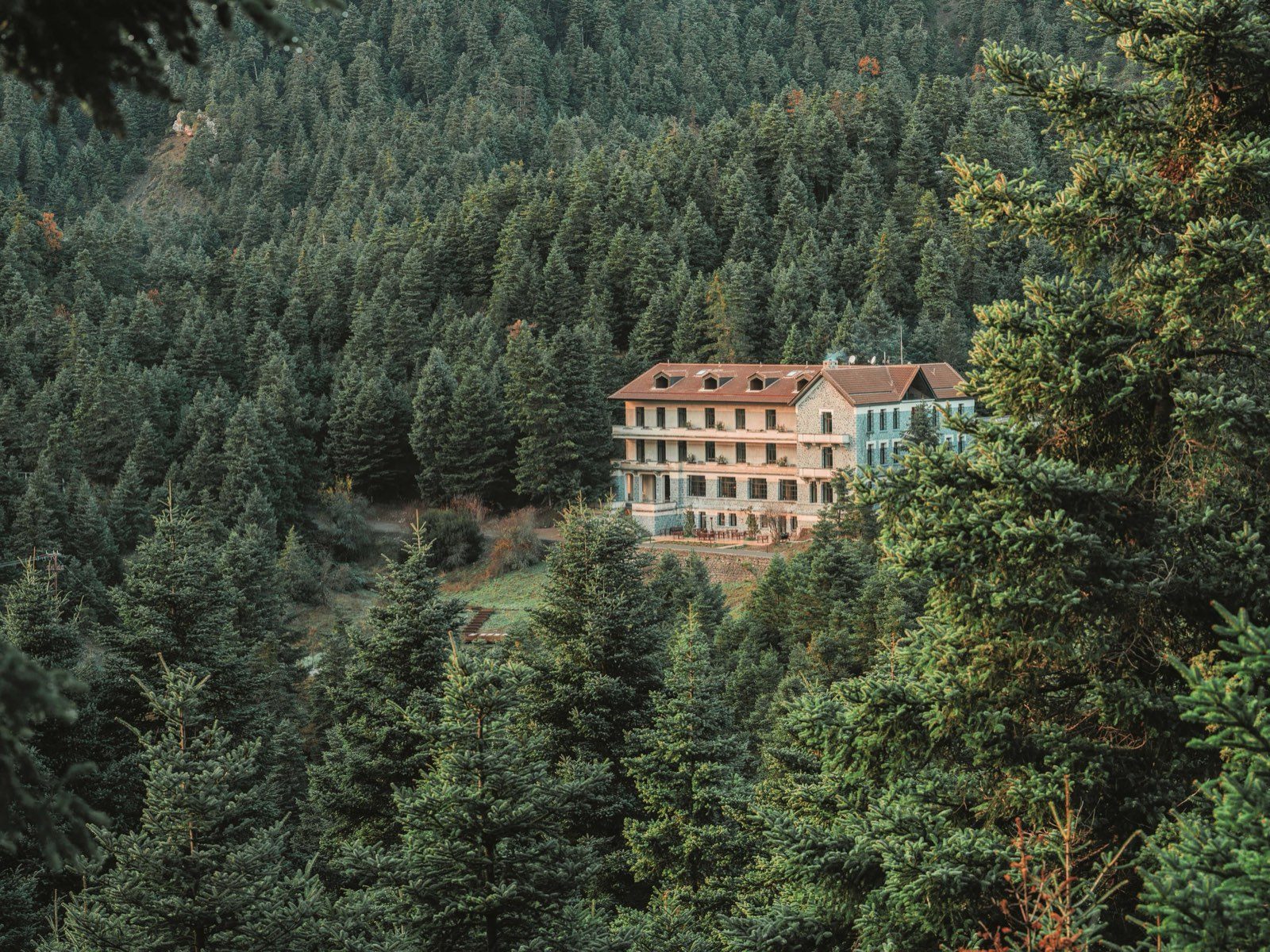
Casale Panayiotis is not selling a spa menu or a view for its own sake, though it has both. What it offers is a whole idea you can sleep inside: that a dying mountain village can be brought back in its own stone, on its own recipes and its own water, without turning into a stage set. The rooms are characterful rather than grand, the cooking is honest rather than starred, and the setting does most of the work. Come for the pines, the springs and the walk to the monastery, and time it for the cooler months when the coast is too hot to think in. On the evidence, it reads like one of the more generous things anyone has done with a Cypriot mountain.
Photos: Casale Panayiotis (official), with credit.