Built without clearing the ground
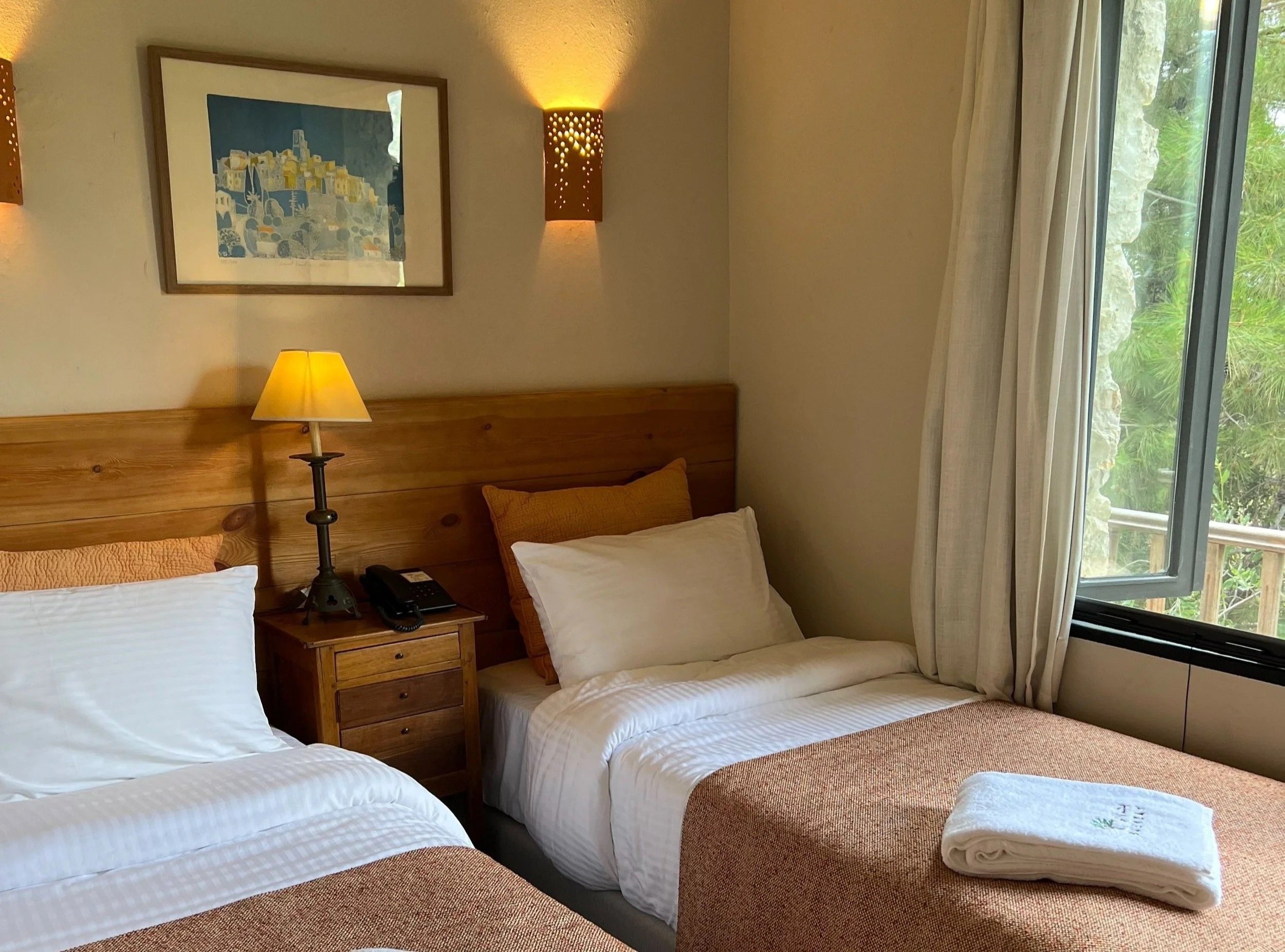
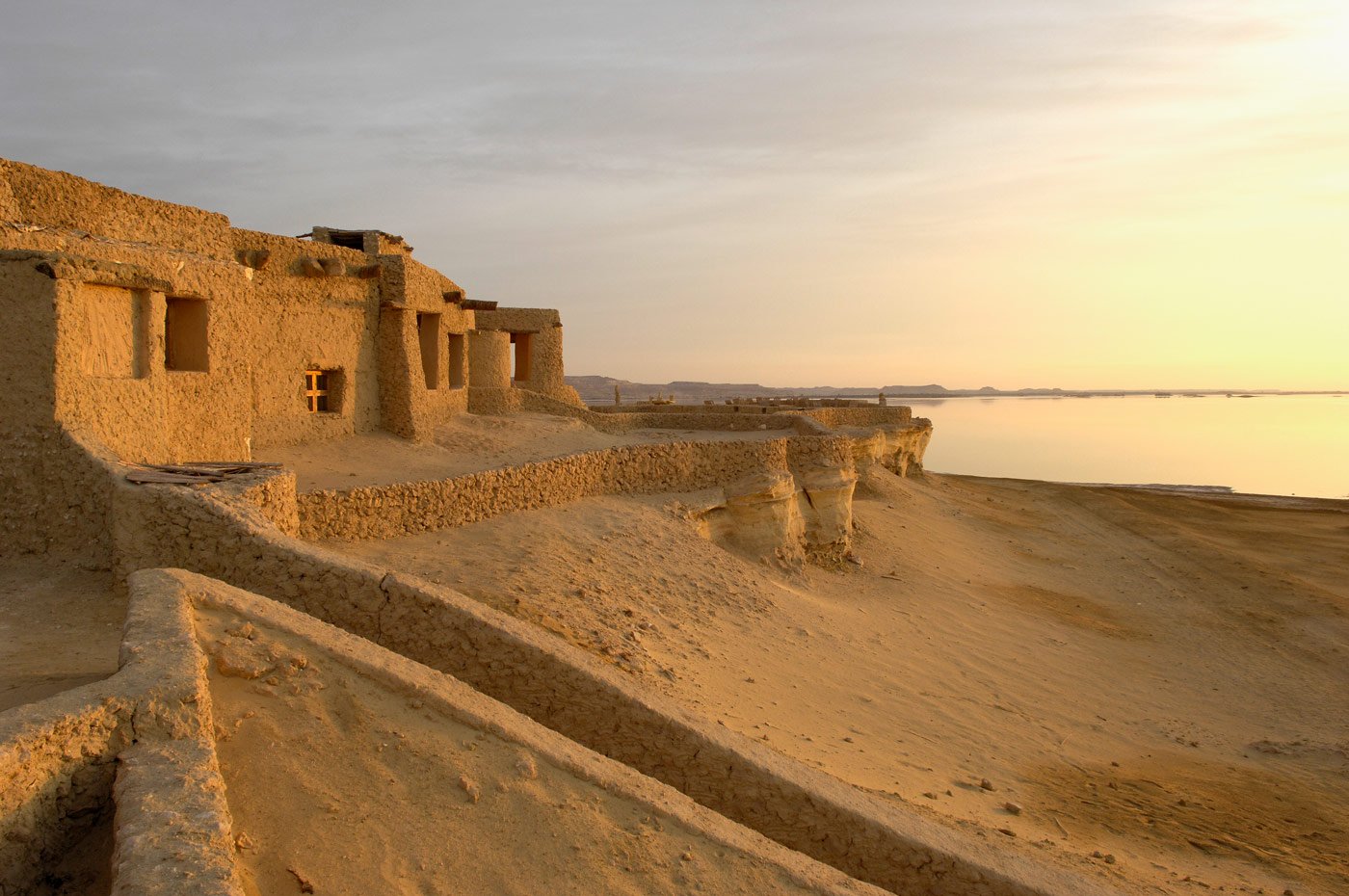
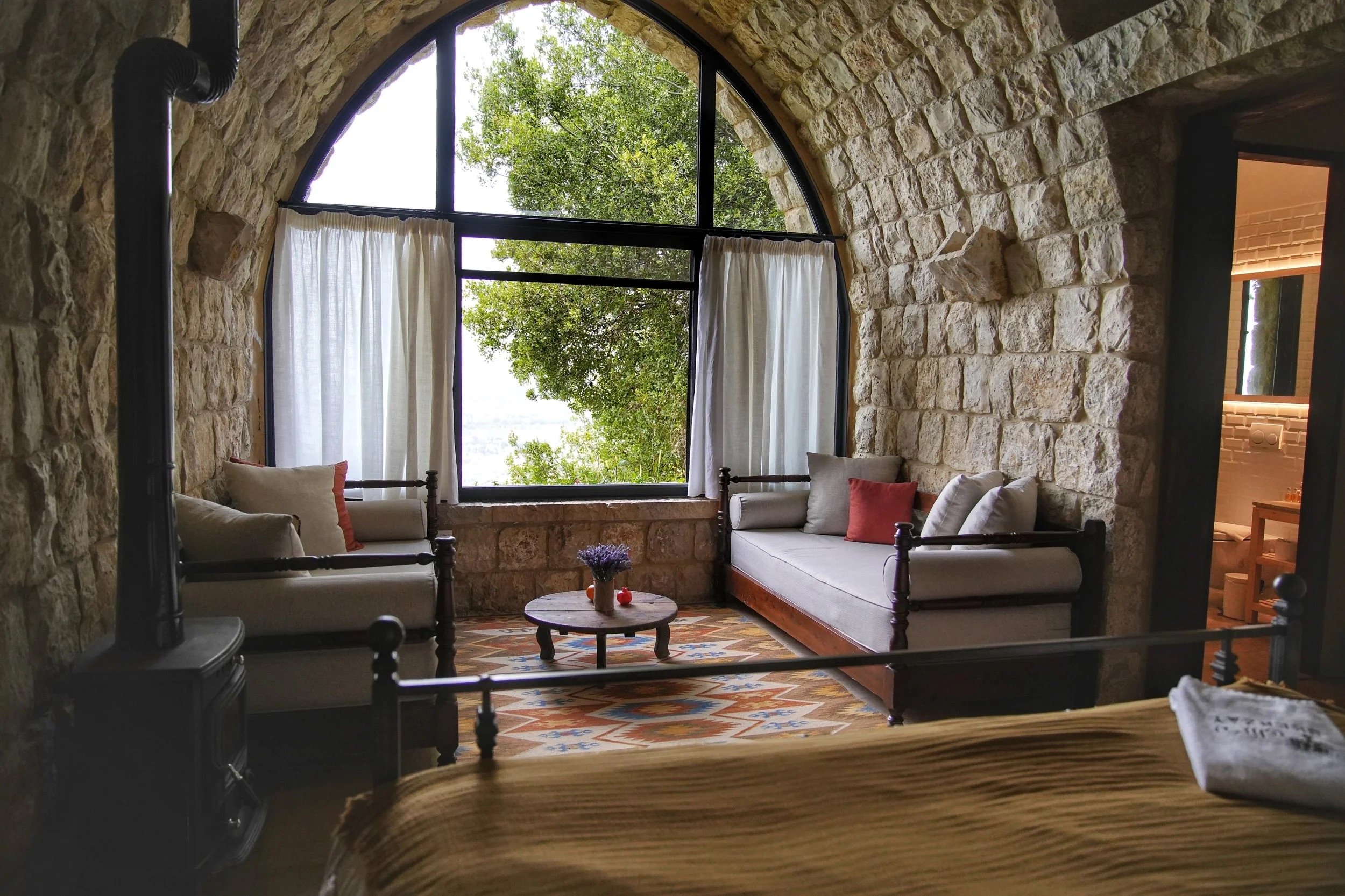
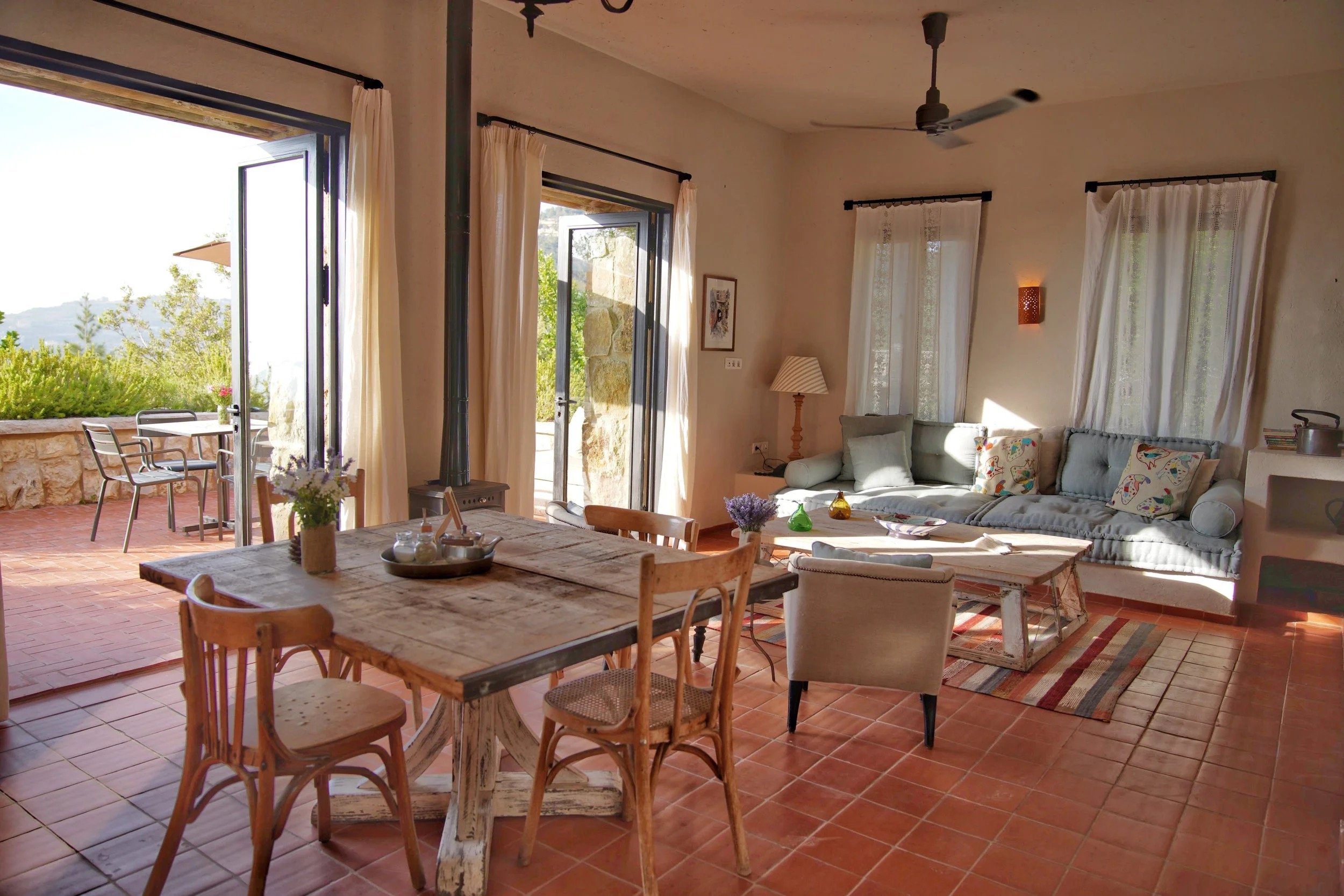
The founder, Ramzi Salman, set out to make the case that a Lebanese mountain could be developed gently and still pay its way. The proof is the way the place is put together. The houses take the old Chouf vernacular and bring it up to date: local limestone laid up thick and pale, arched windows, red-tiled floors, a wood stove for the cold months when the Chouf gets snow. Each one is turned a different way, so from a Maisonette you look straight into the trees and from a Terrace room down the valley, with Beirut a low glitter on the coast.
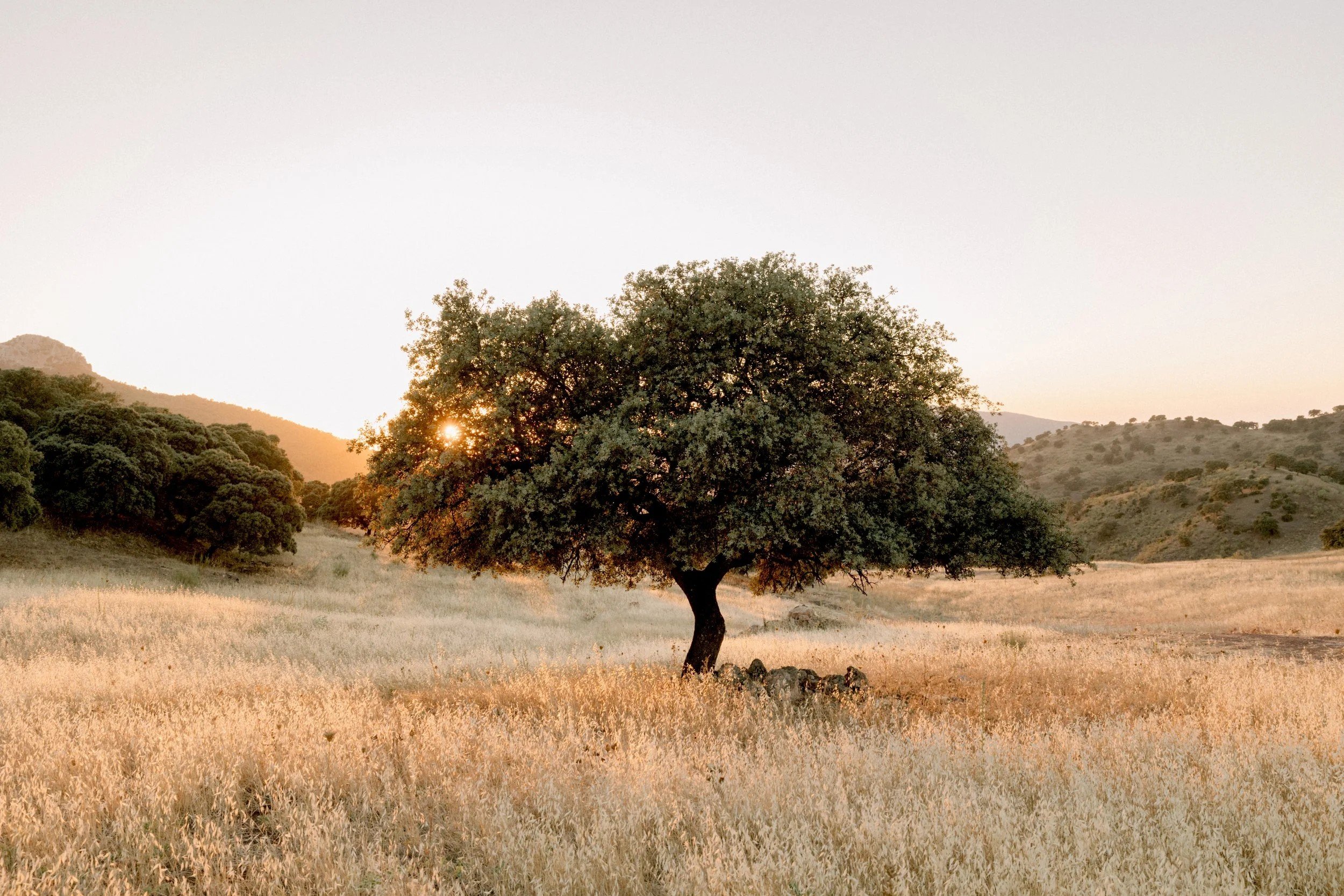
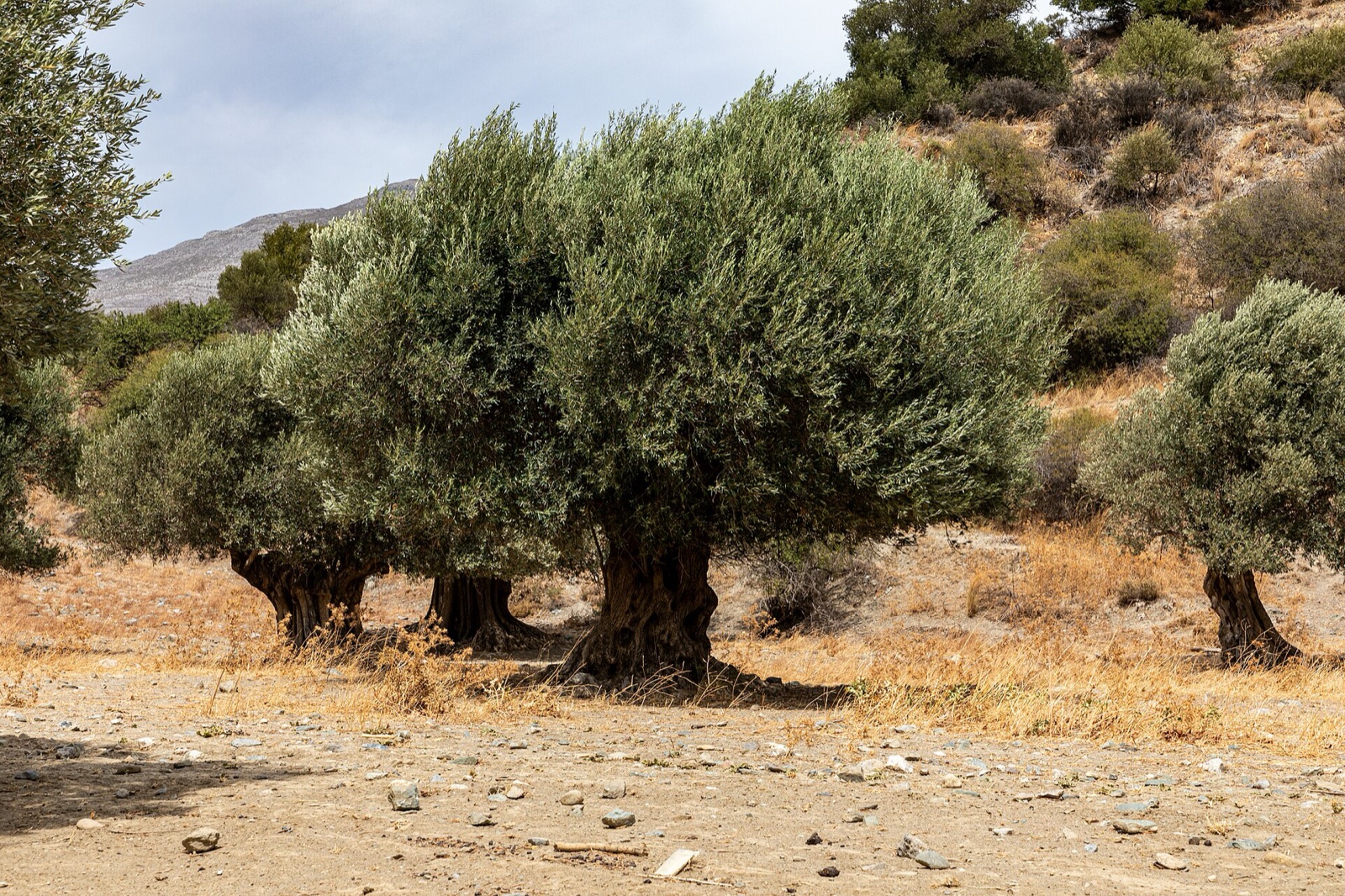
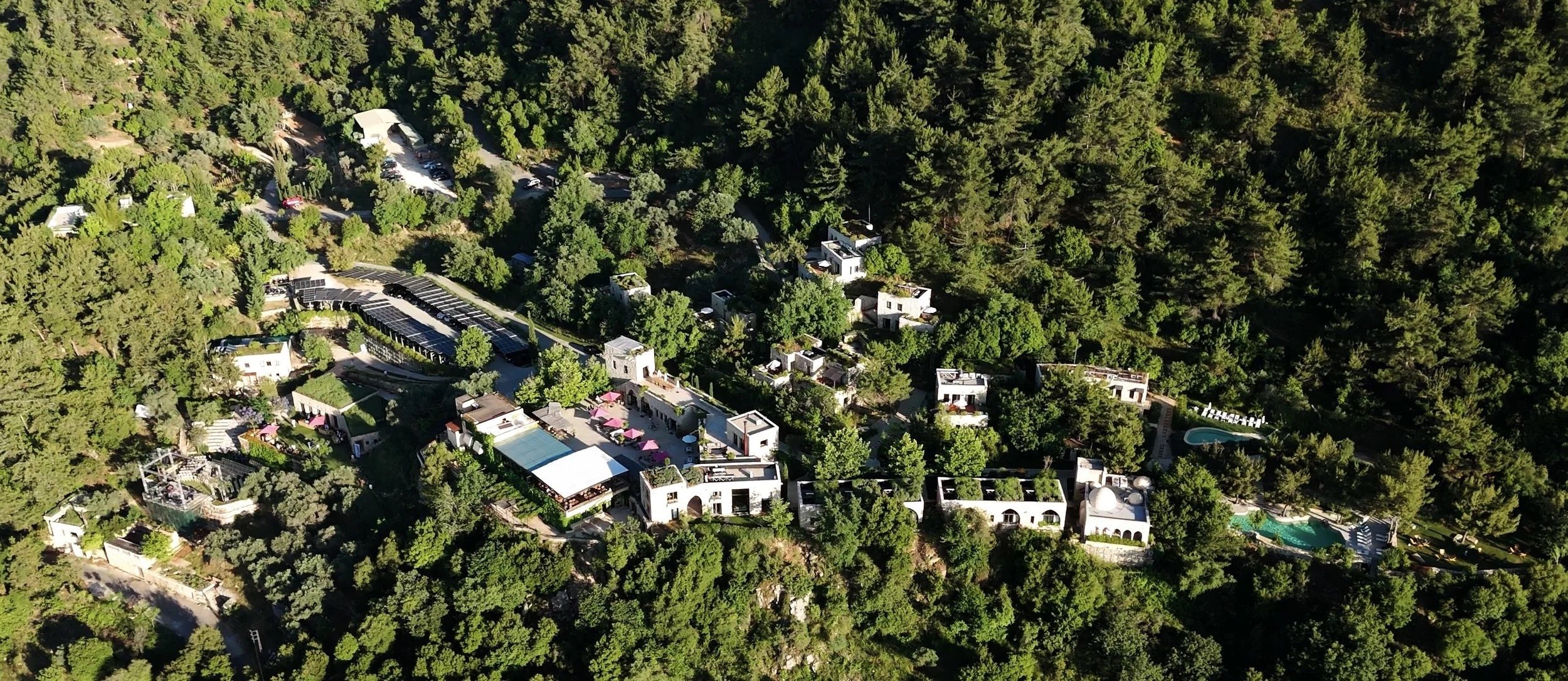
There are around thirty of them, and the whole estate is BREEAM certified, the first hospitality project in Lebanon to earn the rating. It runs largely on the sun. The New York Times has called it the country's largest solar-powered lodge, which in a place that lives with the mains cutting out several times a day is not a small thing to say. The founders like to point out that the site was laid out without clearing the ground it stands on, and from the air you can believe it: the buildings sit in the gaps the forest left, not the other way round.
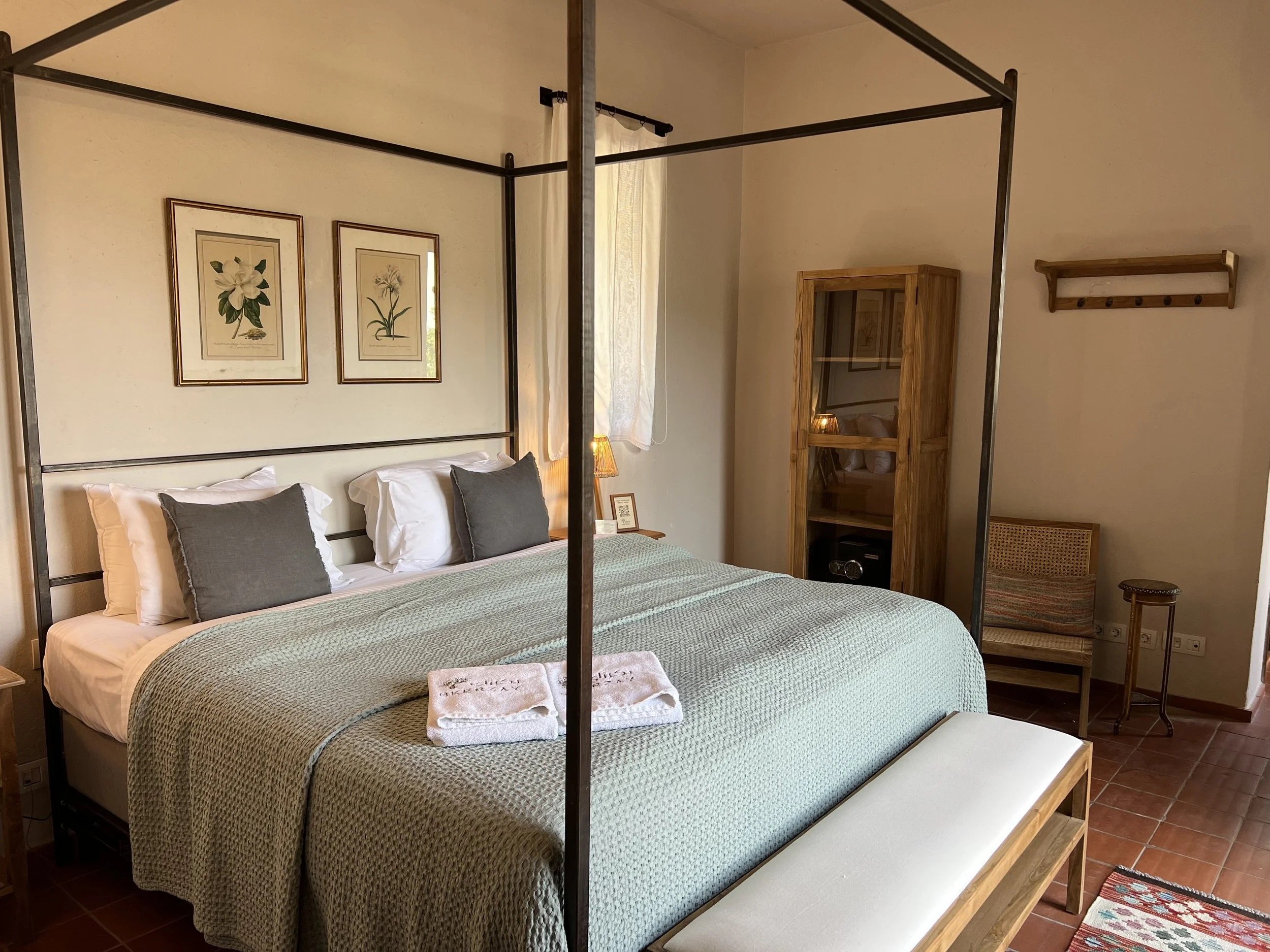
The buildings sit in the gaps the forest left, not the other way round.
A craft kept a few metres from your bed
What sets Bkerzay apart, and the reason it earned its place with us, is that the estate is also a working pottery. The studio has been throwing and glazing since around 2011, keeping the Chouf's tradition of glazed earthenware going with a kiln and a wheel a short walk from the guest houses. Resident potters, among them the Egyptian master Ahmad Deif, train local hands and turn out the copper-red and river-blue pieces you then find on the breakfast table and in the shop. Nothing about it is staged for the visitor. It was there before the rooms were, and the rooms grew up around it.
This matters more than it might sound. Plenty of hotels bolt on a craft corner for colour. Here the making is the point of the place and the lodging is the thing that pays for it, rather than the reverse. You can watch a piece come off the wheel, and you can carry the same glaze back down the mountain in your bag.
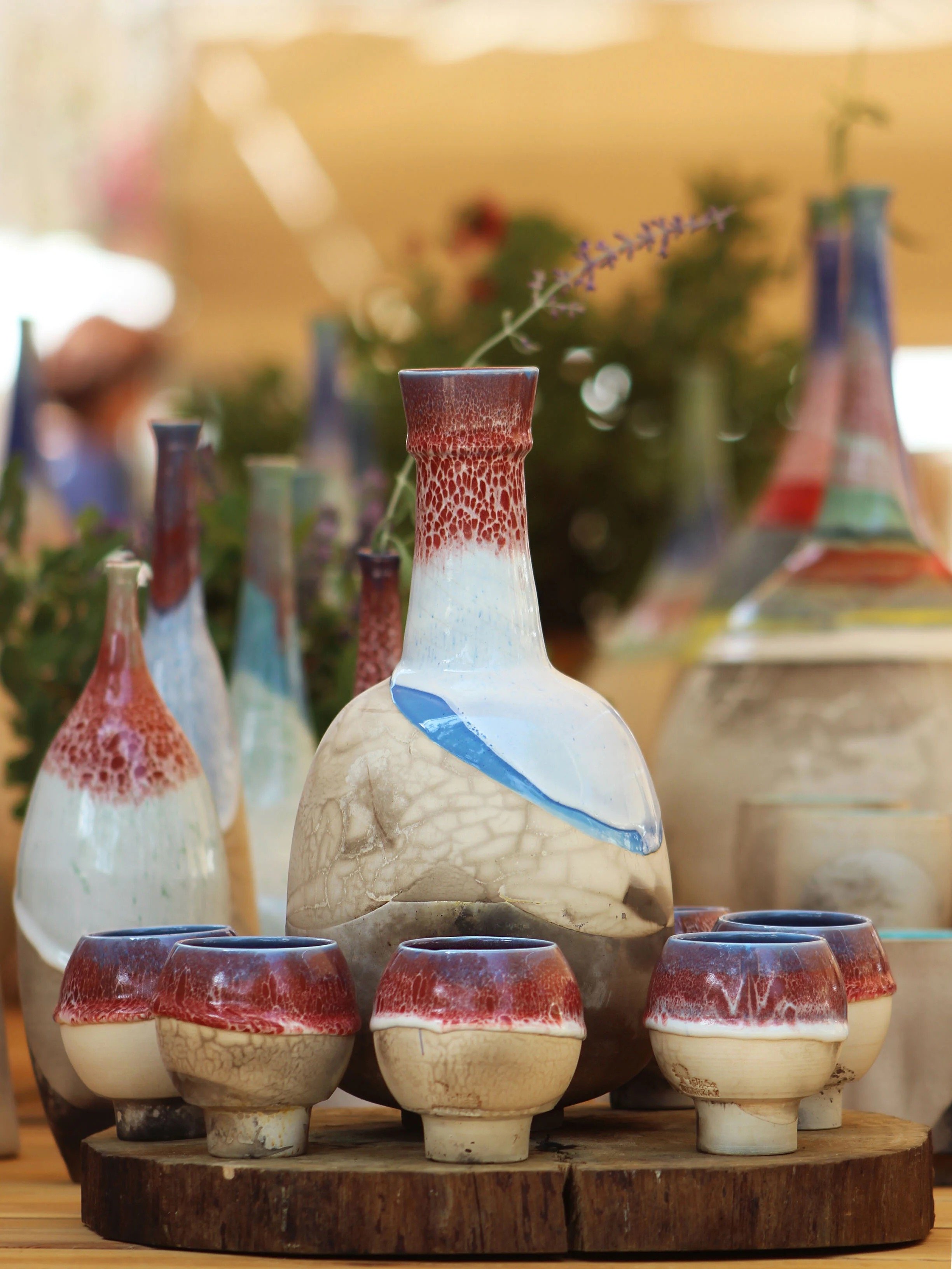
The making is the point of the place, and the lodging is the thing that pays for it.
Where the day comes to rest
Meals move around the site as the light does. The main restaurant keeps tables indoors and out, open from morning until late, with a menu that runs from Lebanese mezze to plainer international cooking. The Piazza, set in the central courtyard, is the sociable room, and its bar catches the sunset right through the summer; Café de la Place does the coffee and the homemade cake in the hours between. None of it is chasing a destination kitchen. It leans on the region's produce and the mountain air, and on most evenings that turns out to be enough.
Then there is everything past the gate. The Chouf cedar reserve, the largest of Lebanon's cedar forests, is close by. So are the Ottoman palace at Beiteddine and the old stone town of Deir el Qamar, and the shaded souk at Baakline just below. It is only honest to add that Bkerzay takes weddings and company retreats too, so it is not always the hermitage the pictures promise. Come midweek and out of high season and you get the version we would send you for: quiet houses in the trees, a cold pool, and Beirut close enough to forget.
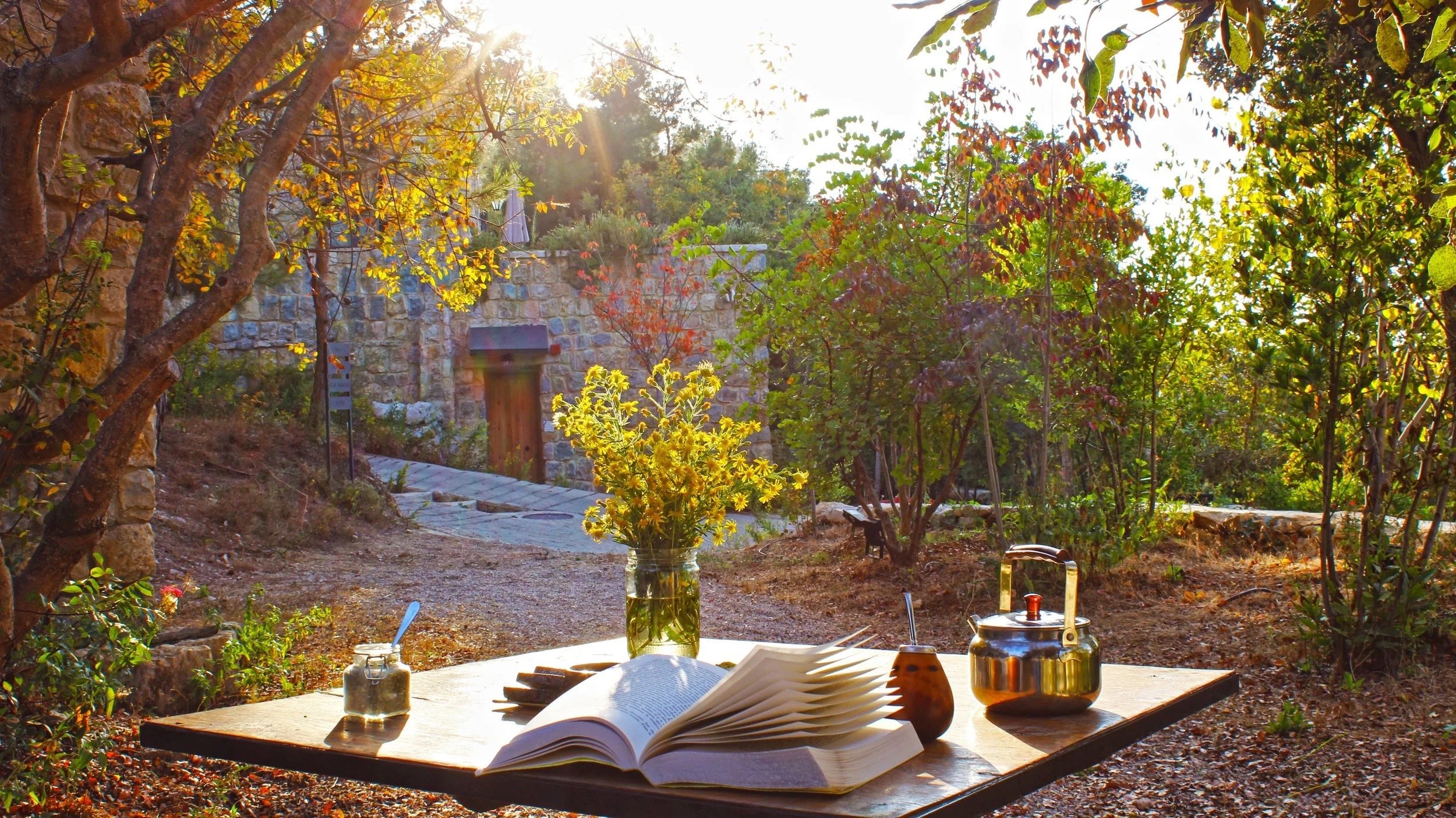
On most evenings the mountain air is enough.
Bkerzay is not selling thread counts or a spa menu, and it would be the wrong yardstick anyway. What it offers is an idea you can sleep inside: that a Lebanese mountain can be built on gently, in local stone and native planting, run on the sun, and still keep a craft alive at its centre. The rooms are comfortable rather than grand, the cooking is honest rather than starred, and the setting does most of the work. Come for the forest, the kiln and the long view to the coast, take the weddings on the chin, and time your visit for the quiet weeks. It reads, on the evidence, like one of the more thoughtful things anyone has built in these hills.
Photos: Bkerzay (official), with credit.