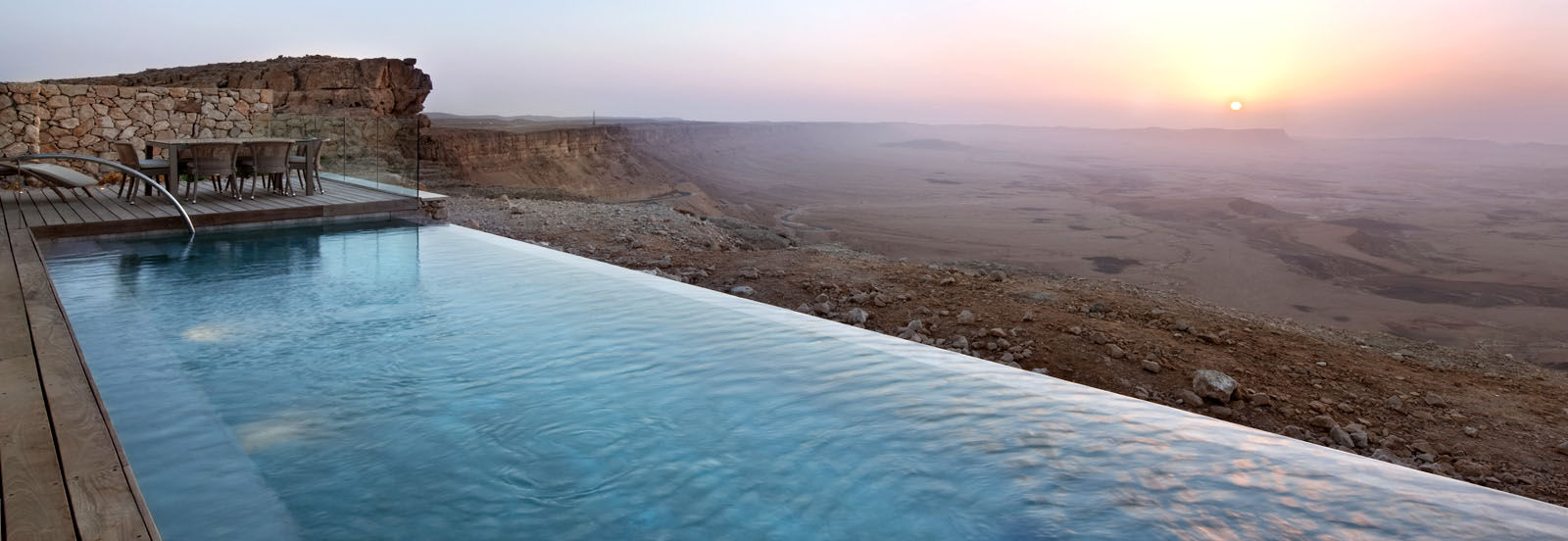
A dent in the desert, not a wound
Begin with the hole in the ground, because the hotel does. Makhtesh Ramon is not the meteor scar the photographs suggest. It is a makhtesh, a landform the Negev has almost to itself: soft rock worn away from beneath over millions of years until the hard cap above it gave way, leaving a steep-walled basin roughly forty kilometres long and some five hundred metres deep, the largest of its kind anywhere. The hotel stands on the northern rim, at Mitzpe Ramon, the one town for a long way in any direction. From the terrace the far wall sits on the horizon like a coastline, and the floor between runs out in bands of ochre and grey and rust.
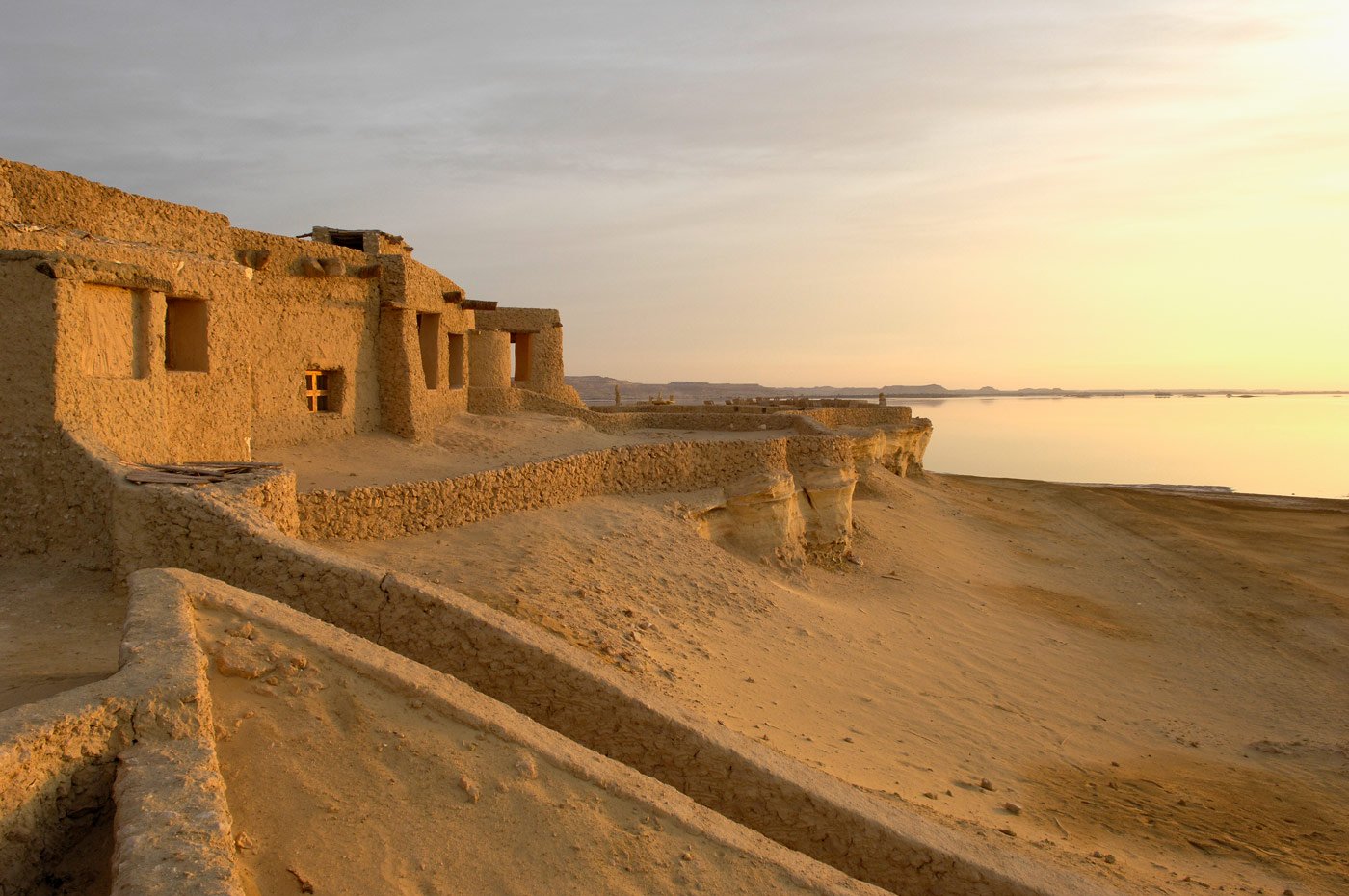
Isrotel finished Beresheet in 2011 and built it low, in the pale local stone, so that from the crater below it reads as another ledge of the cliff rather than a thing set down on top of it. There are 111 rooms and villas, loosely strung along the edge the way a village grows rather than the way a resort is planned, and the whole of the design points one way. Nothing here competes with the view. That is the discipline, and it holds.
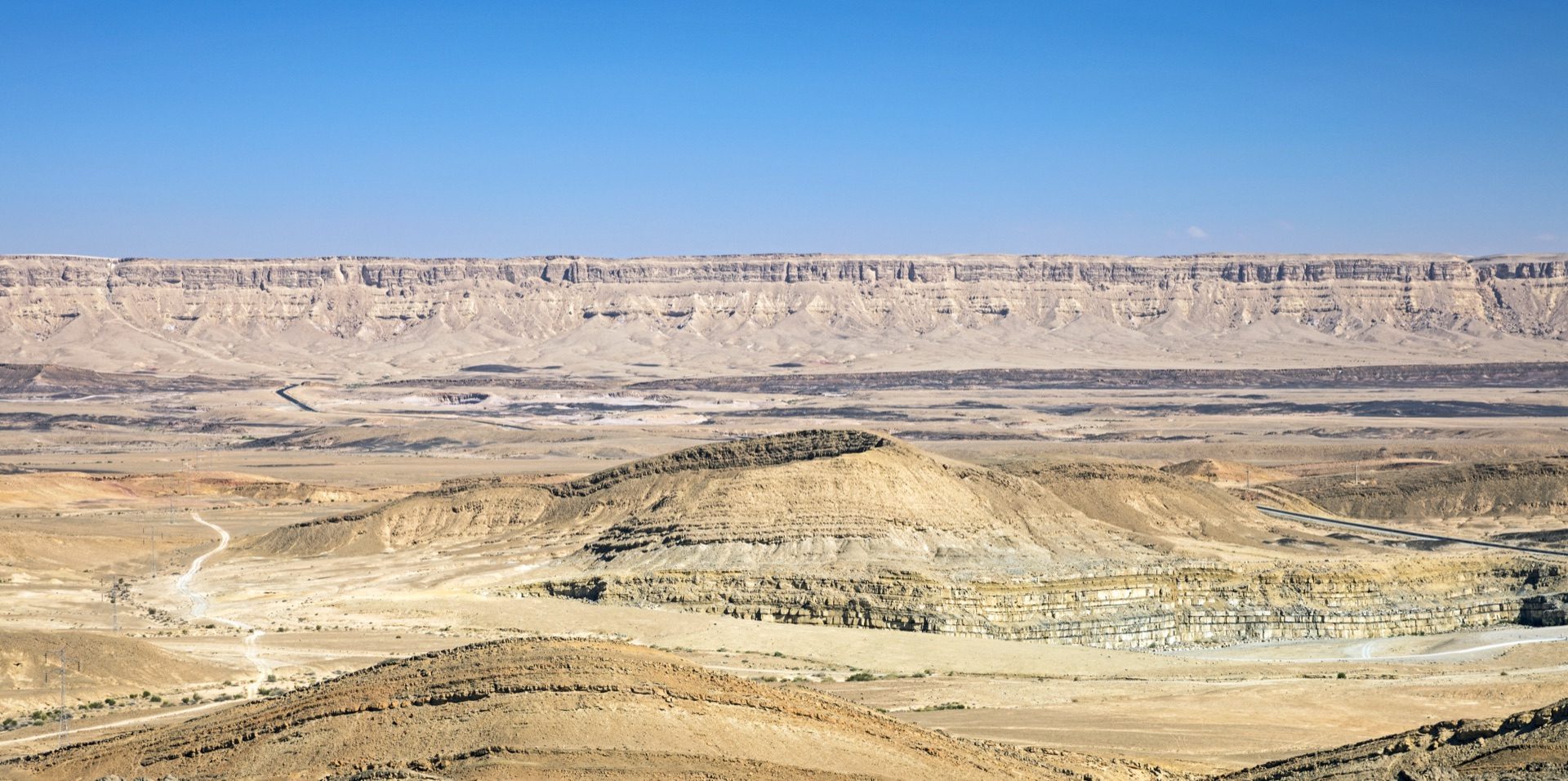
The crater is not the backdrop. It is the whole argument.
Stone that keeps the heat outside
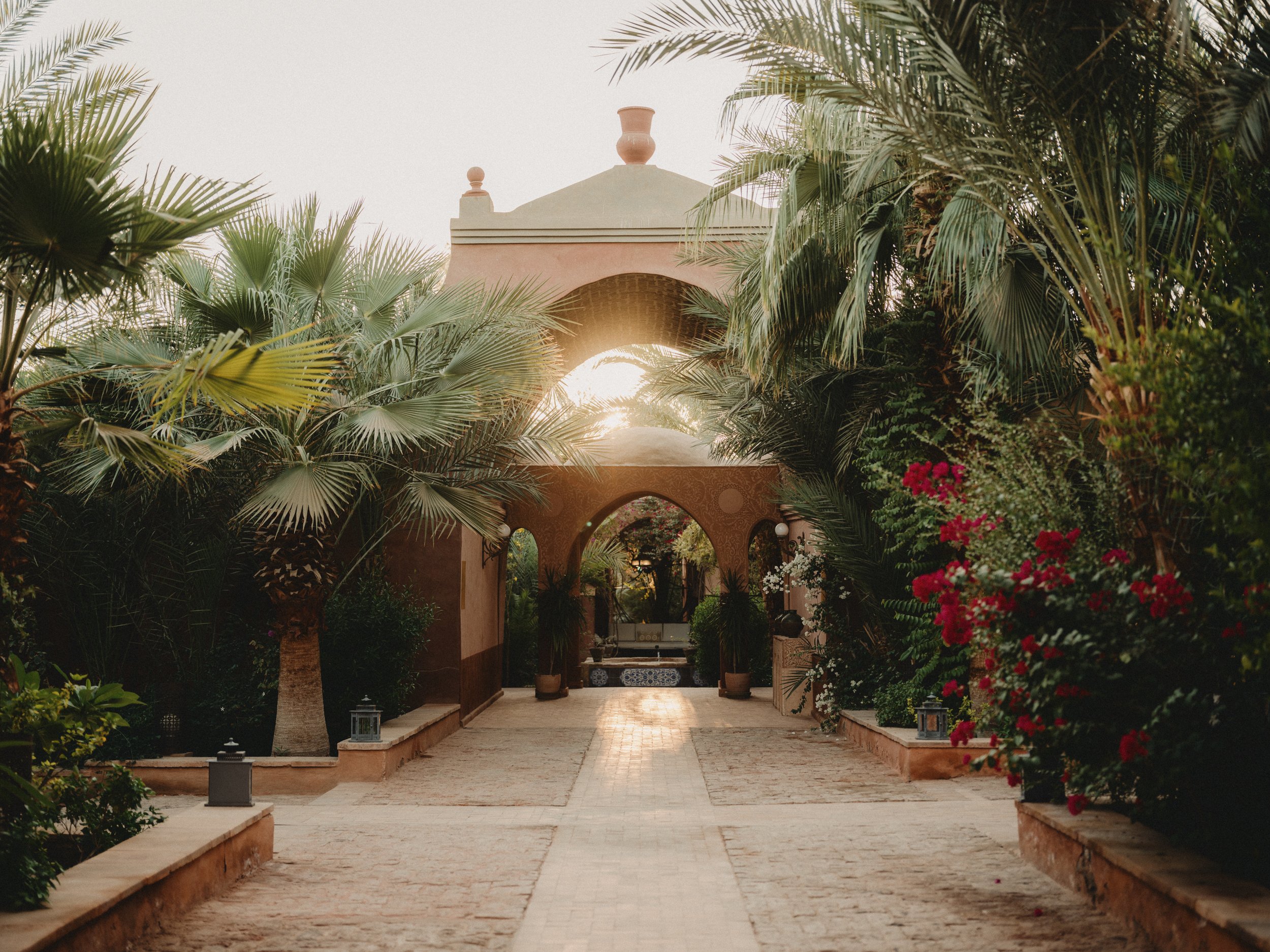
The rooms follow the same logic as the walls. Thick stone keeps the desert heat where it belongs, which is outside, and the better ones hand you the crater without your having to ask. The ground-floor villas open onto small private pools set against the drop; the upper rooms trade the pool for height and take the full width of the view from the bed. Inside it is calm and unfussy, earth tones and local materials, built to stay cool and dim through the middle of the day and to open at either end of it.
A spa is cut into the lower level, with a hammam in the cool of the stone, and a long infinity pool runs out towards the edge so that a swim ends, more or less, at the horizon. It is a large hotel, and on a full weekend you feel the numbers at breakfast and around the water. The architecture absorbs most of that. The stone muffles sound, the lanes spread people apart, and by late afternoon the desert does the rest.
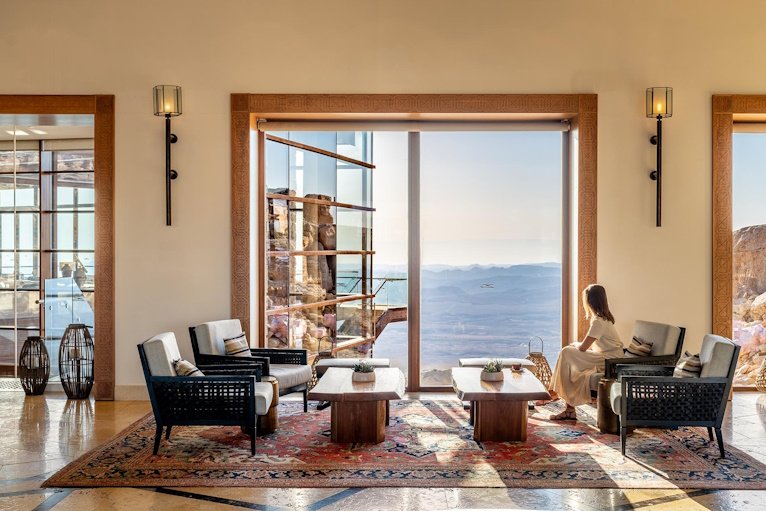
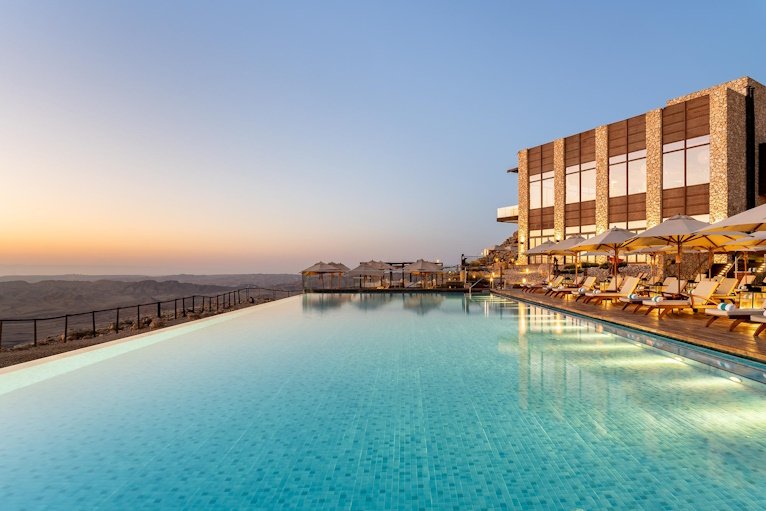
Dinner over the drop, then the sky
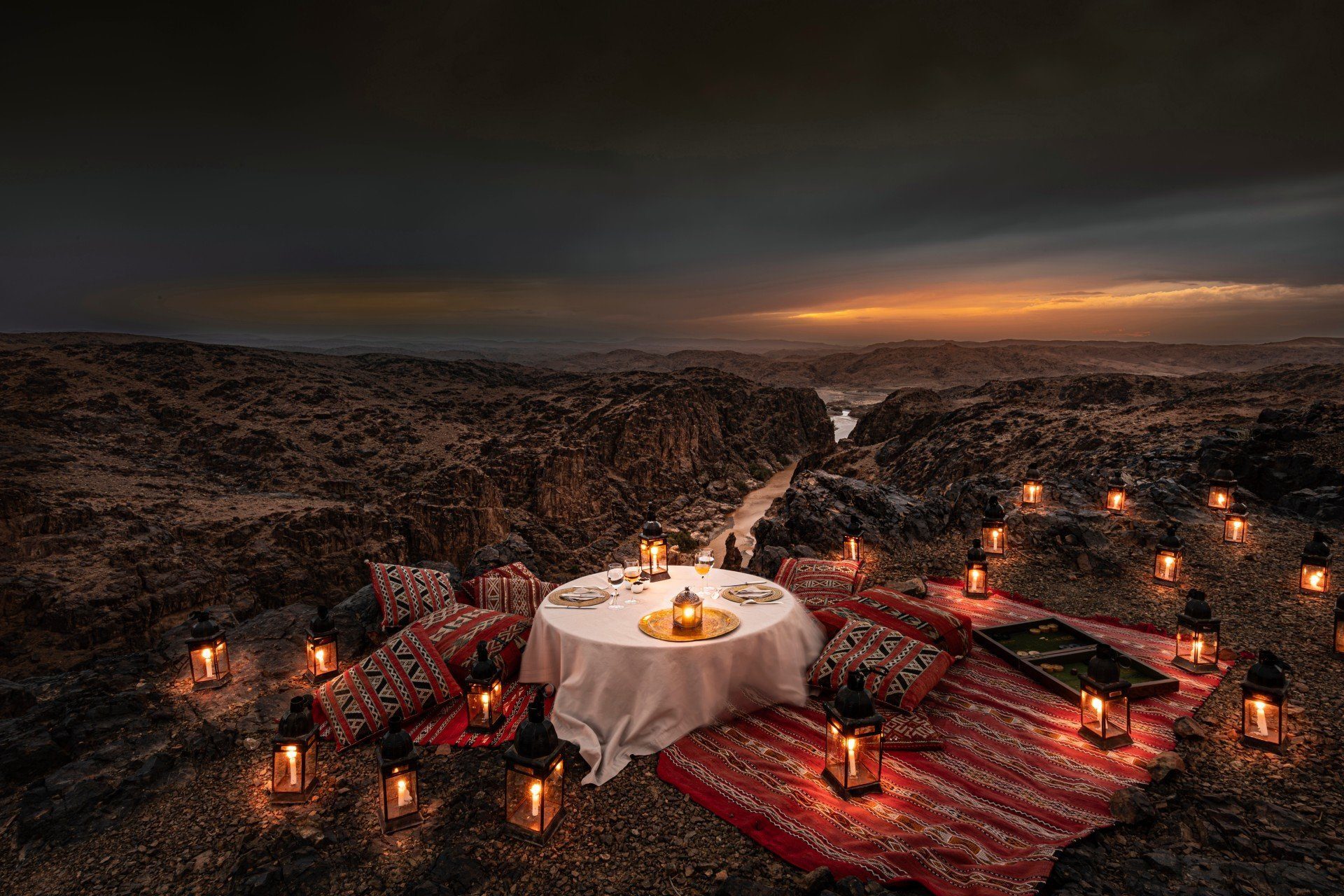
Dinner is staged for the setting. Rosemarine, the main room, runs its terraces out over the crater so that the meal arrives with the light going down the far wall, and the kitchen keeps to modern Israeli cooking, kosher, built on the produce of the south. There is a poolside kitchen, ChillOut, for the long afternoons, and a separate dairy restaurant for slow mornings, meat held to one room and dairy to another as the tradition asks. On a table this exposed the view keeps the last word, and the meal most people remember is breakfast at the edge, before the heat climbs.
Then the sky. Mitzpe Ramon sits far enough from any city that the dark is almost total, and the Negev gives back the kind of star field most visitors have not seen since childhood, if ever. The crater walk at first light is the other thing to hold out for, down onto a floor that could pass for another planet and back up before the sun has any weight in it. Come for two nights, not one. The drive south from the coast is long, and the point of it is to stop rushing.
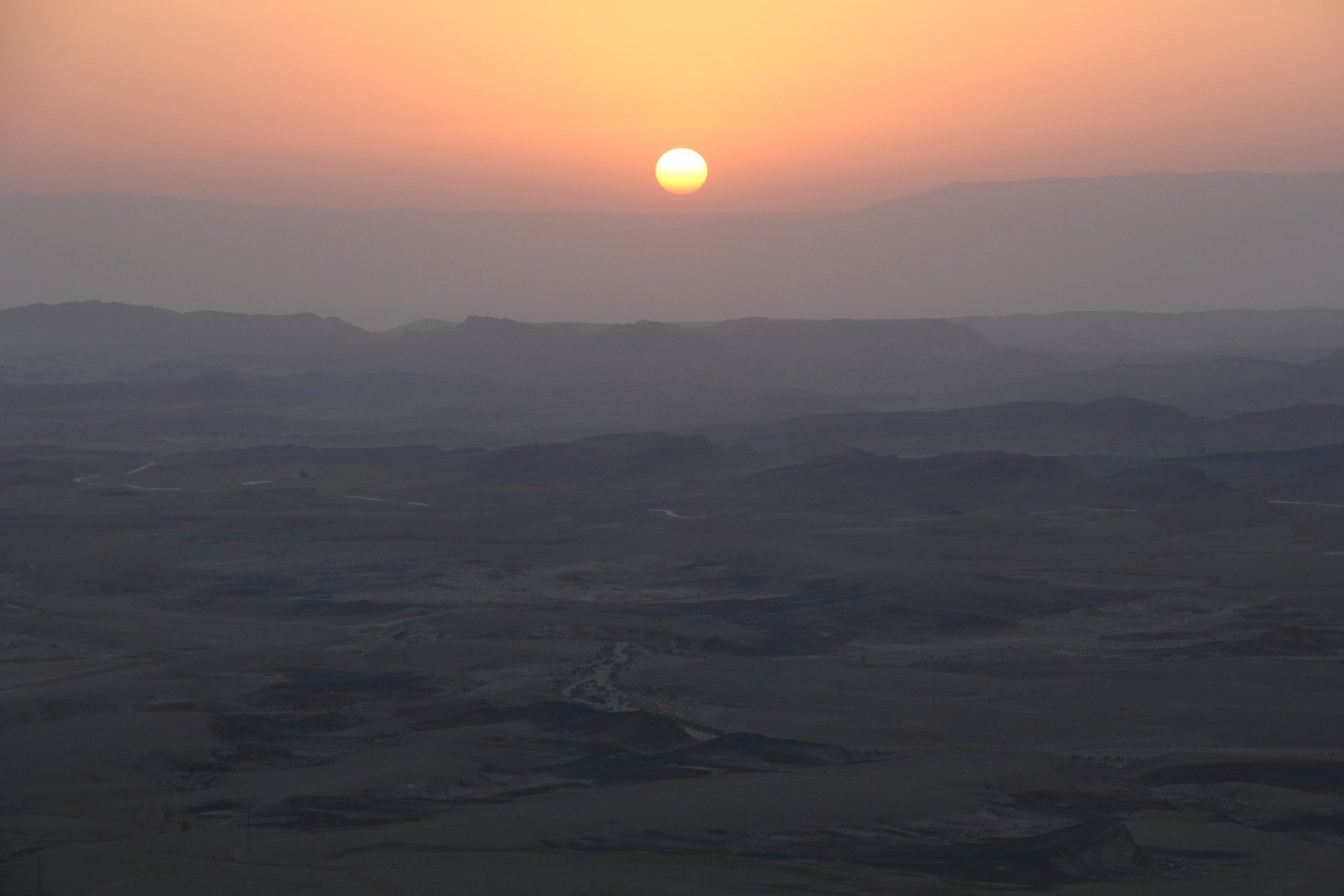
Mitzpe Ramon was a forgotten road-stop until the crater made it a destination, and Beresheet is the reason most people now make the drive. It is big, and it knows it, but the architecture holds its nerve: low stone that belongs to the cliff, rooms that stay cool and quiet, a pool and a table turned to the one view that matters. Come for the place and the silence, take the crater at first light, and do not plan to leave the next morning.
VANE note. This is a researched profile, drawn from the property's own record and public sources, not yet a first-hand VANE stay. A full review carries a stay date, an independence disclosure and the writer's own account. Interior and hero photographs by Beresheet (official); the crater and sunrise plates by Godot13 (CC BY-SA 4.0) and Eduard Marmet (CC BY-SA 2.0) via Wikimedia Commons, with credit.