Field Notes
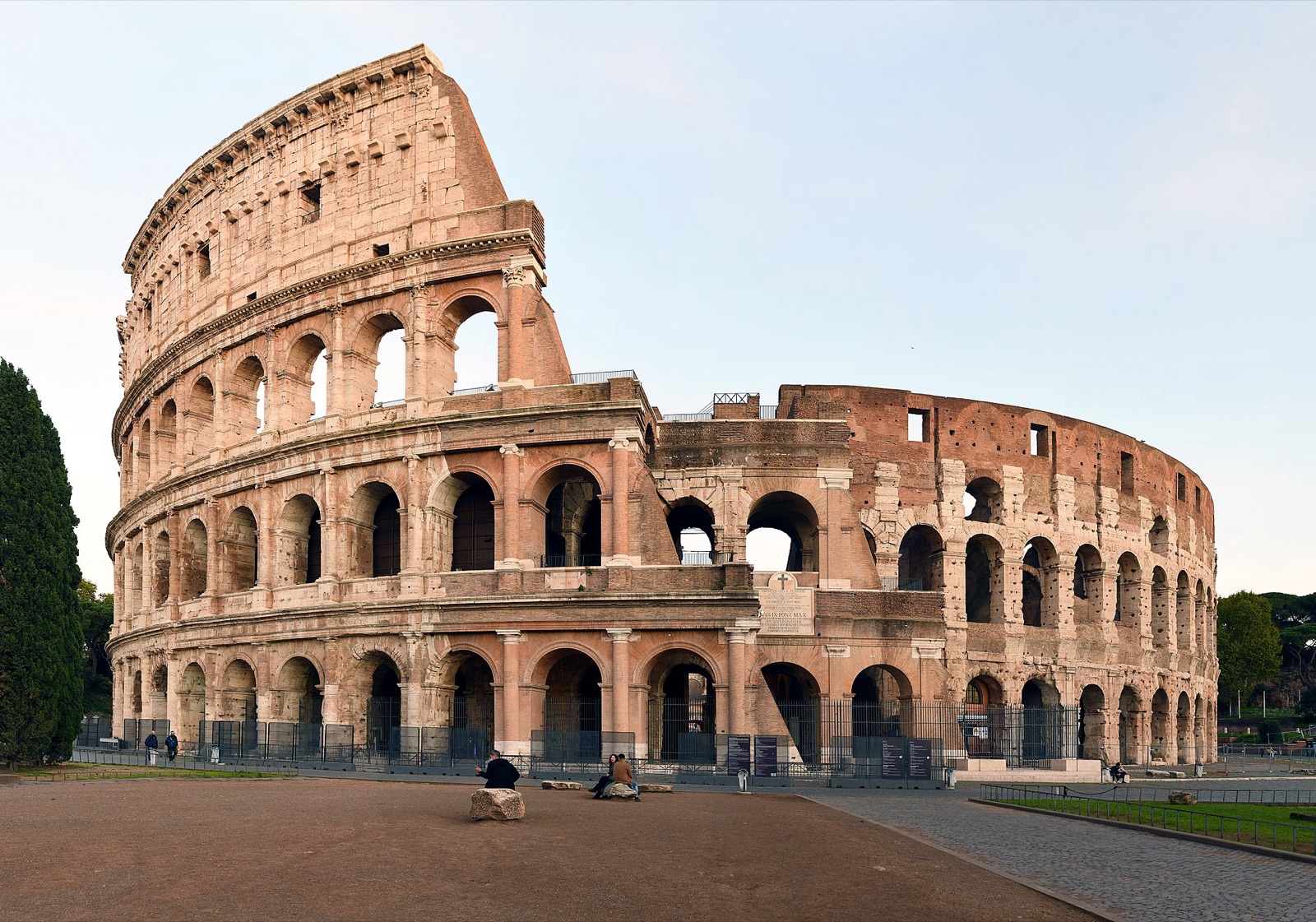
Rome has always told a story about where it came from, and that story begins in Asia Minor, with a city that burned. "Troy and Rome: Myths, Legends, Stories of the Ancient Mediterranean" opened at the Colosseum Archaeological Park on 12 June and runs until 18 October — a summer-long argument, staged on the very ground of imperial Rome, that the city's foundation myth was always a Mediterranean import.
The exhibition brings together more than 300 artifacts. Over 220 of them are loans from nineteen museums across Türkiye, and roughly fifty have never been shown to an Italian public before. The path opens, with a showman's confidence, on a monumental replica of the Trojan Horse before turning to the harder evidence — the archaeology of Troy itself, then the long thread of Aeneas carried west into Italy.
A foundation myth, returned to the sea it crossed.
What gives the show weight beyond spectacle is its diplomacy. It grew from a bilateral cultural agreement signed in April 2025 between the Italian and Turkish culture ministers, with the technical loan terms settled the following December. Objects that rarely leave Çanakkale and Anatolia now sit a few hundred metres from the Forum — a Mediterranean conversation conducted in marble and bronze.
For a traveller in Rome this summer, it is the rare blockbuster with a genuine reason to exist where it does. We would pair it with an early walk through the Forum, then enter the exhibition while the myth is still fresh underfoot — Troy and Rome, for once, in the same field of view.