Field Notes
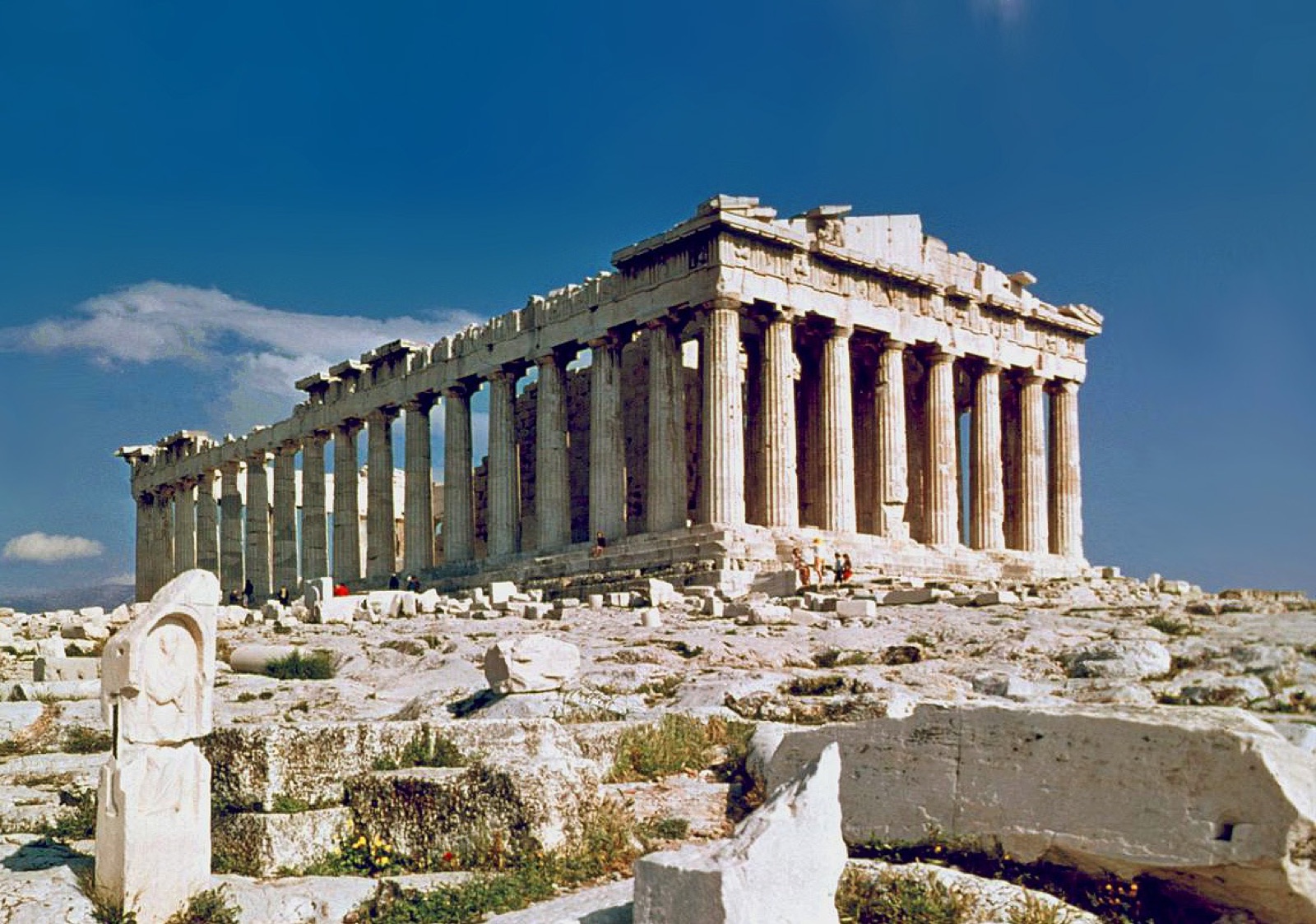
Most visitors to Athens never notice that the Acropolis had a museum before the famous one below it. Tucked behind the Parthenon, the Old Acropolis Museum closed when Bernard Tschumi's glass building opened in 2009, and for fifteen years it sat empty on the hill. This spring it reopens — and the timing is pointed: late spring 2026, the season when ancient Athens held the Minor Panathenaea.
The inaugural exhibition, "Athens, the Immortal City," is curated by the Ephorate of Antiquities of the City of Athens, and its headline is a number: more than 1,185 archaeological objects shown publicly for the first time, from Neolithic vessels through Mycenaean pottery to inscriptions long held in storerooms.
A museum on the rock, returned to the rock's own story.
What we find most compelling is what the building admits about itself. Its conservation laboratories will be partially visible, so visitors watch restorers at work rather than being shown only the finished, lit object. It is an unusually honest gesture for a flagship site — the museum as a place where things are still being repaired, not merely displayed.
There is a contemporary coda. NEON, the organisation founded by collector Dimitris Daskalopoulos, contributes a site-specific installation conceived as the final chapter of a trilogy drawn from Greece's cultural heritage. For travellers who think they have already "done" the Acropolis, this is reason to climb again. Go in the cool of the morning, finish at the new museum, and let the hill tell the older, stranger version of its history.