We notice the same instinct among the people we travel and eat with: a turn away from the famous appellations and toward places where the winemaker still pours for you across the cellar door. The Mediterranean rewards that instinct more generously than anywhere.
These are the corners drawing serious attention this year. Each offers native grapes, volcanic or maritime terroir, and prices the grand names have long abandoned.
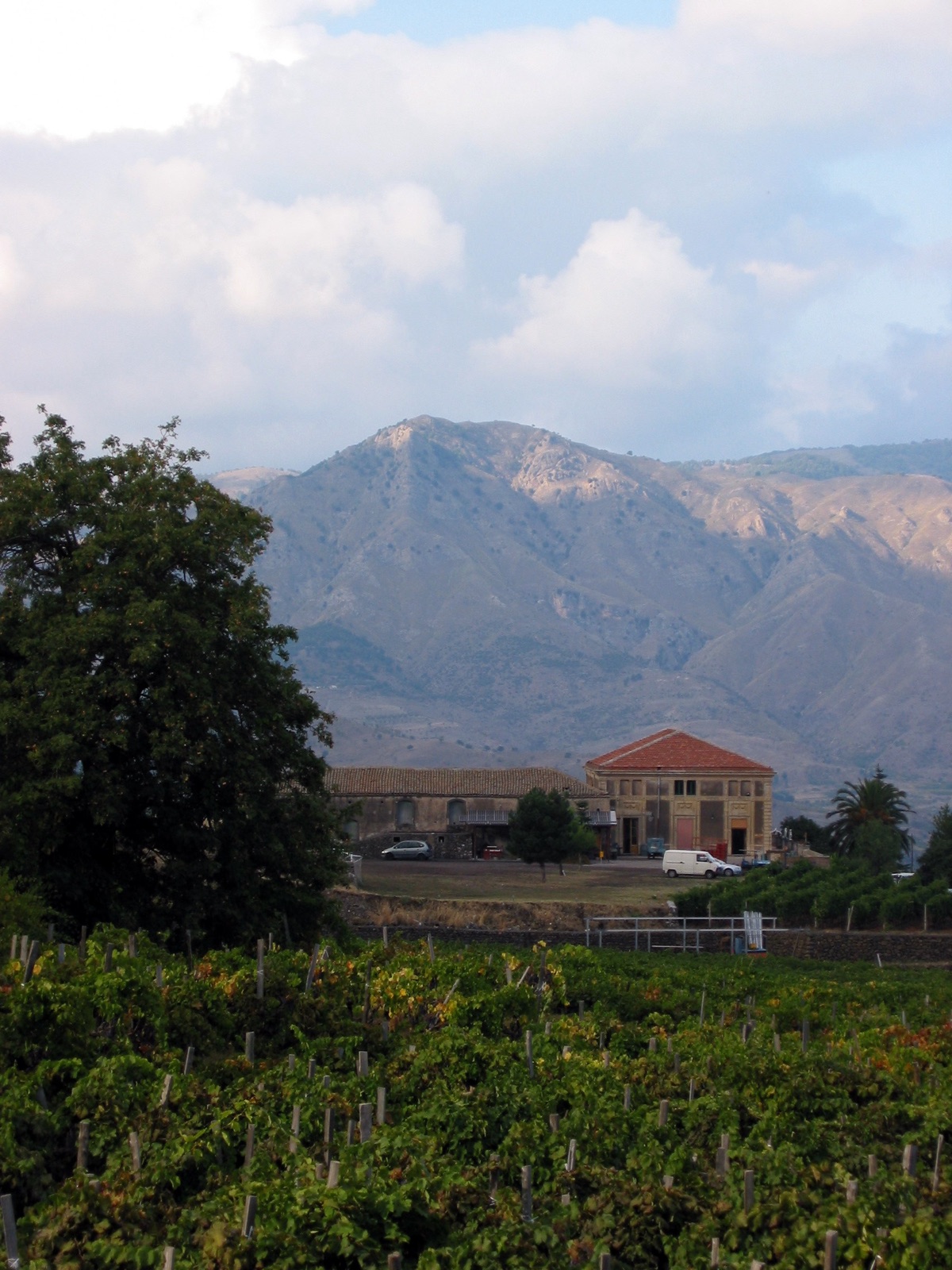
- Etna, Sicily. Sicily's first DOC, established in 1968, now draws growers ever higher up the volcano's black slopes, where old ungrafted vines and the Nerello Mascalese and Carricante grapes have made it the basin's most talked-about volcanic terroir.
- Crete. Named European Region of Gastronomy for 2026, the island is the year's obvious detour, and its revived natives reward it: white Vidiano and the ancient red Liatiko, which drinks like a spiced, sunlit Pinot Noir.
- Santorini. The basket-trained Assyrtiko vines, coiled low against the wind on pumice soils, remain the reference point for volcanic island whites; rising land pressure only sharpens the case for visiting now.
- Naoussa, Greek Macedonia. Inland and overlooked, this mainland appellation makes structured, age-worthy reds from Xinomavro, the grape most often offered as Greece's answer to Nebbiolo.
- Dão, Portugal. Granite soils and altitude give the Dão a poise its neighbours lack, turning out elegant, restrained reds at a fraction of Bordeaux money.
The Edit is a VANE Journal column. We choose the way we choose hotels — first-hand, on our own terms, with no placement bought. Photo: Photo: Neil Weightman, Wikimedia Commons (CC BY 2.0).
← More from the Journal