The Table
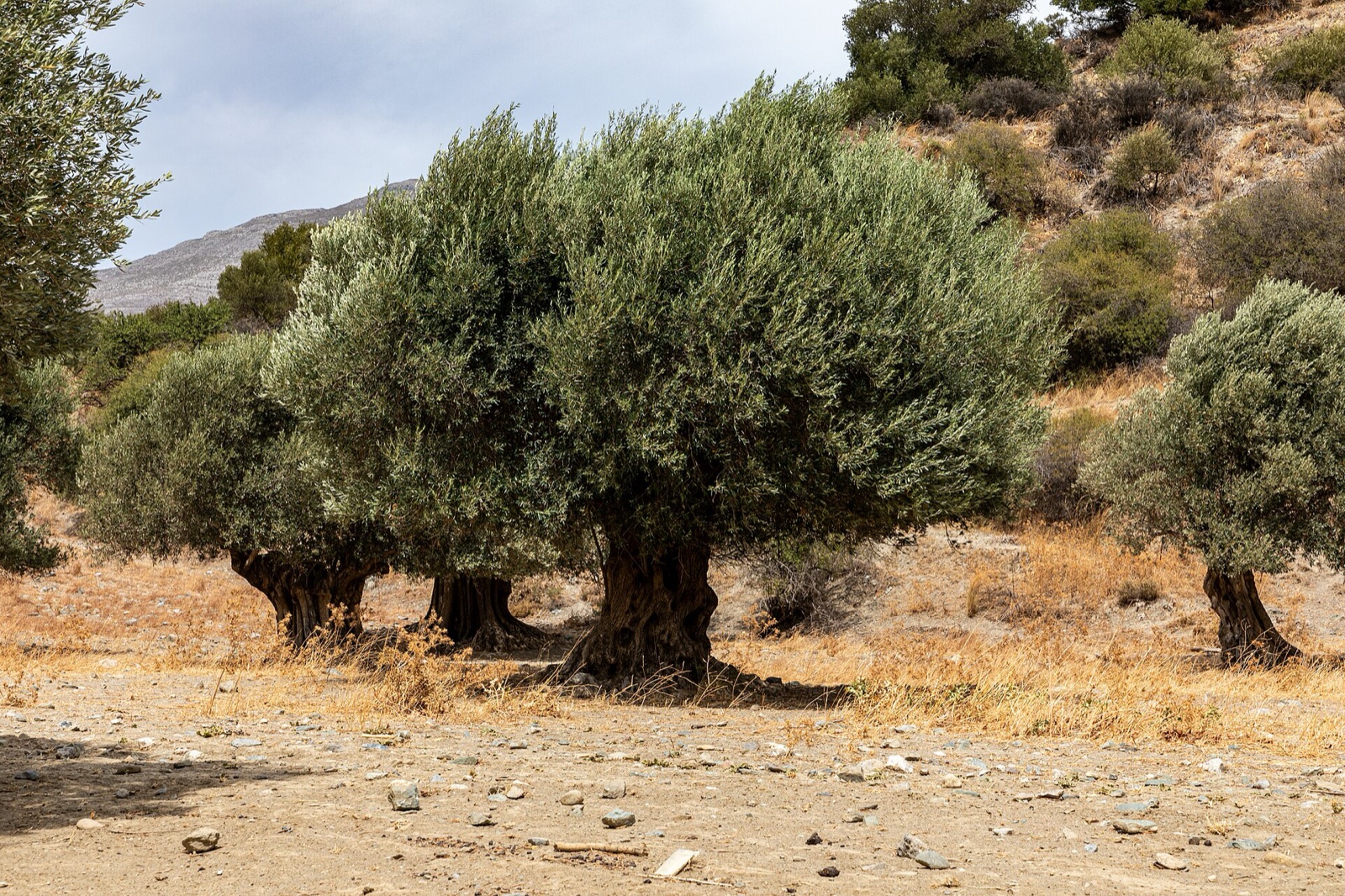
We tend to read a place through the thing it cannot stop making, and on Crete that thing is olive oil. The island is Greece's leading producer, built almost entirely on the small, hardy Koroneiki olive, with the higher-altitude Tsounati cultivated above it. Two protected names anchor the quality argument: Sitia in the dry east, Kolymvari in the green west, both PDO, both pressed from Koroneiki grown on mineral hillsides cooled by the sea.
But the past two seasons have shown how exposed that monoculture is. After a historic low of around 52,000 tonnes in the 2023 harvest, Crete's losses ran near 40 per cent against the regional average, and forecasts for the following year promised more of the same as drought and heat struck the trees at flowering. The figures turn brutal at the village scale: one cooperative at Krousonas, near Heraklion, reported its yield collapsing from nearly 490 tonnes to just 110.
The oil that defines the island is the crop the climate punishes first.
Price has followed the scarcity, then partly retreated. The first official price of the 2025 harvest was struck on 4 October at €7.85 a kilo, set not on Crete but at the Agioi Apostoloi cooperative in Laconia for an early lot, a signal of how high the market still sits even as extra-virgin prices nationally have fallen well below the records of 2024. Crete, meanwhile, fights drought and the olive fruit fly into the new season.
What we take from the cellar is not pessimism but precision. A drought year concentrates what survives; the early-harvest Koroneiki oils coming out of Sitia and Kolymvari are greener, more bitter, higher in the polyphenols that make a good Cretan oil taste like cut grass and pepper at the back of the throat. Less oil, but rarely thin oil.
For the traveller this is the season to buy at the mill rather than the airport, to ask which grove and which week, and to accept that the bottle costs what a hard year costs. Crete has read itself in oil for three thousand harvests. The reading this year is simply harder won.