A table in the Barbagia
In 1967 Giuseppe Palimodde, Peppeddu to everyone, opened the first restaurant Oliena had ever seen, out by the cold karst spring that gives the place its name. The idea drew some scepticism. This was the Barbagia, the mountainous interior travellers still hurried through on their way to the sea, and a serious kitchen in the middle of it looked like an odd bet. It was not. People came from across the island, then from abroad, and they came in numbers the village could not sleep. So the family put in a few rooms. The few became many. Today they number seventy-one, and the kitchen that started the whole thing is still the reason the rest holds together.
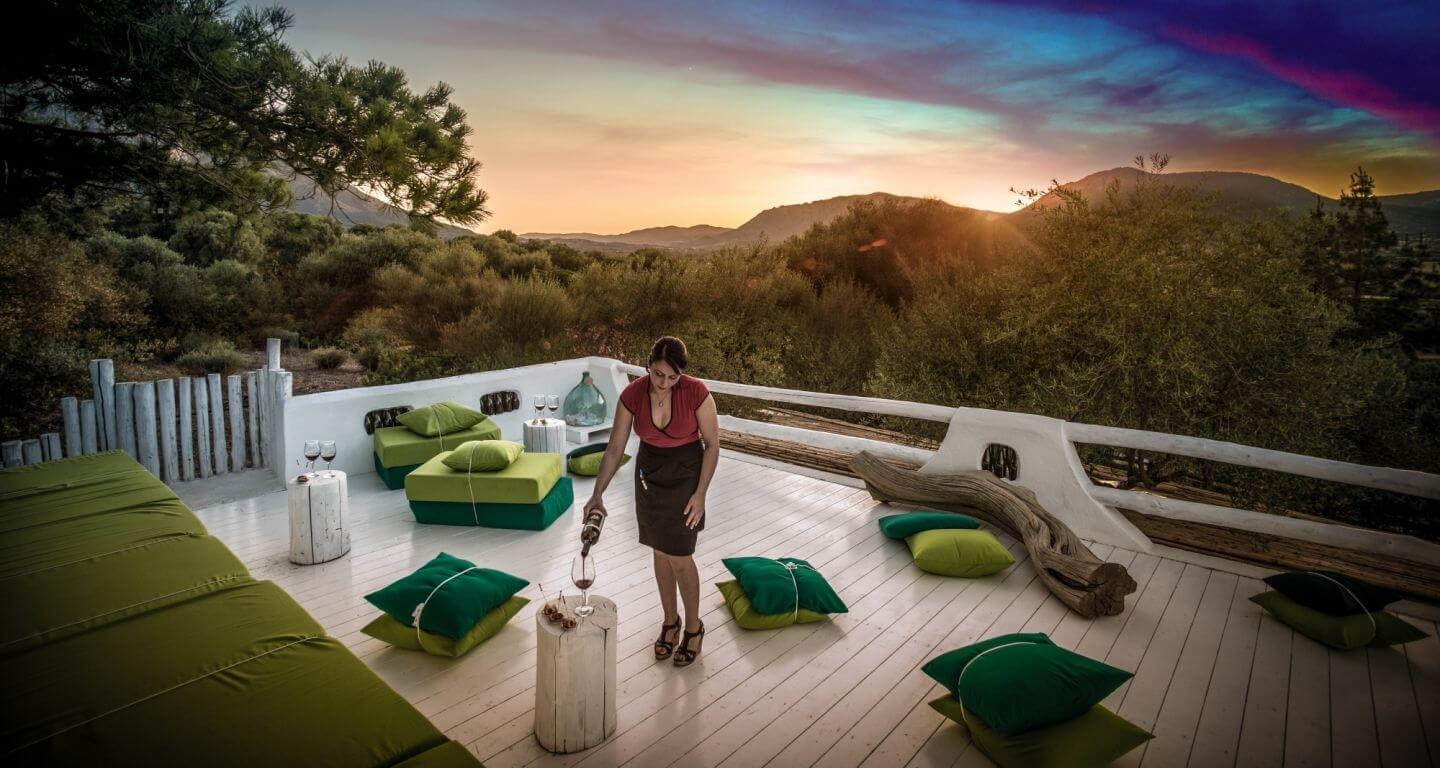
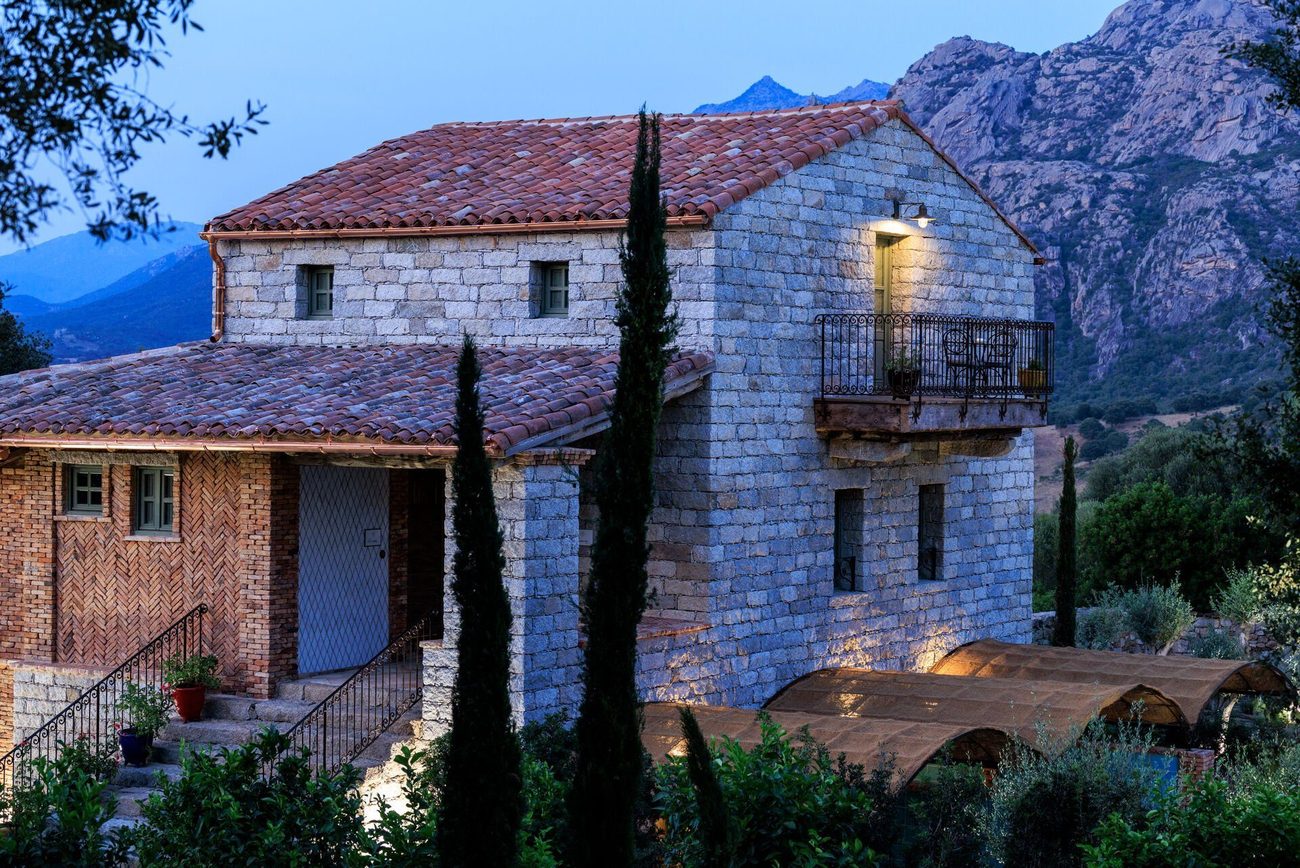
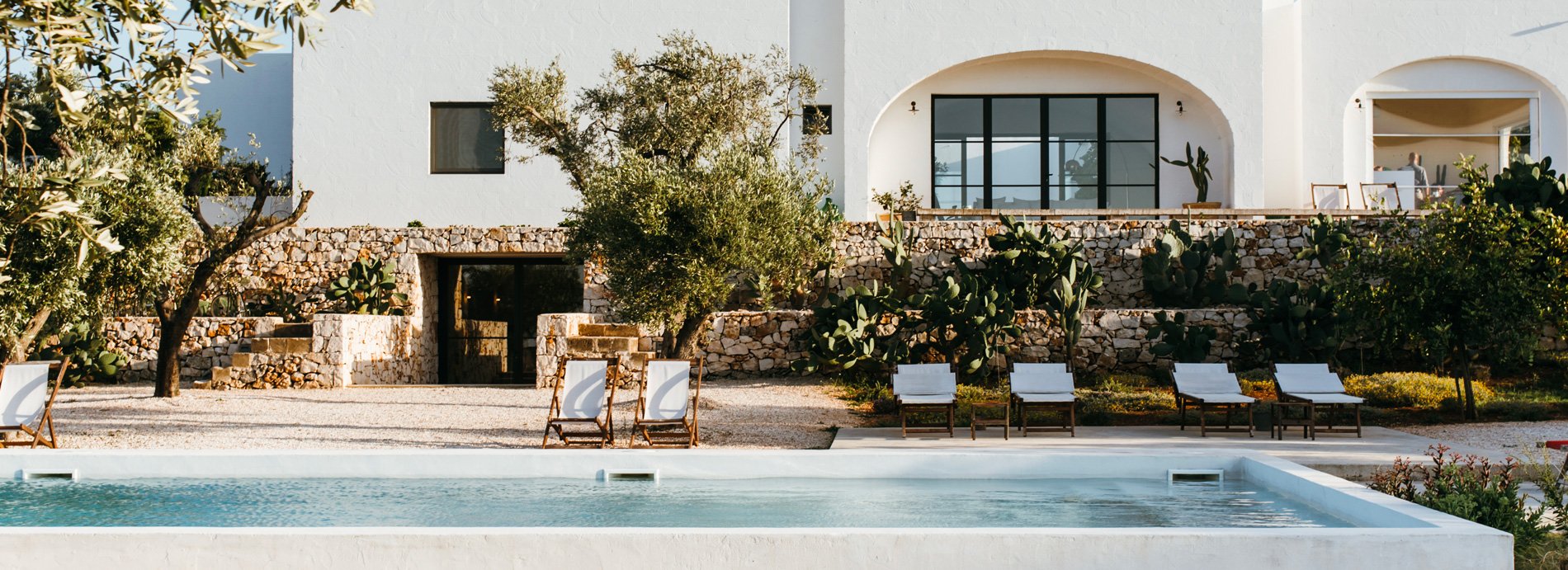
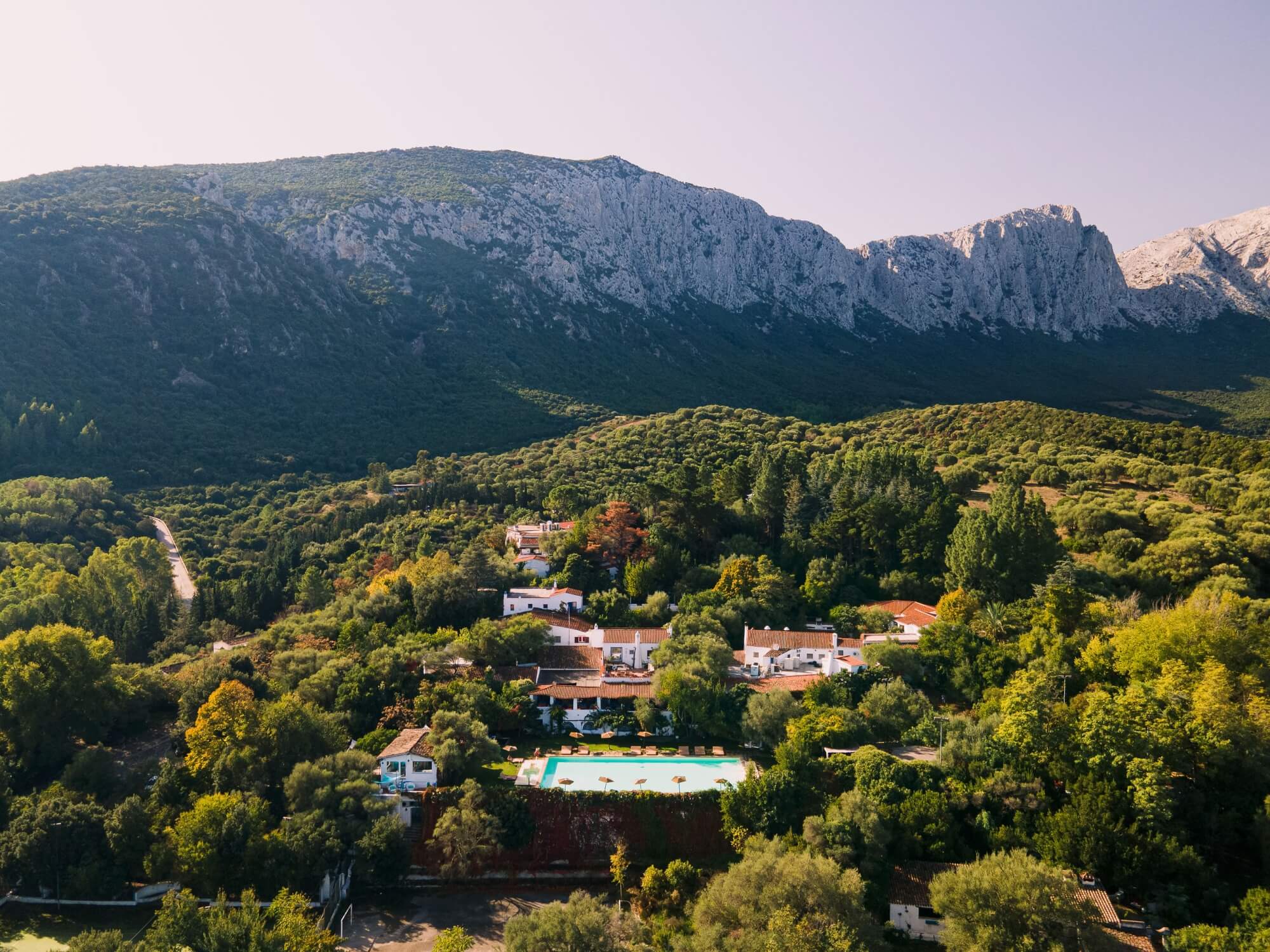
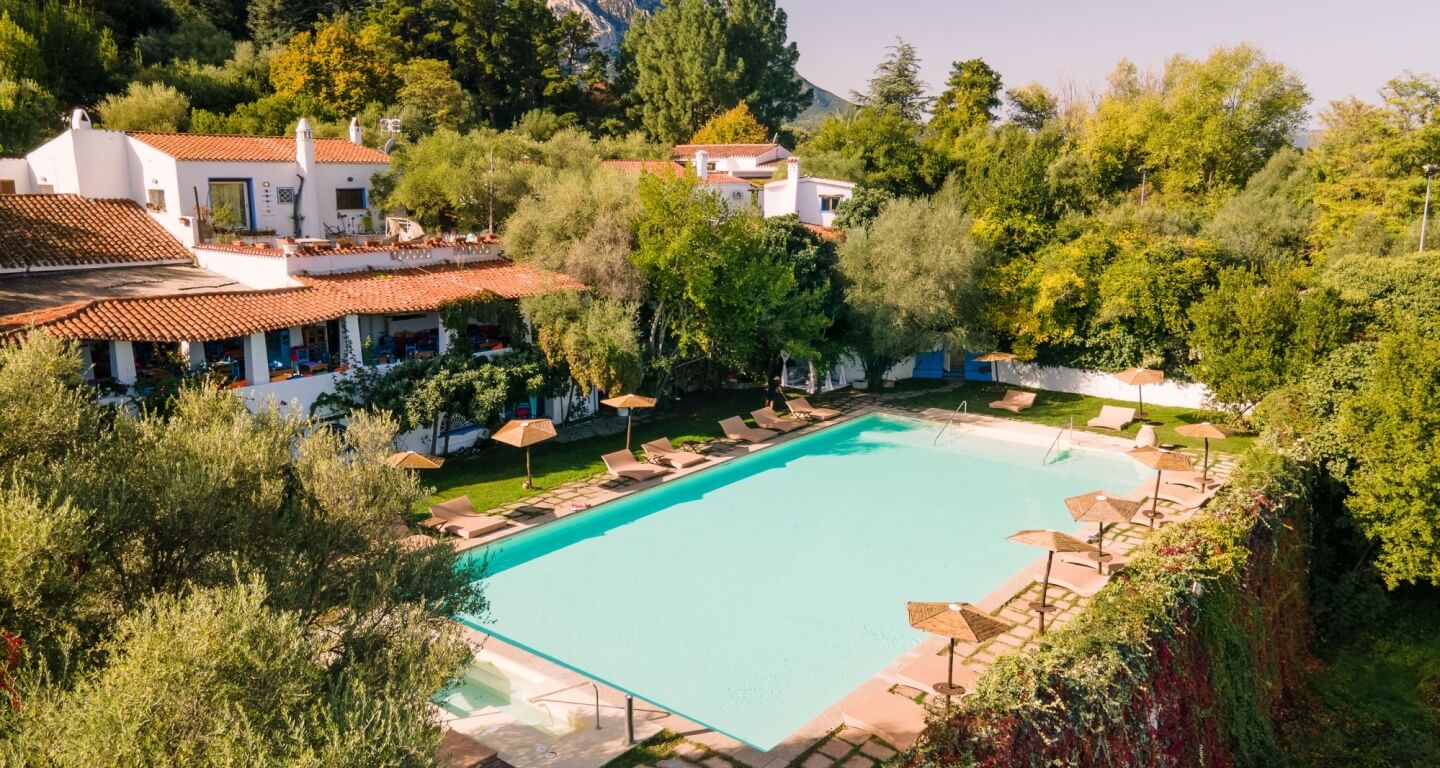
What grew up around those rooms is a whitewashed village in its own right, low ranges under terracotta, cobbled paths between them, a pool cut into the green with the Supramonte filling every western view. The Gulf of Orosei and the sea are close enough for a day out. Almost no one comes here for the sea.
The house Giovanna painted
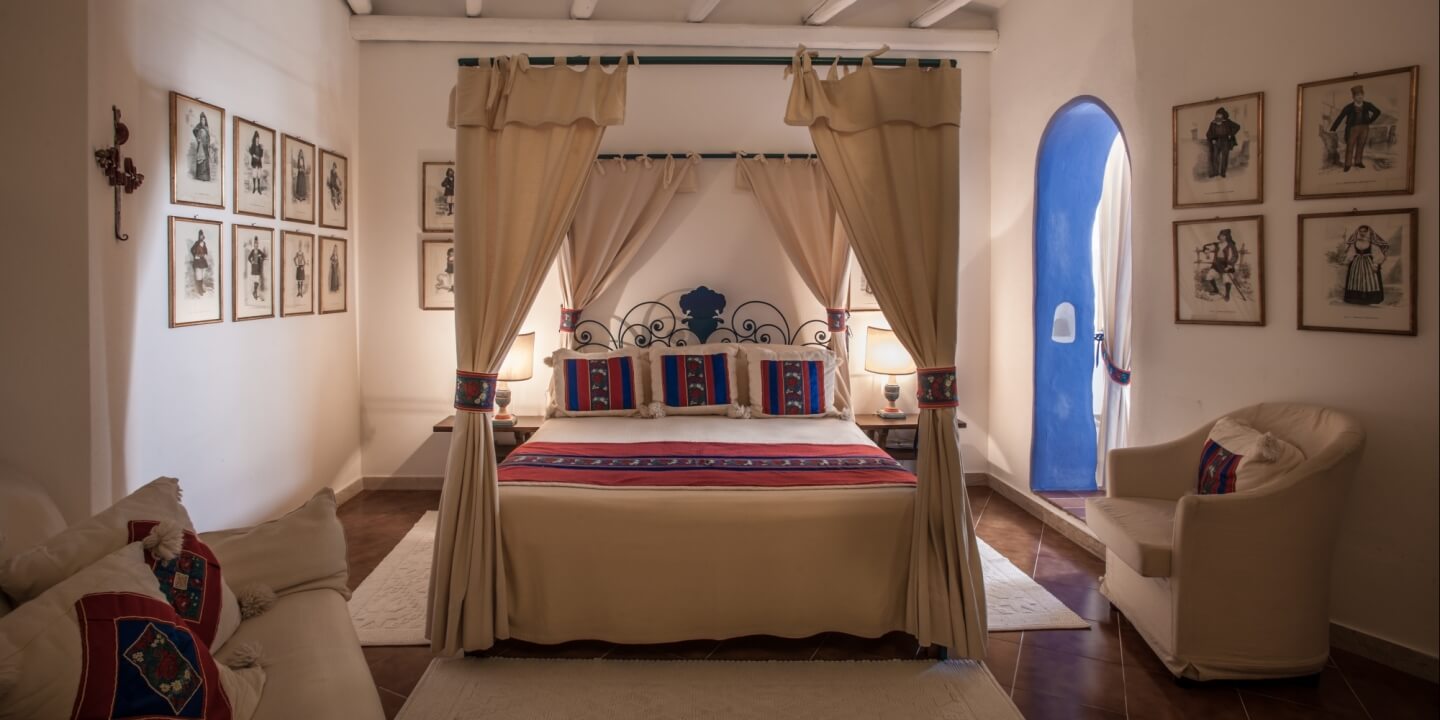
The hotel you walk into now is largely the work of one woman. Giovanna Palimodde, Peppeddu's daughter, is a painter and a collector, and across decades she has turned the place into something close to a living museum of Sardinian art. The walls carry paintings, ceramics and hand-woven cloth by twentieth-century island artists. She has said her eye was formed by the painter Liliana Cano and by the vision of Giovanni Antonio Sulas, and you can read both in the rooms, in the strong colour and the folk motif and the wholly unprecious way it is all hung.
None of it arrives as set dressing. Much of it is made on the property, at Le Botteghe, the craft studios where weavers and makers work the cushions, textiles and small objects that then turn up in the bedrooms. A blue-painted doorway opens off one room lined with prints of Sardinian costume. A bench outside the studios is stacked with embroidered pillows the colour of the sky. You are sleeping inside the collection, not beside it.
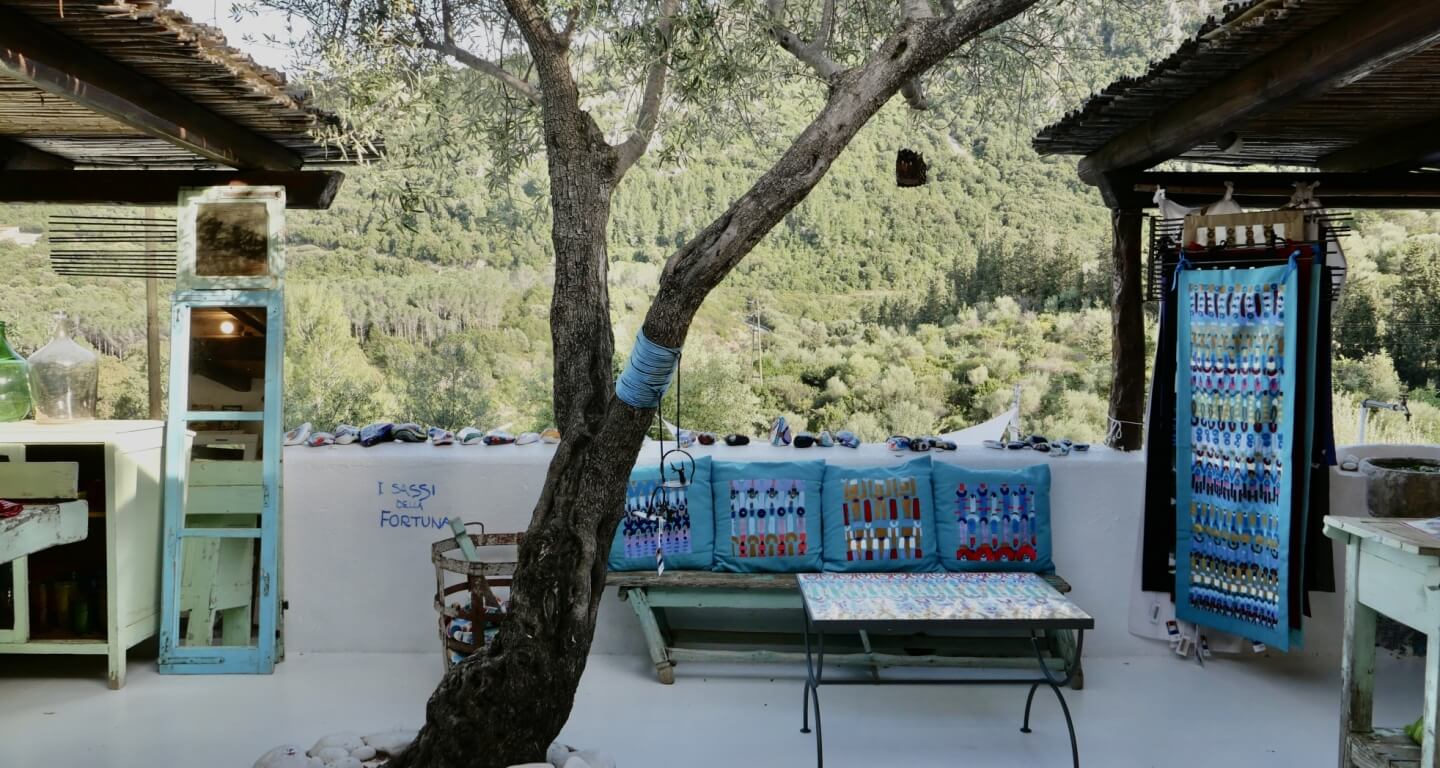
The rare hotel where the decoration has a workshop attached, and where you can watch it being made.
A fogu lentu
Everything here bends back towards the food. Sardinian cooking done a fogu lentu, over a slow fire, is taken as seriously now as it was in 1967. Pane carasau, the thin crackling bread that keeps for weeks, comes out of a wood-fired oven in a room built for it, the Nest of Bread, where the old baking is kept working rather than staged for guests. Around it come fresh pecorino, spit-roasted meats, handmade pasta and the island's stubborn reds. The long lunches are laid on terraces that fall away to olive groves and the far blue line of the hills.
This is regional food made by people raised on it, and it is the better for declining to modernise itself into something cleverer. You eat what the Barbagia eats, at a table that happens to hold a very good view. The pool, the gym with its Technogym kit and the wellbeing rooms are all here as well, though they read as the quiet supporting cast to the kitchen and the walls.
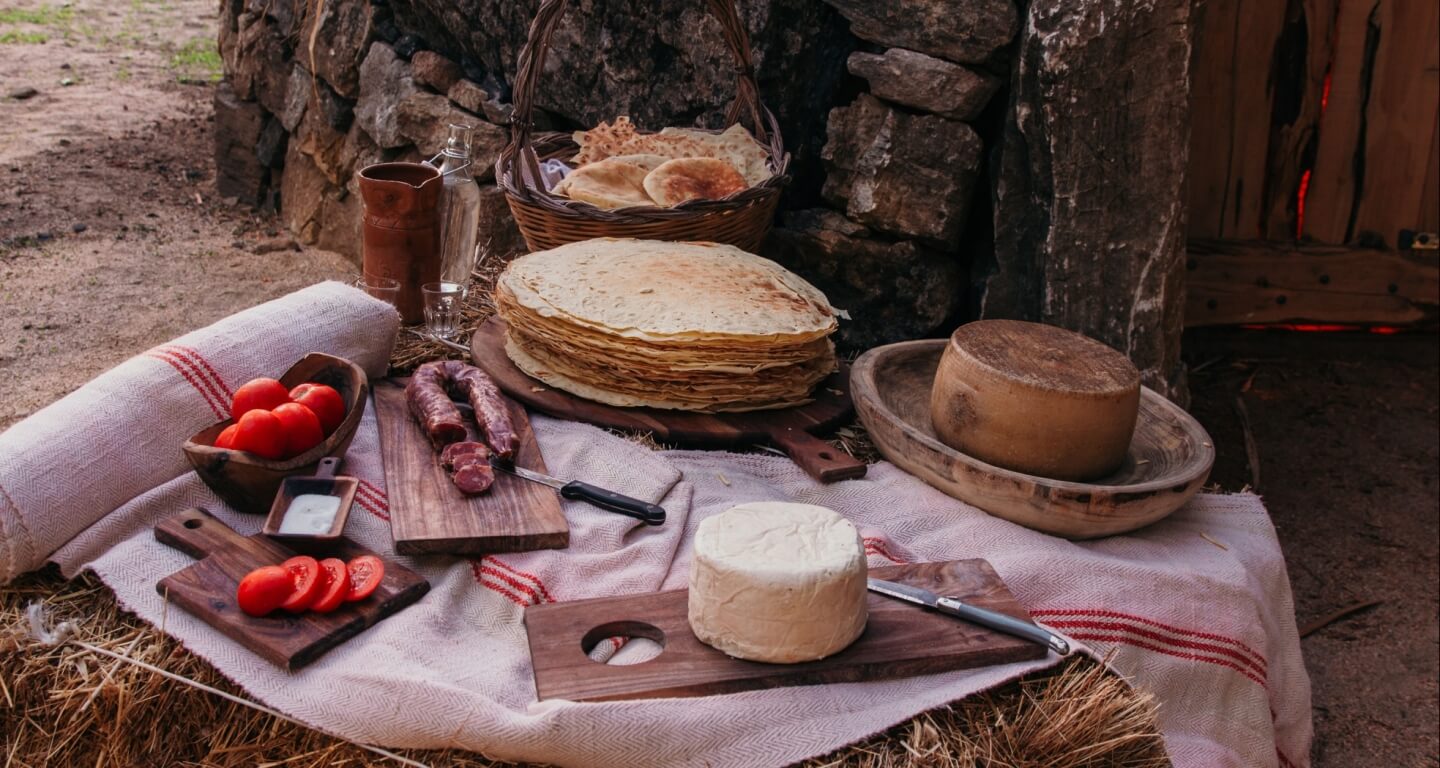
Half the design hotels in the Mediterranean borrow a sense of place and hang it on the wall. Su Gologone painted the wall itself, and it never stopped being a kitchen with rooms attached. We have not stayed yet, so this is a profile and not a verdict. Even so, few houses in the basin carry a culture this whole, and for anyone who wants the Sardinian interior in place of its beach clubs, it reads as close to essential.