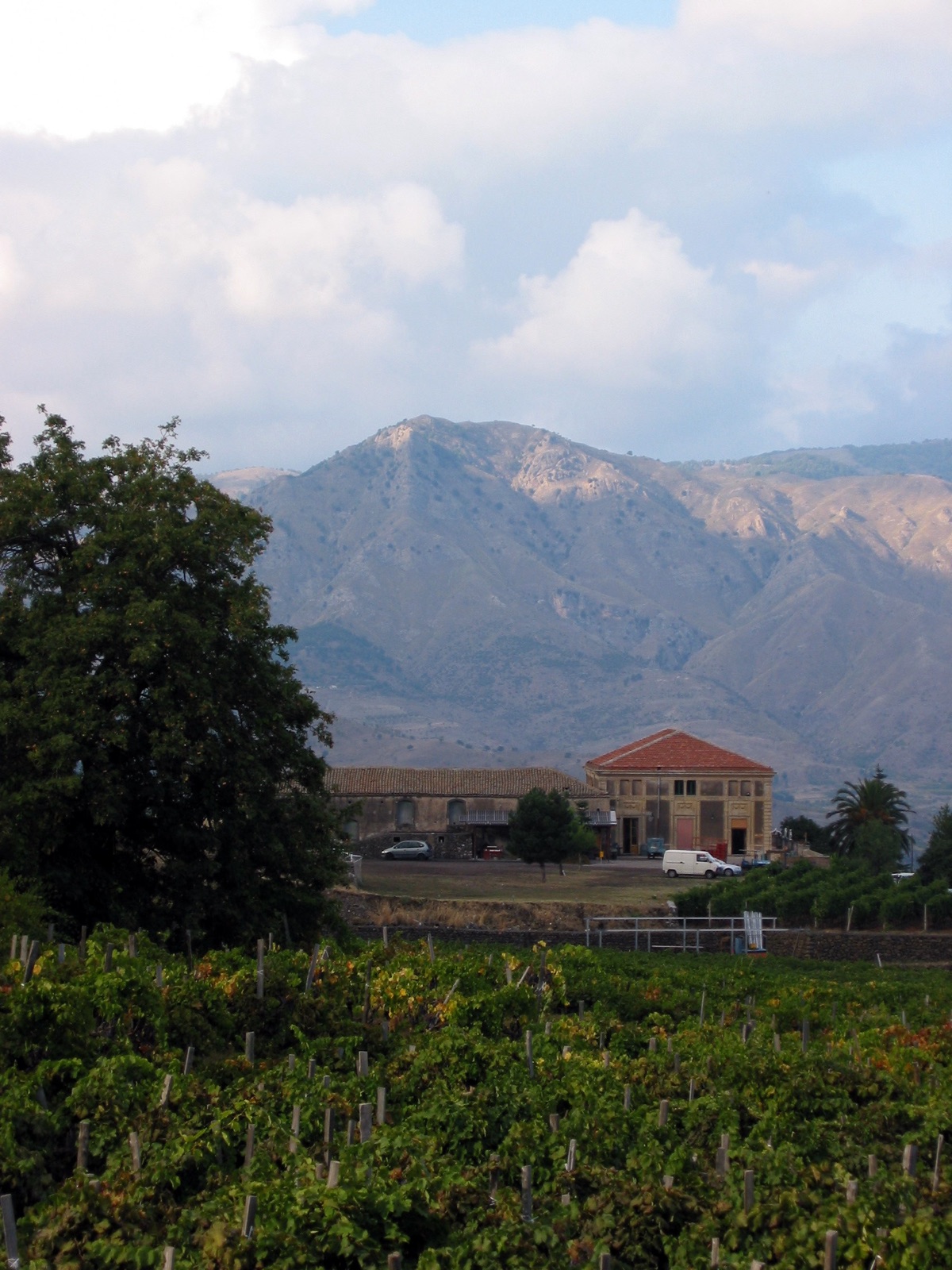
A house first, with a kitchen second
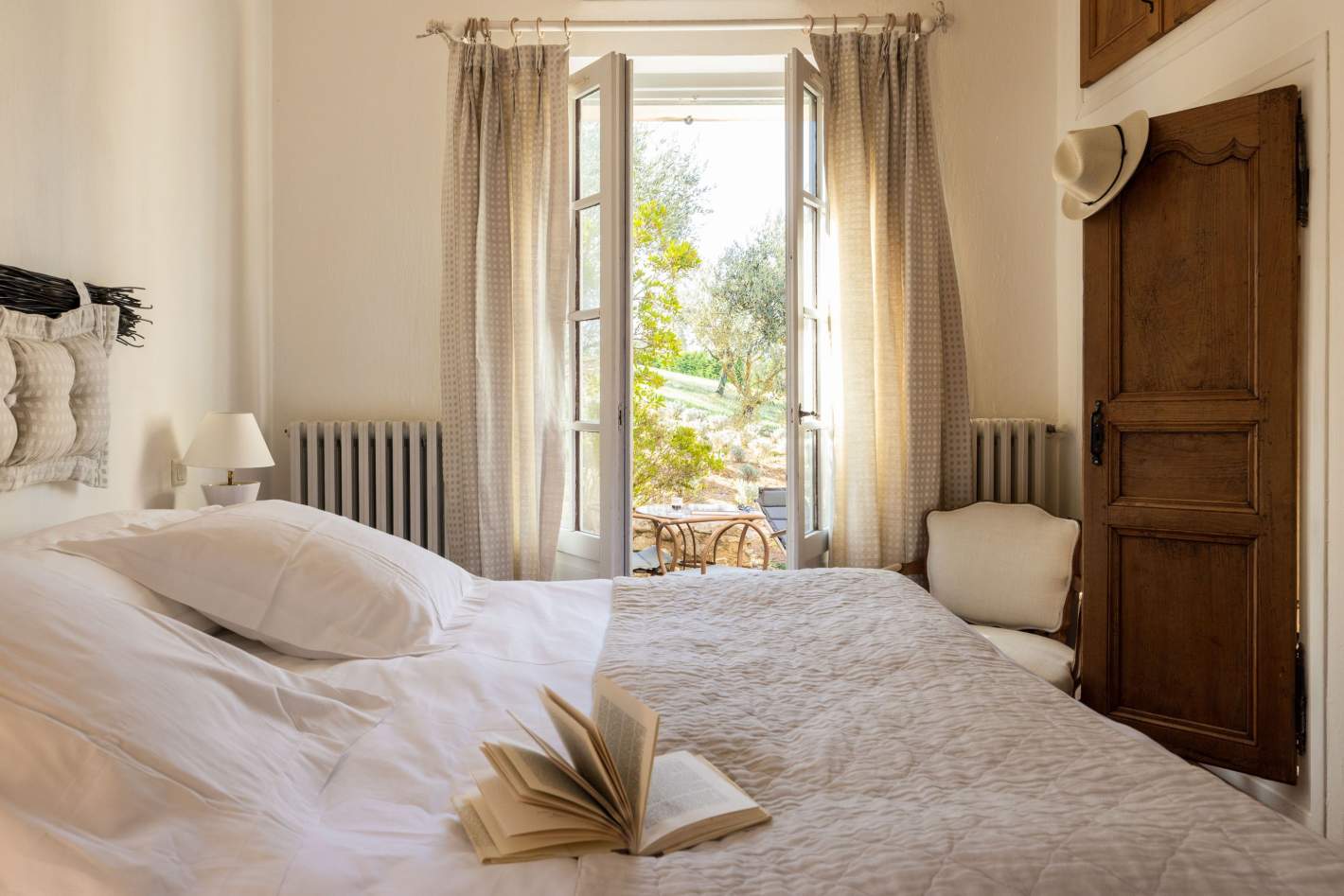
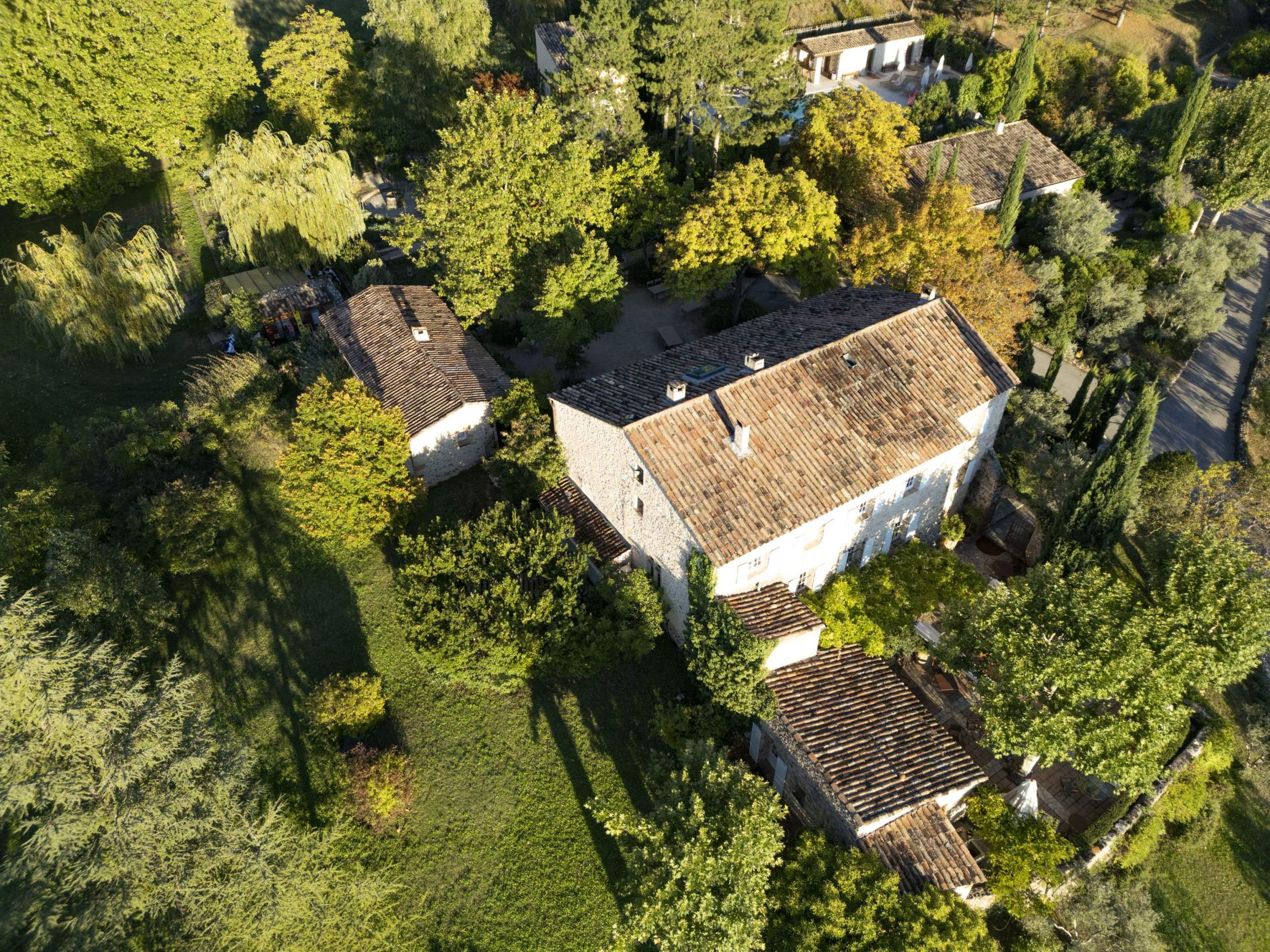
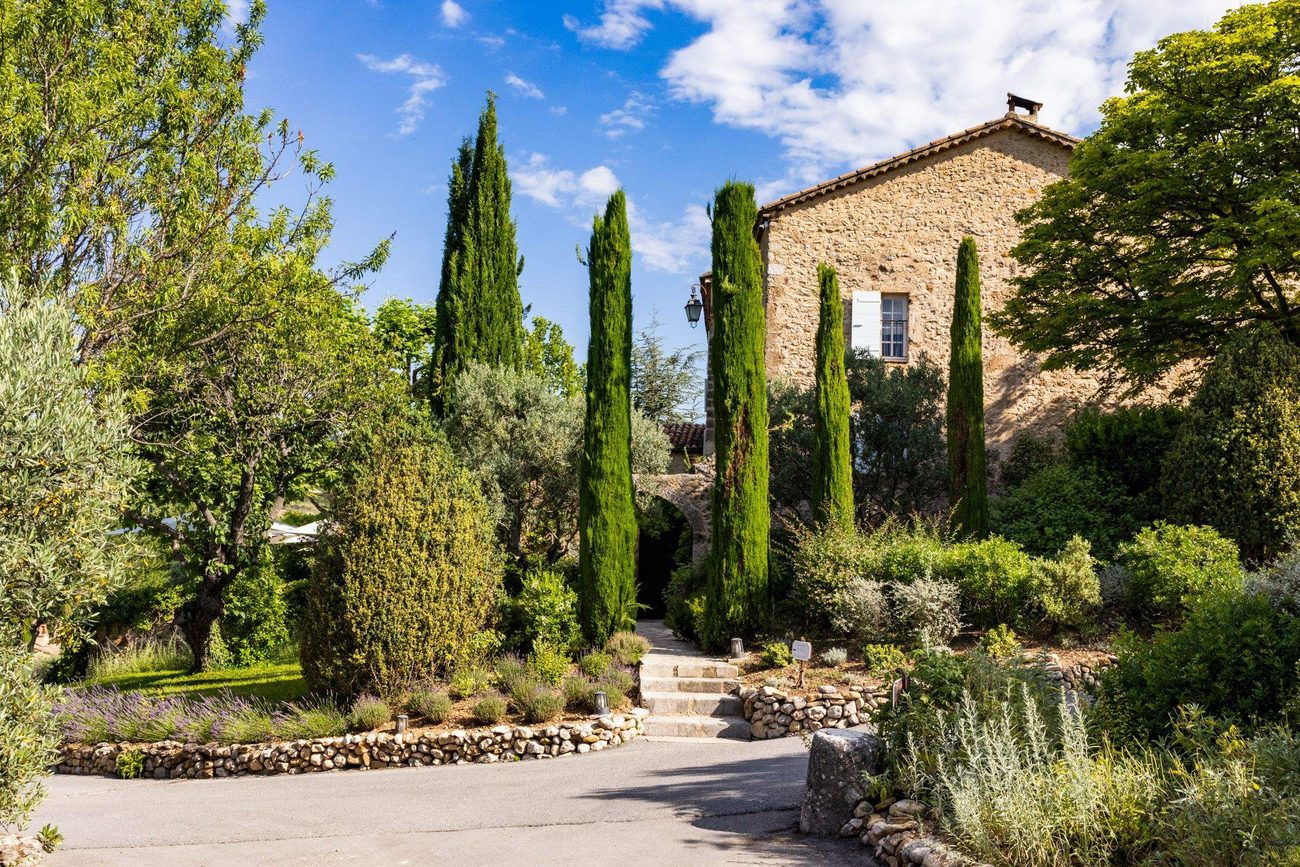
Ducasse bought the old bastide in 1994 from a local potter, wanting somewhere quiet of his own, and could not quite leave it at that. What came of it is an inn first and a Michelin kitchen second, which is the right order. The house stands a little apart from the village, on the Quinson road, inside four hectares of park planted with olives, cypress and old plane trees. Eleven rooms and two suites, no more. Each is named rather than numbered, and kept in the plain Provençal register of white linen, worn terracotta and shutters that do the work the air-conditioning would do elsewhere.
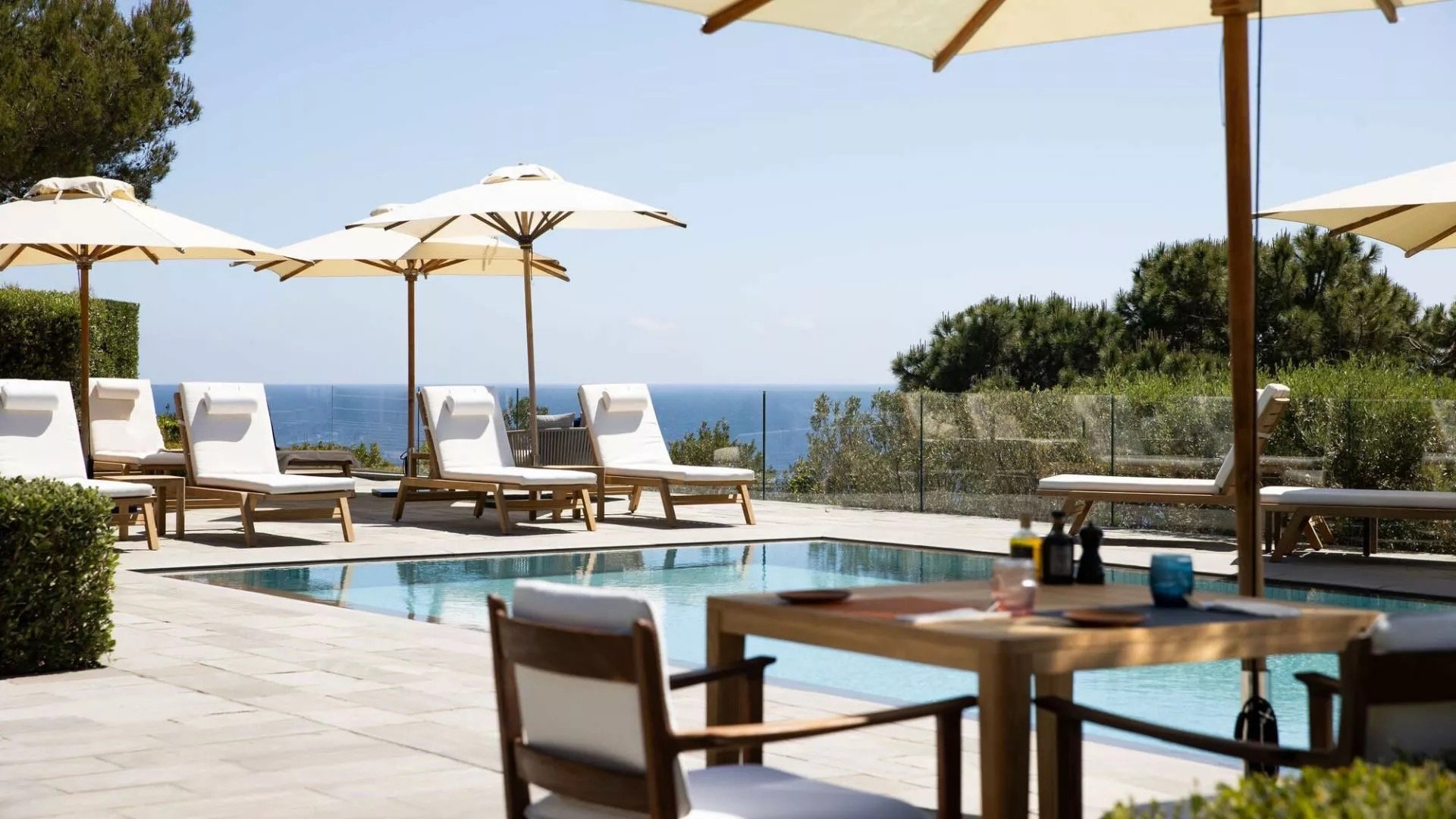
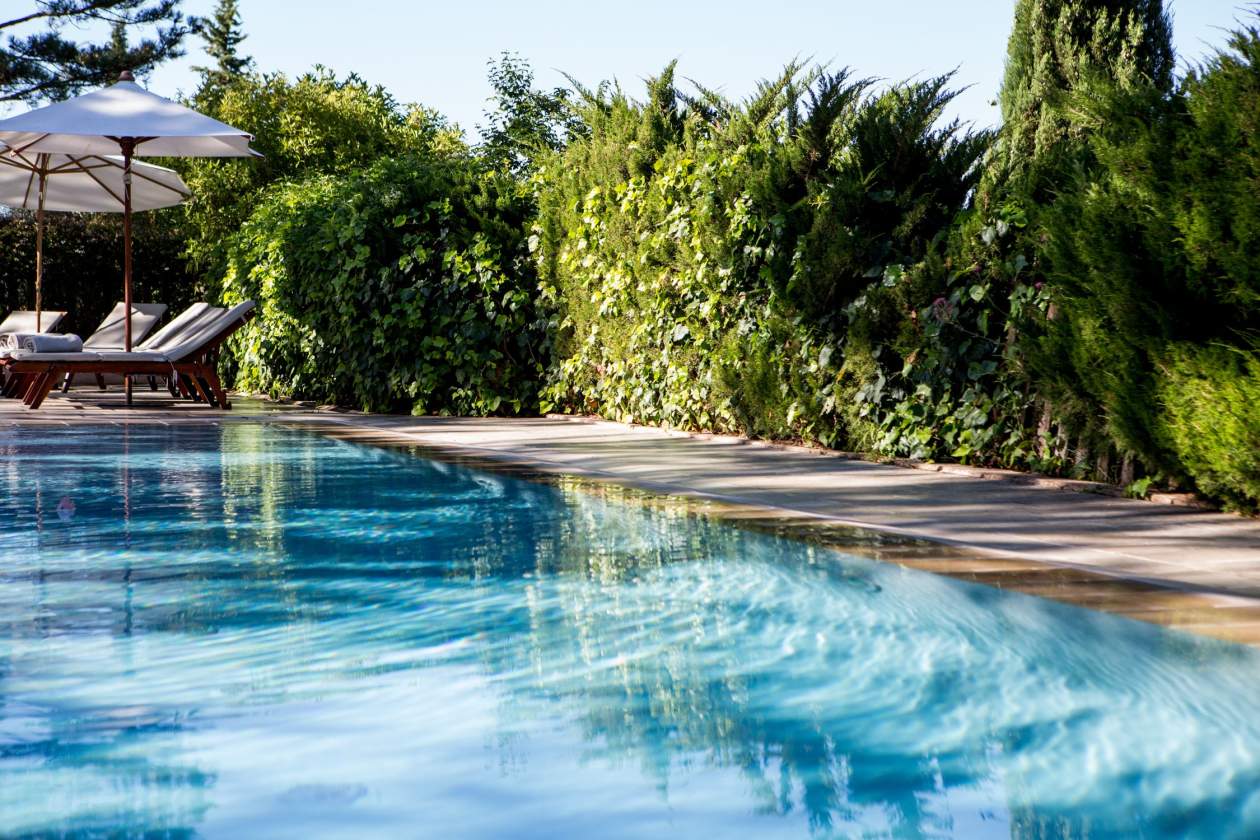
Nothing here strains for your attention. There is a heated pool below the terrace, a great deal of birdsong, and a slowness that arrives with the first morning and does not leave. The luxury, such as it is, lies in how little the place asks of you.
A house first, and a Michelin kitchen second, which is the right order.
Lunch under the planes, the garden on the plate
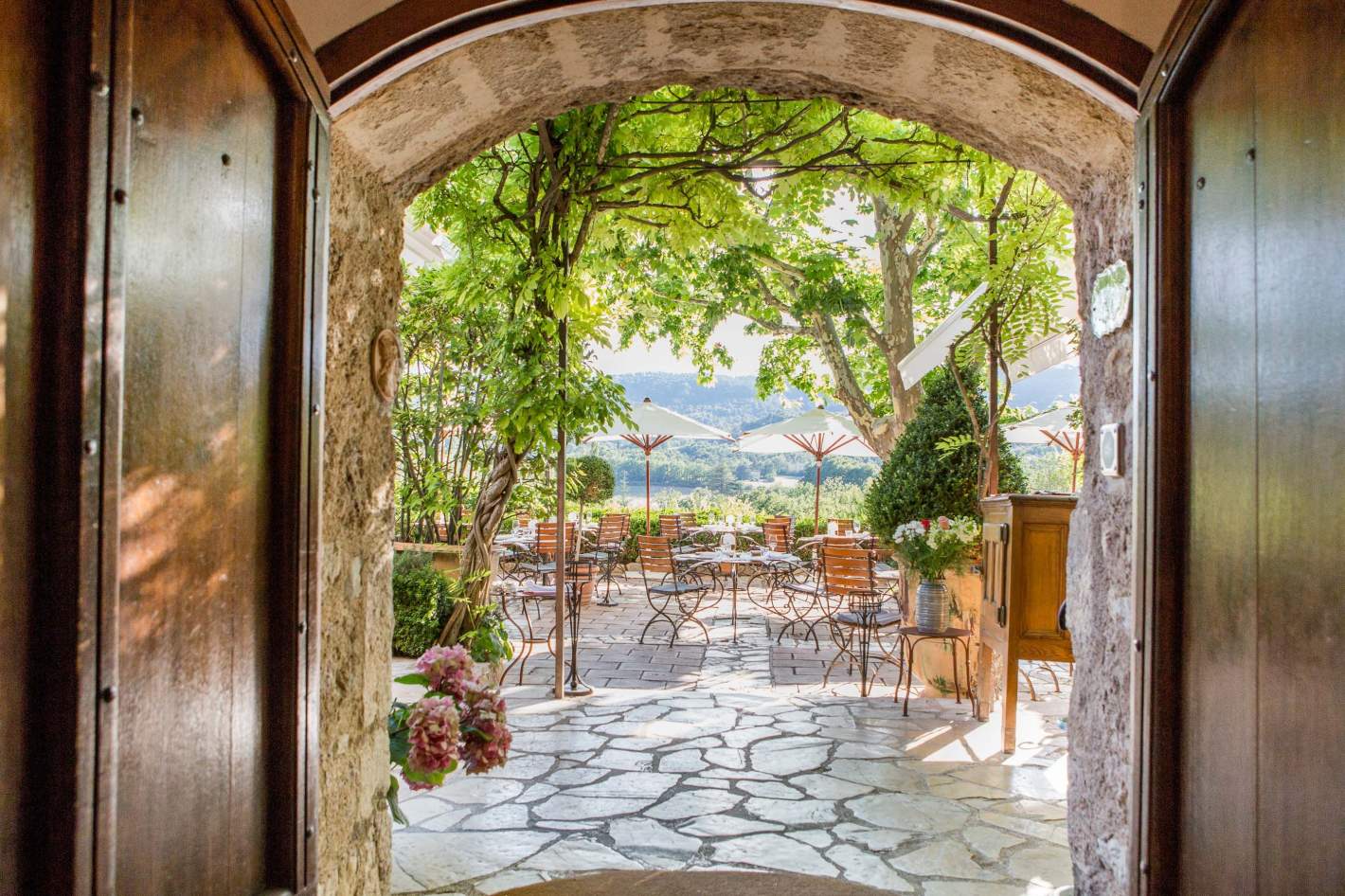
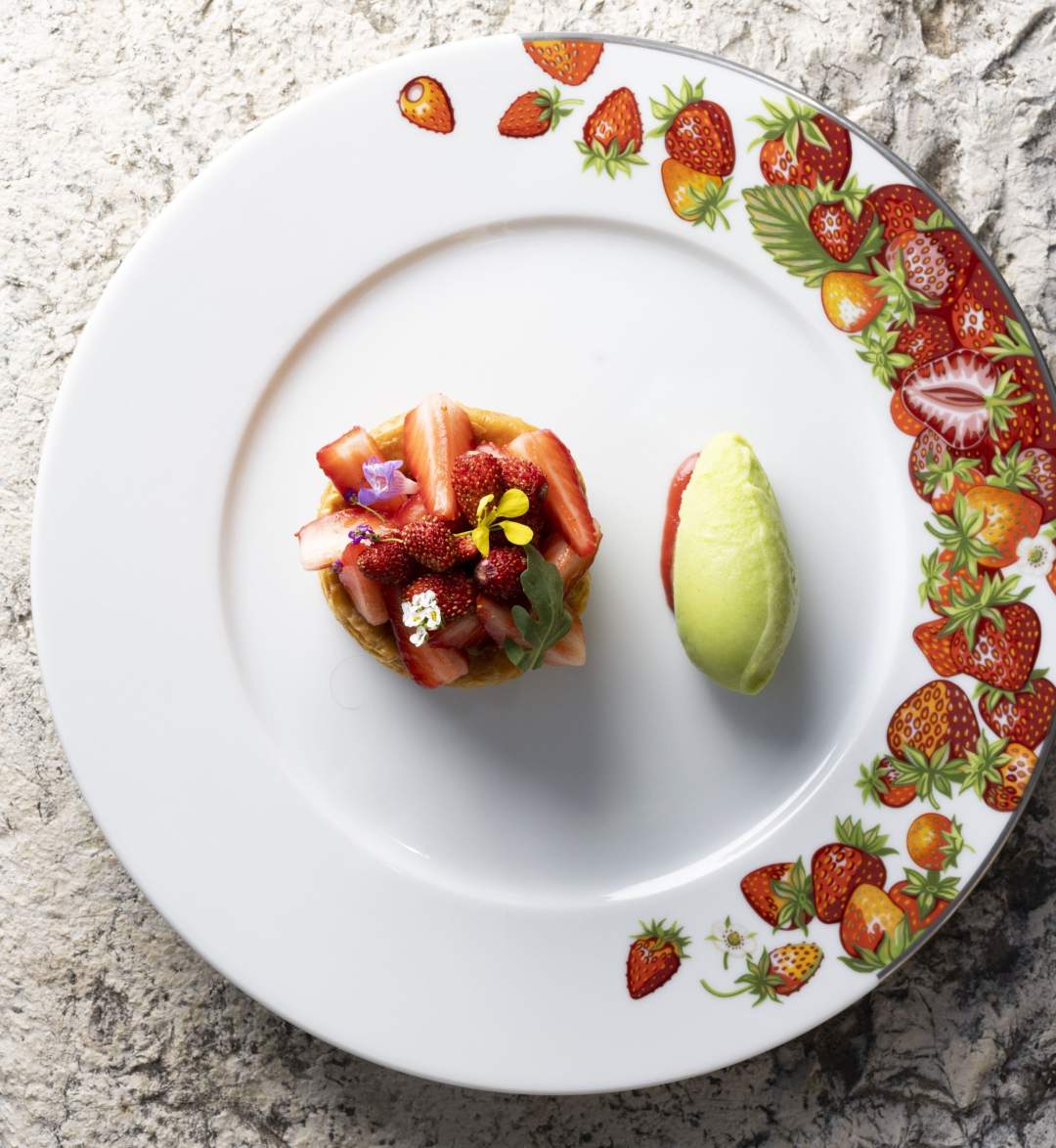
The kitchen is the reason most people book, and Valentin Fuchs cooks a short, seasonal menu that turns on whatever the potager and the growers around Moustiers can give him that week. The Michelin Guide has recognised both the cooking and the sourcing, with a star and a green star, the second for the way the house carries eco-responsibility through the whole operation rather than treating it as a line on the carte. Set menus run from about ninety-five euros to a hundred and twenty.
Lunch on the terrace, under the planes with the valley dropping away, is the version people remember. The food is not elaborate. It is precise and generous, rooted in one patch of ground, which is the harder thing to carry off. The restaurant keeps the Provençal season, roughly April to early November, and closes through the cold months when the garden has little to say.
The garden is on the plate, and the plate is the better for keeping its accent.
A faience town, a star on a chain, and the Verdon below
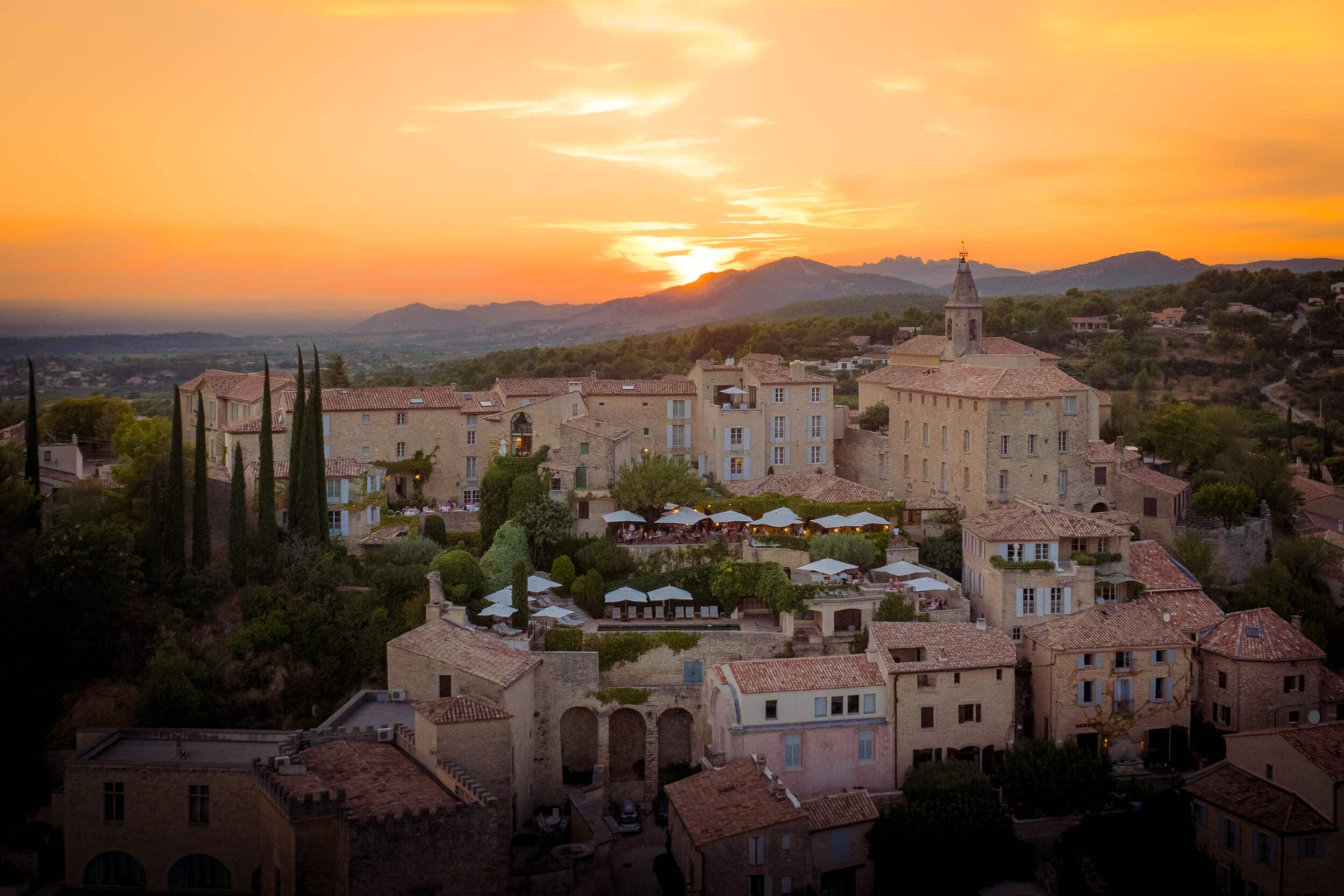
Moustiers-Sainte-Marie is one of the villages France keeps for its postcards, and earns it. A faience town, known for three centuries of tin-glazed pottery, built up a cleft in the rock with a gilt star slung on a chain between the two cliffs above the church. The legend has a crusader hanging it there on his safe return, and the village has renewed the star more than once since. You can spend a morning among the potters and the glaze without buying a thing, though you probably will.
Below, the Verdon cuts its green canyon through the limestone, and the hard blue of Lac de Sainte-Croix sits at its mouth, close enough for an afternoon on the water. We would take a room over the park, keep lunch long and outdoors, and let the house set the pace rather than the drive. Late spring and early autumn are the hours of this place, when the dining room moves out of doors and the valley holds its light.
Come for the garden and the long table; the gorge will keep.
Ducasse keeps grander addresses, and this is the one that reads like a home. It is small and personal, thirteen rooms in a working house rather than a resort, and it treats the garden, the long lunch and the slow afternoon as the point rather than the trimmings. The kitchen earns its star without raising its voice, and the village and the gorge do the rest. We would come in the shoulder season, book over the park and let the days go unplanned. That is why it is in VANE.