A house they would not let go
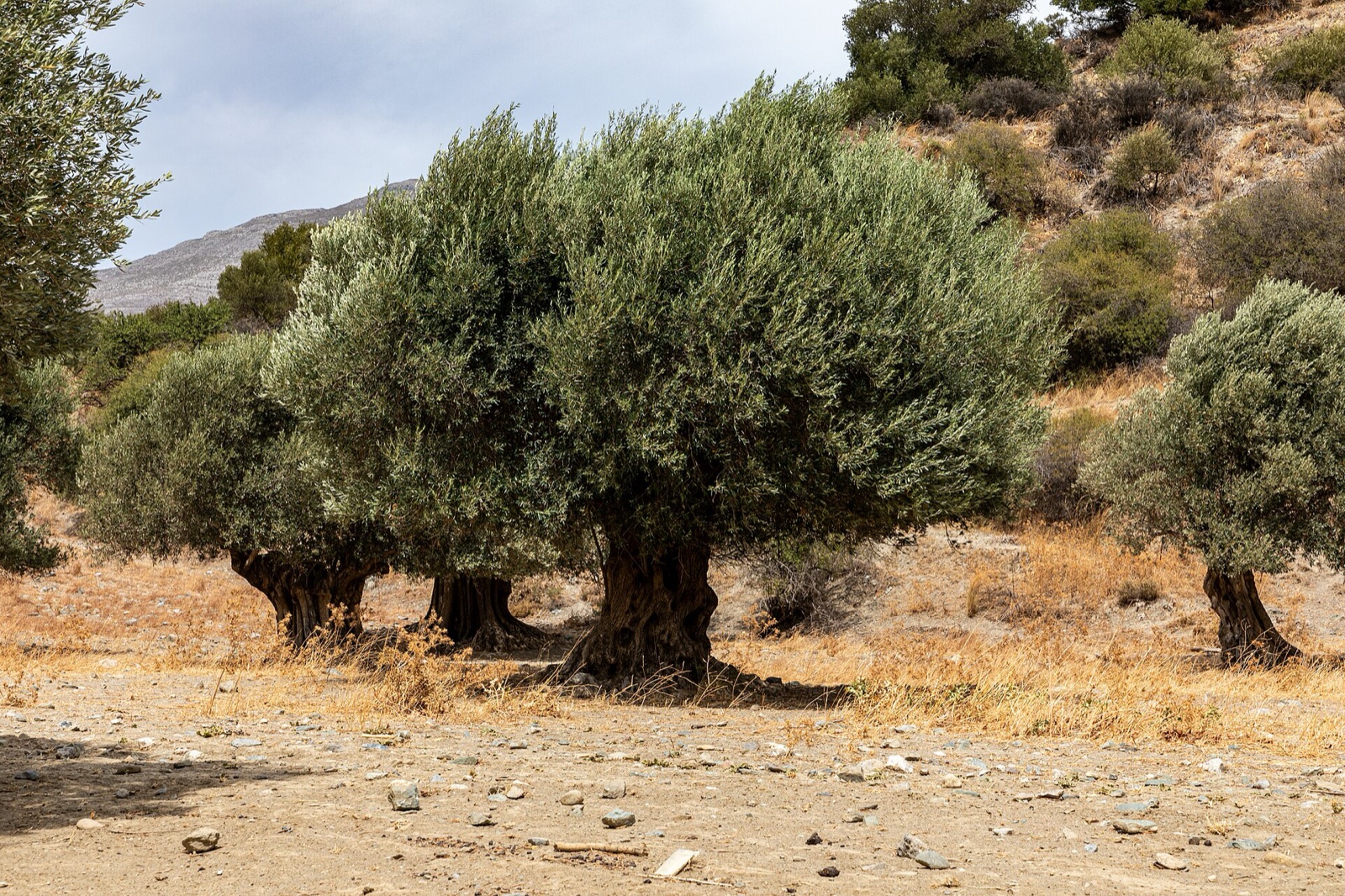
The land has been in the Reid family for roughly a hundred and fifty years, and until the 1960s it did what it was built to do: grow olives. Then the work moved on, the buildings emptied, and the place slid into the slow ruin that catches most old farms sooner or later. In 1989 the family decided against selling. What followed was a ten-year restoration, unhurried and done room by room, that turned a failing cortijo back into somewhere to live.
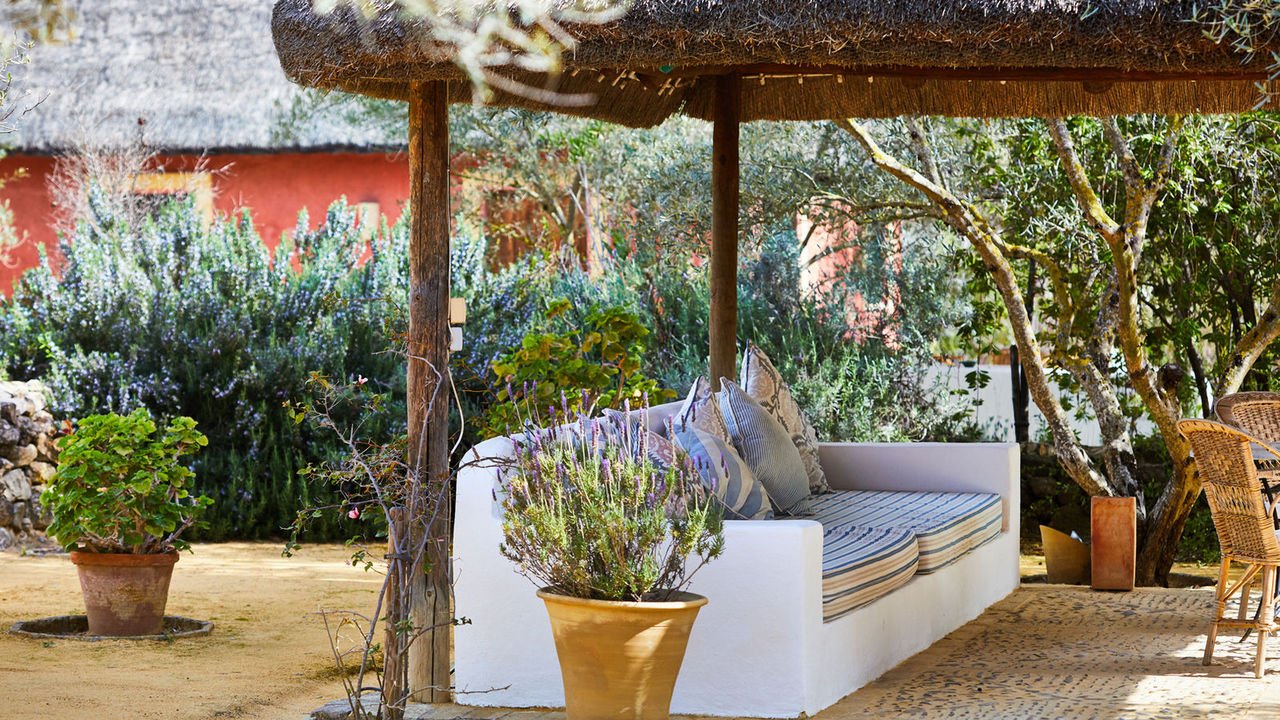
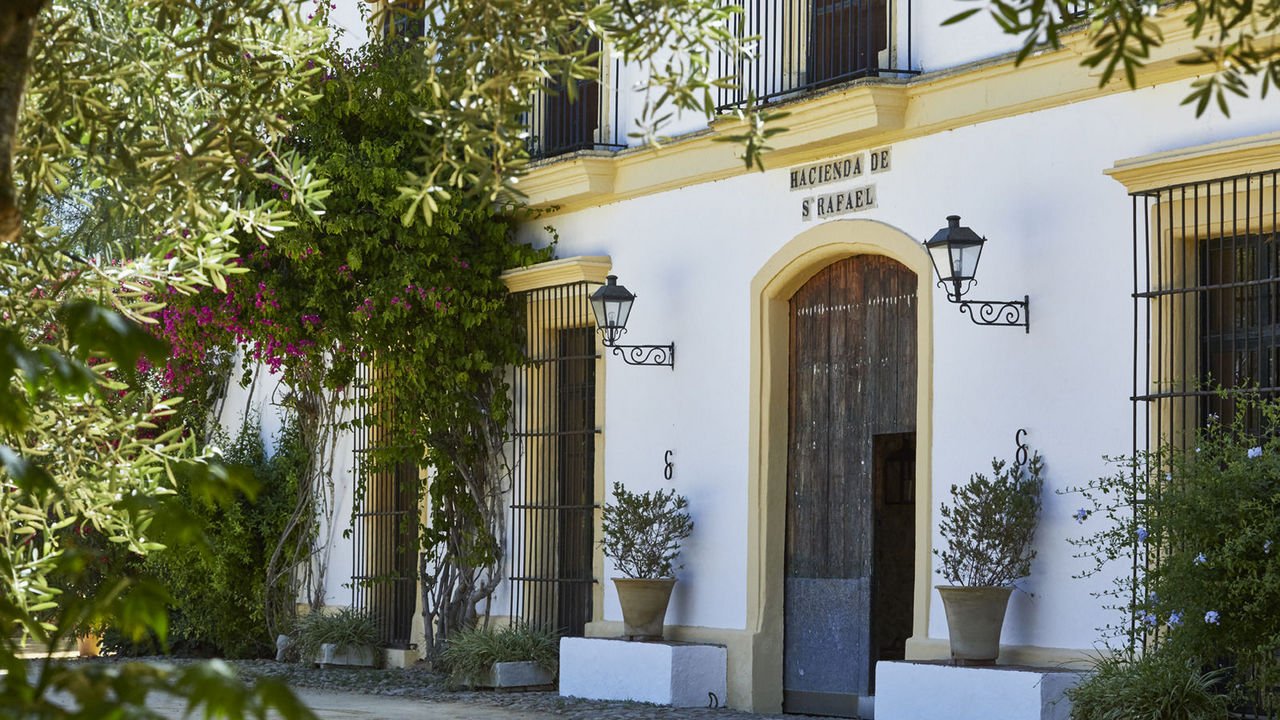
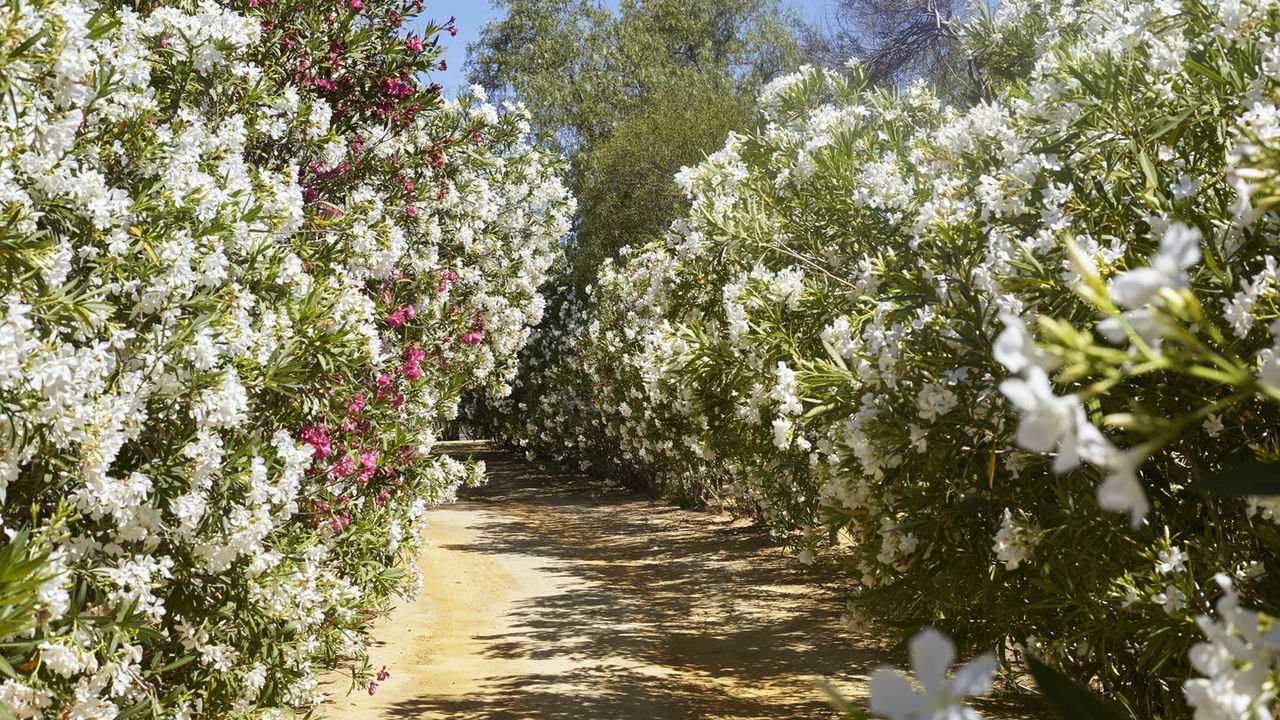
You reach it now down a farm track walled with oleander, white and pink, that runs on far longer than you expect. At the end sits a low hacienda under its ochre trim, courtyards heavy with bougainvillea and geranium, a scatter of thatched chozas throwing shade across the cobbles. It is small by design and closer to a private house than a hotel, which is the whole point. The estate still counts as a working farm, and the youngest generation runs it, so the hospitality sits inside something older and plainer than itself.
Rooms that behave like a private house
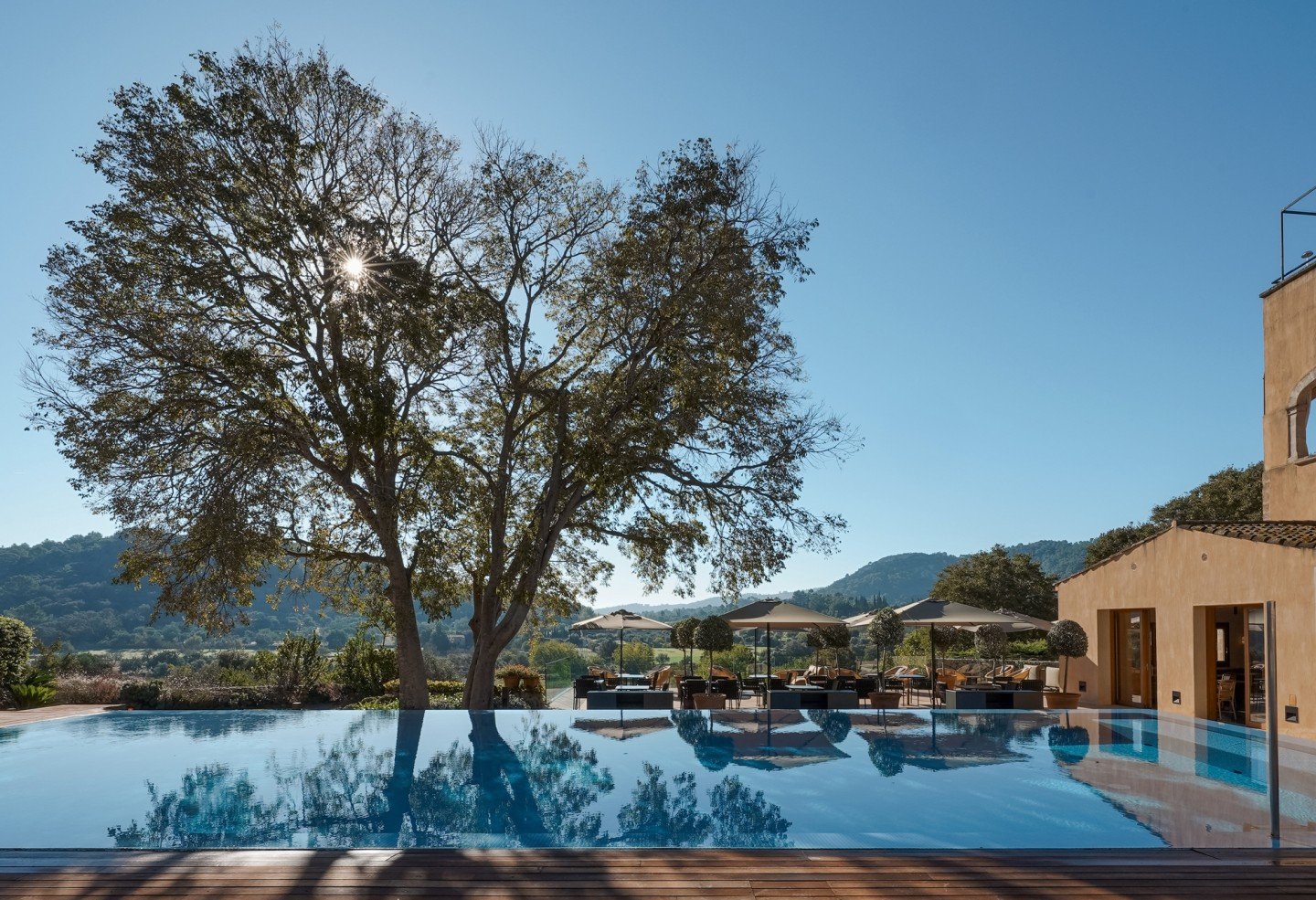
There are not many. A set of deluxe rooms gathers around the main courtyard, and out in the garden stand the thatched casitas, larger and more private, some sharing an infinity pool. The casita and pool suites are villas in all but name, each with its own water, each a self-contained thing you could disappear into for a week. Antiques sit beside modern art without much fuss about it, and the reed-and-beam ceilings and muslin over the beds keep the register rural rather than grand.
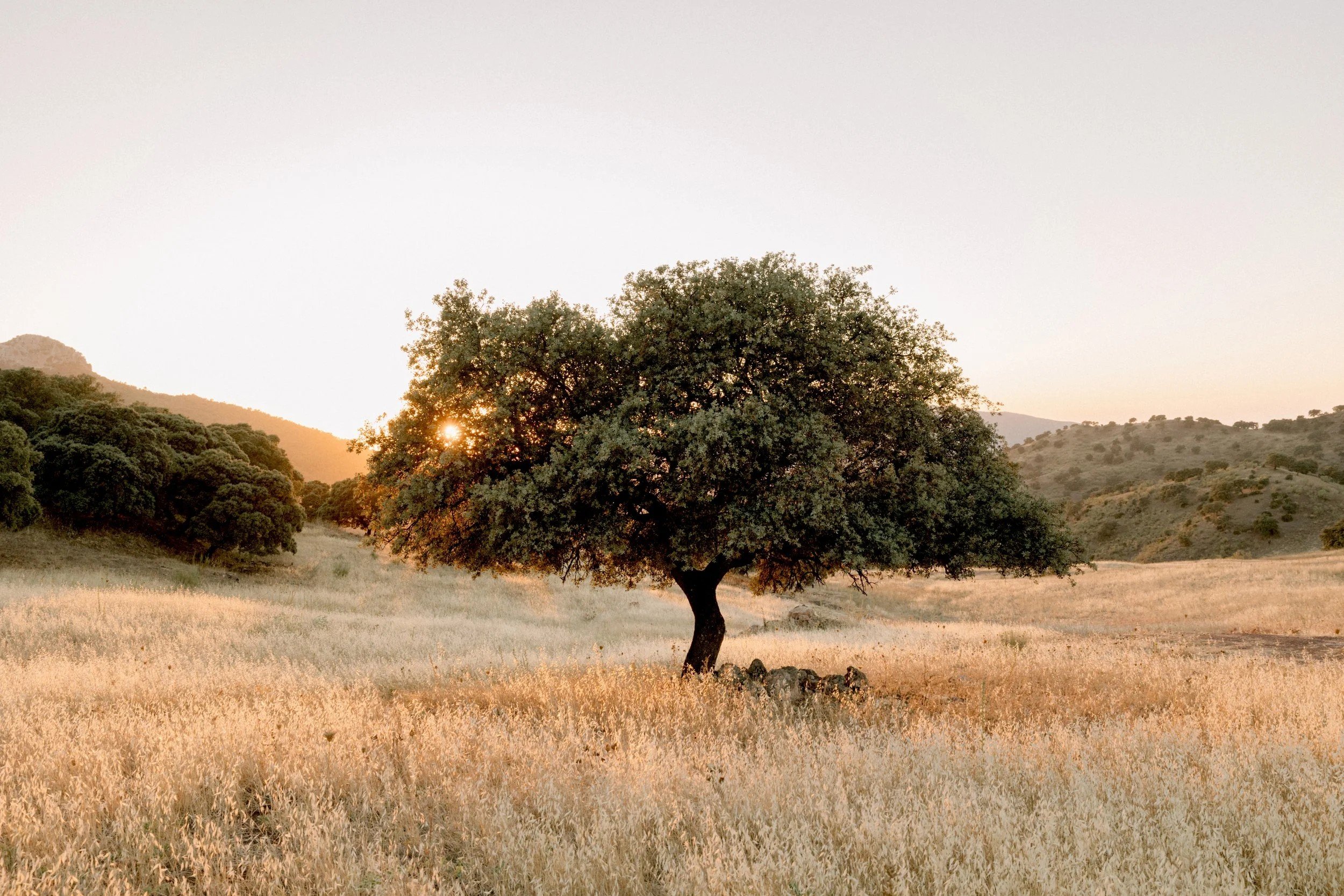
Nobody is counting the guests into the dozens, and that restraint is the luxury on offer here. Three pools serve a house this size, so the water is rarely shared with strangers. Days are left deliberately empty. You take breakfast on the verandah, read through the worst of the heat, and wait for the light to go long over the wheat and the olive rows.
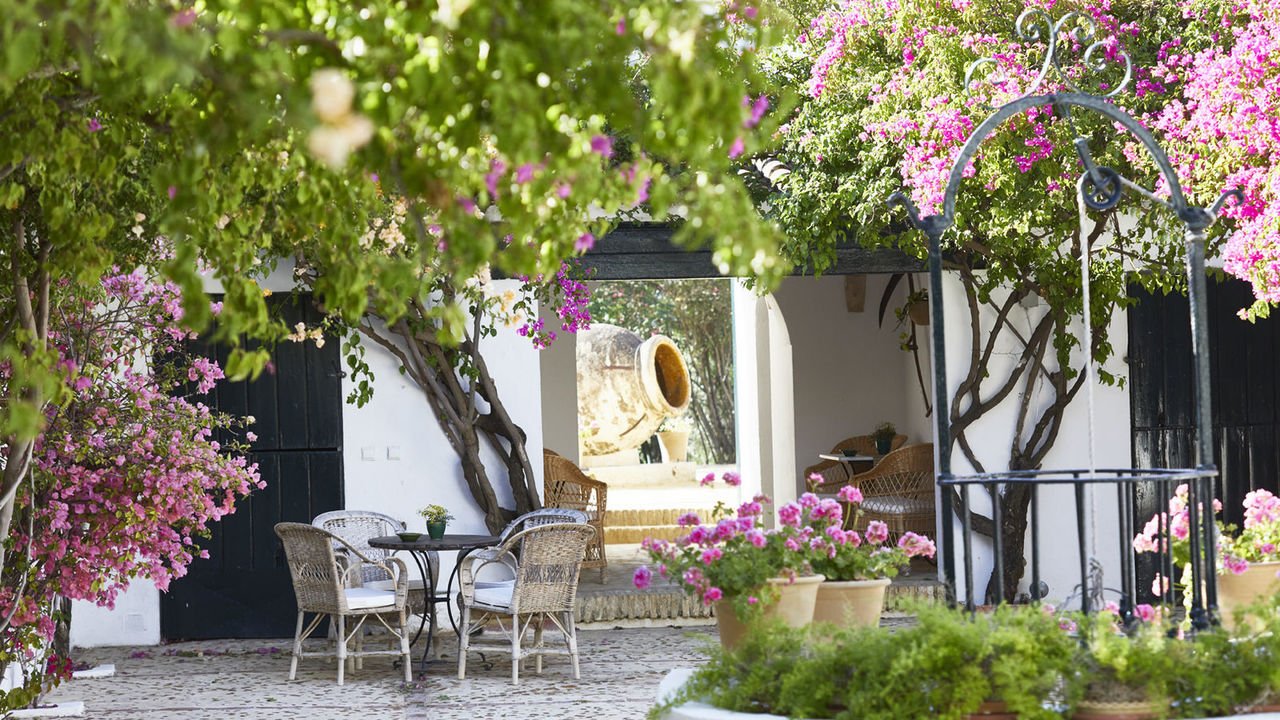
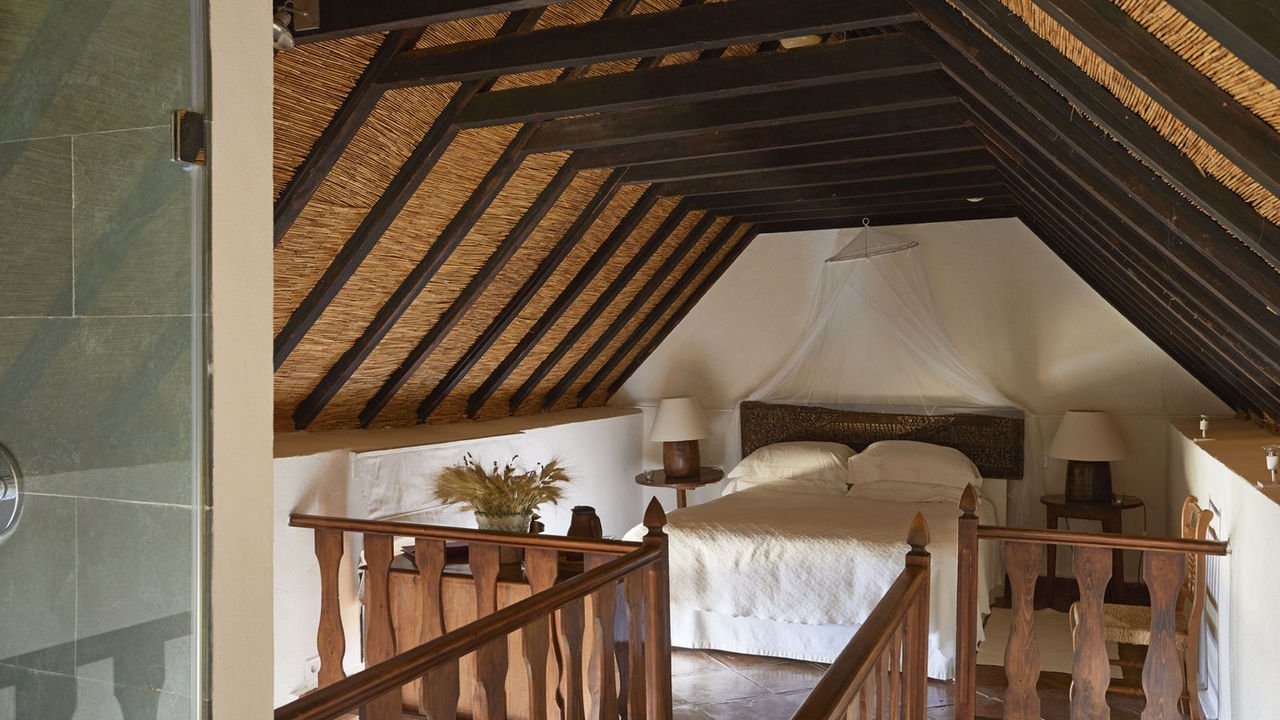
The luxury on offer is restraint, held onto with some discipline.
One dinner, taken together
Dinner is the gathering, and it is a set meal rather than a menu to argue over. A short, seasonal, three-course dinner comes to the courtyard or the garden by candlelight, built on good oil, the vegetables in season near Seville, and cooking that stays honest instead of clever. You eat what the kitchen has decided is right that evening, which sounds like a constraint and turns out to be a relief.
Breakfast is quieter and lighter, taken on the verandah or out by the pool, without ceremony. This is not a place that treats the table as theatre. The setting does the heavy lifting, the food keeps its own counsel, and the two arrive at something that reads, on the record, as generous.
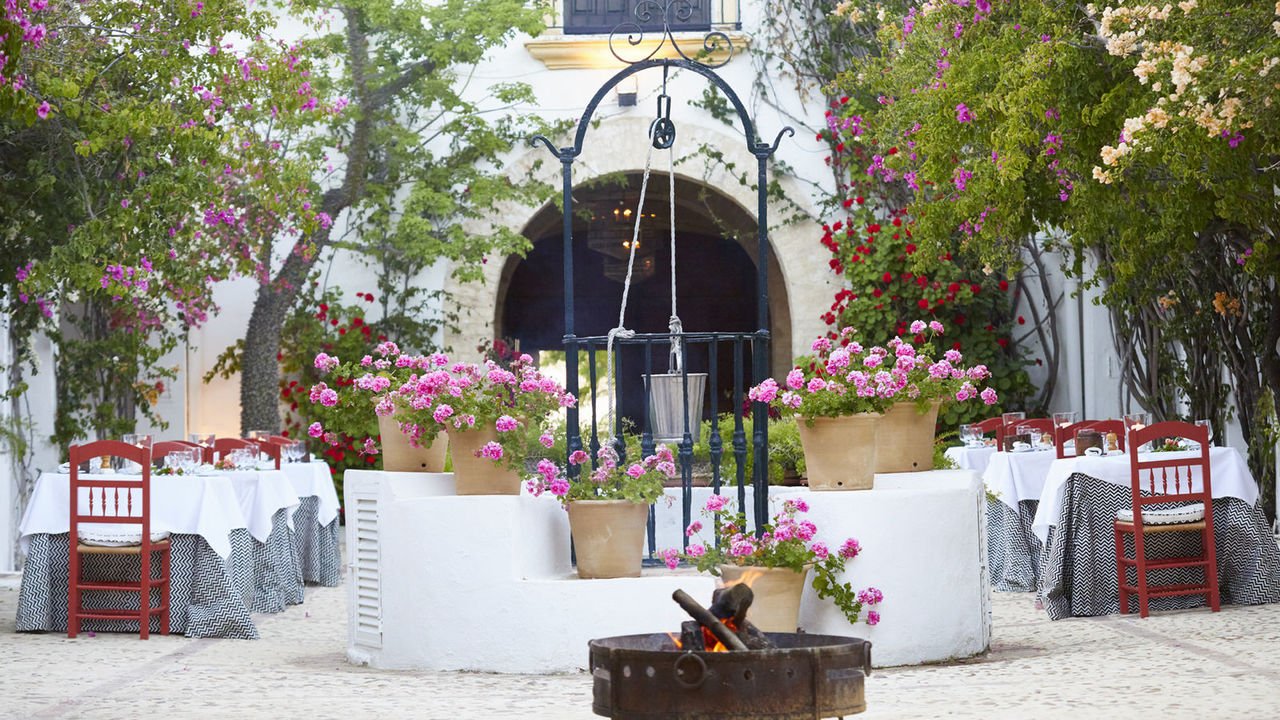
San Rafael has one clear idea and keeps it: quiet, deep in farm country, small enough to feel borrowed rather than booked. Seville and Jerez are close, the sherry bodegas and the white villages of Cadiz too, but the estate is built to hold you in. We have not yet stayed, so this stands as a researched profile rather than a first-hand verdict. On the evidence it reads as one of the gentler rooms in the Andalusian interior, and we would be glad to test that in person.
VANE note. This is a researched profile, not yet a first-hand VANE verdict. A full review carries a stay date, an independence disclosure and the writer's own account. Photos: Hacienda de San Rafael (official), with credit.