A farm built to earn its keep
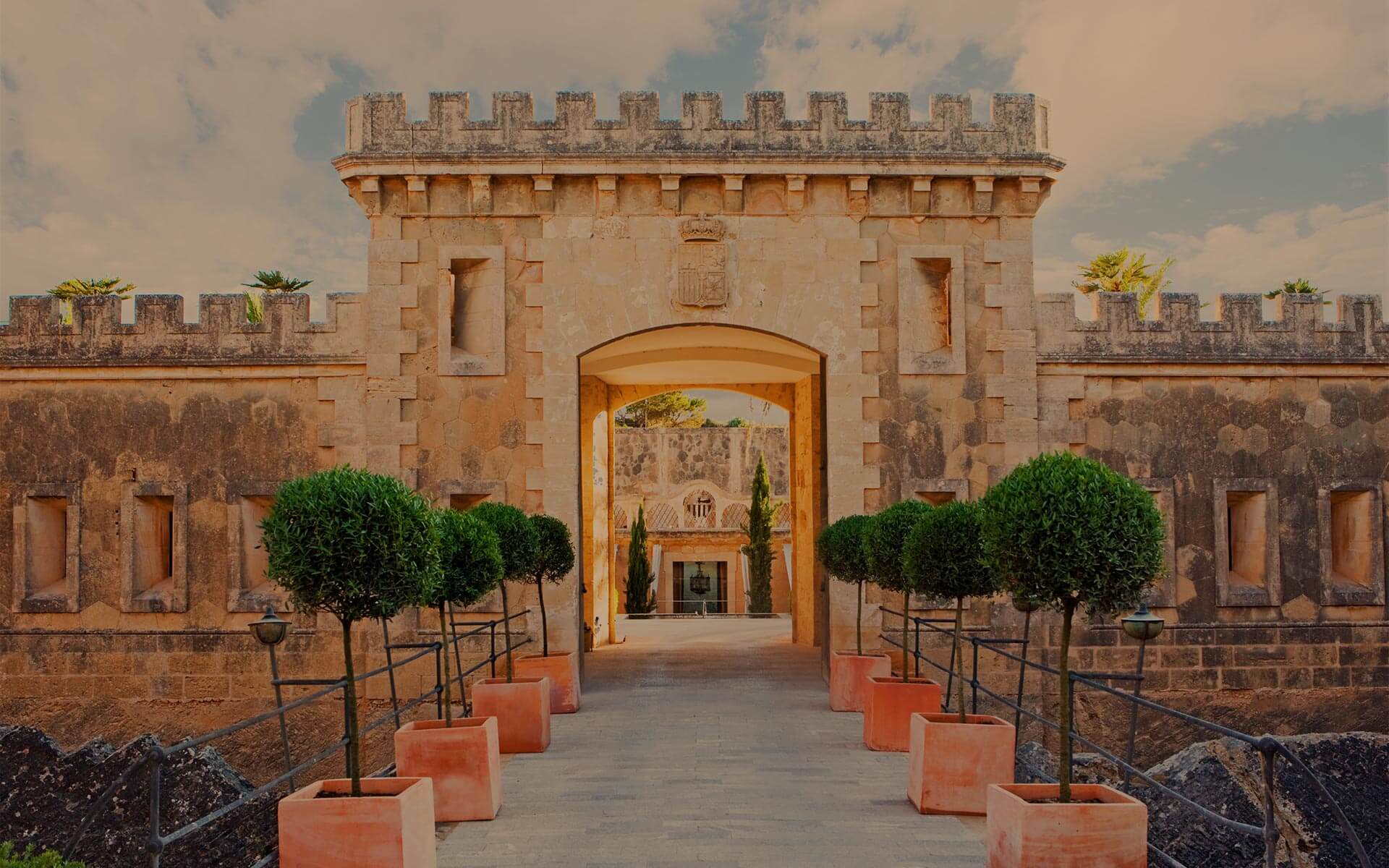
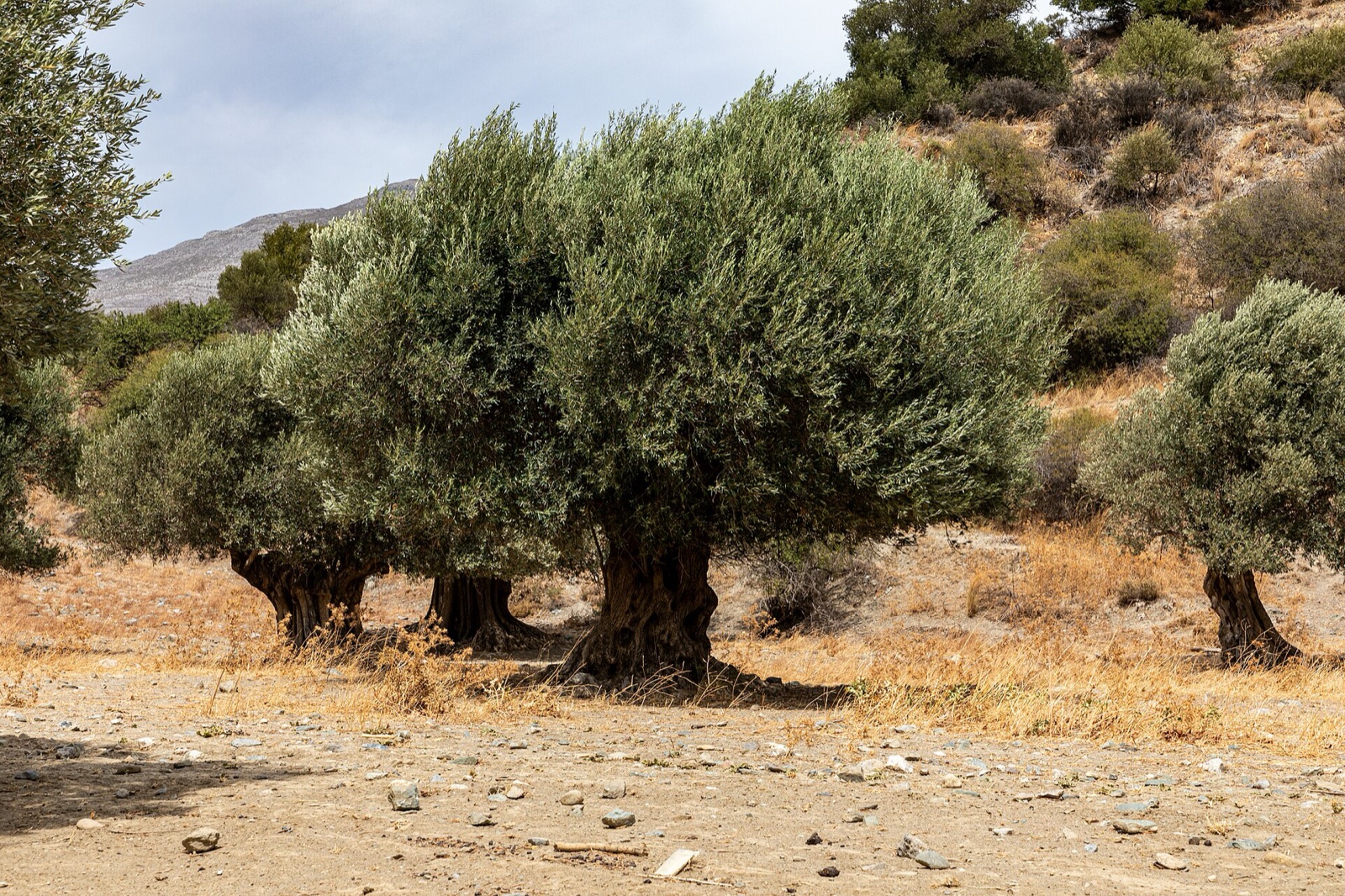
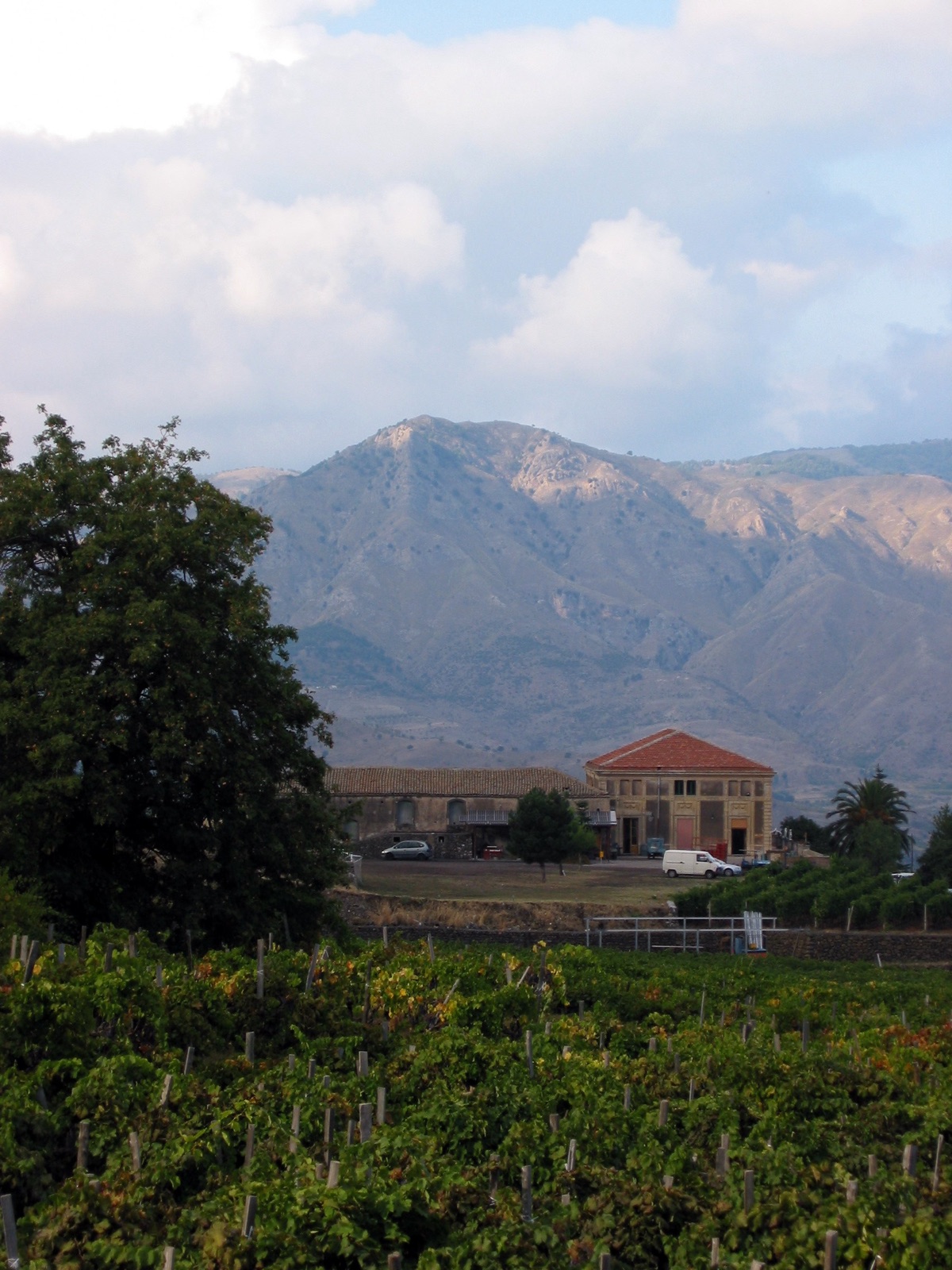
The Serra de Tramuntana rises behind the house and the sea lies six kilometres the other way, and in the space between there are thirty-two hectares of vineyard, orchard and old olive that still belong to the place and still do their work. The Jesuits built it as a possessió, a Mallorcan working estate, and the Baroque portal set into the front is about the only flourish they permitted themselves. Everything behind it was raised to earn its keep.
When the owners took the farm on and opened it as a hotel at the turn of this century, they resisted the usual temptation. No pastel render, no wrought-iron whimsy. They cleaned the ochre stone, kept the proportions the monks had set, and let the building stay the severe, handsome thing it had always been. Restraint, then, before anything else. It is the first thing the place says to you at the gate, and it holds the line right through.
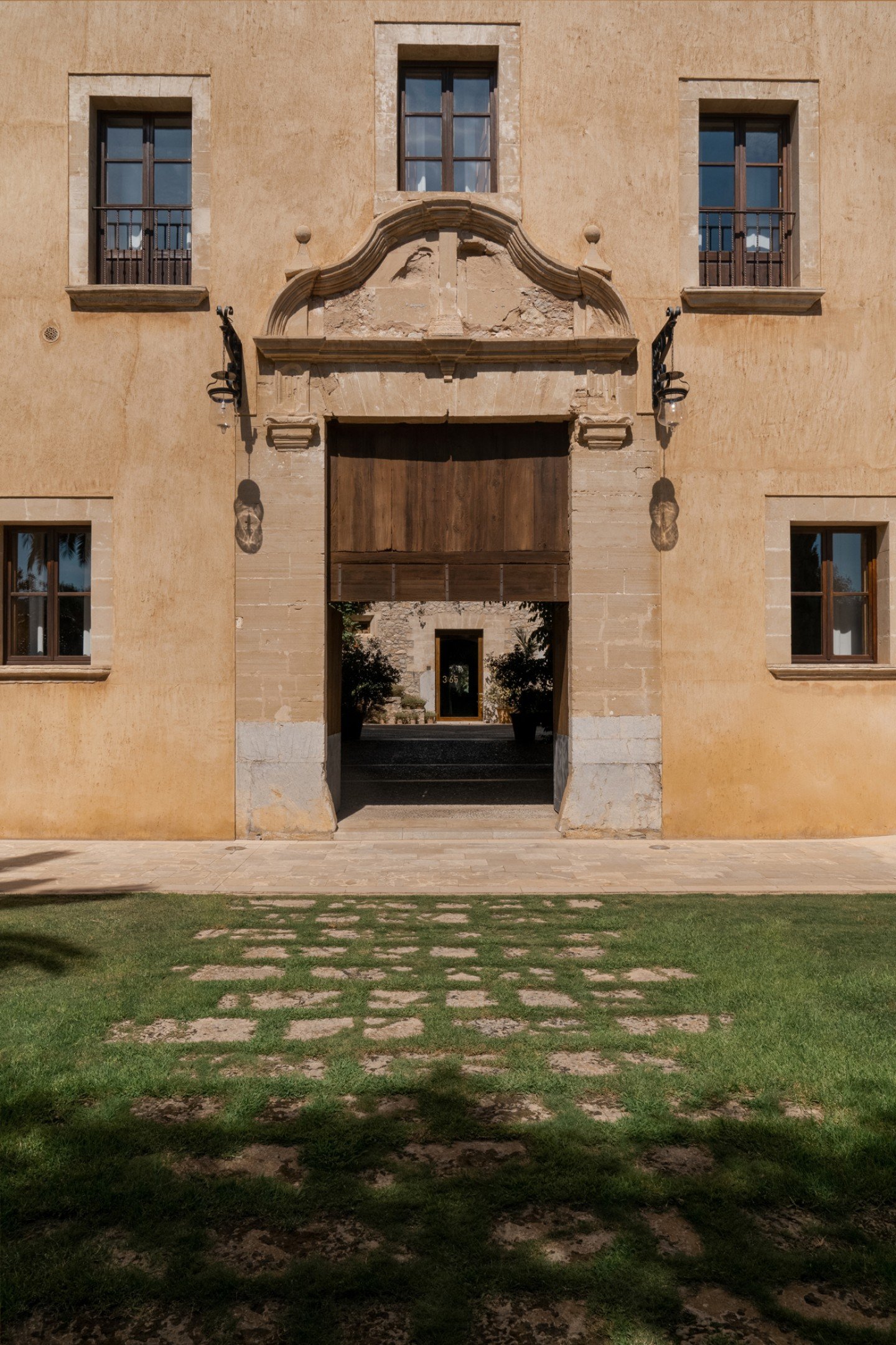
A farm built to earn its keep, and left that way.
Cool, pale and close to monastic
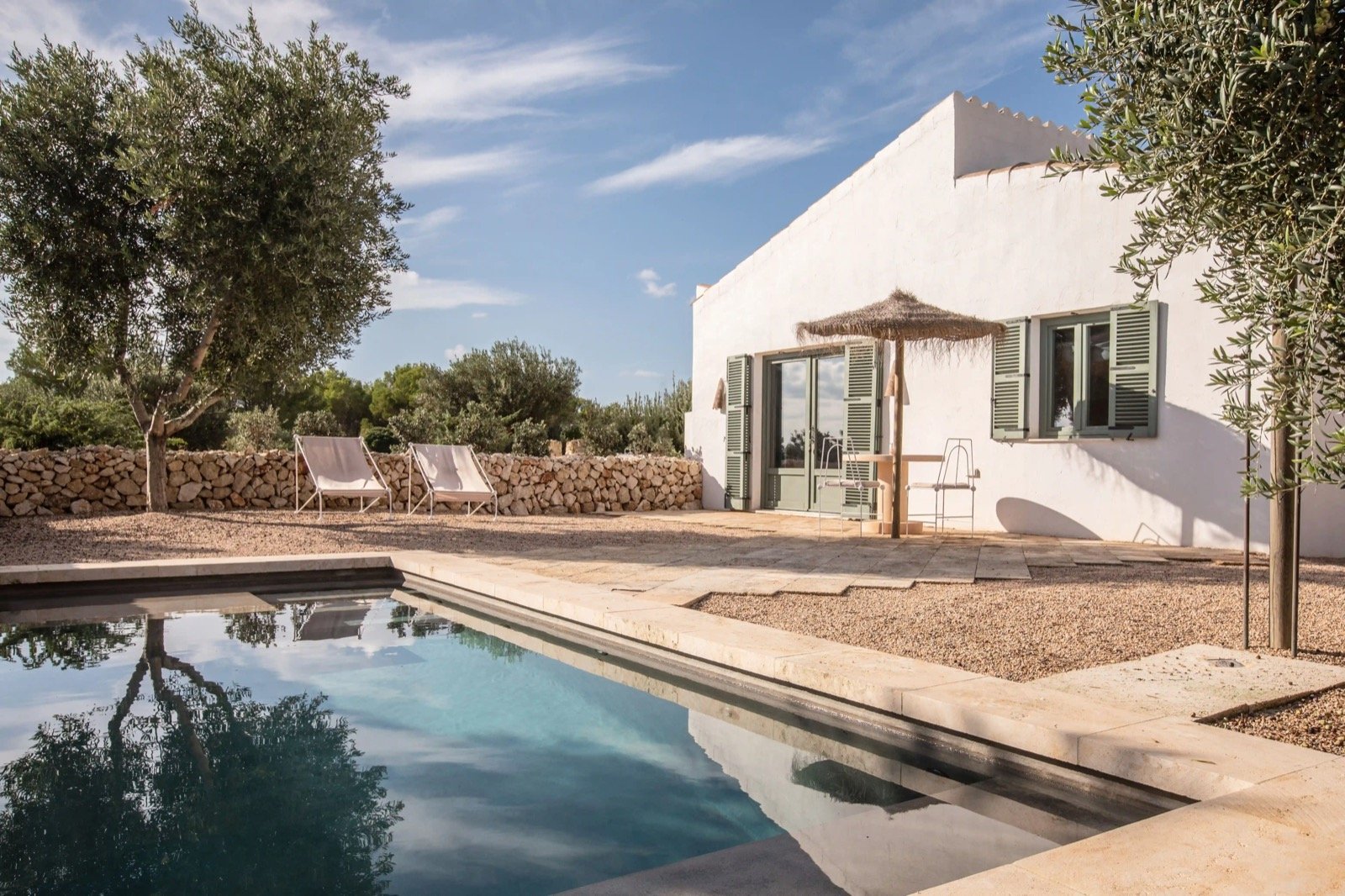
Inside, the temperature drops and the palette goes quiet. Walls the colour of paper, dark wood, poured floors worn smooth, and a scatter of contemporary art that is the one concession to the century we are actually in. The rooms run through a long ladder of categories, from the plain Superiors up to the villa suites out in the grounds, but the grammar does not change between them. A bed under a beam, good linen, a window that frames either the mountains or the vines, and otherwise very little. It is a pared-back sort of luxury, one that trusts the guest to fill the silence rather than filling it for them.
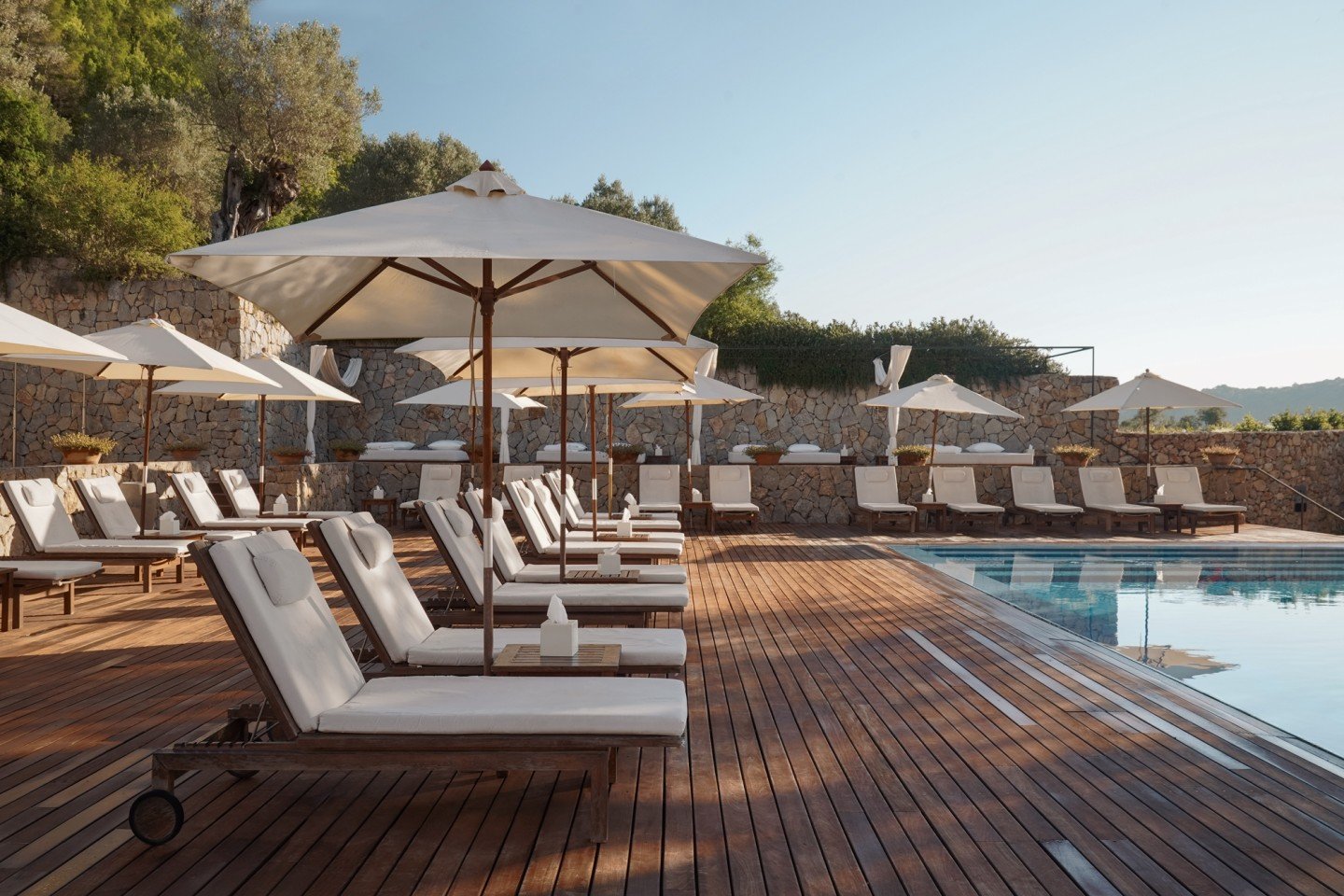
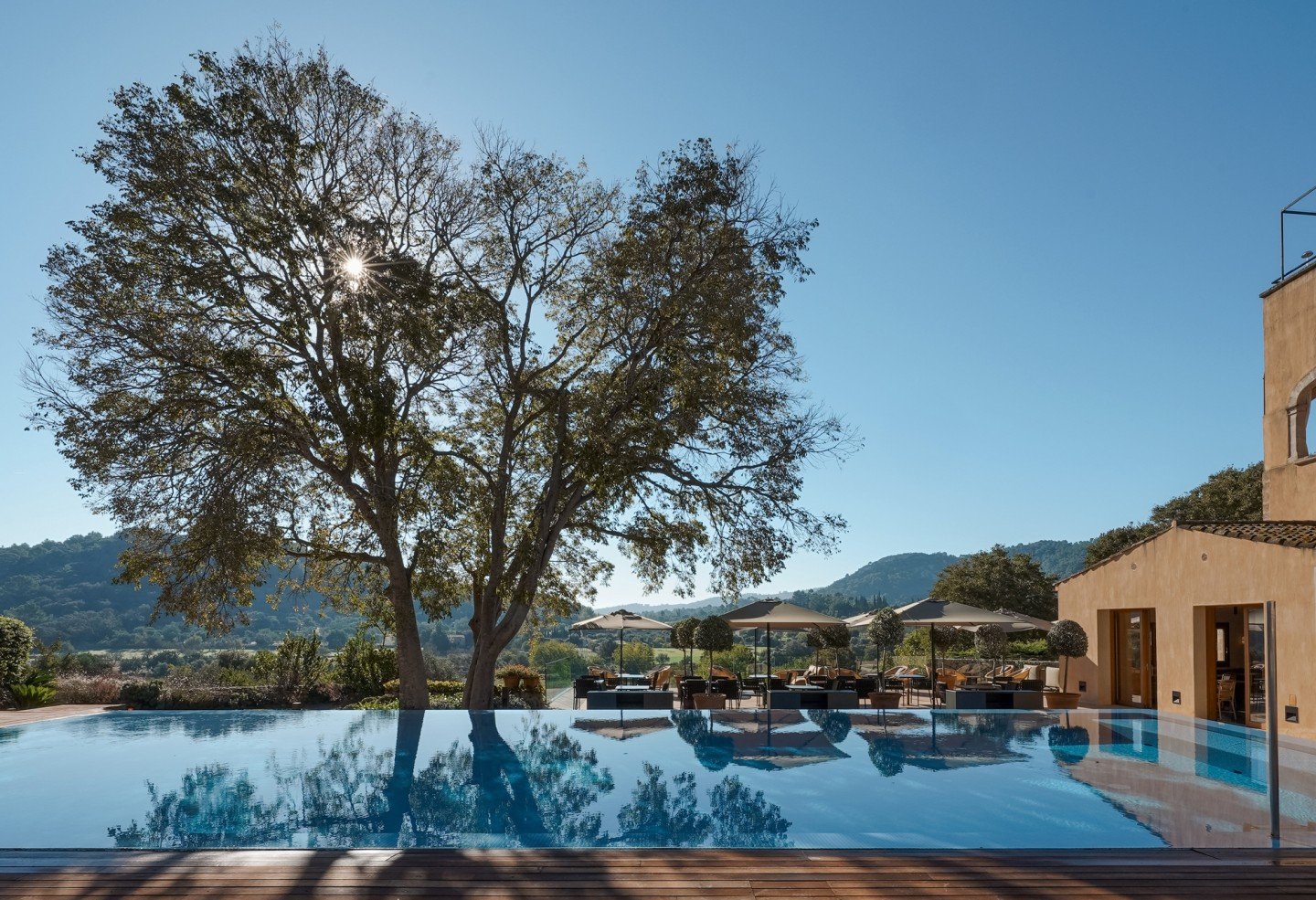
The spa sits below in stone and dark tile, with an indoor pool for the days the Tramuntana turns the sky grey. Outside there is a second pool among the vines, a single old tree throwing its shade across the water. Neither is large. Neither, on the evidence, needs to be.
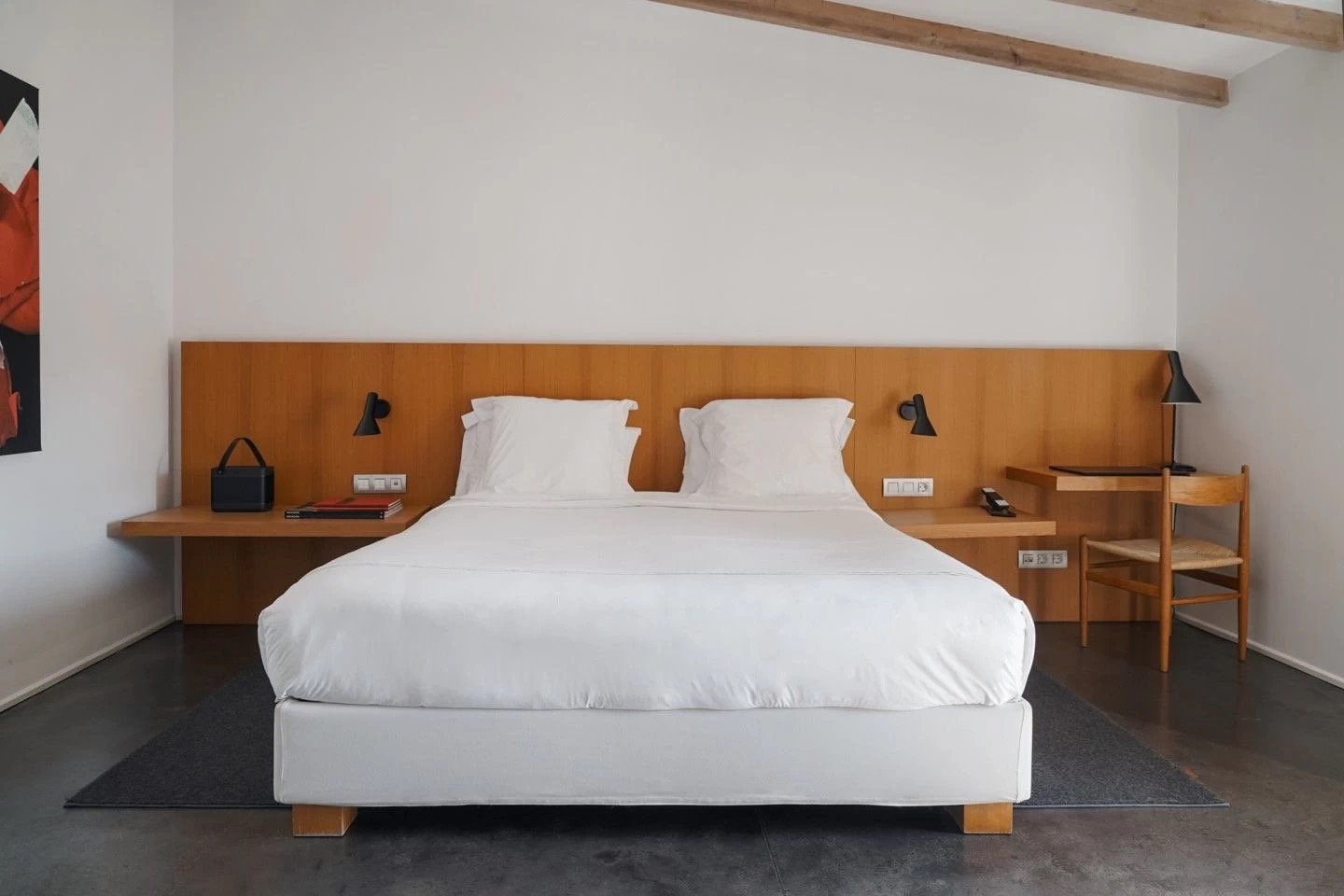
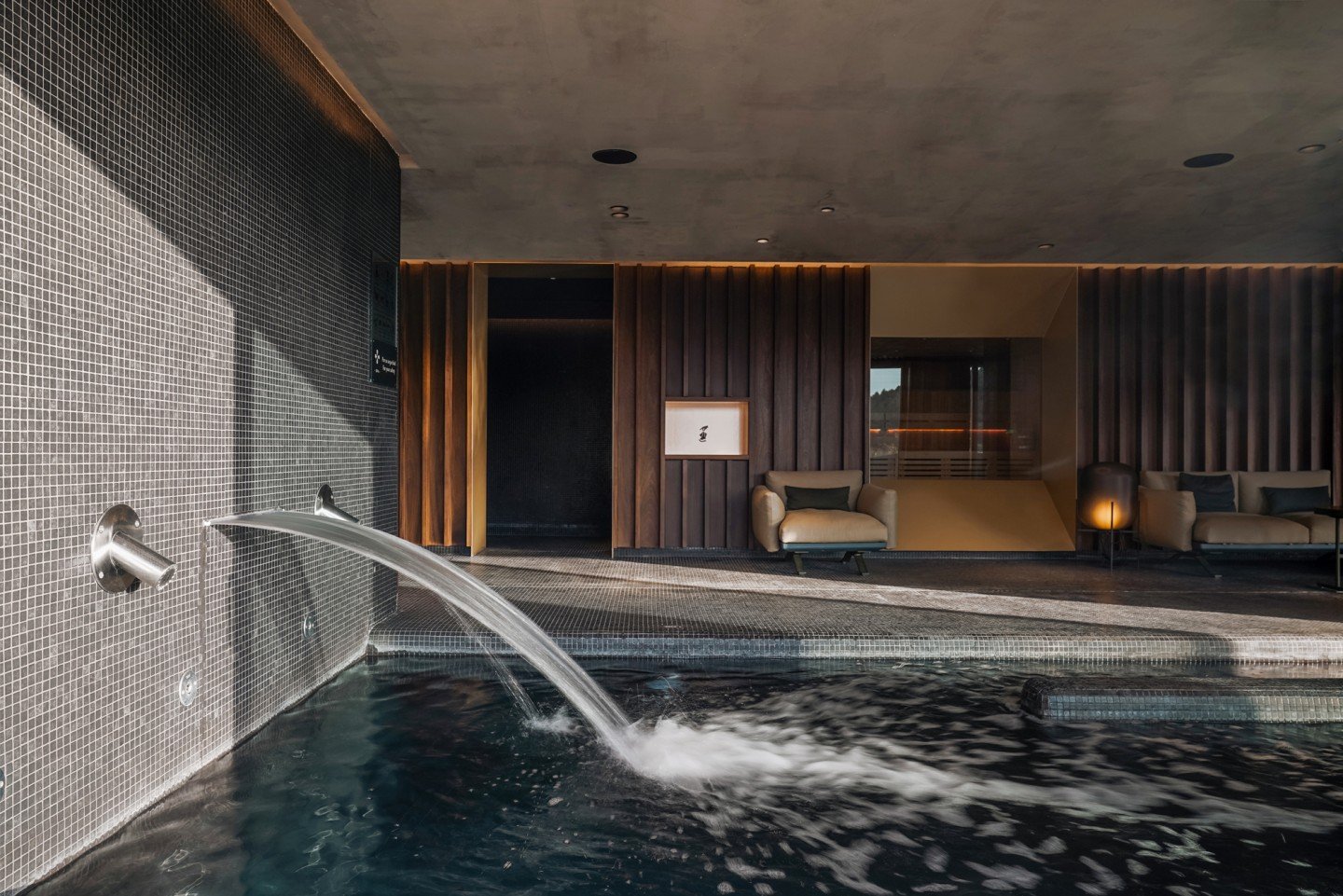
A luxury that trusts you to fill the silence.
365, and the land outside the window
The restaurant borrows the farm's own legend for its name and calls itself 3\65. Andreu Segura cooks it, a Mallorcan who learned the trade in the island's Michelin kitchens and then came home to cook the island itself. Much of what reaches the plate has not travelled far. The estate presses its own oil, keeps a certified organic garden, and grows fruit and vegetables a short walk from the pass. Two tasting menus run in parallel, one of them wholly vegetarian and drawn, more or less, from the beds you can see off the terrace. The cellar holds more than two hundred wines, with the Mallorcan slopes given their proper due.
It is precise cooking without being anxious, regional before it is anything else, and it declines to shout. A quieter bistro takes lunch and the daylight hours for anyone who does not want the full production at midday. Breakfast, laid under the pines, is the meal most guests seem to carry home with them.
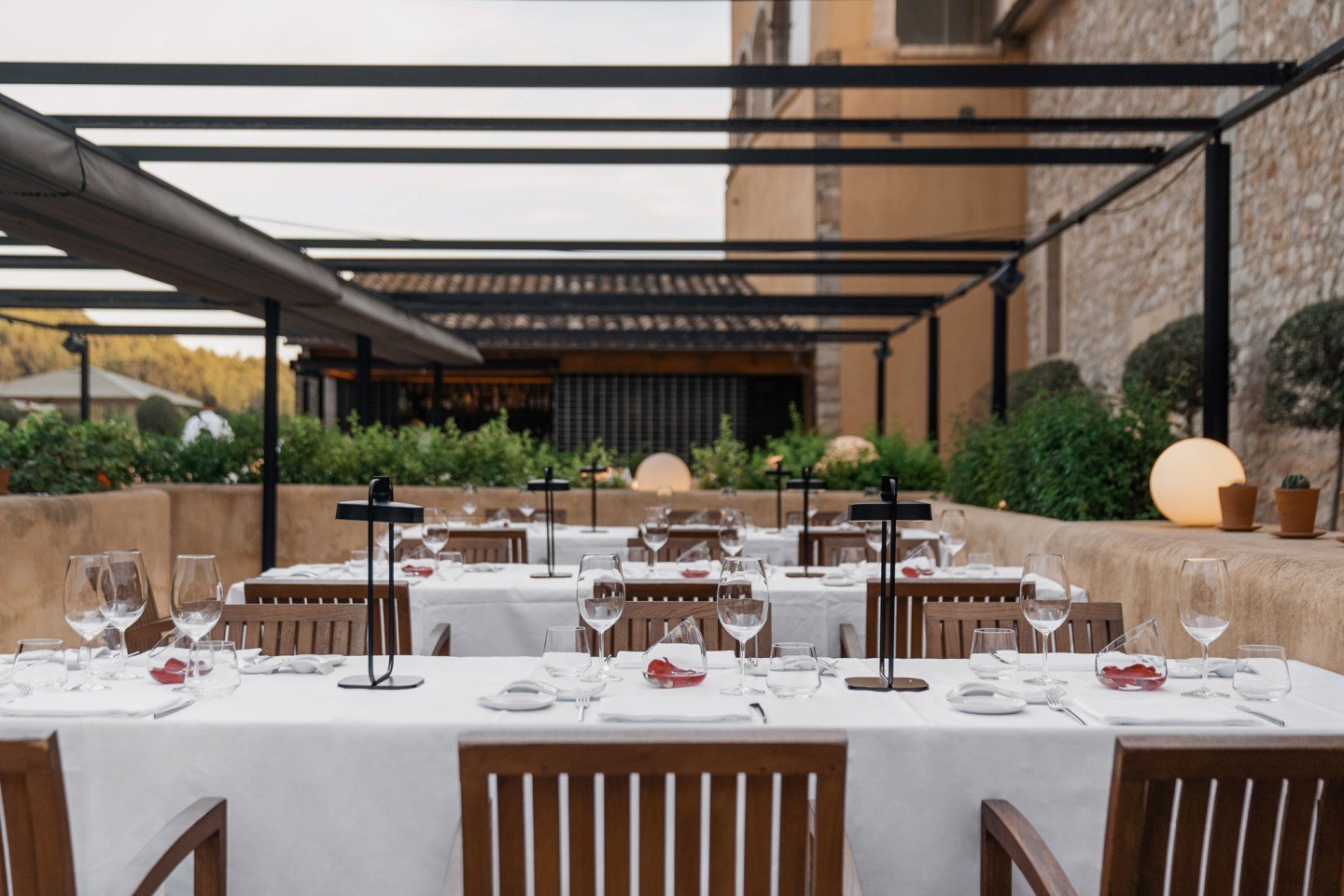
Cooking that is regional before it is anything else, and does not shout.
Much of Mallorca has learned to perform for the visitor, the same infinity pools strung along the same few coves. Son Brull is the older idea. A working farm that happens to take guests, dressed with a light hand and otherwise left alone, with a kitchen that cooks the thirty-two hectares around it and a house that keeps the monks' proportions and the monks' quiet. It shuts for the winter and wakes in April, which tells you plainly what sort of place it means to be. Come for the cooking and the silence. The rest of the island can wait.
Photos: Son Brull (official), self-hosted with credit.