The Table
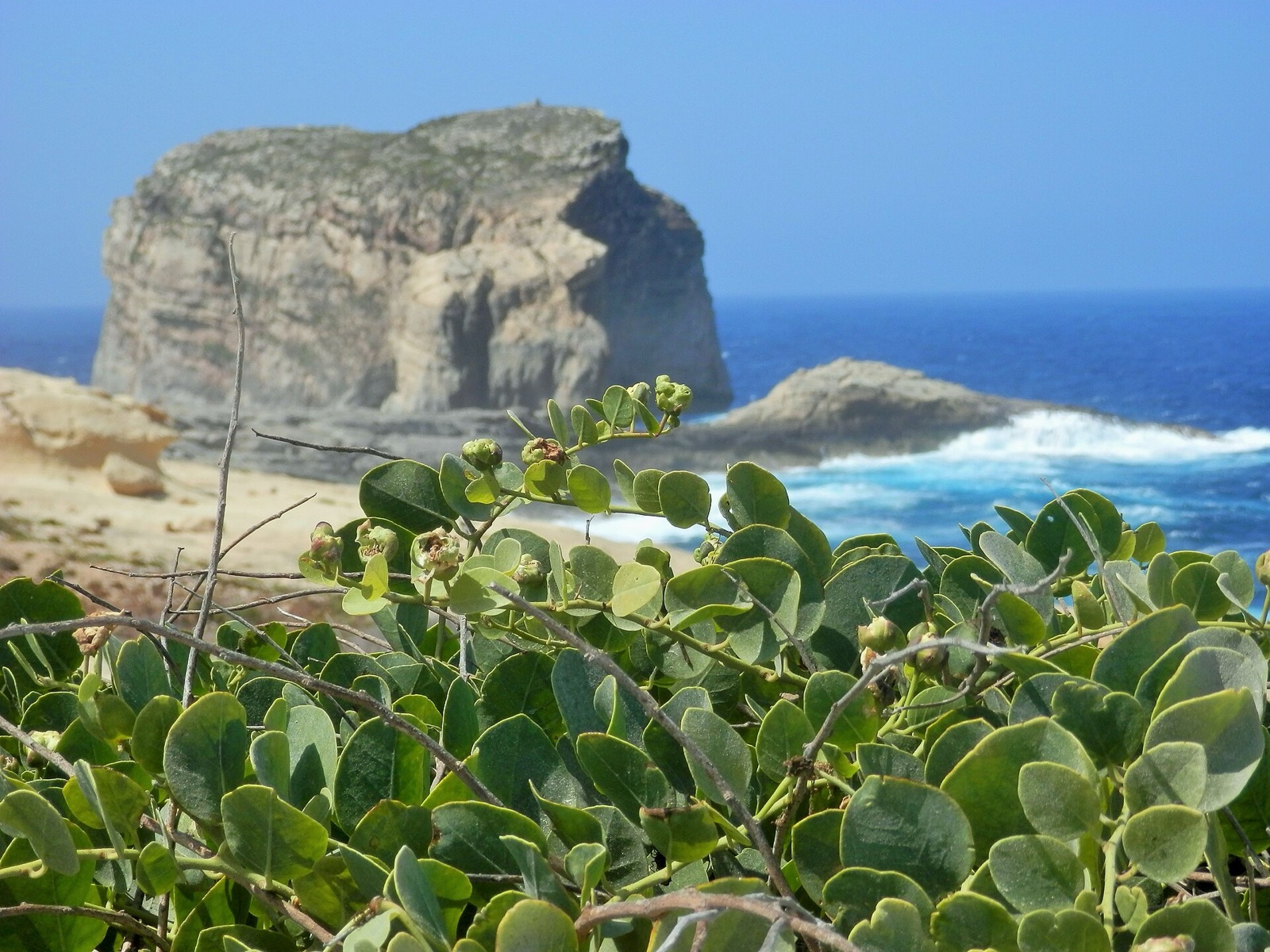
Pantelleria sits closer to Tunisia than to Sicily, a black hump of lava in the middle of the strait. The wind here never really lets up. Nothing tall survives it, so the island grows low and stubborn: vines pruned into hollows scooped from the ground, and capers, which seem to want exactly the punishment everything else has to endure. The bushes cling to the terraces in loose grey mounds, held by dry-stone walls stacked from the same volcanic rock.
The caper is a bud, not a fruit. Left alone it opens into a brief white flower with a spray of violet stamens, lovely for a morning and useless on the plate. The whole craft lies in getting there first. From the start of May to the end of October the pickers walk the terraces every eight or ten days, taking only the buds that are tight and green, leaving the rest to swell. It is slow, stooping work under a hard sun, done entirely by hand because no machine can tell a good bud from a spent one.
A caper is a flower caught the day before it decides to bloom.
What sets the Pantelleria bud apart is under it. The soil is volcanic, mineral-heavy and starved of rain, and the plant answers the hardship by concentrating. The result carries more glucocaperine, the compound behind that sharp, almost mustard edge, so a caper from here reads louder on the tongue than one raised on softer ground. Hot days and cold nights do the rest, pushing aroma into something you can smell across a kitchen.
Then comes the salt, and here the island parts company with the jar you know. No brine, no vinegar. The buds go straight into coarse Trapani sea salt and are turned by hand every day for ten days, drained of their own water, then salted a second time. The cure holds the flavour without drowning it. Rinse them before use and they give back a green, briny, floral snap that pickled capers never quite manage.
The name is protected. Cappero di Pantelleria earned its PGI in 1996, the geography written into the label, and in the hamlet of Rekhale a small museum now keeps the story among the fields and the domed white dammusi. None of it makes the caper expensive, exactly. It makes it particular.
On the table it asks for restraint. Whole, never chopped, so the bud stays intact: over grilled swordfish, folded through a caponata, scattered on ripe tomatoes with oregano and a good oil. It is a seasoning that behaves like an ingredient, a single note that carries a whole dish. Buy a bag cured in salt rather than a jar in liquid, keep it dry, and rinse only what you need. It will outlast the summer, and it will taste of one island and no other.