The one you have to mean to reach
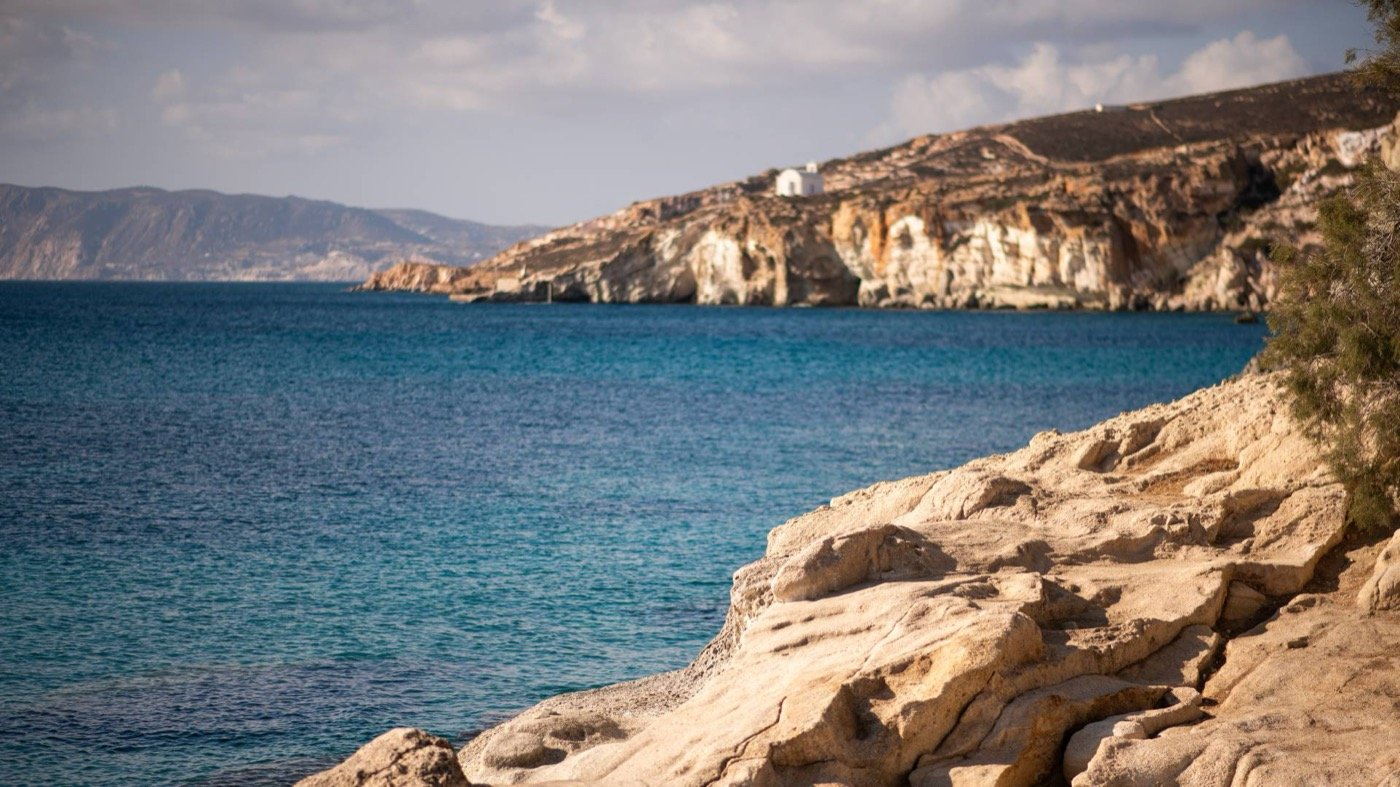
Kimolos sits in the lee of Milos, a short crossing away, and it has stayed quiet for the plainest of reasons: getting there takes a change of boat and a decision. There was never much cause to make it. The chalk cliffs that gave the island its name, the empty north beaches, a Chora that goes about its evening without a single thing laid on for visitors. For years that was the whole offer, and for years there was almost nowhere to stay that matched it.
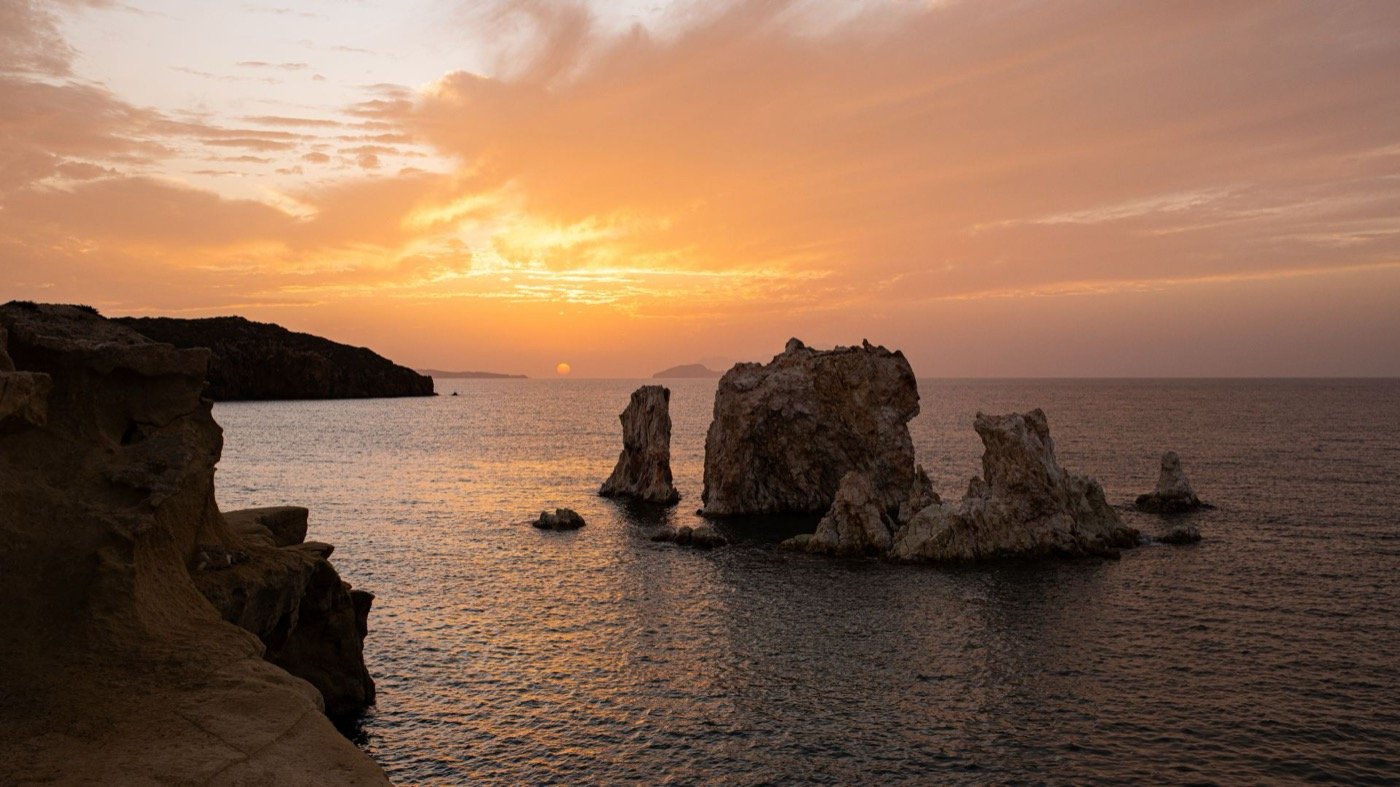
What that buys you, if you go, is silence of a kind the busy Cyclades sold off long ago. The light comes up hard off the water. At dusk the rock stacks off the coast turn the colour of the sky, and the only sound is the wind working through the scrub. An island like this does not need a hotel. It needed the right one, and that is a harder thing to build.
Some islands stay quiet by luck. Kimolos stays quiet on purpose.
A low white cluster above the water
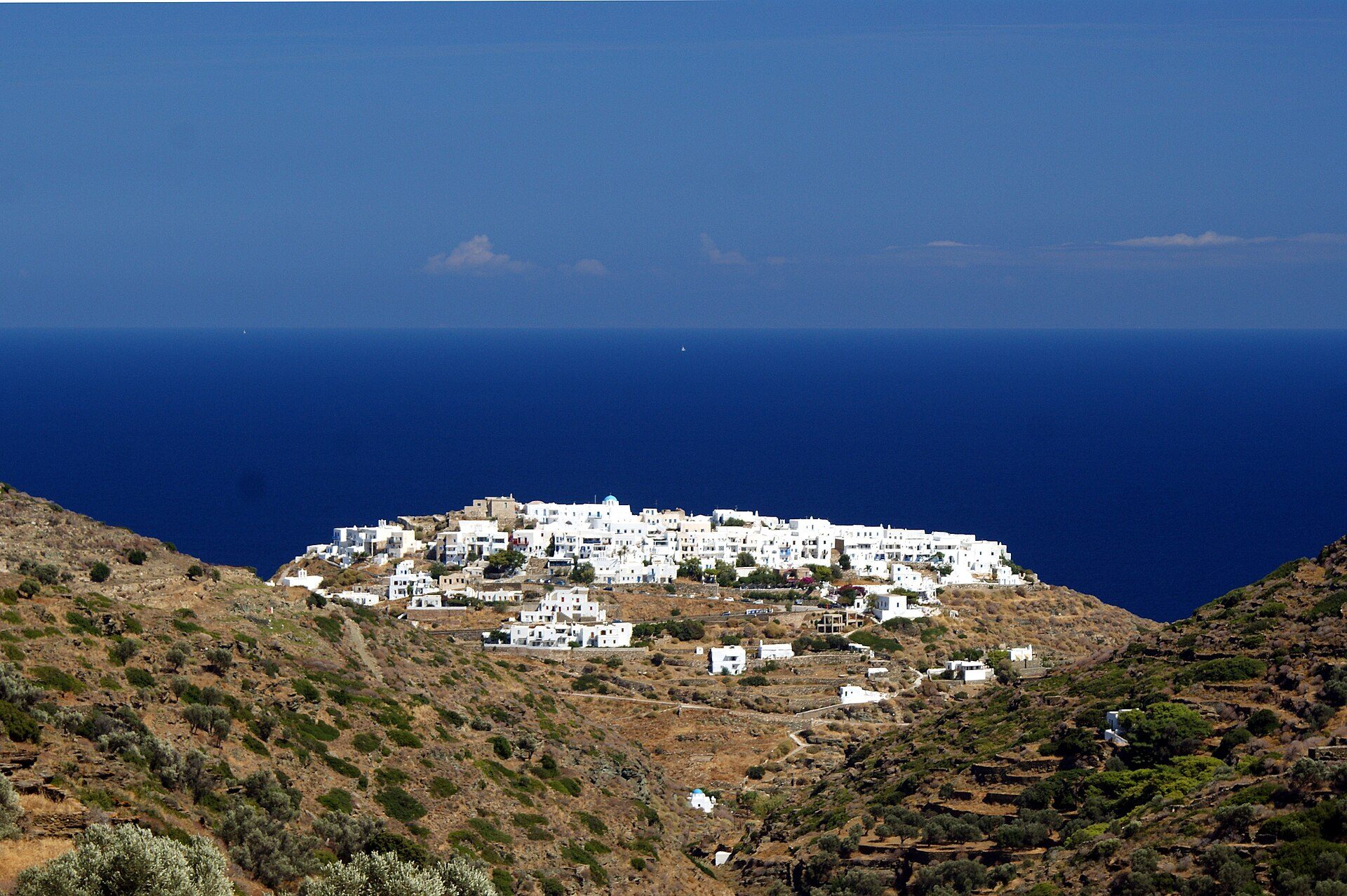
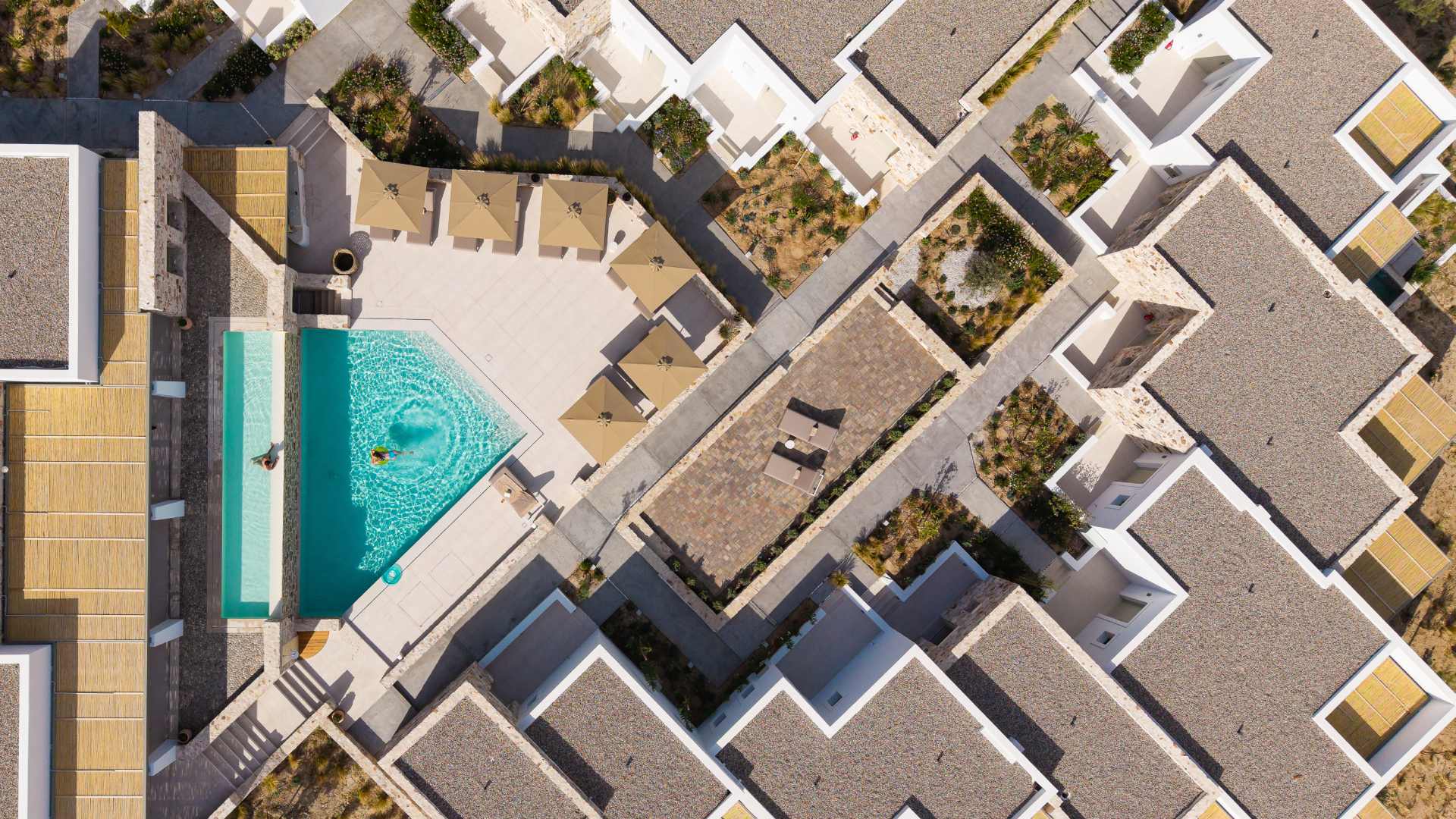
Espera stands at Kalamitsi, above the channel, and from the air it reads as what it is: a low white village of suites gathered round a pool, stone roofs and gravel courts and a few sun umbrellas, nothing tall enough to argue with the hill. The independent owners who built it, the island's only five-star, seem to have understood that on Kimolos restraint is not a style choice. It is the price of belonging here.
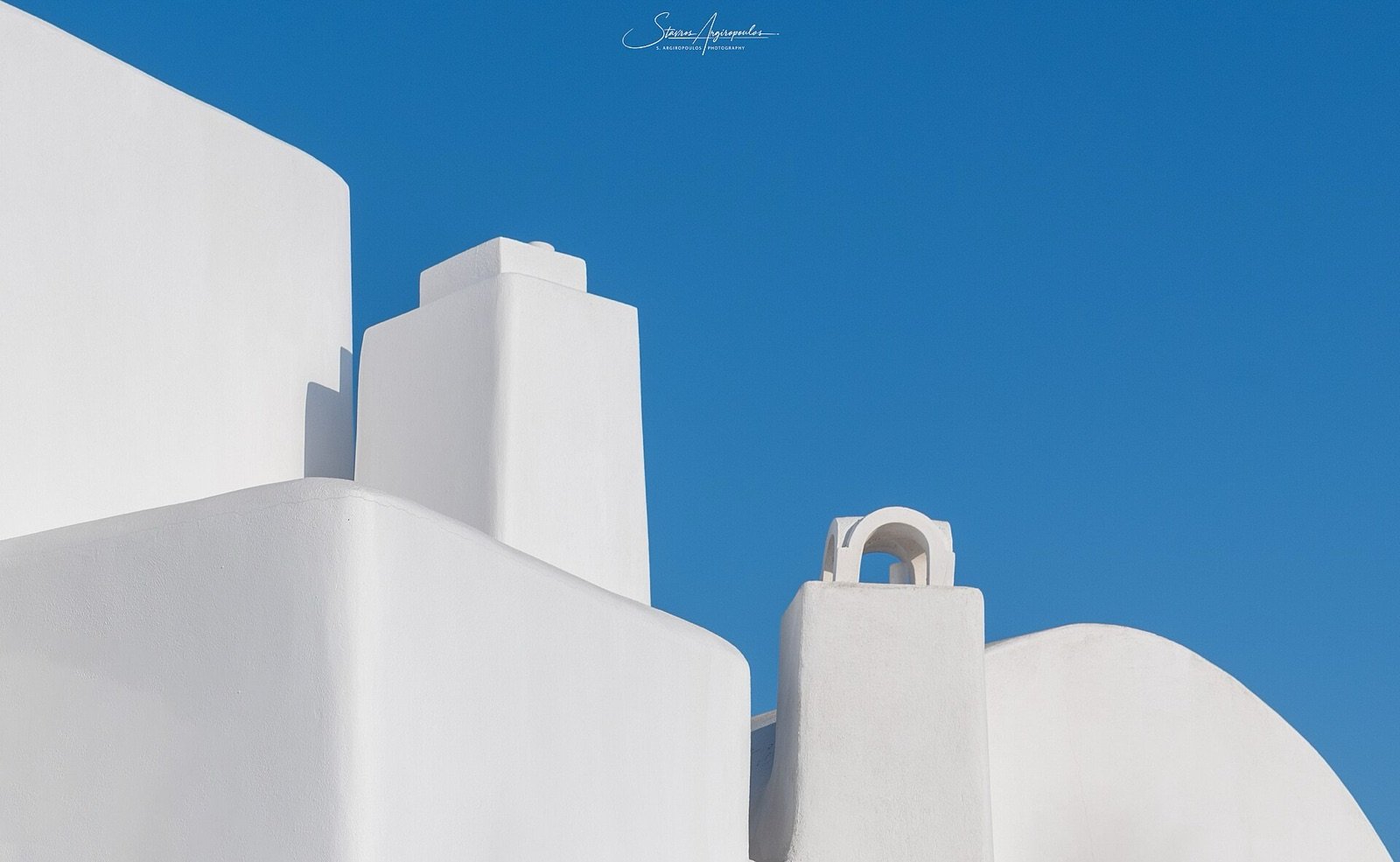
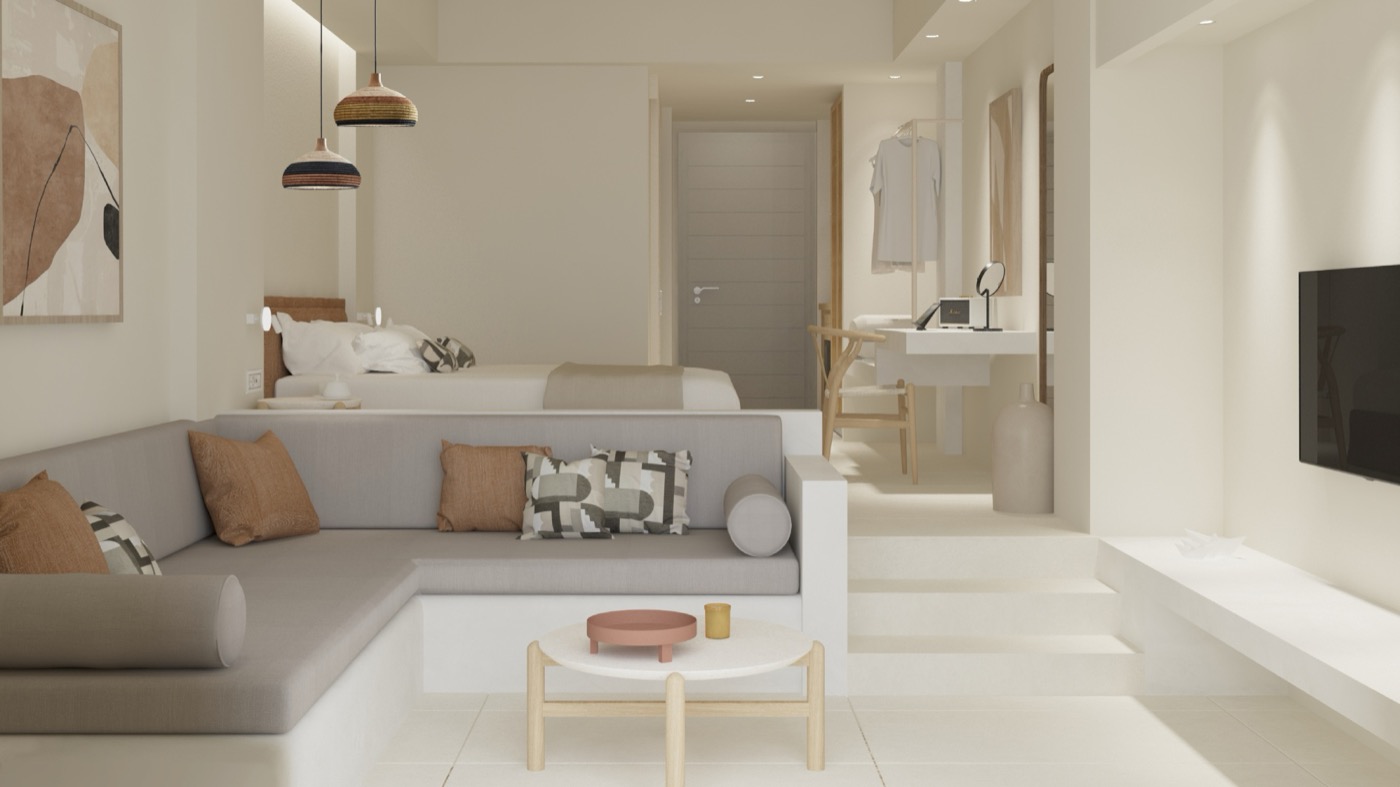
Inside, the suites keep to a pared-back Cycladic register: sand and pale stone, a sunken seat built into the plaster, ochre cushions, a bed set a step above the lounge. Every one of them faces the sea, and some open onto a private pool. The design lets the light and the bare rock do the work and adds little of its own. Days pass slowly, which is the point of the place. You swim, you read, you watch the ferries cross to Milos, and the hours stop counting themselves.
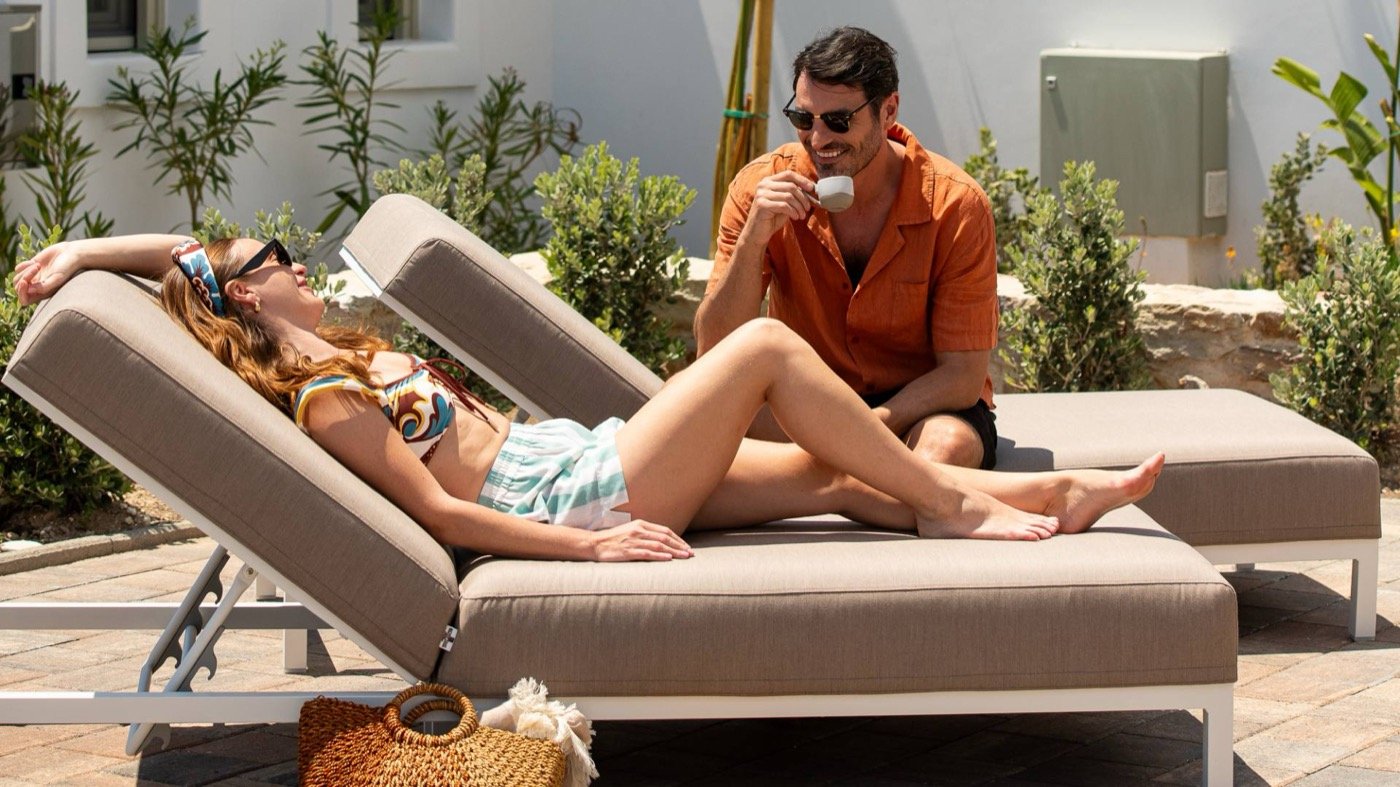
Nothing here raises its voice, and that is the whole argument.
amoni, on the terrace at dusk
The reason to book a table here even if you are sleeping elsewhere is amoni, the hotel's restaurant, laid under a timber pergola on a terrace that faces Milos, the sun going down somewhere around the second course. It is open to anyone, not only to guests, which on an island this size matters. The menu is signed by Dimitris Dimitriadis, who runs the kitchen at FITA in Athens, and on Kimolos he cooks the Cyclades with a light modern hand.
The island's sour xino cheese turned through a tomato salad. Orzo with the red shrimp of Koilada, wild fennel and bottarga. Slow sourdough and a good oil to open, and, further down the list, oxymel, the honey and vinegar the Greeks have drunk since Hippocrates. There is a run of Cycladic dinners built around exactly this, the local larder read closely rather than dressed up. Ambitious cooking for so small an island, and the surprise is how easily it lands.
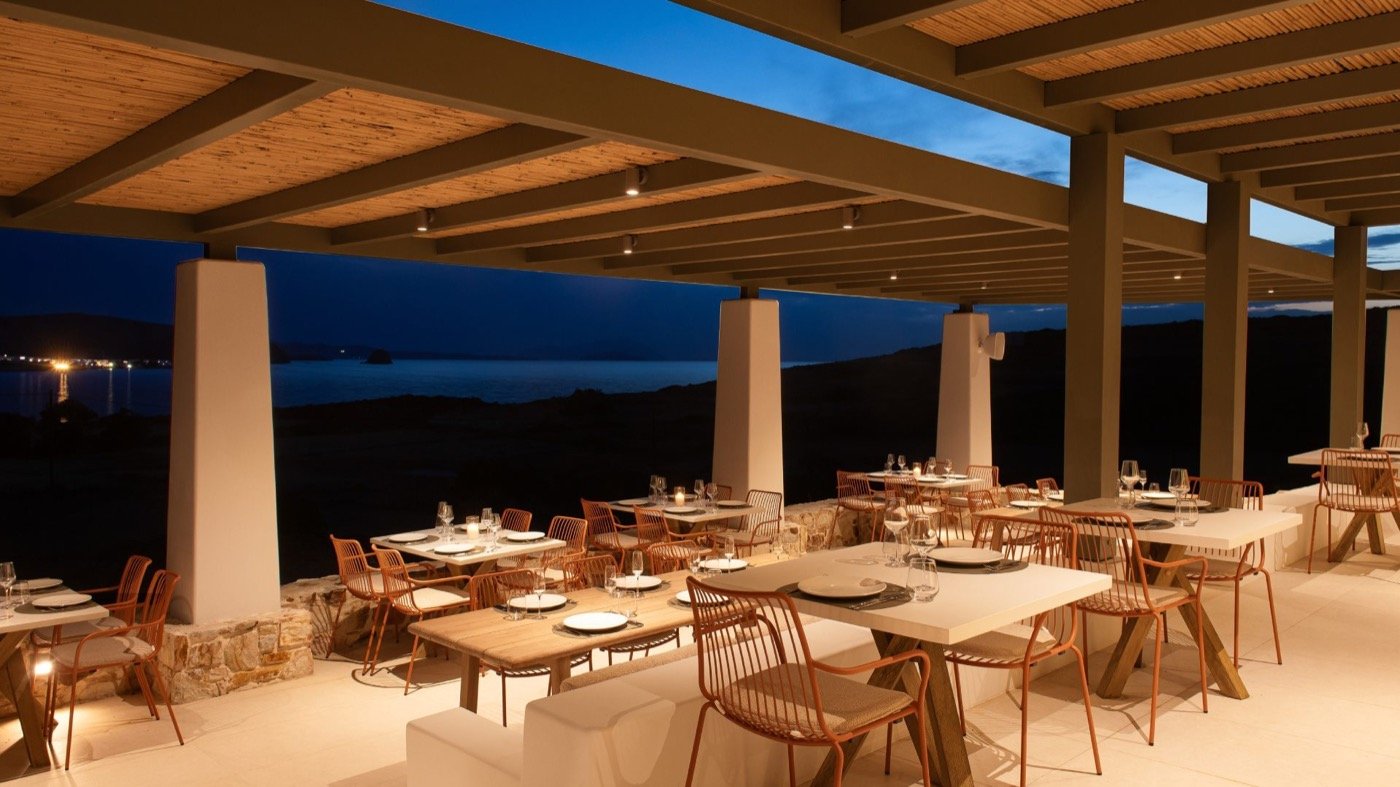
A kitchen this serious, on an island this small, should not work. It does.
Kimolos asks for a ferry and a plan, and Espera does nothing to hide it. That is its case, not its flaw. It stays low, turns every suite to the water, and puts a real kitchen on the terrace instead of a view and a menu. For anyone who wants the Cyclades without the crush, and a table worth the crossing, it earns its place here. We would go back on the next boat.